
Sand Plum

IPrezentare
Prezentare
Prunus angustifolia watsonii, cunoscută sub numele de prum de pământ, este o arborețelă deciduă sau un mic arbor. Originează în Statele Unite de Sud-Est și Mijlociu-vest, găsită în habitaturi care se întind din Alabama până la Virginia, această plantă se adaptează bine în soluri legere - atât săptămânilene cât și argile - și preferă condițiile umide cu expusie parțială de soare sau complet de soare. Cunoscut pentru fructele sale comestibile, care pot fi consumate frescu sau utilizate în preparate conservatoare, Prunus angustifolia watsonii oferă o adiție ornamentală interesantă la gardenuri din cauza formei sale atractive. Un caracter distinctiv este capacitatea sa de a crește în diverse zone de ușurare (5-9), făcând-o adaptabilă la diferite climatice în domeniul său nativ.
What is Sand Plum?
Prunus angustifolia watsonii, cunoscută sub numele de prum de pământ, este o arborețelă deciduă sau un mic arbor.
What is Sand Plum used for?
Traditionally used for digestion. Each claim is evidence-rated — see Section II for full citations.
IIBeneficii și dovezi
1 claim · traditional-use context
Beneficii și dovezi
1 claim · traditional-use context- Prunus angustifolia watsonii, commonly known as Sand Plum, has been traditionally used in Native American medicine for digestive issues. A decoction of the fruit or seeds may help alleviate symptoms such as bloating and indigestion.
The mechanism is not fully characterised but likely involves compounds like flavonoids and tannins that have astringent properties, which can soothe the gastrointestinal tract.
▲ ModerateDigestion →
IV·bMixology suggestions
1 draft
Mixology suggestions
1 draftVCultivare
Cultivare
How to grow Sand Plum for the first time
Start with planting Sand Plum in a sunny spot and follow these beginner-friendly steps.
- 1
What you'll need
A young Sand Plum sapling, well-draining soil, and a garden trowel.
- 2
Best time to plant
Plant in early spring or late fall when the ground is workable but not frozen.
- 3
Soil and container prep
Ensure your soil has good drainage. Amend with compost if necessary, especially for containers.
- 4
Sowing or transplanting
Transplant a young sapling from a nursery pot into the garden, ensuring roots are spread out.
- 5
First two weeks
Water regularly to keep soil moist. Avoid overwatering which can lead to root rot.
- 6
Ongoing care
Provide full sun and water when the soil feels dry. Prune lightly in late winter to maintain shape.
- 7
Harvest or pruning
Prune in late winter to remove dead branches and thin out crowded areas for better air circulation.
- 8
Common mistakes
Overwatering, planting too deep, neglecting regular pruning, using the wrong soil type, and not providing enough sunlight.
VIEdible & utility
Edible & utility
VIIDistribuție
26 native · 0 introduced
Distribuție
26 native · 0 introducedIXSpecimen gallery
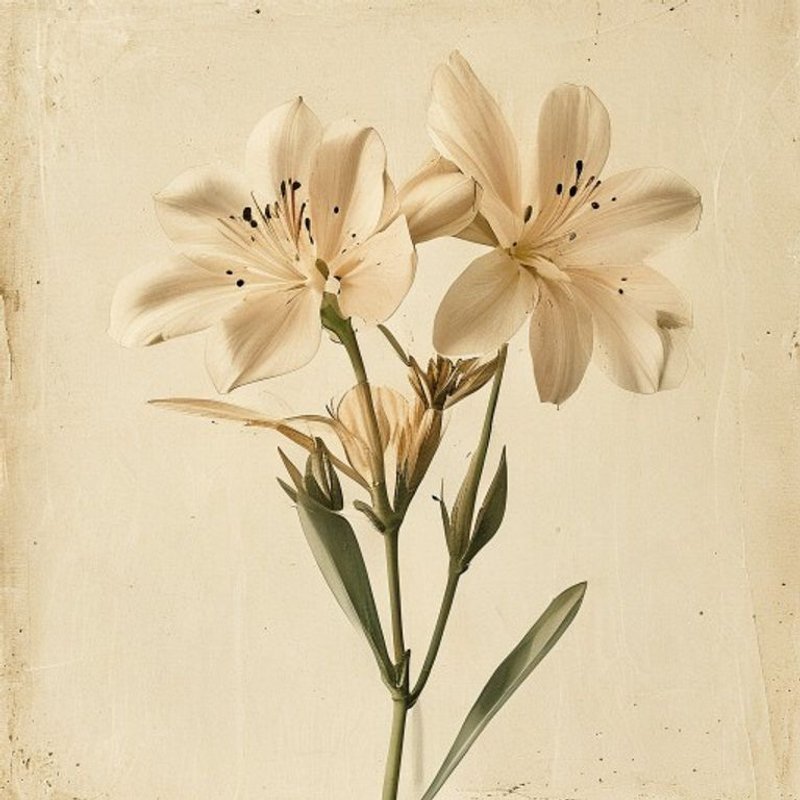
1 image
Specimen gallery
1 imageXSee also
8 related
See also
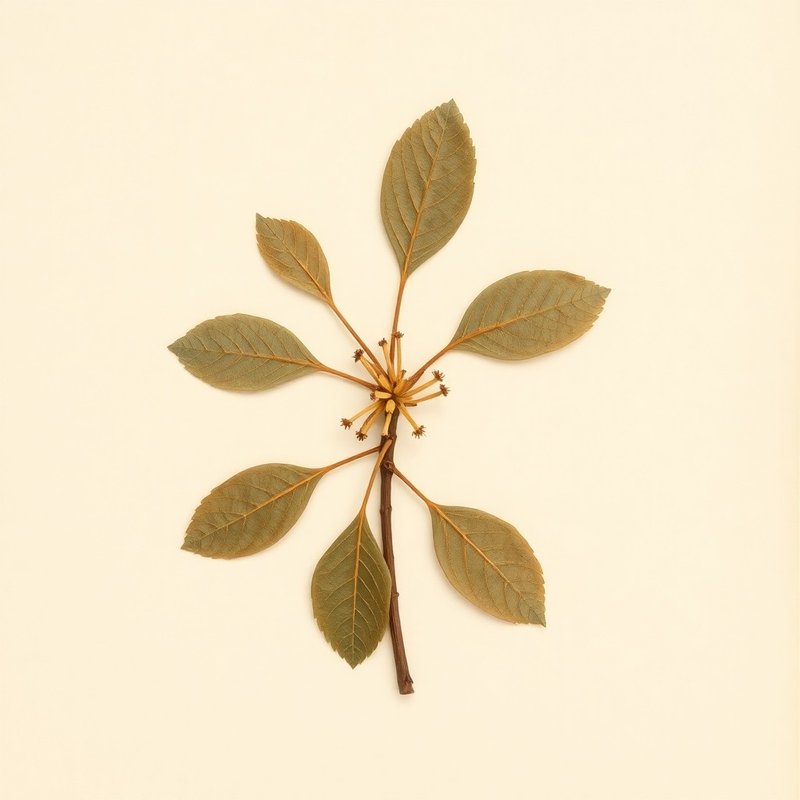
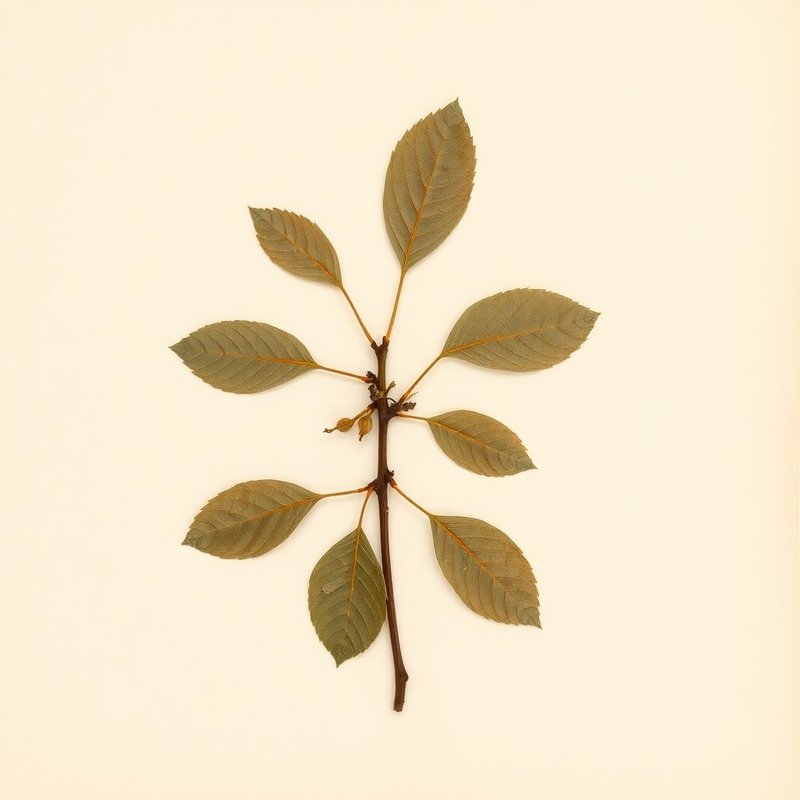
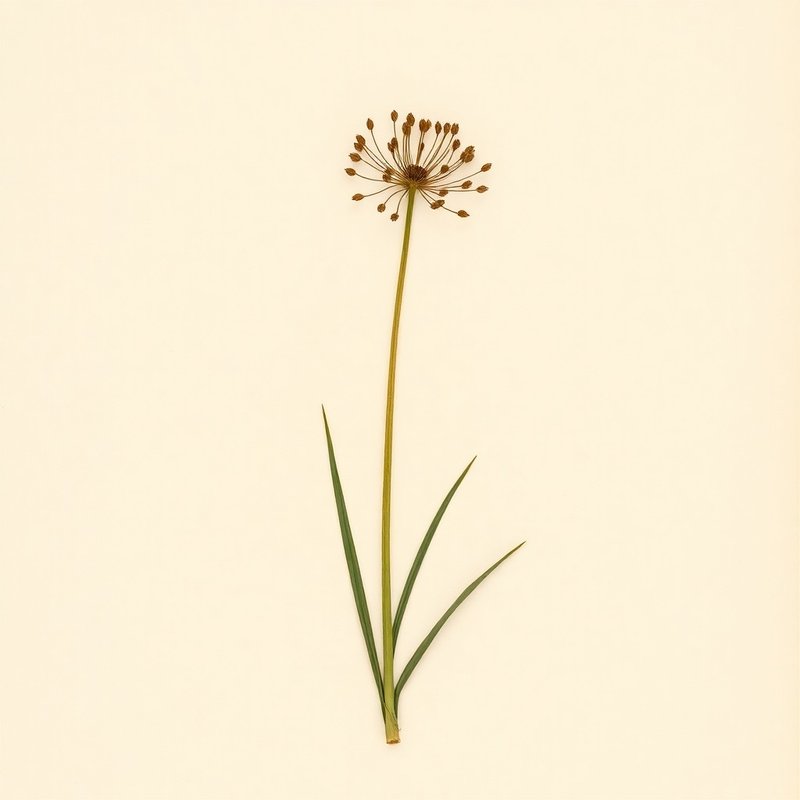
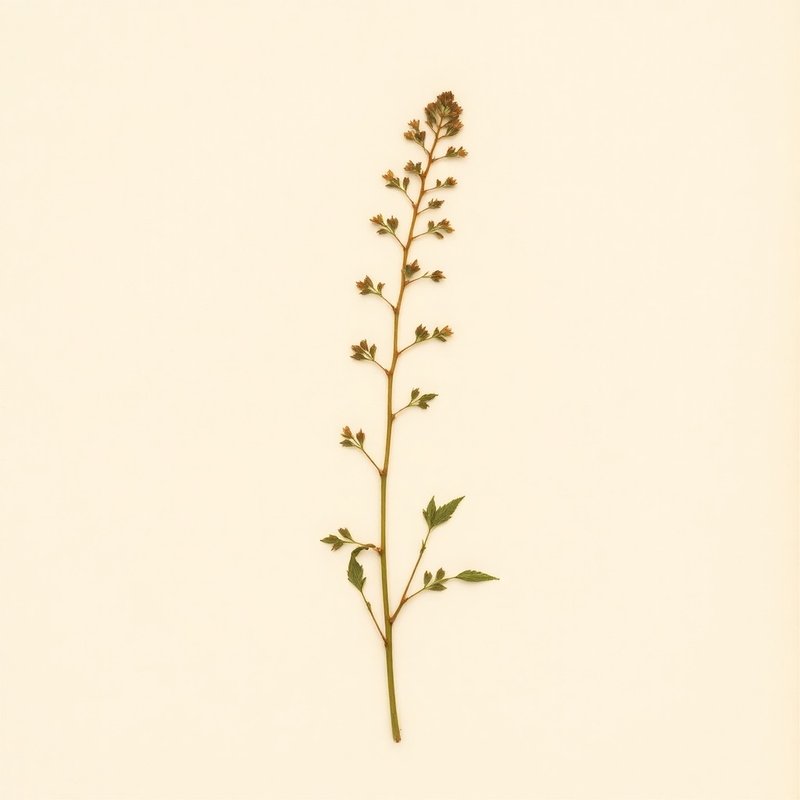
8 relatedPlants you might compare or use together — scored by shared family, common use cases, and growing requirements.



Explore further
About this entry
- Last updated
- Citation
- How to cite this entry · Submit a correction
Continue reading
Primește digest-ul săptămânal
Un email curat pe săptămână — profile noi de plante, note sezoniere de cultivare, adăugiri în arhiva de remedii. Gratuit, fără tracking, dezabonare oricând.