
Black Apricot
IPrezentare
Prezentare
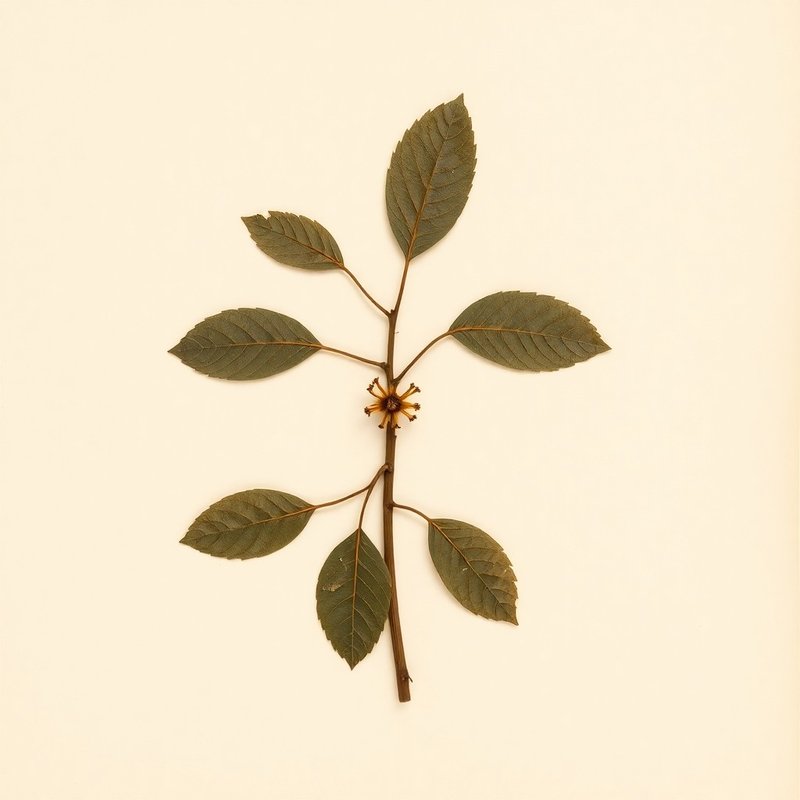
Prunus x dasycarpa, apricotul negru, este un arbore decidu originează din regiuni ale China și Asia Centrală, inclusiv Inner Mongolia, Manchuria și Xinjiang. Această plantă se dezvoltă în soare plin și preferă sustraturi umide, bine aeriate care pot fi ușoare (sândal), medii sau grele (argila). Este durabil în zonele 4-8 și poate crește până la 4,5 m. Cunoscut pentru fructele sale edibile și semințele sale, apricotul negru a fost cultivat pentru fructele sale, care se pot consuma frescu sau utilizat în diverse aplicații culinare. Caracteristicile sale distincte includ adaptabilitatea sa la diferite climă și tipuri de sustrat, făcându-l o adăugare valoare pentru gardeni și orchidee în regiuni potrivite.
What is Black Apricot?
Prunus x dasycarpa, apricotul negru, este un arbore decidu originează din regiuni ale China și Asia Centrală, inclusiv Inner Mongolia, Manchuria și Xinjiang. Această plantă se dezvoltă în soare plin și preferă sustraturi umide, bine aeriate care pot fi ușoare (sândal), medii sau grele (argila).
What is Black Apricot used for?
Traditionally used for digestion. Each claim is evidence-rated — see Section II for full citations.
IIBeneficii și dovezi
1 claim · traditional-use context
Beneficii și dovezi
1 claim · traditional-use context- Black Apricot seeds have been traditionally used in Chinese medicine to support digestion and alleviate digestive discomfort, often prepared as a decoction.
The seeds contain compounds such as amygdalin which may help with digestive issues by promoting gastric motility. However, the specific mechanism is not fully characterised.
▲ ModerateDigestion →
IV·bMixology suggestions
1 draft
Mixology suggestions
1 draftVCultivare
Cultivare
How to grow Black Apricot for the first time
Start with a simple planting of Black Apricot to gain experience in growing trees.
- 1
What you'll need
A young Black Apricot tree, garden gloves, and a shovel.
- 2
Best time to plant
Plant the tree in early spring or late autumn when temperatures are mild.
- 3
Soil and container prep
Ensure soil is well-draining with a pH between 6.0 and 7.5; prepare a hole twice as wide but not deeper than the root ball.
- 4
Sowing or transplanting
Transplant the young tree into its permanent spot, ensuring it's upright and firm the soil around the roots.
- 5
First two weeks
Water the tree thoroughly after planting; keep the soil moist but not waterlogged during this period.
- 6
Ongoing care
Provide full sun exposure for at least 6 hours a day and regular watering, especially in dry periods. Fertilize once a year with organic compost.
- 7
Harvest or pruning
Prune the tree annually to maintain shape and remove dead branches; harvest fruit when it turns dark purple.
- 8
Common mistakes
Planting too deep, overwatering, neglecting winter protection in colder regions, not providing enough sunlight, and using chemical fertilizers.
VIEdible & utility
Edible & utility
VIIDistribuție
10 native · 109 introduced
Distribuție
10 native · 109 introducedIXSpecimen gallery
1 image
Specimen gallery
1 imageXSee also
8 related
See also
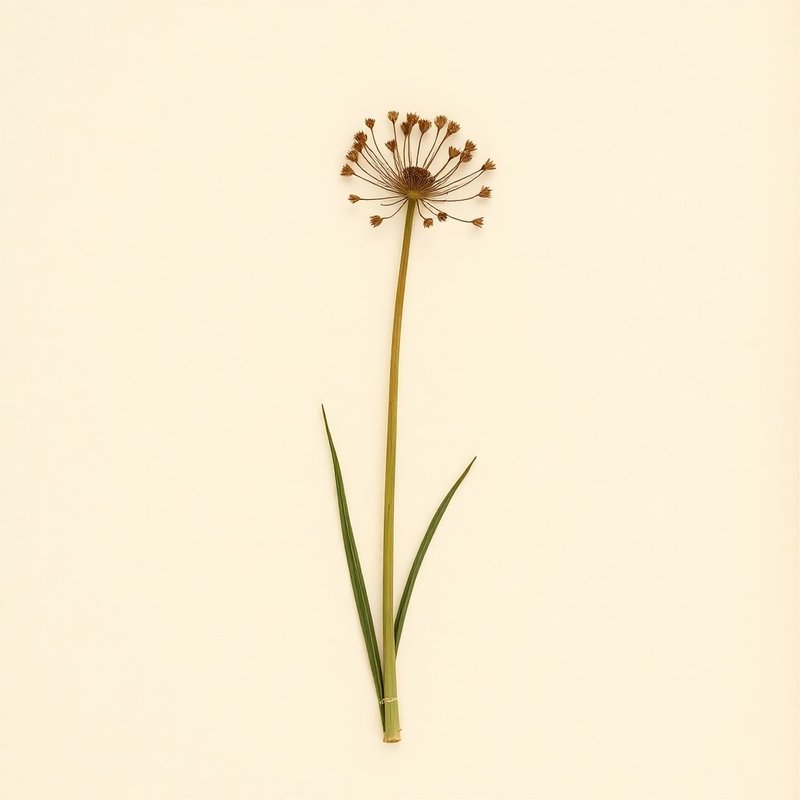
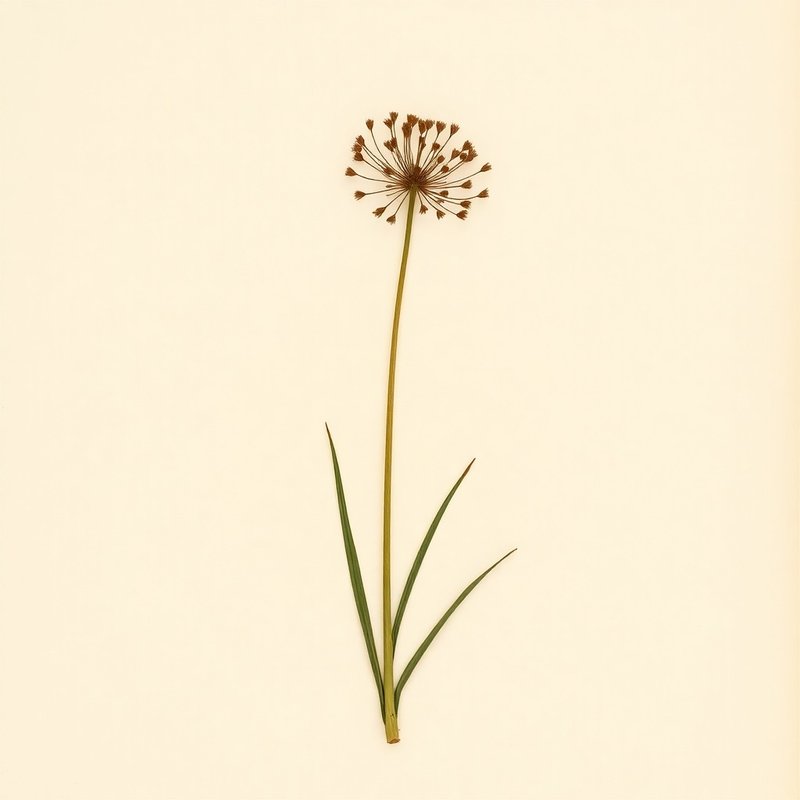
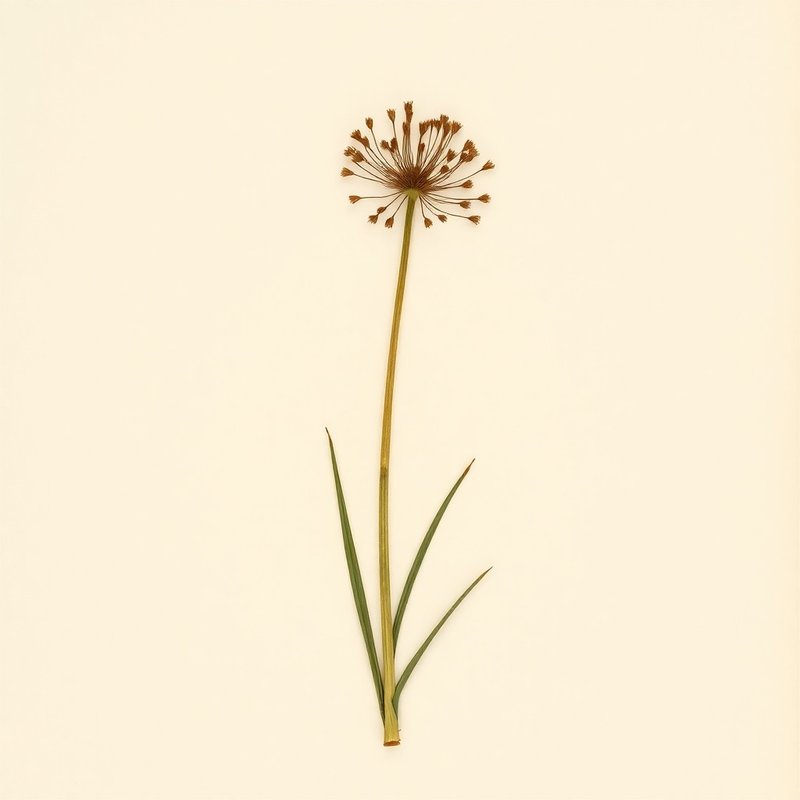
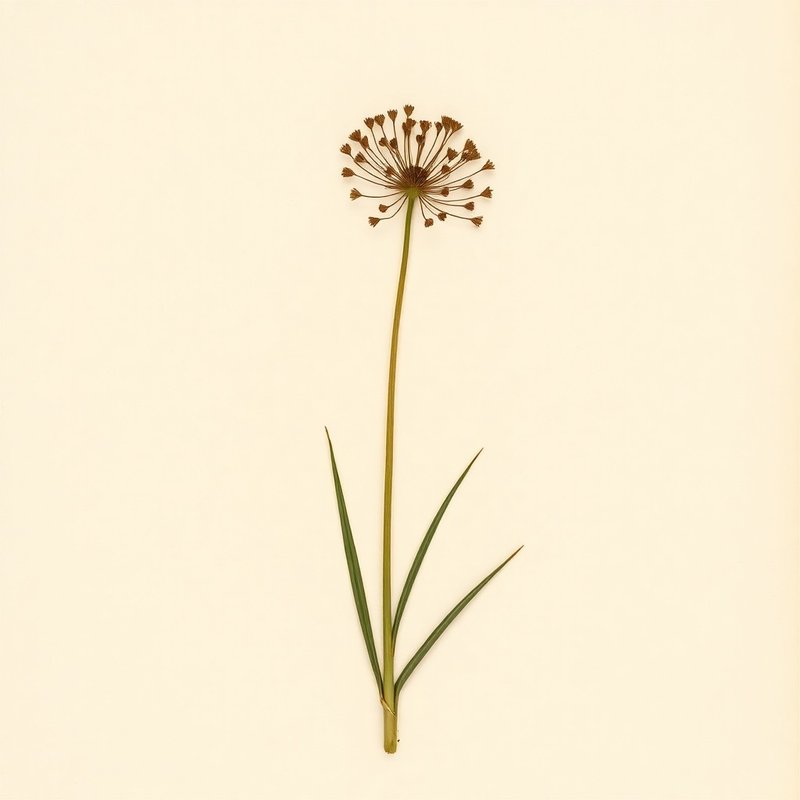
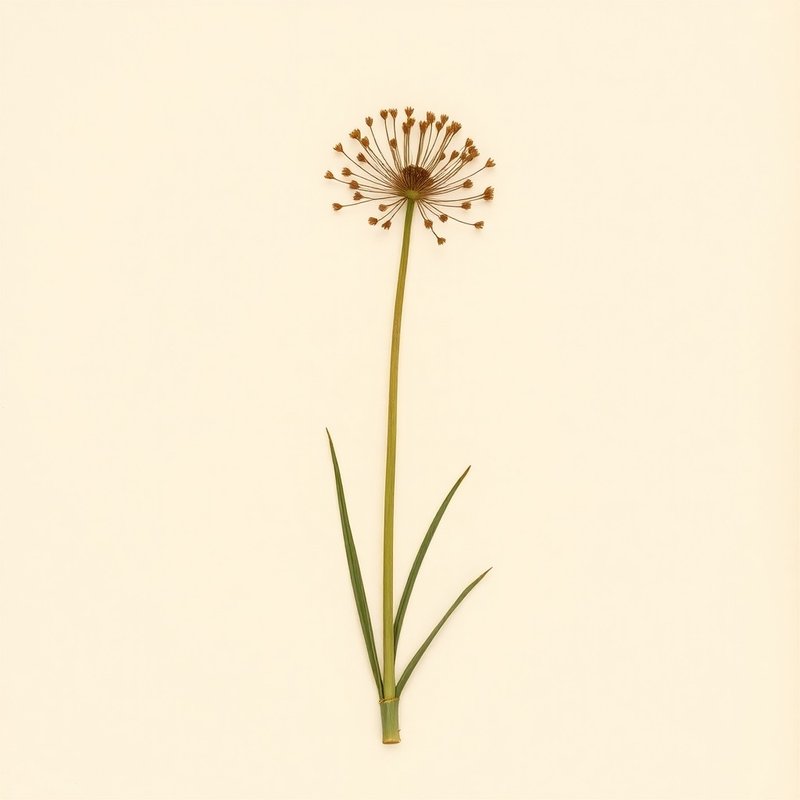
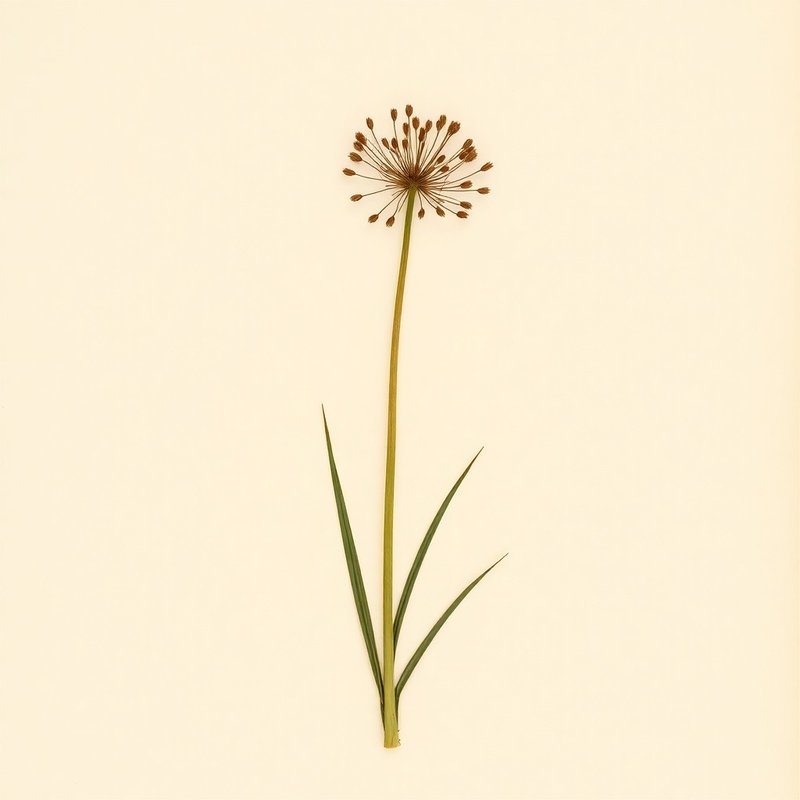
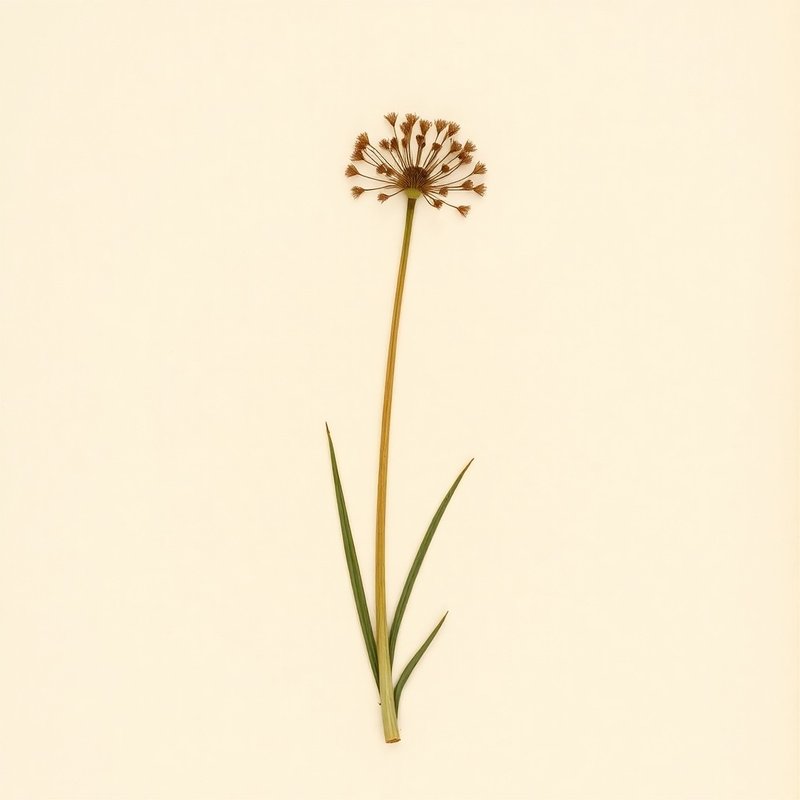
8 relatedPlants you might compare or use together — scored by shared family, common use cases, and growing requirements.

Explore further
About this entry
- Last updated
- Citation
- How to cite this entry · Submit a correction
Continue reading
Primește digest-ul săptămânal
Un email curat pe săptămână — profile noi de plante, note sezoniere de cultivare, adăugiri în arhiva de remedii. Gratuit, fără tracking, dezabonare oricând.