
California Scrub Oak
IPrezentare
Prezentare
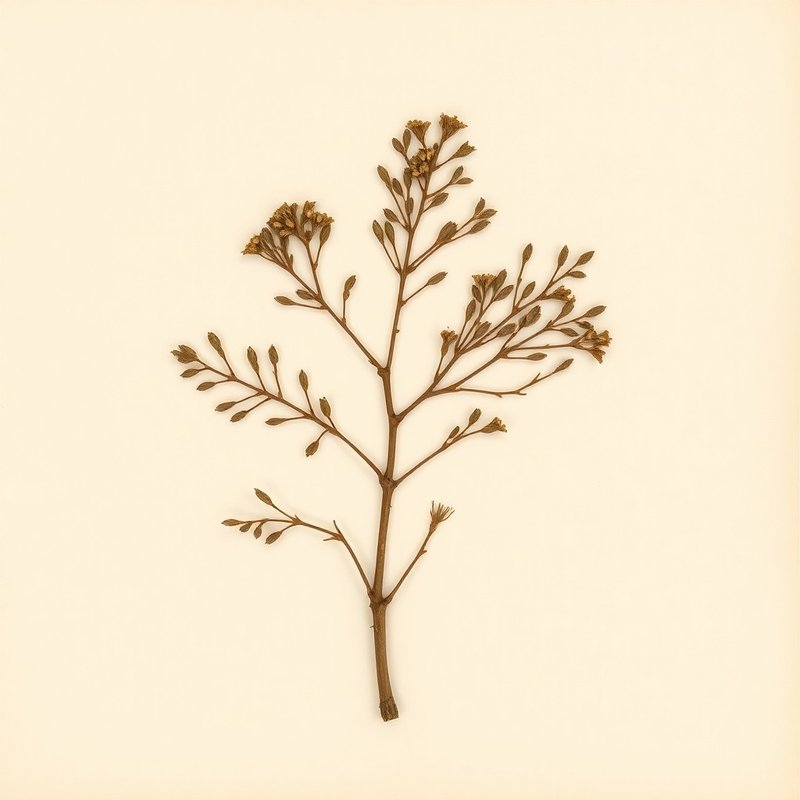
California Scrub Oak (Quercus durata), cunoscută scientific ca Quercus durata, este un arbust sau mic arbor origineal din California. Înflorșează în soarele plin până la o zonă de semne și preferă sucuri umede care pot fi medii sau grele (argila). Această specie de acăr este capabilă să crească până la 4 metri în înălțime și este durabilă în zonele 7-10. Consemnate pentru cei mănâncabili acini, care sunt o sursă importantă de aliment pentru fauna și au fost istoric mănâncabile pentru popoarele indigene, California Scrub Oak oferă, de asemenea, un plant ornamental valoros din cauza formei sale atractive. Un caracter distinctiv al acestei acari este capacitatea lor de a crește într-o varietate de tipuri de sucuri în timp ce mențin adaptabilitatea la diferite condiții de lumină.
What is California Scrub Oak?
California Scrub Oak (Quercus durata), cunoscută scientific ca Quercus durata, este un arbust sau mic arbor origineal din California. Înflorșează în soarele plin până la o zonă de semne și preferă sucuri umede care pot fi medii sau grele (argila).
What is California Scrub Oak used for?
Traditionally used for digestion. Each claim is evidence-rated — see Section II for full citations.
IIBeneficii și dovezi
1 claim · traditional-use context
Beneficii și dovezi
1 claim · traditional-use context- California Scrub Oak has been traditionally used in Native American medicine for digestive issues, similar to other oak species. A decoction of the bark or leaves may help soothe an upset stomach and reduce bloating.
The tannins present in oak species can have astringent effects on the gastrointestinal tract, helping to reduce inflammation and ease discomfort associated with digestive issues. However, the specific mechanism for digestion support is not fully characterised.
▲ ModerateDigestion →
IV·bMixology suggestions
1 draft
Mixology suggestions
1 draftVCultivare
Cultivare
How to grow California Scrub Oak for the first time
Start with planting California Scrub Oak in a sunny spot and follow these simple steps for success.
- 1
What you'll need
Seeds or young plants, garden gloves, trowel.
- 2
Best time to plant
Plant seeds in spring after the last frost or transplant young plants anytime from late winter to early fall.
- 3
Soil and container prep
Ensure soil is well-draining but moisture-retentive. Amend heavy clay with organic matter if needed.
- 4
Sowing or transplanting
For seeds, sow them shallowly in a sunny spot. For young plants, dig a hole twice as wide and deep as the root ball.
- 5
First two weeks
Water regularly to keep soil moist but not waterlogged. Monitor for pests and diseases.
- 6
Ongoing care
Provide full sun or partial shade. Water when dry, especially in summer. Prune lightly to maintain shape.
- 7
Harvest or pruning
Prune young plants to encourage a strong structure. Harvest acorns for food after they mature.
- 8
Common mistakes
Overwatering, planting too deep, neglecting to prune, and not providing enough sunlight.
VIEdible & utility
Edible & utility
VIIDistribuție
1 native · 0 introduced
Distribuție
1 native · 0 introducedIXSpecimen gallery
1 image
Specimen gallery
1 imageXSee also
8 related
See also
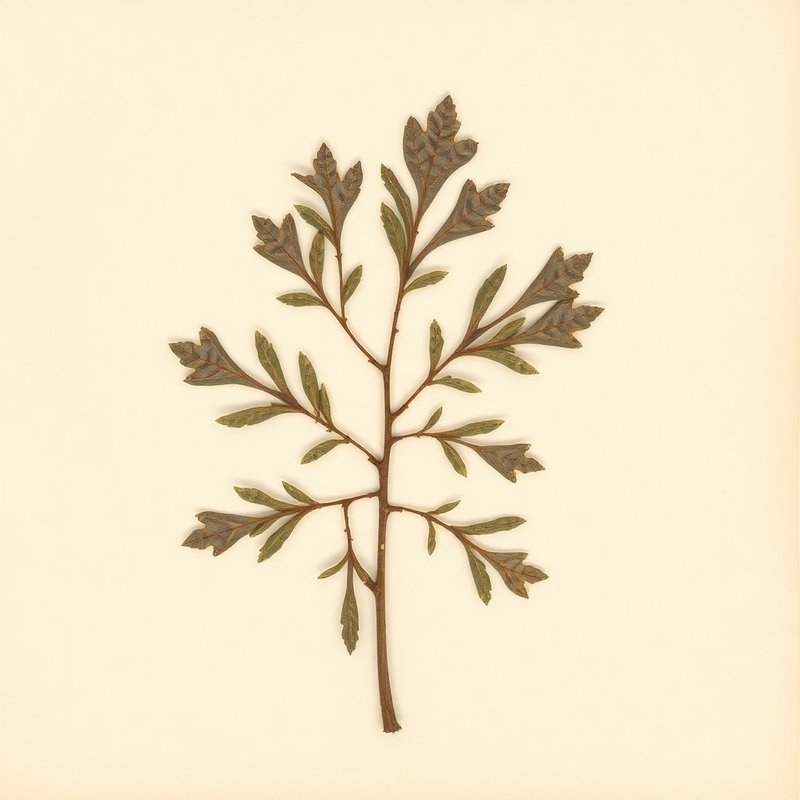
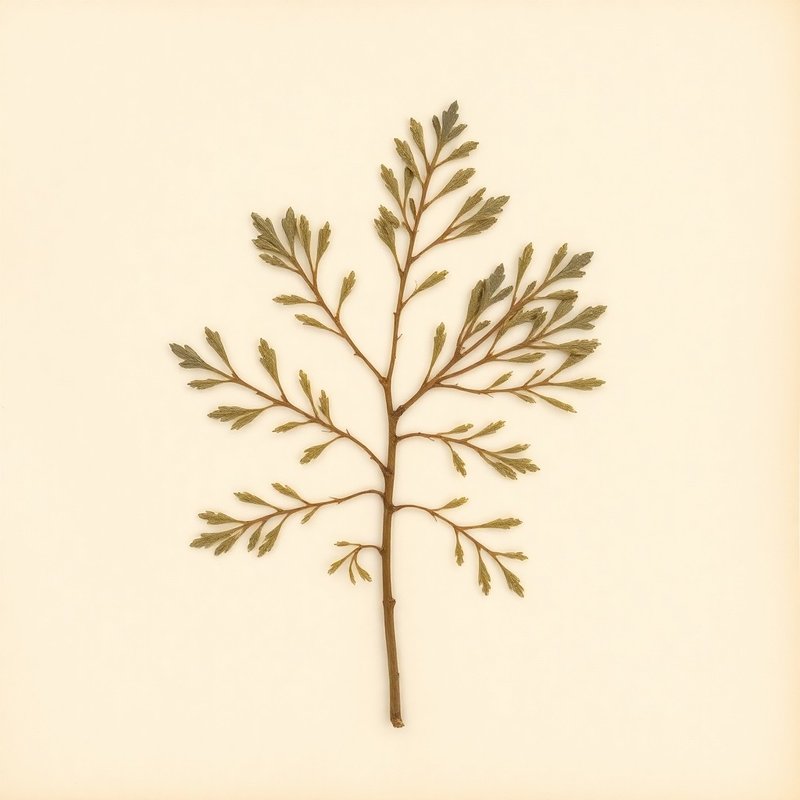
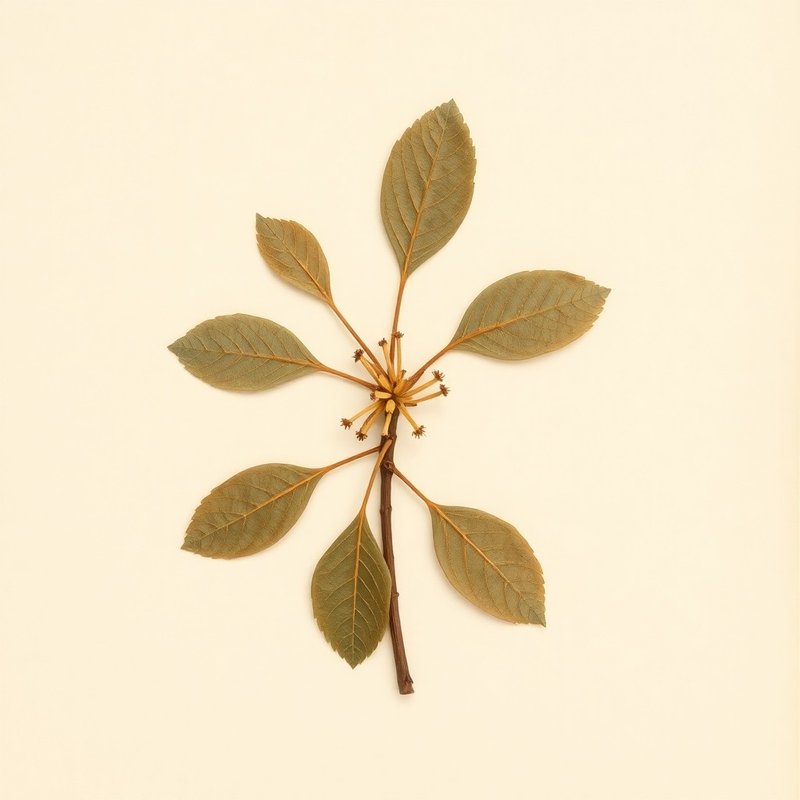
8 relatedPlants you might compare or use together — scored by shared family (Fagaceae), common use cases, and growing requirements.
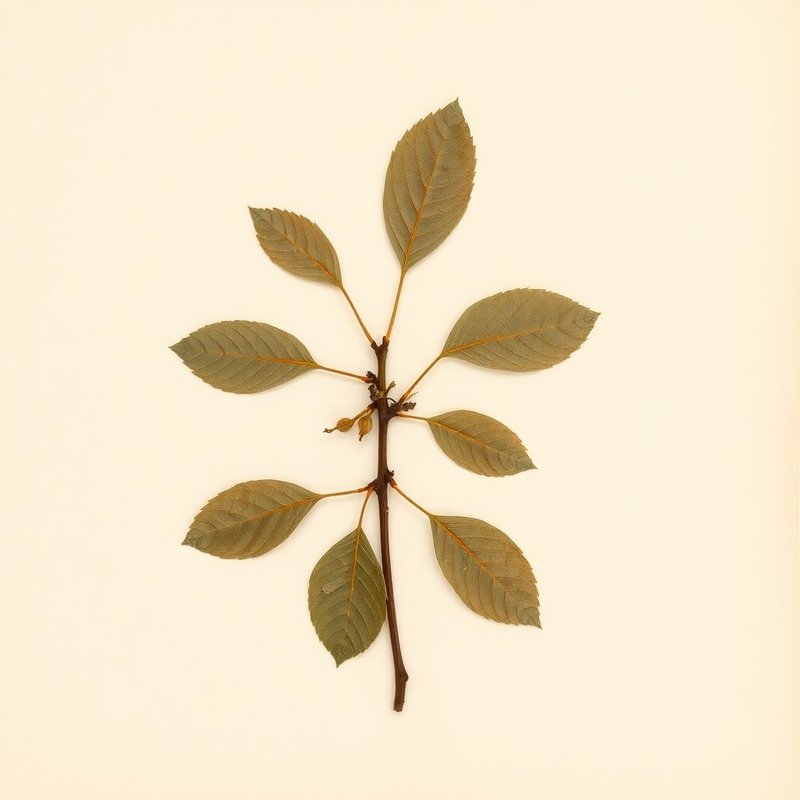

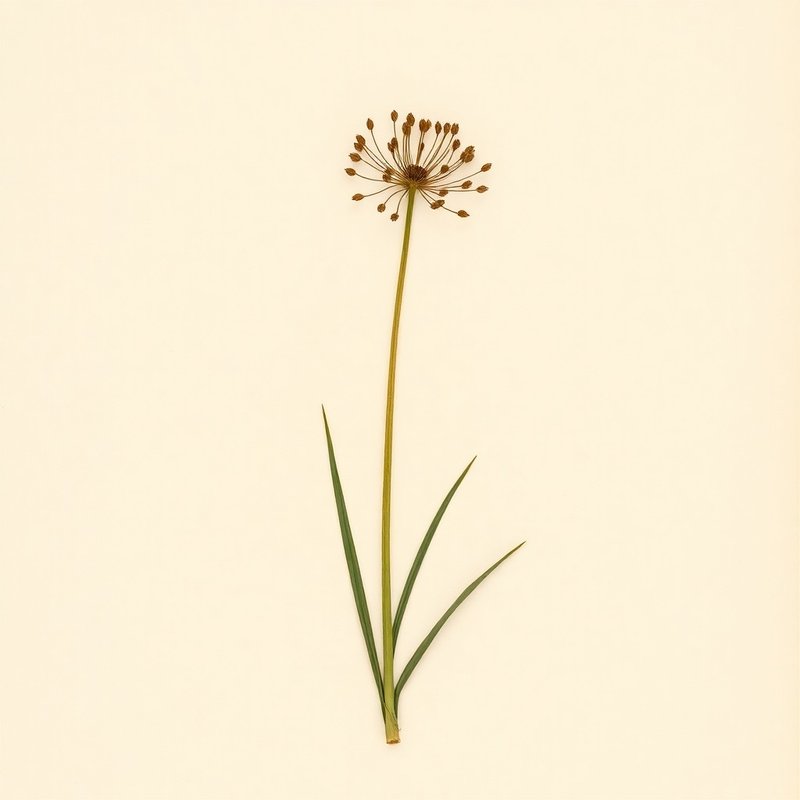
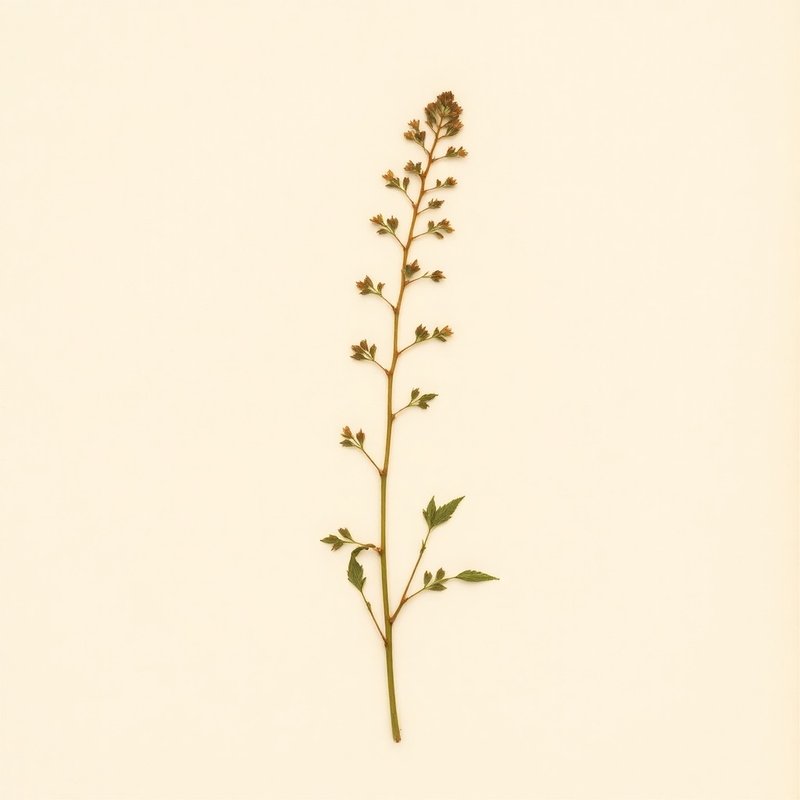

Explore further
About this entry
- Last updated
- Citation
- How to cite this entry · Submit a correction
Continue reading
Primește digest-ul săptămânal
Un email curat pe săptămână — profile noi de plante, note sezoniere de cultivare, adăugiri în arhiva de remedii. Gratuit, fără tracking, dezabonare oricând.