
Rhus punjabensis
Rhus punjabensisfam. Anacardiaceae
Educational content — not medical, botanical, or professional advice. Plant identification, safety, and edibility depend on local conditions, cultivars, and correct identification. Consult a qualified botanist or forager before consuming or handling wild specimens. How we source & review →

Pl. 14D0 — Rhus punjabensis
Rhus punjabensisRhus punjabensisRhus punjabensisRhus punjabensisRhus punjabensisRhus punjabensisRhus punjabensisRhus punjabensisRhus punjabensisRhus punjabensisRhus punjabensisRhus punjabensisRhus punjabensisRhus punjabensis
IPrezentare
Prezentare
Rhus punjabensis, membră a familiei Anacardiaceae, este un arbore alimentar nativ în regiuni precum Assam, China Nord-Central, China Sud-Central, China Sud-Est, Myanmar, Pakistan, Tibet și Himalaya de Vest. Această plantă plăcute la soare se dezvoltă în condiții umide și preferă tipuri de sustrat lichid (sândal), mediu sau greu (argil). Este durabil în zonele 5-9 și poate crește până la o înălțime de 12 metri. Cunoscut pentru fructele sale alimentare, Rhus punjabensis adaugă valoare ornamentală prin formă distinctivă și adaptabilitatea sa în diverse medii.
Quick answers
What is Rhus punjabensis?
Rhus punjabensis, membră a familiei Anacardiaceae, este un arbore alimentar nativ în regiuni precum Assam, China Nord-Central, China Sud-Central, China Sud-Est, Myanmar, Pakistan, Tibet și Himalaya de Vest.
Growingconditions · propagation · uses
VCultivare
Cultivare
Rhus punjabensis se dezvoltă bine la soare plăcut și necesită sustrat umed care poate fi lichid (sândal), mediu sau greu (argil). Este durabil în zonele 5-9 și crește până la o înălțime de 12 metri. Propagează această plantă prin fructele sale, care sunt alimentare.
Light
Full sun
Water
Moist
Soil
Light (sandy), Medium, Heavy (clay)
Hardiness
5-9
Mature size
12.0 m tall
For first-time growers
How to grow Rhus punjabensis for the first time
8steps
Start with Rhus punjabensis by planting it in a sunny spot and providing basic care.
- 1
What you'll need
A young plant or seeds, a trowel, and some compost.
- 2
Best time to plant
Plant Rhus punjabensis in spring after the last frost.
- 3
Soil and container prep
Ensure the soil is well-draining with a pH between 6.0 and 7.5, and prepare a spot that gets full sun.
- 4
Sowing or transplanting
Transplant young plants or sow seeds directly into the ground at a depth of about 1 cm.
- 5
First two weeks
Water regularly to keep the soil moist but not waterlogged. Monitor for pests and diseases.
- 6
Ongoing care
Provide regular watering, especially during dry spells, and mulch around the base to retain moisture and suppress weeds.
- 7
Harvest or pruning
Prune in late winter to early spring to maintain shape and remove dead branches.
- 8
Common mistakes
Overwatering, planting in heavy clay soil, neglecting to prune, and not providing enough sunlight.
VIEdible & utility
Edible & utility
Edible parts:Fruit
Edible uses: Oil, Drink
Other uses:DyeMordantoil
Contextrange · companions · related
VIIDistribuție
8 native · 0 introduced
Distribuție
8 native · 0 introducedDistribution across1 continent· 8 native
Asia4 regions
native (4)ChinaIndiaMyanmarPakistan
Broader regions
native:West Himalaya
IXSpecimen gallery
1 image
Specimen gallery
1 imageXSee also
8 related
See also
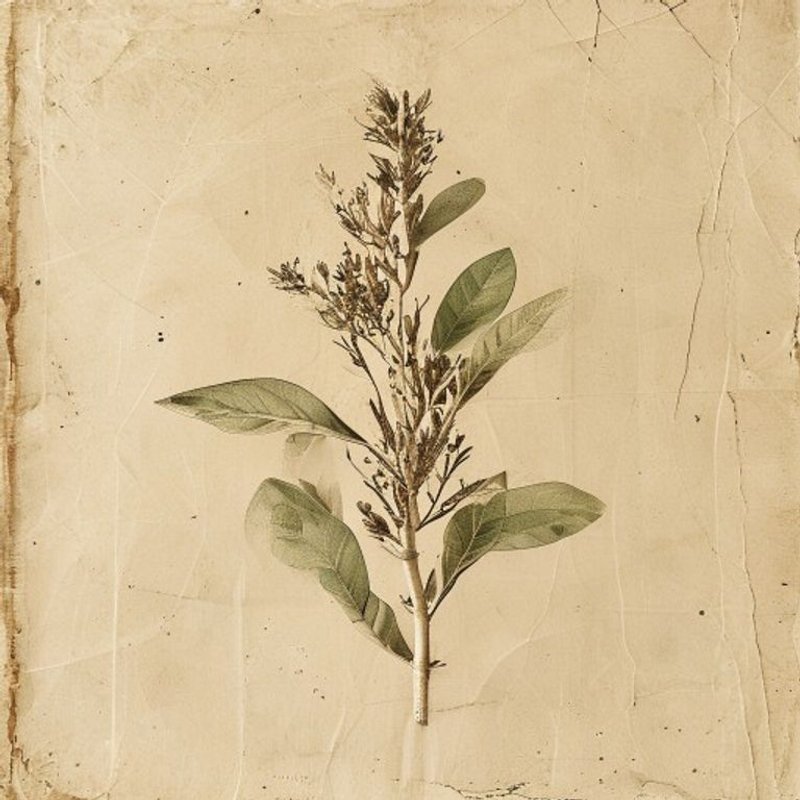
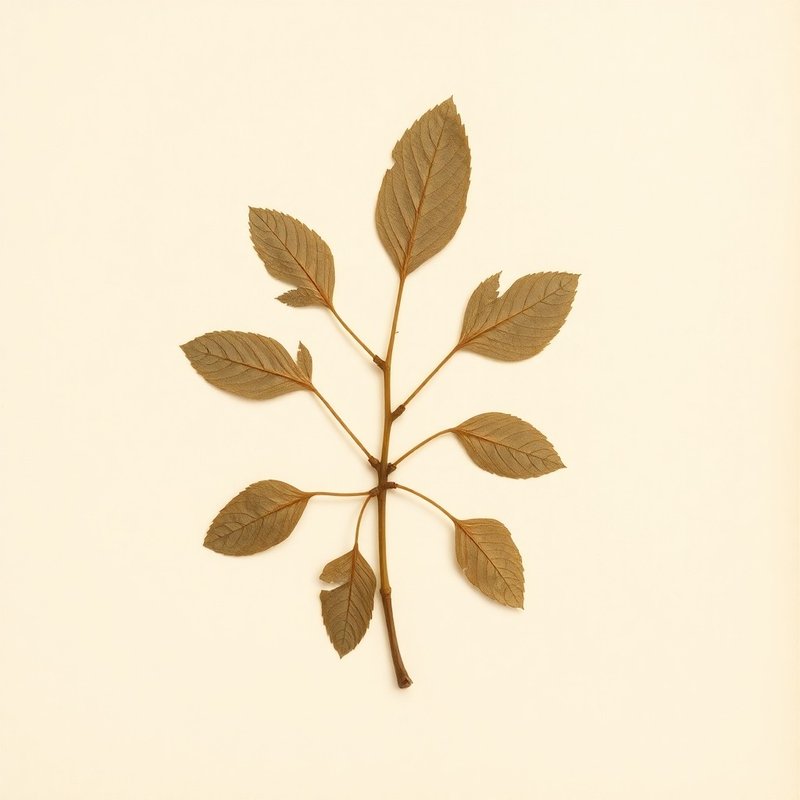
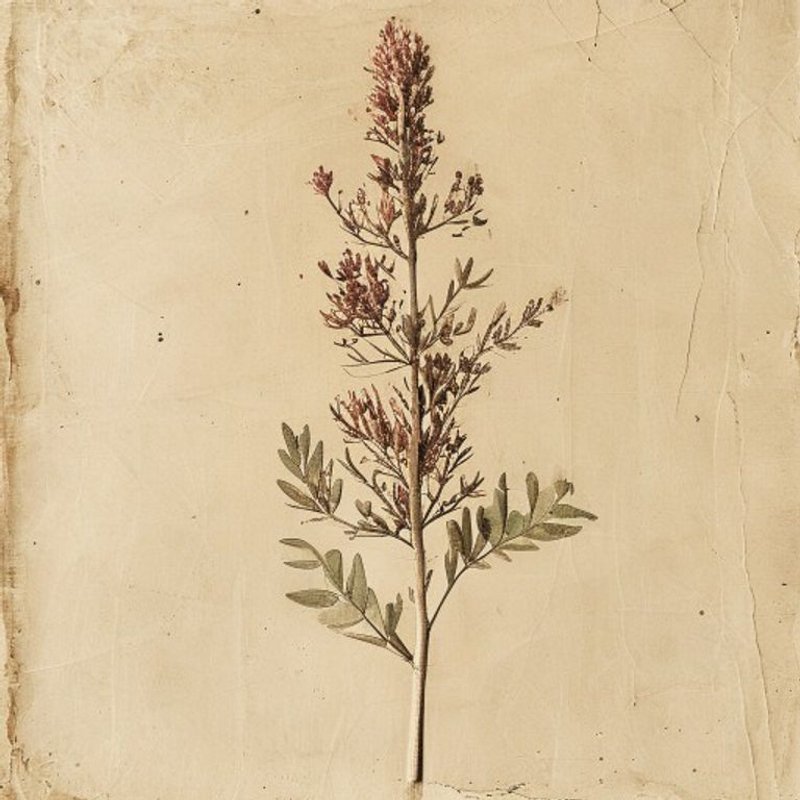
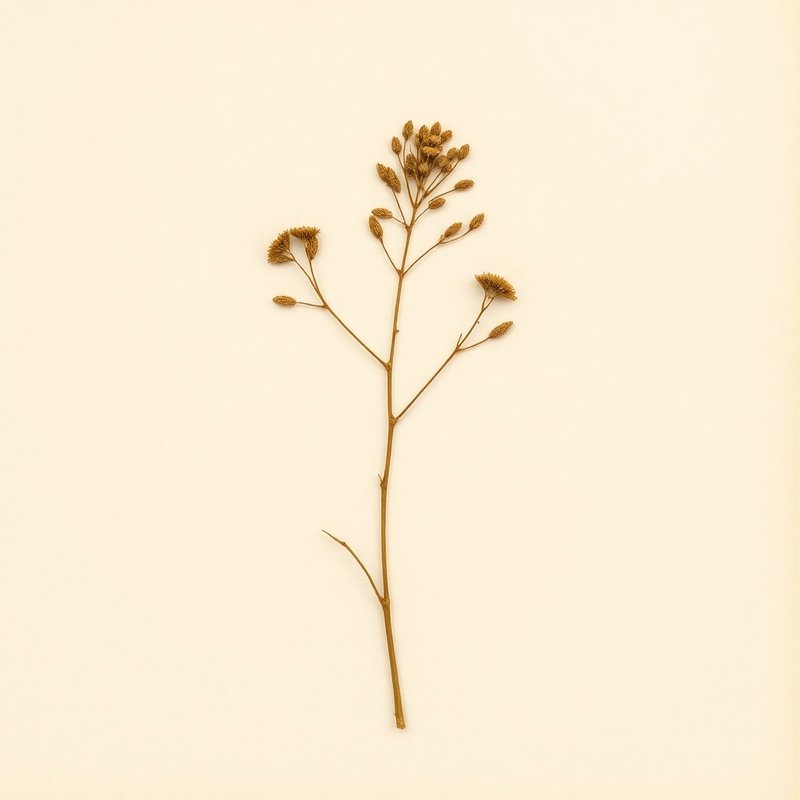
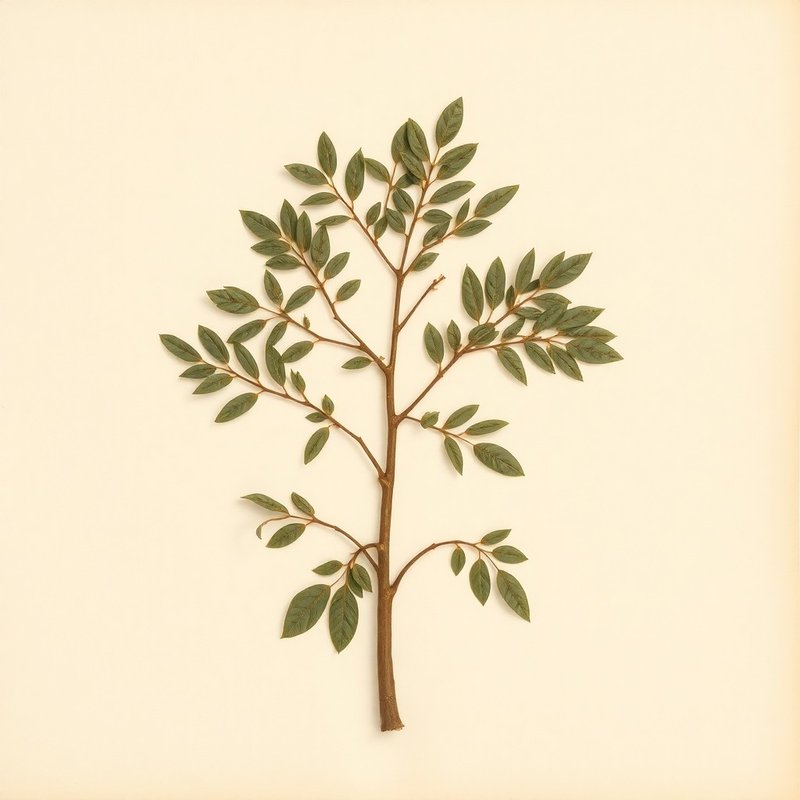
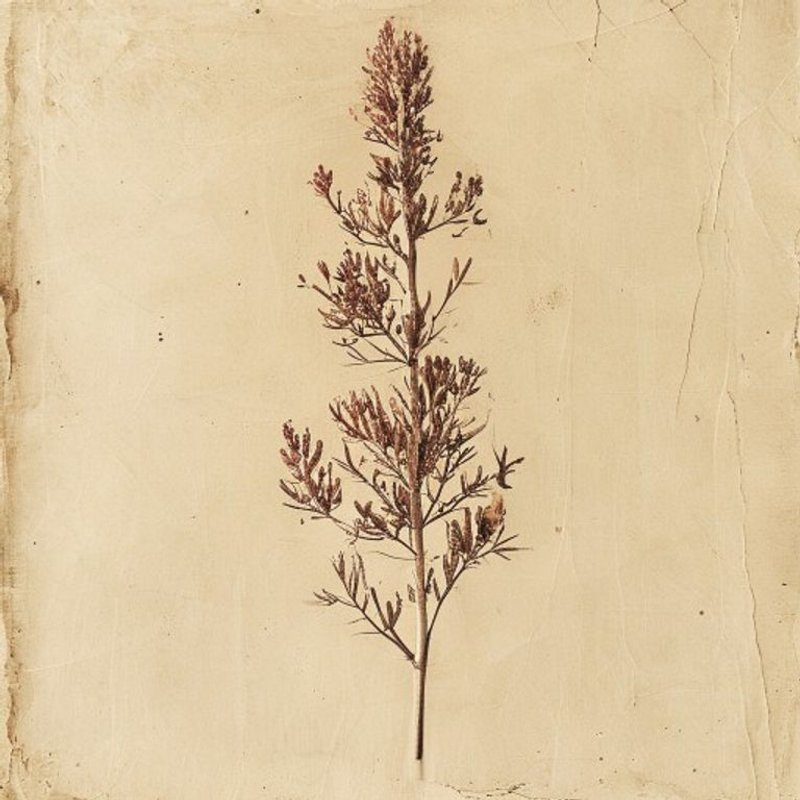
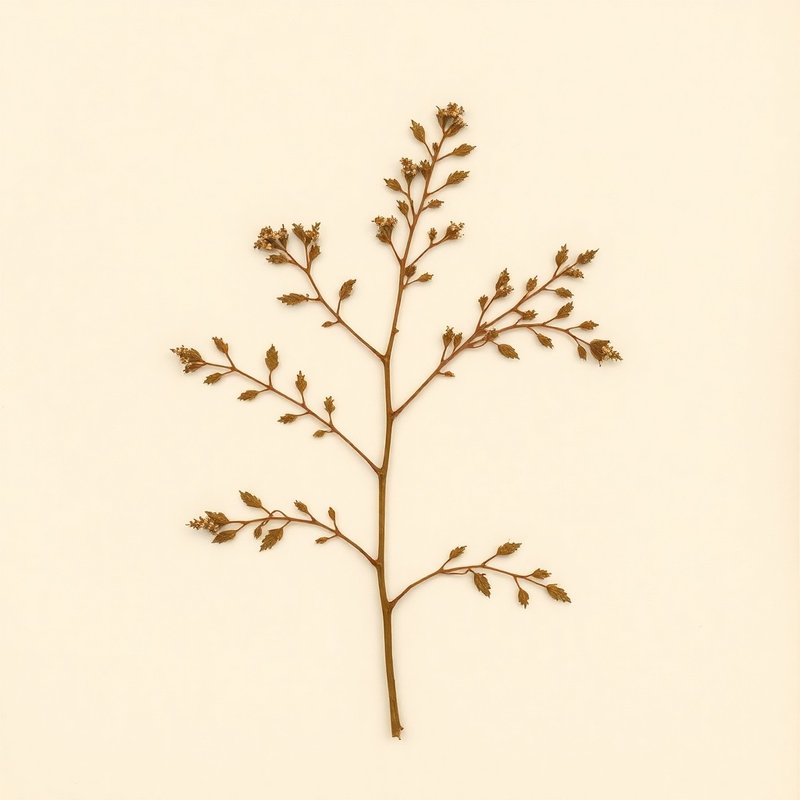
8 relatedPlants you might compare or use together — scored by shared family (Anacardiaceae), common use cases, and growing requirements.
same family · Anacardiaceae
Botanical relatives — often share phytochemistry + growing needs.

XI
Explore further
Companion planting
Compare with similar plants
Growing zone
XII
About this entry
- Last updated
- Citation
- How to cite this entry · Submit a correction
Back to the cataloguePlant id · 14d0e528-ad4c-47ef-8bac-860561b04b17
Decision aid
Choosing between Rhus punjabensis and something else?
Continue reading
❦❦❦❦
Endpaper · archive updates
Primește digest-ul săptămânal
Un email curat pe săptămână — profile noi de plante, note sezoniere de cultivare, adăugiri în arhiva de remedii. Gratuit, fără tracking, dezabonare oricând.