
Skip to content
IIIFolio · plant profile№ 5492edible
Data provenancePermapeopleTrefleWikipediaPFAFPOWOreviewed 13 Oct 2026methodology → read

Prickly Blackcurrant
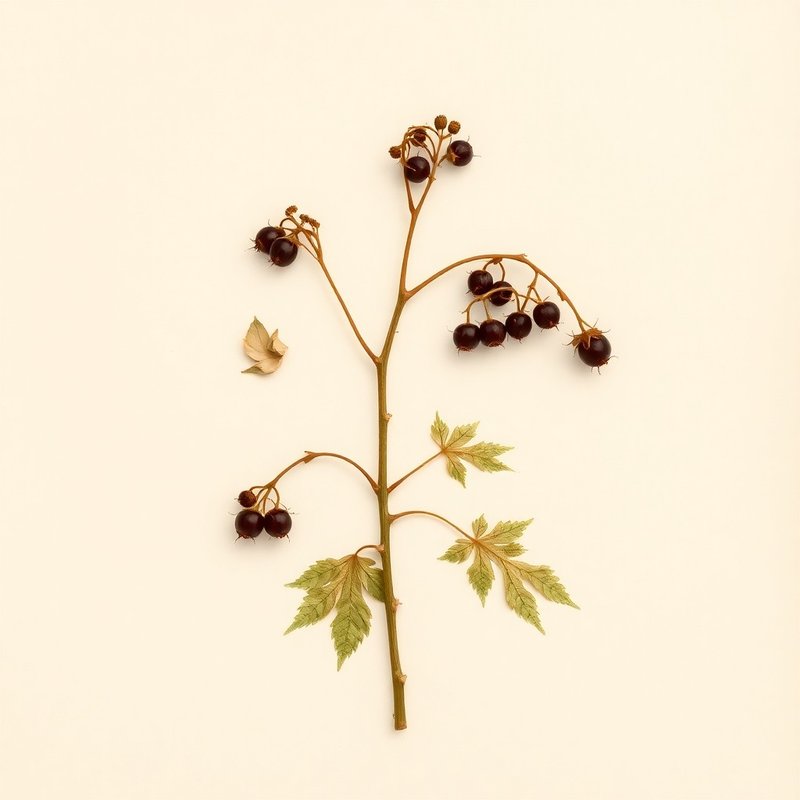
Ribes lacustre
Educational content — not medical, botanical, or professional advice. Plant identification, safety, and edibility depend on local conditions, cultivars, and correct identification. Consult a qualified botanist or forager before consuming or handling wild specimens. How we source & review →
edibleshrubsedibleedible fruitshrub
Updated·Quick Q&A →
Garden journal pausedUse profile notes below
Ribes lacustre (Prickly Blackcurrant) — botanical photograph
Pl. 5492 — Ribes lacustre
Ribes lacustreRibes lacustreRibes lacustreRibes lacustreRibes lacustreRibes lacustreRibes lacustreRibes lacustreRibes lacustreRibes lacustreRibes lacustreRibes lacustreRibes lacustreRibes lacustre
I

Prezentare

Ribes lacustre, prăcurantul poros, este un arborel nativ din regiunile nordice ale Americii de Nord, inclusiv Alaska, Alberta, British Columbia și părți ale Canadei cum ar fi Quebec și Ontario. Înflorșează în mediului umed cu lumină sau oportunități parțiale de umbra, adaptându-se la diverse terenuri. Cunoscut pentru fructele sale comestibile, acest plant crește până la 1,5 m în soluri legere (sandy), medii sau grele (clay). Preferința sa pentru un pH între 5 și 7,8 asigură că poate crește în diverse condiții. Un caracter distinctiv este porositatea sa, care ajută la protecția plantei de animale care bazează, adăugând un element ornamental în jardine.

Quick answers

What is Prickly Blackcurrant?

Ribes lacustre, prăcurantul poros, este un arborel nativ din regiunile nordice ale Americii de Nord, inclusiv Alaska, Alberta, British Columbia și părți ale Canadei cum ar fi Quebec și Ontario. Înflorșează în mediului umed cu lumină sau oportunități parțiale de umbra, adaptându-se la diverse terenuri.

Growingconditions · propagation · uses
V

Cultivare

Ribes lacustre se dezvolte în lumină plină sau parțială și preferă soluri umede, bine drenate legere (sandy), medii sau grele (clay). Este durabil în zonele 4-8 și poate crește până la 1,5 m. Ca arborel, necesita răcire regulată dar poate tolera o pușculie uneori de a se stabili. Propagează prin semințe sau cutii verzi moale. Fructul său, care este comestibil, se dezvoltă bine în regiuni temperate. Mențineți pH-ul solului între 5 și 7,8 pentru creșterea optimă.
Light
Full sun, Partial sun/shade
Water
Moist
Soil
Light (sandy), Medium, Heavy (clay)
Hardiness
4-8
Habit
Shrub
Mature size
1.5 m tall
Soil pH
5–7.8
For first-time growers

How to grow Prickly Blackcurrant for the first time

7steps

Start with a simple, low-maintenance shrub that thrives in various conditions.

  1. 1

    What you'll need

    Prickly Blackcurrant plants or seeds, garden gloves, trowel.

  2. 2

    Best time to plant

    Plant in early spring or late fall when the soil is moist and cool.

  3. 3

    Soil and container prep

    Ensure the soil is well-draining with a pH between 5 and 7.8; loosen the topsoil if planting in containers.

  4. 4

    Sowing or transplanting

    Transplant young plants from nursery pots directly into the garden, spacing them about 1 meter apart.

  5. 5

    First two weeks

    Water regularly to keep the soil moist but not waterlogged; mulch around the base for added moisture retention.

  6. 6

    Ongoing care

    Prune in late winter or early spring to remove dead or weak branches, and fertilize once a year with compost.

  7. 7

    Harvest or pruning

    Wait until summer when the fruit is ripe; prune annually after harvesting to maintain plant health.

VI

Edible & utility

Edible parts:Fruit
Edible uses: The Prickly Blackcurrant's fruit can be eaten raw or used in various preparations. Typically, the fruit is harvested when ripe and enjoyed fresh, but it can also be cooked into jams, jellies, or sauces. The berries have a tart flavor that makes them suitable for both sweet and savory dishes.
Other uses:CraftingWeaving material
Contextrange · companions · related
VII

Distribuție

40 native · 0 introduced
Distribution across1 continent· 40 native
Americas1 region
native (1)United States
Broader regions
native:Alberta, British Columbia, California, Colorado, Connecticut, Idaho, Indiana, Labrador, Maine, Manitoba, Masachusettes, Massachusetts, Michigan, Minnesota, Montana, Nevada, New Brunswick, New Hampshire, New Jersey, New Mexico, New York, Newfoundland, Northwest Territorie, Nova Scotia, Ontario, Oregon, Pennsylvania, Prince Edward I., Québec, Rhode I., Saskatchewan, South Dakota, Utah, Vermont, Virginia, Washington, West Virginia, Wisconsin, Wyoming
IX

Specimen gallery

1 image
Ribes lacustre (Prickly Blackcurrant) — botanical photograph
Prickly Blackcurrant (Ribes lacustre)
XI

Explore further

XII

About this entry

Last updated
Citation
How to cite this entry · Submit a correction
Back to the cataloguePlant id · 54920586-40c4-4e11-8338-8f1b5cefda0b
❦❦❦❦
Endpaper · archive updates

Primește digest-ul săptămânal

Un email curat pe săptămână — profile noi de plante, note sezoniere de cultivare, adăugiri în arhiva de remedii. Gratuit, fără tracking, dezabonare oricând.

Newsletter returning soon.
We are rebuilding the update list around a lightweight editorial workflow. New dispatches will resume after the next content review cycle.
iCare notes