
Chesapeake blackberry
IPrezentare
Prezentare
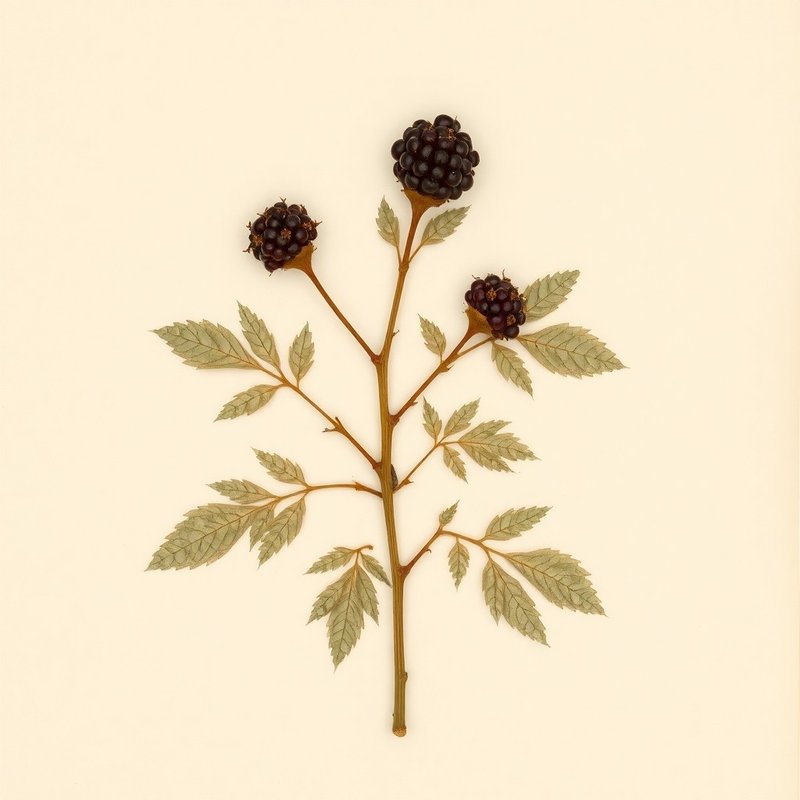
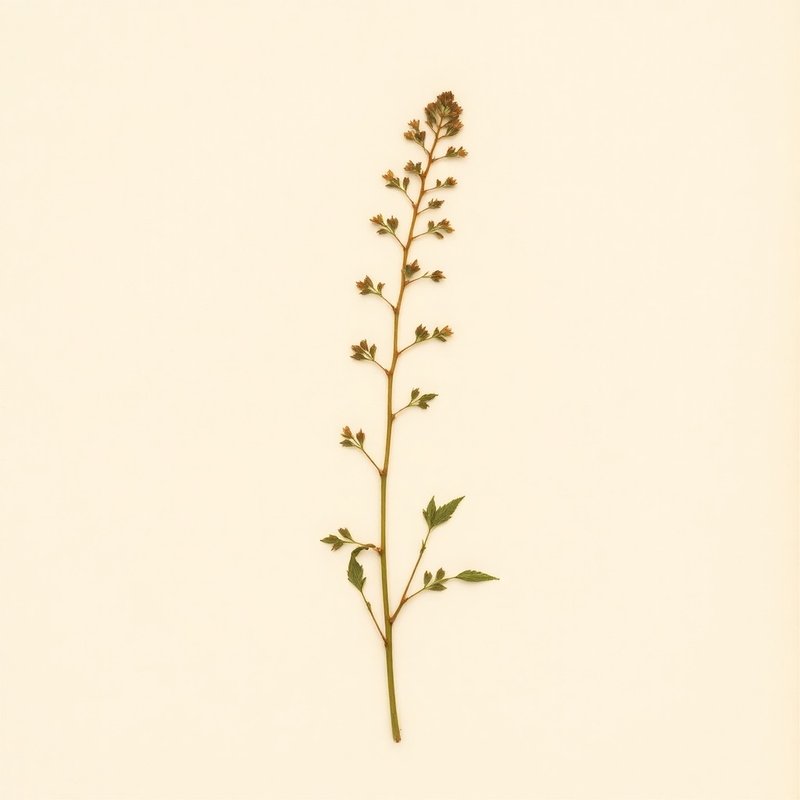
Cerbela Chesapeake (Rubus pascuus), cunoscută în limba latină sub numele de Rubus pascuus, este un subarbust nativ din Provinciile de Nord și Swaziland. Această plantă se dezvoltă în habitaturi luminoase, tolerând atât soarta plină cât și cea parțial umbrată. Prefere condițiile umide și poate crește bine în diferite tipuri de soluri, inclusiv soluri ușoare (sandy), medii și grele (clay). Fructul al cerbelei Chesapeake este consumabil, făcându-l un resursă valorosă pentru cei familiarizați cu utilizarea sa. Adaptabilitatea sa la diferite condiții de creștere o face o adaugare interesantă în gardenuri sau zone naturale unde poate oferi atât valoare ornamentală cât și consumabilă.
What is Chesapeake blackberry?
Cerbela Chesapeake (Rubus pascuus), cunoscută în limba latină sub numele de Rubus pascuus, este un subarbust nativ din Provinciile de Nord și Swaziland. Această plantă se dezvoltă în habitaturi luminoase, tolerând atât soarta plină cât și cea parțial umbrată.
What is Chesapeake blackberry used for?
Traditionally used for digestion. Each claim is evidence-rated — see Section II for full citations.
IIBeneficii și dovezi
1 claim · traditional-use context
Beneficii și dovezi
1 claim · traditional-use context- Blackberries, including Chesapeake blackberry, have been traditionally used in European herbalism to support digestive health. A decoction of the fruit may help alleviate minor gastrointestinal discomfort.
The presence of tannins and flavonoids in blackberries is thought to contribute to their astringent properties, which can soothe irritated tissues in the gut.
▲ ModerateDigestion →
IV·bMixology suggestions
1 draft
Mixology suggestions
1 draftVCultivare
Cultivare
How to grow Chesapeake blackberry for the first time
Start with planting Chesapeake blackberry in a sunny spot and follow these beginner-friendly steps.
- 1
What you'll need
A healthy Chesapeake blackberry plant or seeds, garden soil, compost, and mulch.
- 2
Best time to plant
Plant in early spring when the ground is workable or in late summer for a fall harvest.
- 3
Soil and container prep
Ensure the soil is well-draining with a pH between 6.0 and 7.0, and prepare containers if needed.
- 4
Sowing or transplanting
Transplant young plants from nursery pots directly into the garden or sow seeds in trays and then transplant.
- 5
First two weeks
Water regularly to keep soil moist but not waterlogged, and protect from extreme weather conditions.
- 6
Ongoing care
Provide full sun for at least 6 hours a day, prune annually in late winter, and mulch around the base.
- 7
Harvest or pruning
Prune after harvest to maintain plant health and encourage new growth; wait until spring for fruiting canes removal.
- 8
Common mistakes
Overwatering, planting in heavy clay soil, neglecting winter protection, and not providing enough sunlight.
VIEdible & utility
Edible & utility
VIIDistribuție
2 native · 19 introduced
Distribuție
2 native · 19 introducedIXSpecimen gallery
1 image
Specimen gallery
1 imageXSee also
8 related
See also
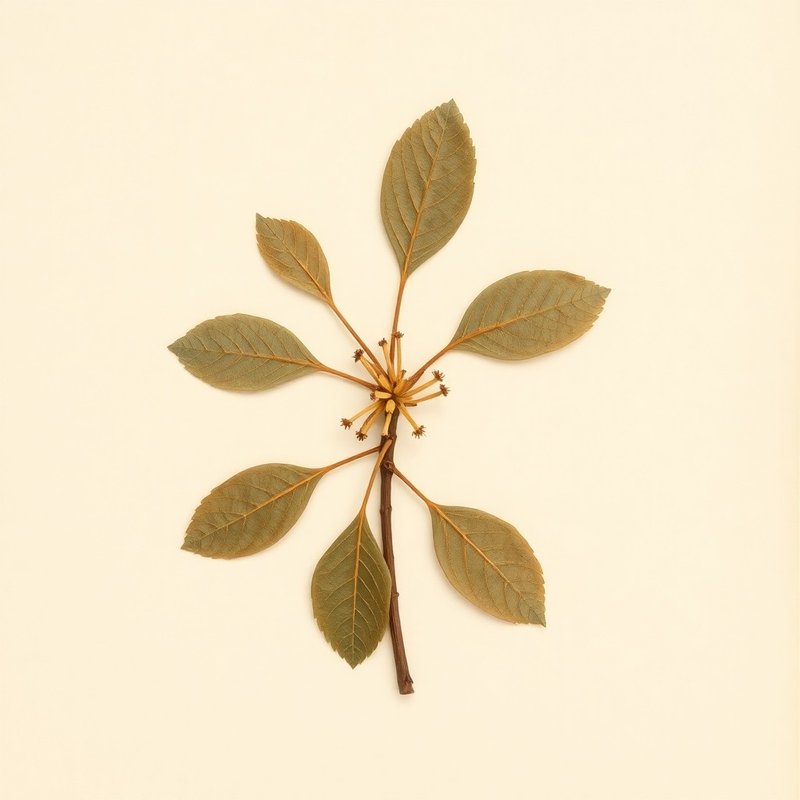
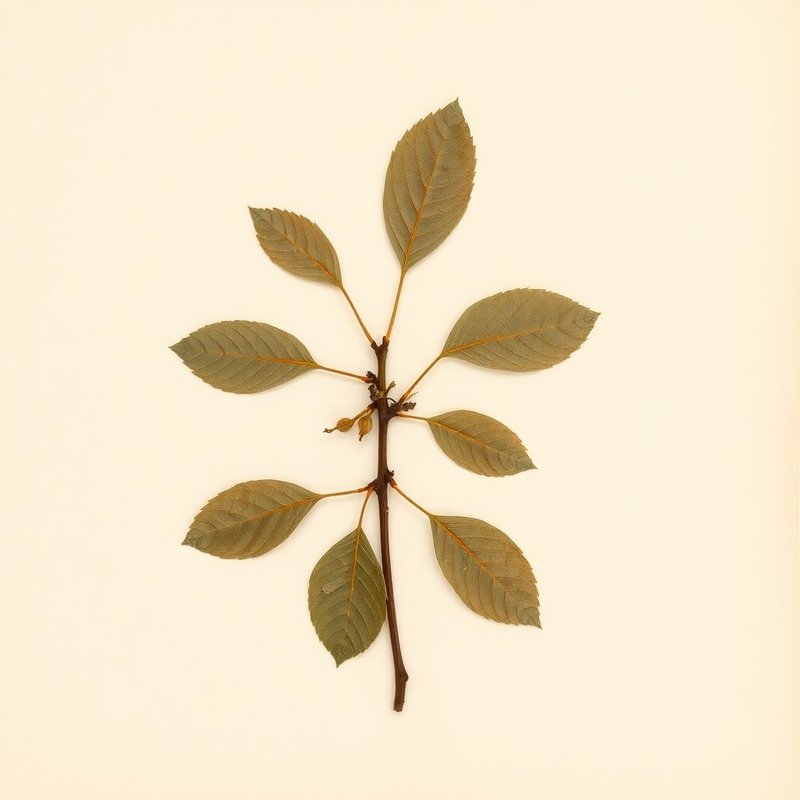
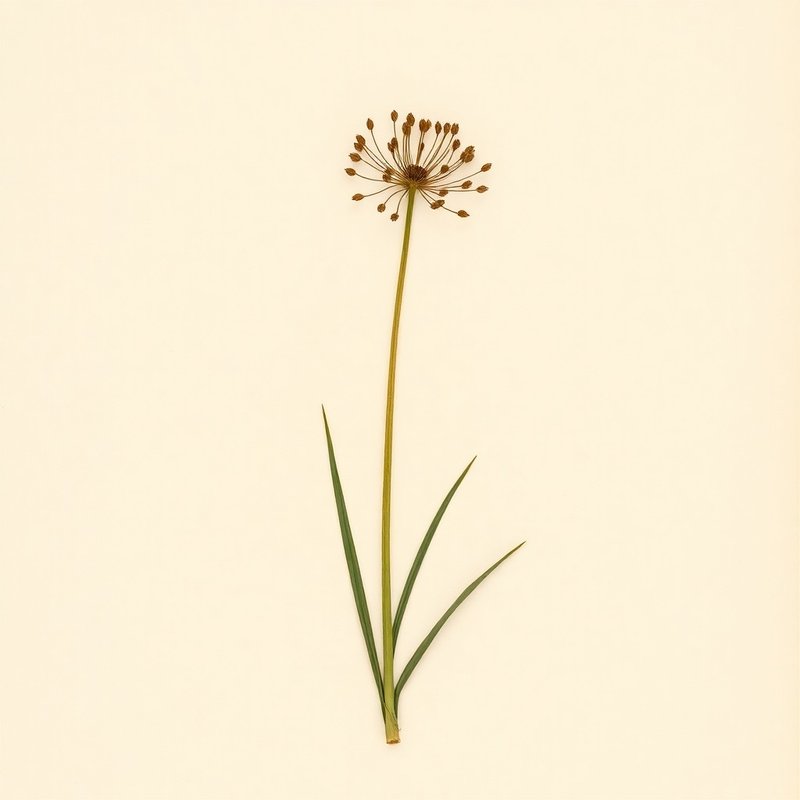
8 relatedPlants you might compare or use together — scored by shared family, common use cases, and growing requirements.



Explore further
About this entry
- Last updated
- Citation
- How to cite this entry · Submit a correction
Continue reading
Primește digest-ul săptămânal
Un email curat pe săptămână — profile noi de plante, note sezoniere de cultivare, adăugiri în arhiva de remedii. Gratuit, fără tracking, dezabonare oricând.