Skip to content
IIIFolio · plant profile№ EDEEmedicinal · edible
Data provenancePermapeopleTreflePFAFPOWOeditorially reviewedreviewed 20 Oct 2026methodology → read
Home/Plants/Rosaceae

Rubus rhamnifolius

Rubus rhamnifoliusfam. Rosaceae
Educational content — not medical, botanical, or professional advice. Always consult a qualified clinician before using any herbal preparation — especially during pregnancy, breastfeeding, while on medication, or for children. How we source & review →
medicinaledibleshrubsedibleedible fruitmedicinalnative eushrub
Updated·Quick Q&A →
Garden journal pausedUse profile notes below
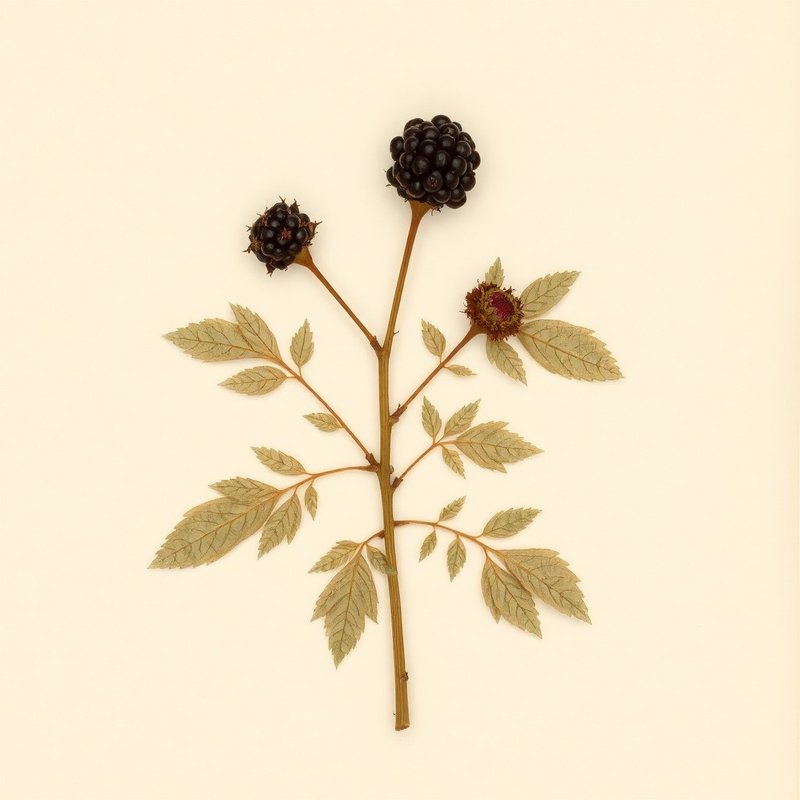
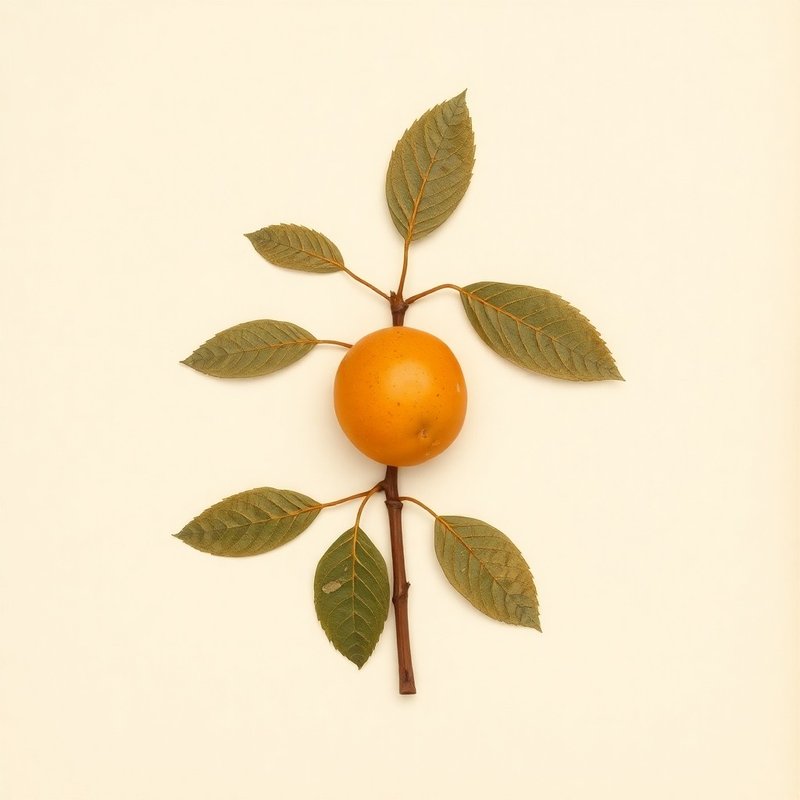
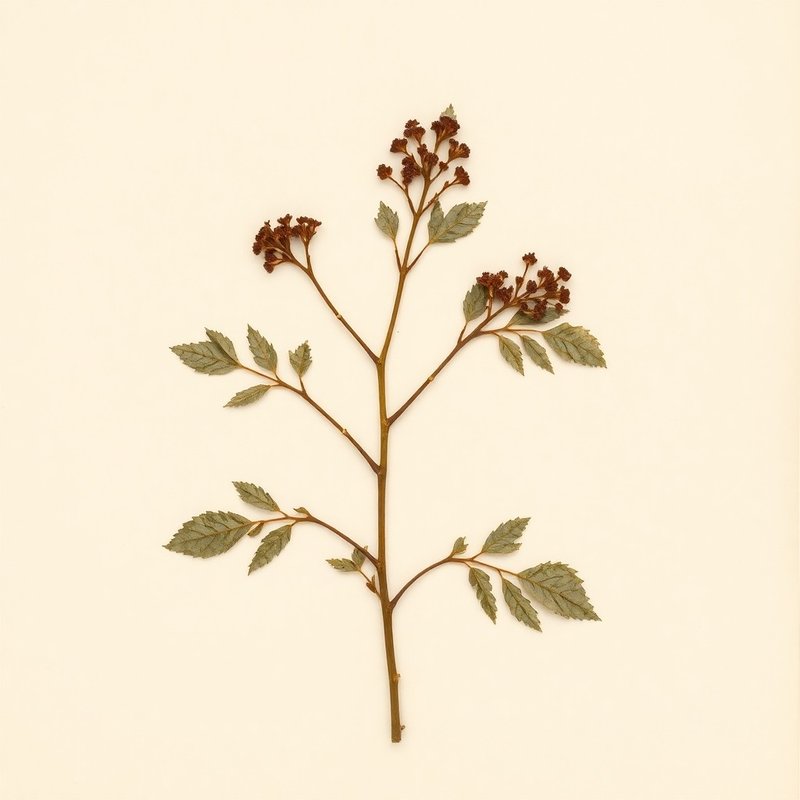
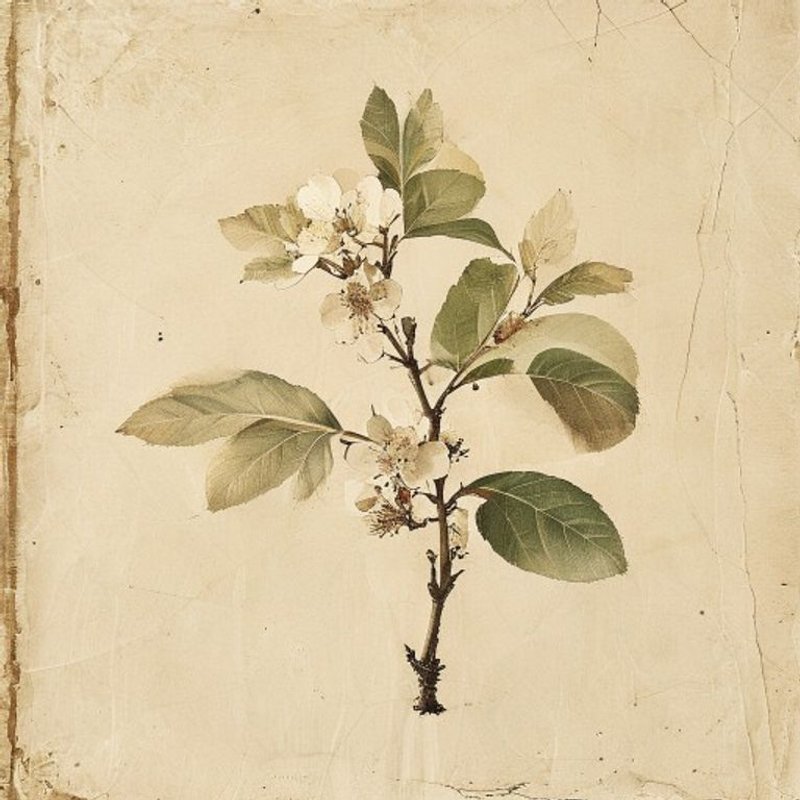
Rubus rhamnifolius (Rubus rhamnifolius) — botanical photograph
Pl. EDEE — Rubus rhamnifolius
Rubus rhamnifoliusRubus rhamnifoliusRubus rhamnifoliusRubus rhamnifoliusRubus rhamnifoliusRubus rhamnifoliusRubus rhamnifoliusRubus rhamnifoliusRubus rhamnifoliusRubus rhamnifoliusRubus rhamnifoliusRubus rhamnifoliusRubus rhamnifoliusRubus rhamnifolius
I

Prezentare

Rubus rhamnifolius, cunoscut sub numele de netețel alb sau dewberry european, este un membru al familiei Rosaceae și este nativ în anumite părți ale Europei, inclusiv Belgia, Franța, Germania, Regatul Unit și Pațerea. Această plantă este valoroasă atât pentru fructele sale comestibile, cât și pentru utilizările medicinale documentate. Caracteristicile sălbaticului sale includ cerințele de apă ușoare și umide cu preferințe pentru diverse tipuri de sol - liniștit (sândal), mediu și greu (argila) - și un interval de pH de 6,5 la 7. Fructul, care este partea comestibilă, face din această plantă o adăugare utilă în gardeni sau zone selvate unde poate floreza sub aceste condiții.

Quick answers

What is Rubus rhamnifolius?

Rubus rhamnifolius, cunoscut sub numele de netețel alb sau dewberry european, este un membru al familiei Rosaceae și este nativ în anumite părți ale Europei, inclusiv Belgia, Franța, Germania, Regatul Unit și Pațerea.

Compare with:Alleghany Blackberry→Dewberry→Hautbois Strawberry→all comparisons →
IV·b

Mixology suggestions

2 drafts
Editorial drafts. These pairings are AI-suggested from traditional herbal lore. Always verify with a qualified herbalist before brewing.
Evening Calm
sleep
tea
Traditional bedtime infusion.
Digestive Ease
digestion
tincture
Used for digestive issues.
Growingconditions · propagation · uses
V

Cultivare

Rubus rhamnifolius se dezvolte bine în soluri umide și bine aeriate care sunt liniștite (sândal), mediu sau grele (argila). Prefere un interval de pH de 6,5 la 7 și necesită lumină plină sau parțială cu expozție moderată la lumina. Pentru cultivarea acesteia, asigurați-vă că solul este constant umed, dar nu încheiat cu apă. Propagarea se poate face prin semințe sau prin împărțirea plantelor stabilite. Plantul este ușor de păstrat în zonele temperate și este nativ în Belgia, Franța, Germania, Regatul Unit și Pațerea. Înainte de a recolta fructele sale comestibile, asigurați-vă că sunt maturi pentru un gust delicios.
Light
6/10
Water
Moist
Soil
Light (sandy), Medium, Heavy (clay)
Soil pH
6.5–7
For first-time growers

How to grow Rubus rhamnifolius for the first time

8steps

Start with a simple planting of Skip to gain experience in growing brambles.

  1. 1

    What you'll need

    A small plant or seeds, a trowel, and mulch.

  2. 2

    Best time to plant

    Plant in early spring or late summer for best results.

  3. 3

    Soil and container prep

    Ensure the soil is well-draining with a pH between 6.5 and 7.

  4. 4

    Sowing or transplanting

    Transplant young plants or sow seeds directly into the ground, spacing them about 2 feet apart.

  5. 5

    First two weeks

    Keep the soil moist but not waterlogged during this critical period.

  6. 6

    Ongoing care

    Provide regular watering and mulch to retain moisture. Prune annually for better fruiting.

  7. 7

    Harvest or pruning

    Prune in late winter before new growth starts, removing old canes and weak branches.

  8. 8

    Common mistakes

    Overwatering, planting too deep, neglecting to prune, not providing enough support for the canes.

VI

Edible & utility

Edible parts:Fruit
Edible uses: The fruit of Rubus rhamnifolius is edible and can be eaten raw or used in various preparations. It is often harvested when ripe and consumed fresh for its sweet taste. The fruit can also be dried to preserve it for later use.
Other uses:Dye
Contextrange · companions · related
VII

Distribuție

5 native · 0 introduced
Distribution across1 continent· 5 native
Europe5 regions
native (5)BelgiumFranceGermanyNetherlandsUnited Kingdom
IX

Specimen gallery

1 image
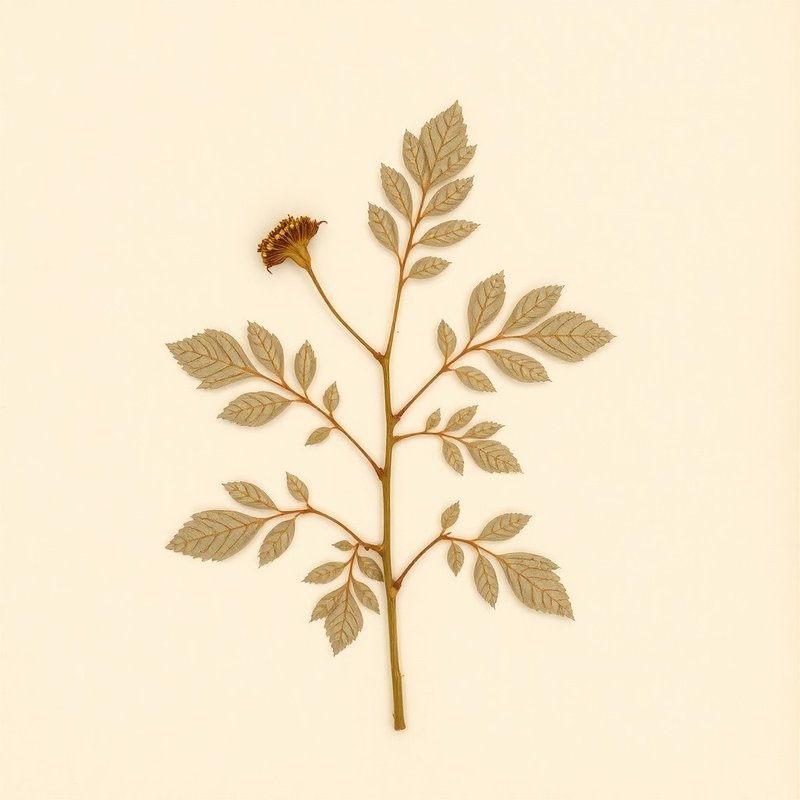
Rubus rhamnifolius (Rubus rhamnifolius) — botanical photograph
Rubus rhamnifolius (Rubus rhamnifolius)
X

See also

8 related
XI

Explore further

XII

About this entry

Last updated
Citation
How to cite this entry · Submit a correction
Back to the cataloguePlant id · edee3609-0669-46ad-8eda-41a99a8a9565
❦❦❦❦
Endpaper · archive updates

Primește digest-ul săptămânal

Un email curat pe săptămână — profile noi de plante, note sezoniere de cultivare, adăugiri în arhiva de remedii. Gratuit, fără tracking, dezabonare oricând.

Newsletter returning soon.
We are rebuilding the update list around a lightweight editorial workflow. New dispatches will resume after the next content review cycle.
iCare notes