
Sambucus racemosa kamtschatica
IPrezentare
Prezentare
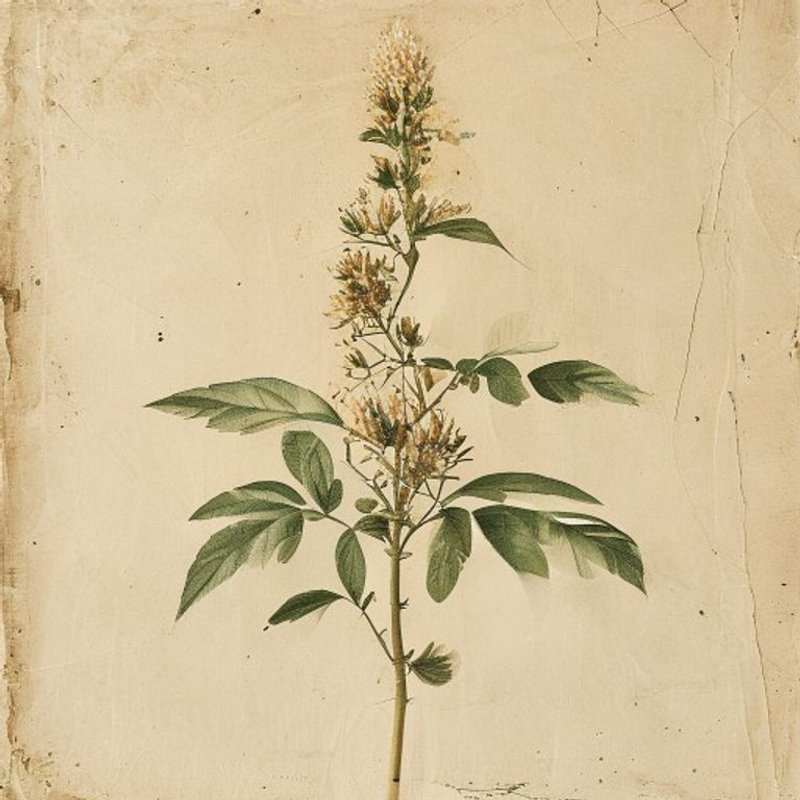
Sambucus racemosa kamtschatica, cunoscută sub numele de elderberry din Kamchatka, este un arbore sau un zarzavat decidu. Este originar în Asia de Nord și Alaska. Thrives în soluri umede și bine drenate și preferă soarele plină sau parte a zilei. Consemnat pentru flori și fructe comestibile, această plantă este valorificată pentru utilizările culinare sale. Un caracter distinctiv al Sambucus racemosa kamtschatica este capacitatea sa de a crește într-un spectru larg de tipuri de sol, de la soiuri ușoare (sandy) până la soluri grele (clay), făcând-o adaptabilă în diverse mediuni. Hardiness spans zones 4-8, allowing it to survive winter temperatures down to -30°C (-22°F).
What is Sambucus racemosa kamtschatica?
Sambucus racemosa kamtschatica, cunoscută sub numele de elderberry din Kamchatka, este un arbore sau un zarzavat decidu. Este originar în Asia de Nord și Alaska. Thrives în soluri umede și bine drenate și preferă soarele plină sau parte a zilei.
What is Sambucus racemosa kamtschatica used for?
Traditionally used for digestion. Each claim is evidence-rated — see Section II for full citations.
IIBeneficii și dovezi
1 claim · traditional-use context
Beneficii și dovezi
1 claim · traditional-use context- Traditional-use note: Sambucus racemosa kamtschatica appears in herbal sources around after-meal comfort traditions, often as a decoction. PlantSage presents this as ethnobotanical context, not as medical advice.
Traditional context only. This reviewed claim keeps the original low confidence level, but avoids treatment, disease, dosage, or guaranteed-effect language.
▲ LimitedDigestion →
IV·bMixology suggestions
1 draft
Mixology suggestions
1 draftVCultivare
Cultivare
How to grow Sambucus racemosa kamtschatica for the first time
Start with a simple planting of Sambucus racemosa kamtschatica to enjoy its benefits without much hassle.
- 1
What you'll need
A young plant or seeds, a trowel, and some compost.
- 2
Best time to plant
Plant in spring after the last frost or in fall before the first freeze.
- 3
Soil and container prep
Ensure soil is well-draining with a pH between 6.0 and 7.5; prepare containers at least 30 cm deep.
- 4
Sowing or transplanting
Transplant young plants in early spring, or sow seeds indoors 8-10 weeks before the last frost.
- 5
First two weeks
Water regularly to keep soil moist; avoid overwatering. Place in a partially shaded area.
- 6
Ongoing care
Provide full sun to partial shade, water when dry, and mulch around the base for moisture retention.
- 7
Harvest or pruning
Prune in late winter before new growth; harvest flowers and fruits as needed.
- 8
Common mistakes
Overwatering, planting in heavy clay soil, not providing enough sunlight, neglecting to prune, and using chemical fertilizers.
VIEdible & utility
Edible & utility
IXSpecimen gallery
1 image
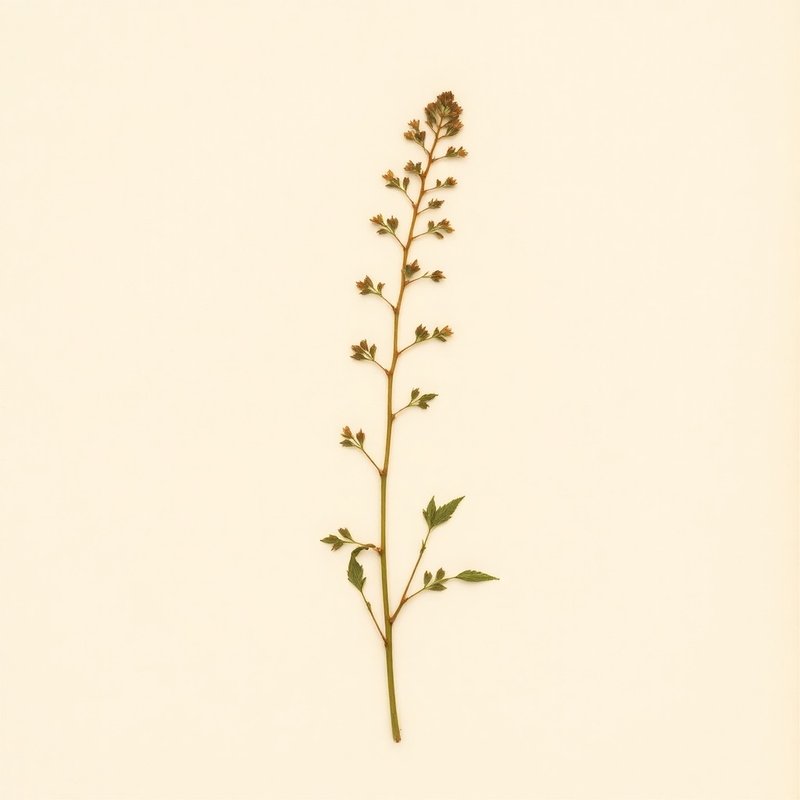
Specimen gallery
1 imageXSee also
8 related
See also
8 relatedPlants you might compare or use together — scored by shared family, common use cases, and growing requirements.



Explore further
About this entry
- Last updated
- Citation
- How to cite this entry · Submit a correction
Continue reading
Primește digest-ul săptămânal
Un email curat pe săptămână — profile noi de plante, note sezoniere de cultivare, adăugiri în arhiva de remedii. Gratuit, fără tracking, dezabonare oricând.