
Triticum bicorne
IPrezentare
Prezentare
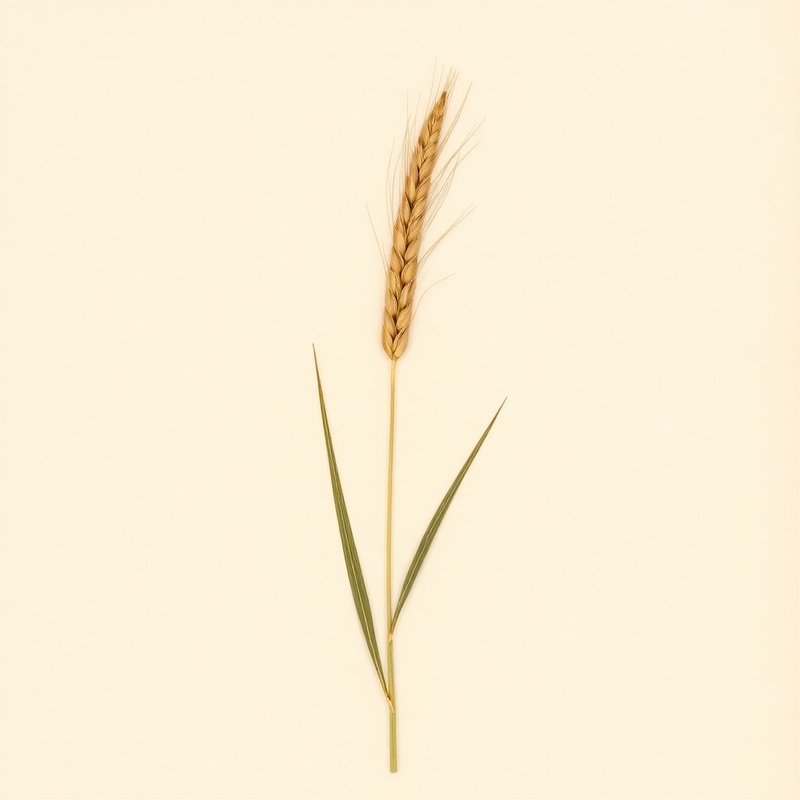
Triticum bicorne, cunoscut sub numele de grâu de copac, este o formă de grâu nativ în regiunea mediteraneană de est, inclusiv Cipru, Egipt, Kuwait, Liban-Siria, Libia, Palestina și Sinai. Acest graminoid anual este cultivat pentru semințele sale alimentare, care sunt bogate în nutrienți. Înflorșează cu bine în condiții umide cu sustrat de tip scăpăr, mediu sau greu (argila), preferând un interval pH de 7 la 7,5. Un caracteristică distinctivă a Triticum bicorne este forma sa unică, caracterizată de două corni semnificative, care îl distinge de alte varietăți de grâu.
What is Triticum bicorne?
Triticum bicorne, cunoscut sub numele de grâu de copac, este o formă de grâu nativ în regiunea mediteraneană de est, inclusiv Cipru, Egipt, Kuwait, Liban-Siria, Libia, Palestina și Sinai. Acest graminoid anual este cultivat pentru semințele sale alimentare, care sunt bogate în nutrienți.
VCultivare
Cultivare
How to grow Triticum bicorne for the first time
Start with growing Skip as a simple annual crop, focusing on basic soil preparation and care.
- 1
What you'll need
A packet of Skip seeds, a small garden plot or container, and some basic gardening tools like a spade and rake.
- 2
Best time to plant
Plant in early spring when the soil is workable and temperatures are mild.
- 3
Soil and container prep
Choose a location with well-draining soil that's slightly acidic to neutral (pH 7-7.5). Loosen the soil to about 12 inches deep, removing any weeds or debris.
- 4
Sowing or transplanting
Sow seeds directly into the ground at a depth of about an inch and space them about six inches apart. Water gently after planting.
- 5
First two weeks
Keep the soil consistently moist but not waterlogged during this critical period. Monitor for any signs of pests or diseases.
- 6
Ongoing care
Water regularly, especially during dry spells, and ensure the soil remains moist but not soggy. Fertilize lightly with compost if needed.
- 7
Harvest or pruning
Once the seeds are mature, typically after about three months, carefully harvest them by cutting down the stalks just above ground level.
VIEdible & utility
Edible & utility
VIIDistribuție
7 native · 0 introduced
Distribuție
7 native · 0 introducedIXSpecimen gallery
1 image
Specimen gallery
1 imageXSee also
8 related
See also
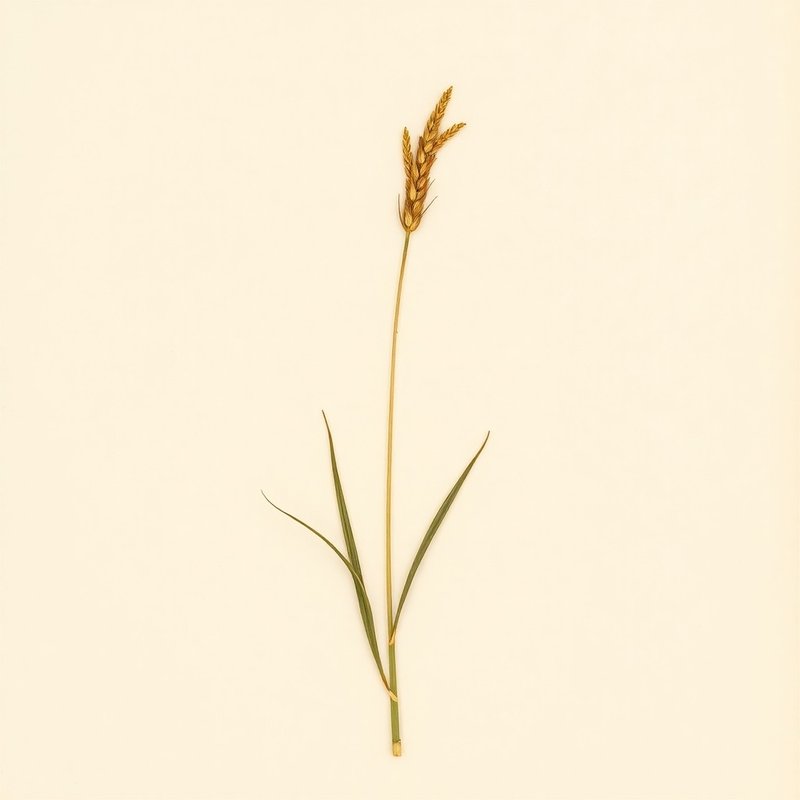
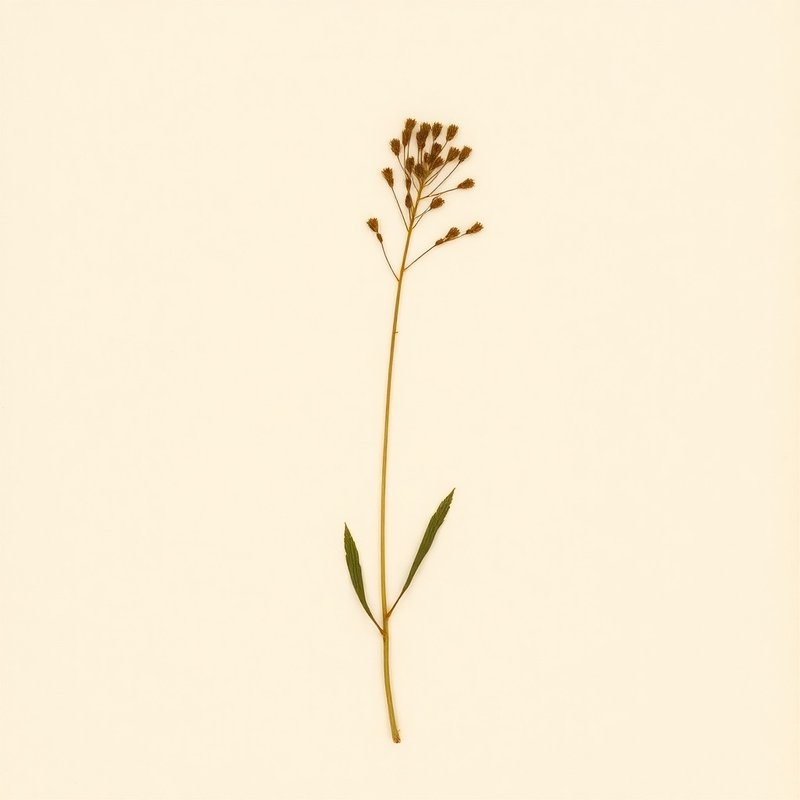
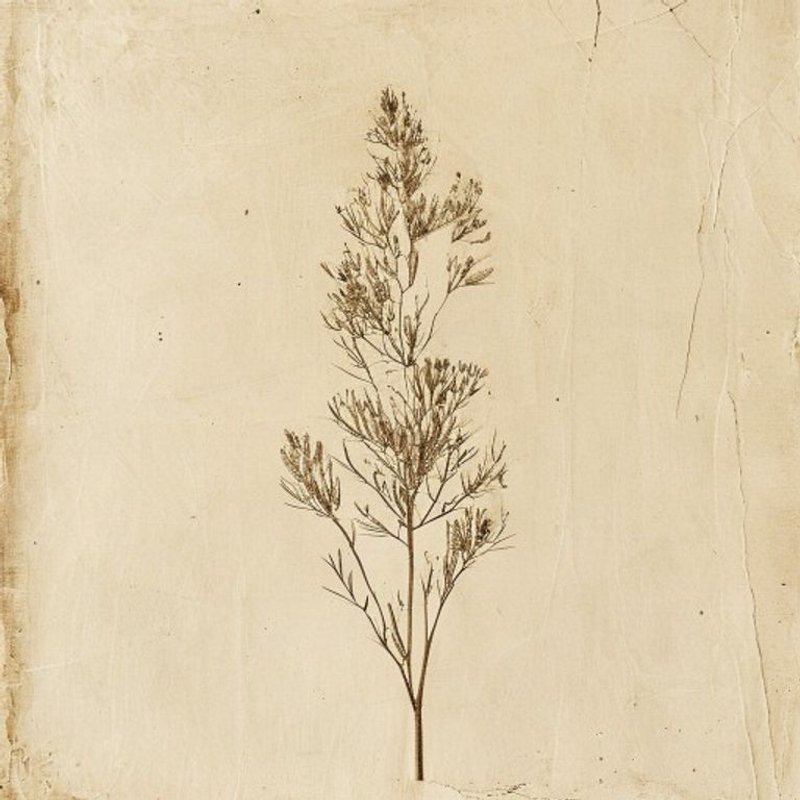
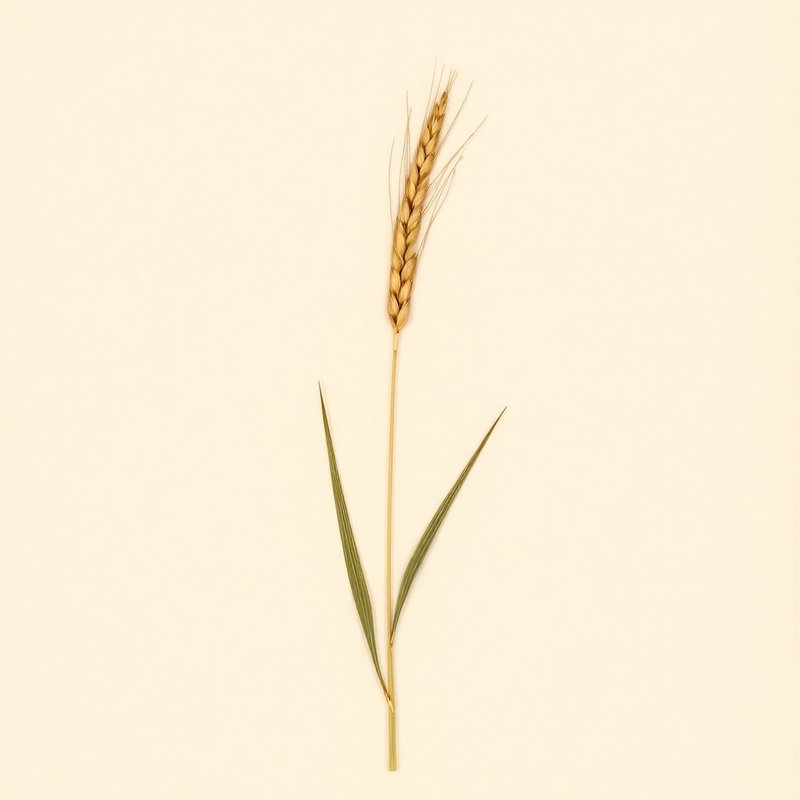
8 relatedPlants you might compare or use together — scored by shared family (Poaceae), common use cases, and growing requirements.

Explore further
About this entry
- Last updated
- Citation
- How to cite this entry · Submit a correction
Continue reading
Primește digest-ul săptămânal
Un email curat pe săptămână — profile noi de plante, note sezoniere de cultivare, adăugiri în arhiva de remedii. Gratuit, fără tracking, dezabonare oricând.