
Triticum bicorne
Triticum bicornefam. Poaceae
Educational content — not medical, botanical, or professional advice. Plant identification, safety, and edibility depend on local conditions, cultivars, and correct identification. Consult a qualified botanist or forager before consuming or handling wild specimens. How we source & review →
Garden journal pausedUse profile notes below
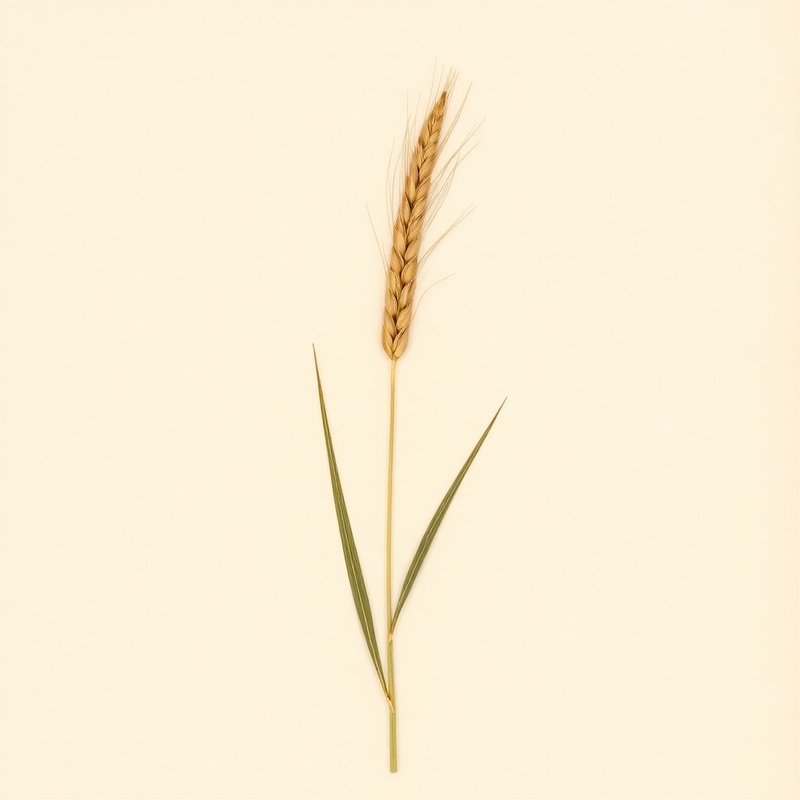
Pl. BB40 — Triticum bicorne
Triticum bicorneTriticum bicorneTriticum bicorneTriticum bicorneTriticum bicorneTriticum bicorneTriticum bicorneTriticum bicorneTriticum bicorneTriticum bicorneTriticum bicorneTriticum bicorneTriticum bicorneTriticum bicorne
IOverview
Overview
Triticum bicorne, commonly known as emmer wheat, is an annual graminoid native to the eastern Mediterranean region, including Cyprus, Egypt, Kuwait, Lebanon-Syria, Libya, Palestine, and Sinai. This ancient form of wheat is distinguished by its two prominent seed horns, setting it apart from other varieties. Emmer wheat thrives in a variety of soil types—light (sandy), medium, or heavy (clay)—and prefers a pH range of 7 to 7.5, making it adaptable to different growing conditions within its native habitat. The edible seeds of Triticum bicorne are rich in nutrients and can be consumed raw or cooked. Typically, the harvested seeds are used in various culinary applications, although specific preparation methods are not detailed in the provided data. This wheat is cultivated for its nutritious value and has been an important crop in the region for centuries. Triticum bicorne prefers moist conditions but is adaptable to different environments found in its native range. It requires ample sunlight for optimal growth, with a light requirement of 9 out of 10. Cultivation summaries indicate that it performs well in temperate regions and can be propagated through seed sown directly into the ground. While Triticum bicorne is primarily cultivated for its edible seeds, it also has utility as biomass, mulch, textiles, and a source of starch. Its distinctive features—such as the two prominent seed horns—and adaptability to various soil types make it an interesting crop in both historical and modern contexts. However, caution should be exercised when handling or consuming any plant part for medicinal purposes, as no specific safety claims are provided.
Quick answers
What is Triticum bicorne?
Triticum bicorne, commonly known as emmer wheat, is an annual graminoid native to the eastern Mediterranean region, including Cyprus, Egypt, Kuwait, Lebanon-Syria, Libya, Palestine, and Sinai. This ancient form of wheat is distinguished by its two prominent seed horns, setting it apart from other varieties.
Growingconditions · propagation · uses
VCultivation
Cultivation
Triticum bicorne thrives in light to medium soil types and prefers a pH of 7–7.5. It requires moist conditions but is adaptable to various environments found in its native range. This annual graminoid needs plenty of sunlight for optimal growth. Propagation occurs through seed, which can be sown directly into the ground. While hardiness varies across its natural habitat, it generally performs well in temperate regions. Watering should be consistent to ensure moisture levels are maintained.
Light
9/10
Water
Moist
Soil
Light (sandy), Medium, Heavy (clay)
Life cycle
Annual
Habit
Graminoid
Soil pH
7–7.5
For first-time growers
How to grow Triticum bicorne for the first time
7steps
Start with growing Skip as a simple annual crop, focusing on basic soil preparation and care.
- 1
What you'll need
A packet of Skip seeds, a small garden plot or container, and some basic gardening tools like a spade and rake.
- 2
Best time to plant
Plant in early spring when the soil is workable and temperatures are mild.
- 3
Soil and container prep
Choose a location with well-draining soil that's slightly acidic to neutral (pH 7-7.5). Loosen the soil to about 12 inches deep, removing any weeds or debris.
- 4
Sowing or transplanting
Sow seeds directly into the ground at a depth of about an inch and space them about six inches apart. Water gently after planting.
- 5
First two weeks
Keep the soil consistently moist but not waterlogged during this critical period. Monitor for any signs of pests or diseases.
- 6
Ongoing care
Water regularly, especially during dry spells, and ensure the soil remains moist but not soggy. Fertilize lightly with compost if needed.
- 7
Harvest or pruning
Once the seeds are mature, typically after about three months, carefully harvest them by cutting down the stalks just above ground level.
VIEdible & utility
Edible & utility
Edible parts:Seed
Edible uses: The seed of Triticum bicorne is edible and can be consumed raw or cooked. Typically, the seeds are harvested and used in various culinary applications, though specific preparation methods are not detailed in the provided data.
Other uses:BiomassMulchtextilesStarch
Contextrange · companions · related
VIIDistribution
7 native · 0 introduced
Distribution
7 native · 0 introducedDistribution across3 continents· 7 native
Europe1 region
native (1)Cyprus
Asia2 regions
native (2)KuwaitPalestine
Africa2 regions
native (2)EgyptLibya
Broader regions
native:Lebanon-Syria, Sinai
IXSpecimen gallery
1 image
Specimen gallery
1 imageXSee also
8 related
See also
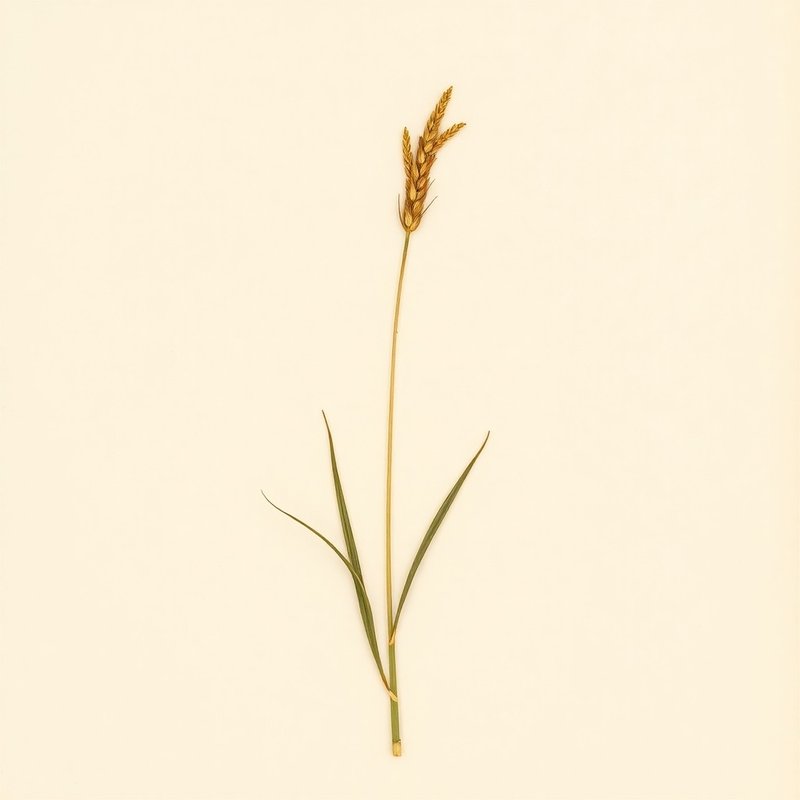
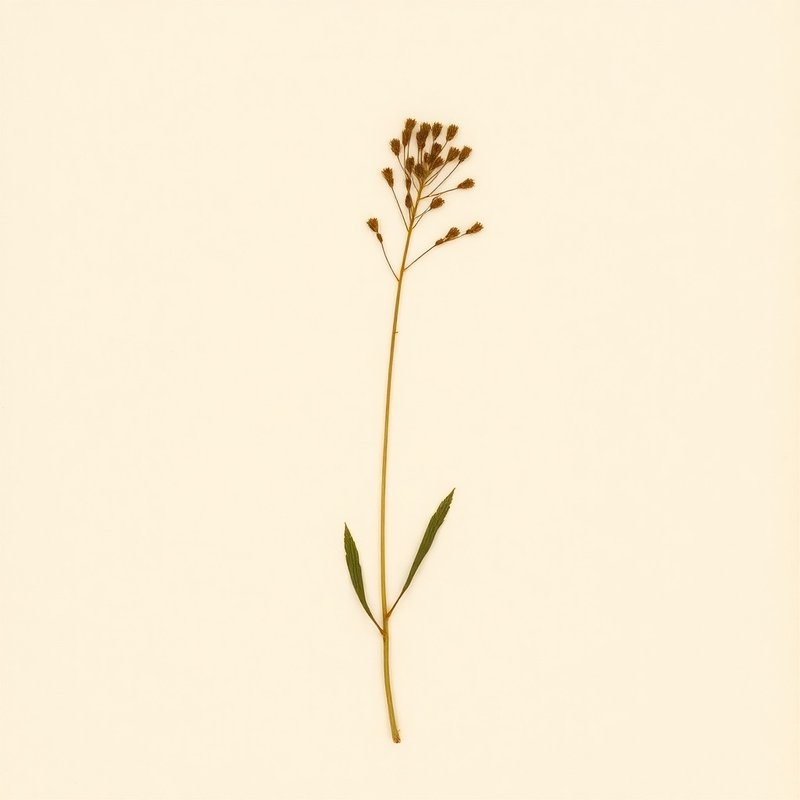
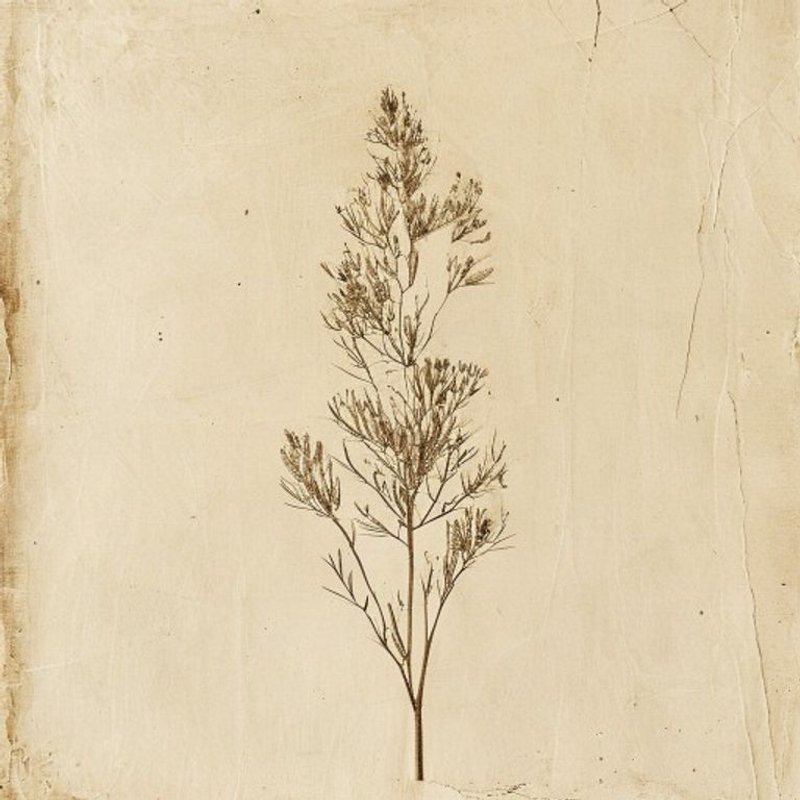
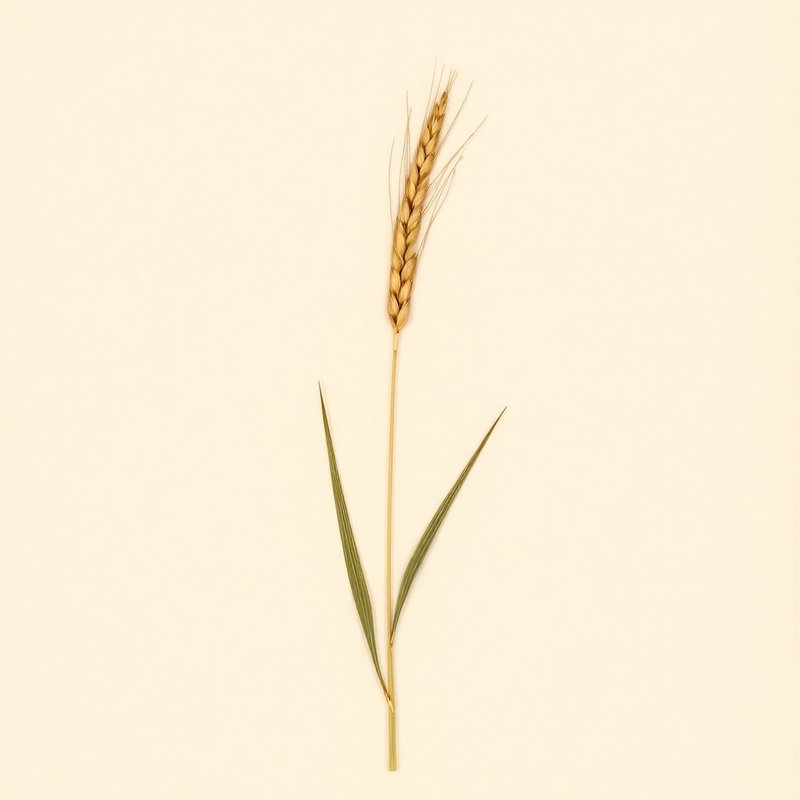
8 relatedPlants you might compare or use together — scored by shared family (Poaceae), common use cases, and growing requirements.
same family · Poaceae
Botanical relatives — often share phytochemistry + growing needs.

XI
Explore further
Companion planting
Compare with similar plants
XII
About this entry
- Last updated
- Citation
- How to cite this entry · Submit a correction
Back to the cataloguePlant id · bb40aa13-c197-4192-bb8d-ad40661281a6
Decision aid
Choosing between Triticum bicorne and something else?
Continue reading
❦❦❦❦
Endpaper · archive updates
Get archive updates
Occasional email when substantial new content lands — plant profiles, seasonal growing notes, folk-remedy additions. Free, no tracking, unsubscribe anytime.
Newsletter returning soon.
We are rebuilding the update list around a lightweight editorial workflow. New dispatches will resume after the next content review cycle.