
Low Sweet Blueberry
IPrezentare
Prezentare
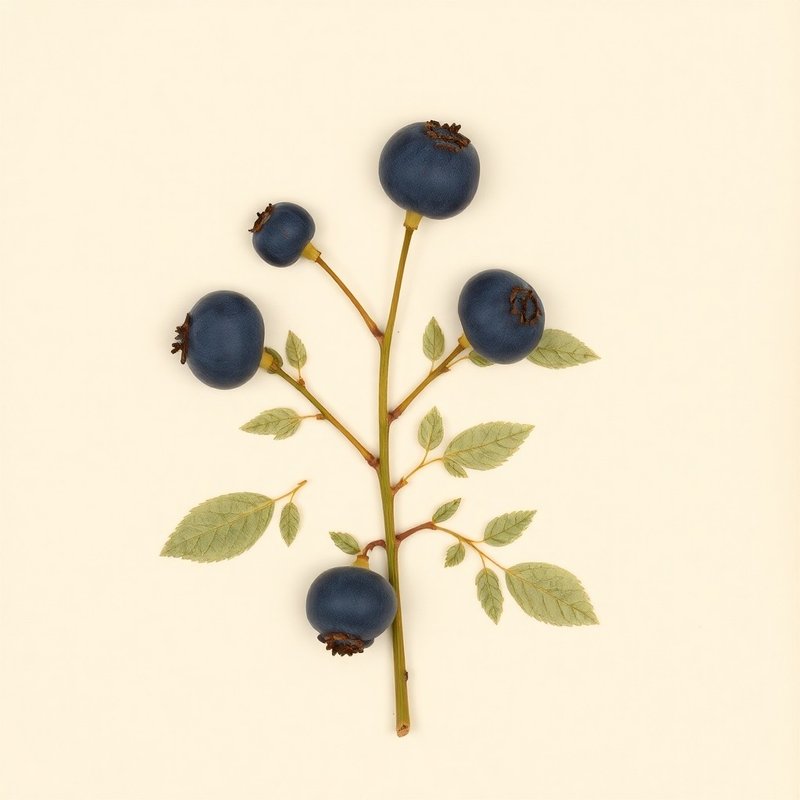
Low Sweet Blueberry (Vaccinium angustifolium laevifolium) este un subarbore sau arboret mic nativ din nord-est America de Nord, găsit de la Connecticut și Maine în sud până la Labrador și Manitoba în nord. Cunoscut pentru fructele sale comestibile, acest plant se adaptează în diferite condiții, inclusiv zonă parțială de soare până la umbră completă și preferă soluri umide până la secere cu pH între 4,7 și 7,5. Înălțimea sa poate atinge maxim 0,6 m și este adaptabil însoțit de tipurile de soluri deosebit de luminoase (sandy) până la medii, făcând-o durabilă din zonele 2-6. Caracteristicile sale distincte se reflectă în capacitatea sa de a crește în diverse mediuni, oferind un fruct dulu pentru cei care îndrăznesc să forage sau să cultivă.
What is Low Sweet Blueberry?
Low Sweet Blueberry (Vaccinium angustifolium laevifolium) este un subarbore sau arboret mic nativ din nord-est America de Nord, găsit de la Connecticut și Maine în sud până la Labrador și Manitoba în nord.
What is Low Sweet Blueberry used for?
Traditionally used for immune support. Each claim is evidence-rated — see Section II for full citations.
IIBeneficii și dovezi
1 claim · traditional-use context
Beneficii și dovezi
1 claim · traditional-use context- Blueberries, including low sweet blueberry, have been traditionally used in North American herbalism to support immune health. Consuming the fruit regularly may help bolster the body's defenses against common ailments.
Rich in antioxidants like anthocyanins and flavonoids, which can neutralize free radicals and reduce oxidative stress, potentially enhancing immune function.
▲ ModerateImmune support →
IV·bMixology suggestions
1 draft
Mixology suggestions
1 draftVCultivare
Cultivare
How to grow Low Sweet Blueberry for the first time
Start with a simple, low-maintenance approach to growing Low Sweet Blueberry.
- 1
What you'll need
A container or garden bed, seeds or young plants, and basic gardening tools.
- 2
Best time to plant
Plant in early spring or late fall when the soil is moist but not waterlogged.
- 3
Soil and container prep
Ensure the soil drains well; mix in compost if planting in a garden bed. For containers, use a potting mix suitable for acid-loving plants.
- 4
Sowing or transplanting
Transplant young plants from nurseries or sow seeds directly into the ground or container. Space them about 30 cm apart.
- 5
First two weeks
Keep the soil consistently moist but not soggy, and provide partial shade to avoid sunburn.
- 6
Ongoing care
Water regularly, especially during dry spells, and mulch around the base to retain moisture. Prune lightly in late winter to maintain shape.
- 7
Harvest or pruning
Prune in early spring before new growth starts to encourage fruiting and remove any dead branches.
VIEdible & utility
Edible & utility
VIIDistribuție
30 native · 1 introduced
Distribuție
30 native · 1 introducedIXSpecimen gallery
1 image
Specimen gallery
1 imageXSee also
8 related
See also
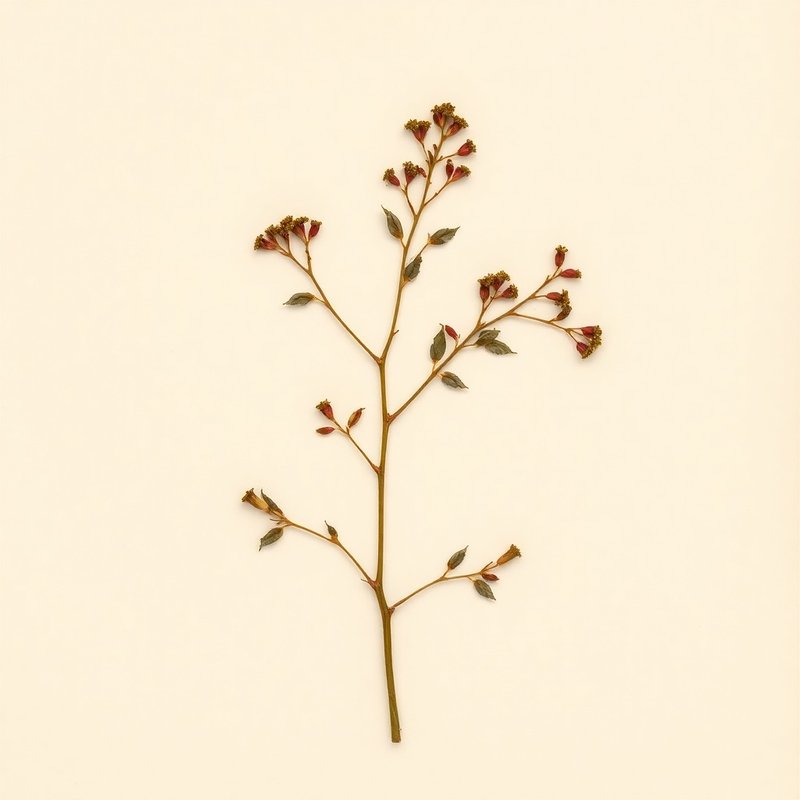
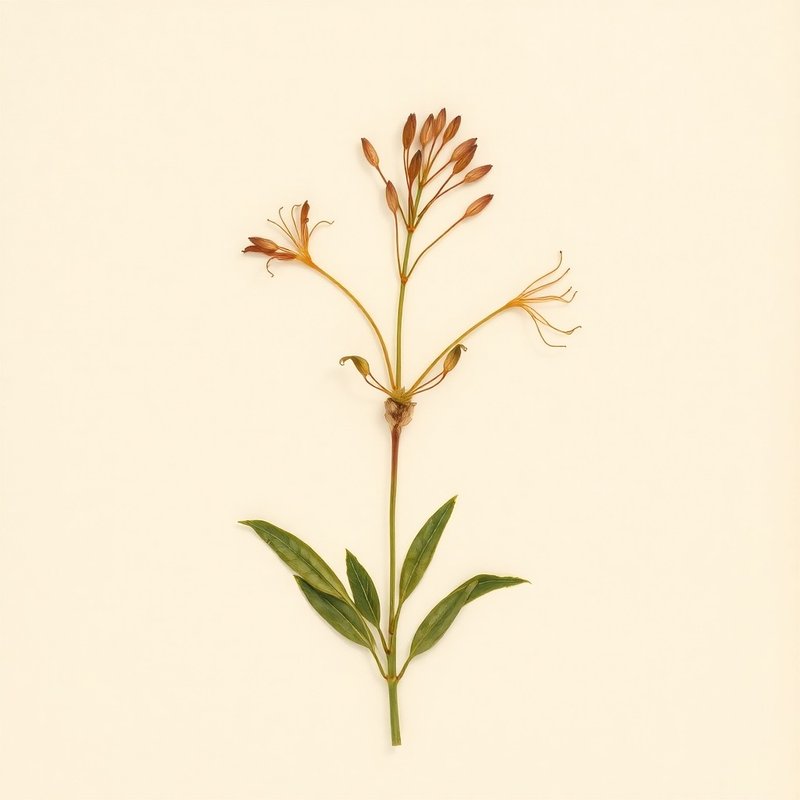
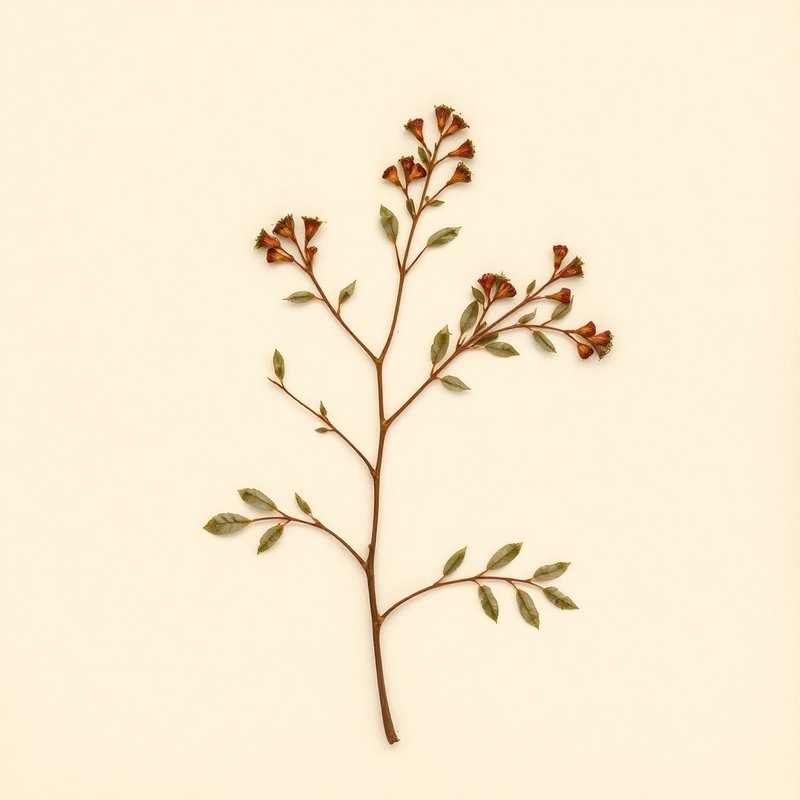
8 relatedPlants you might compare or use together — scored by shared family, common use cases, and growing requirements.


Explore further
About this entry
- Last updated
- Citation
- How to cite this entry · Submit a correction
Continue reading
Primește digest-ul săptămânal
Un email curat pe săptămână — profile noi de plante, note sezoniere de cultivare, adăugiri în arhiva de remedii. Gratuit, fără tracking, dezabonare oricând.