
Tea-Leaf Viburnum
IPrezentare
Prezentare
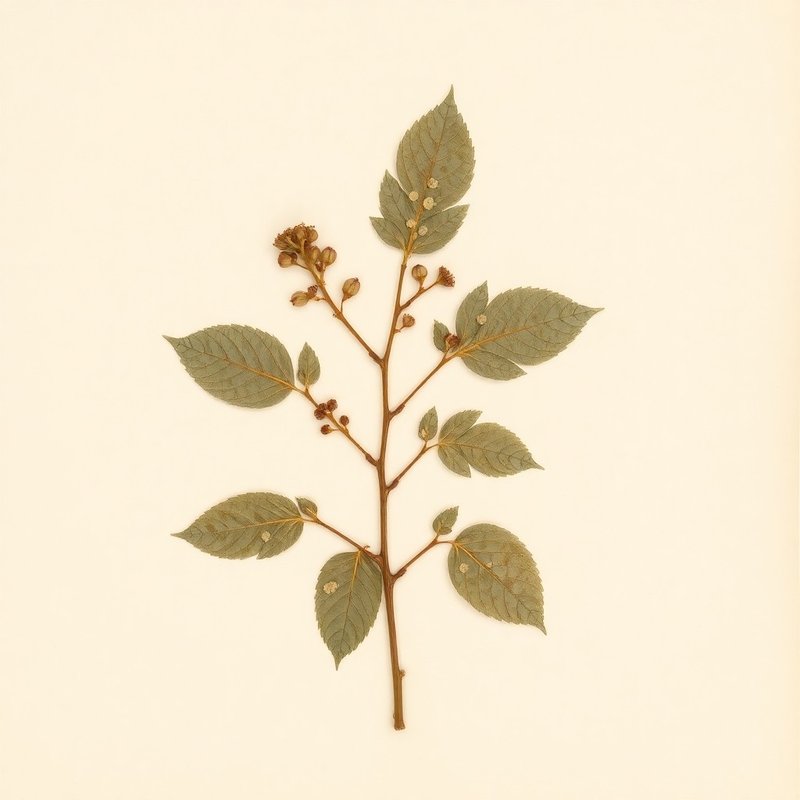
Viburnum setigerum, cunoscut sub numele de Te-Leaf Viburnum, este o arborețelă nativă în păduri din regiuni nord-centrale, sud-centrale și estice a Chinei, precum și din Taiwan. Consemnat pentru cererea luminii de soare parțial și preferința sa pentru umiditate, această plantă se dezvolte în diverse tipuri de sol - liniștit (sândal), mediu sau greu (argilă) - și poate crește până la 3,5 metri. În principal recunoscut pentru fructele sale comestibile, Viburnum setigerum are o istorie de utilizare medicinală în practici tradiționale. Caracteristică distinctivă a acestui arborețel este adaptabilitatea sa la diverse mediuni și utilizarea sa duală ca ornament și sursă de aliment.
What is Tea-Leaf Viburnum?
Viburnum setigerum, cunoscut sub numele de Te-Leaf Viburnum, este o arborețelă nativă în păduri din regiuni nord-centrale, sud-centrale și estice a Chinei, precum și din Taiwan.
IV·bMixology suggestions
1 draft
Mixology suggestions
1 draftVCultivare
Cultivare
How to grow Tea-Leaf Viburnum for the first time
Start with a simple planting of Tea-Leaf Viburnum to enjoy its beauty and fruit.
- 1
What you'll need
A young Tea-Leaf Viburnum plant, garden gloves, and a trowel.
- 2
Best time to plant
Plant in early spring or late fall when the soil is moist but not waterlogged.
- 3
Soil and container prep
Ensure the soil is well-draining with a pH between 6.0 and 7.5, and prepare a hole twice as wide as the root ball.
- 4
Sowing or transplanting
Transplant young plants into your garden bed, making sure the top of the root ball is level with the soil surface.
- 5
First two weeks
Water regularly to keep the soil moist but not soggy. Avoid direct sunlight for a few days after planting.
- 6
Ongoing care
Water deeply once a week, especially during dry spells. Fertilize in early spring with a balanced fertilizer.
- 7
Harvest or pruning
Prune lightly in late winter to maintain shape and remove any dead branches. Harvest the fruit when it turns from green to red.
- 8
Common mistakes
Overwatering, planting in heavy clay soil, and not providing enough sunlight are common issues.
VIEdible & utility
Edible & utility
VIIDistribuție
4 native · 8 introduced
Distribuție
4 native · 8 introducedIXSpecimen gallery
1 image
Specimen gallery
1 imageXSee also
8 related
See also
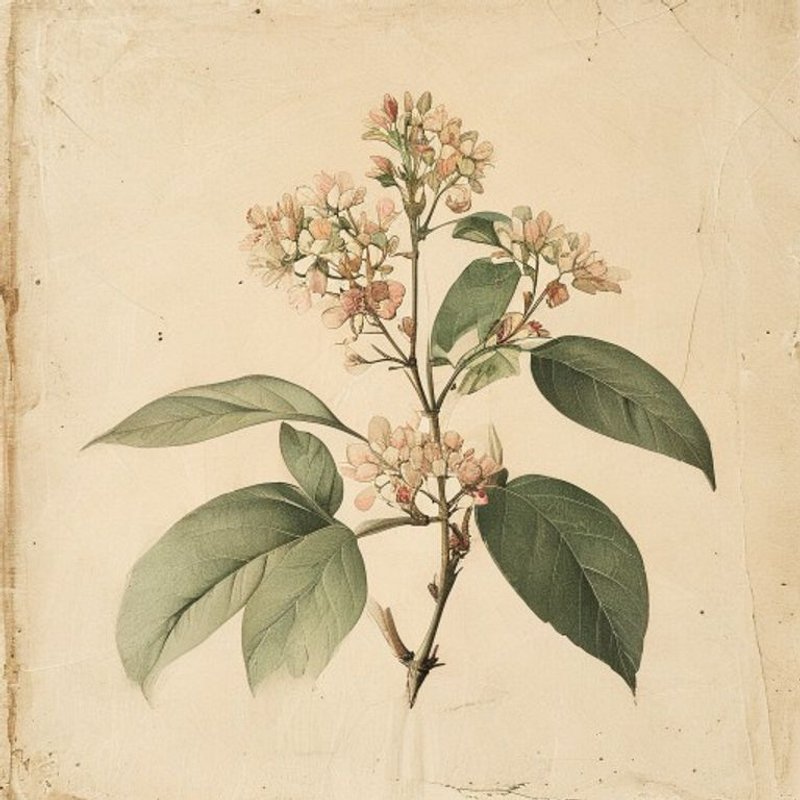
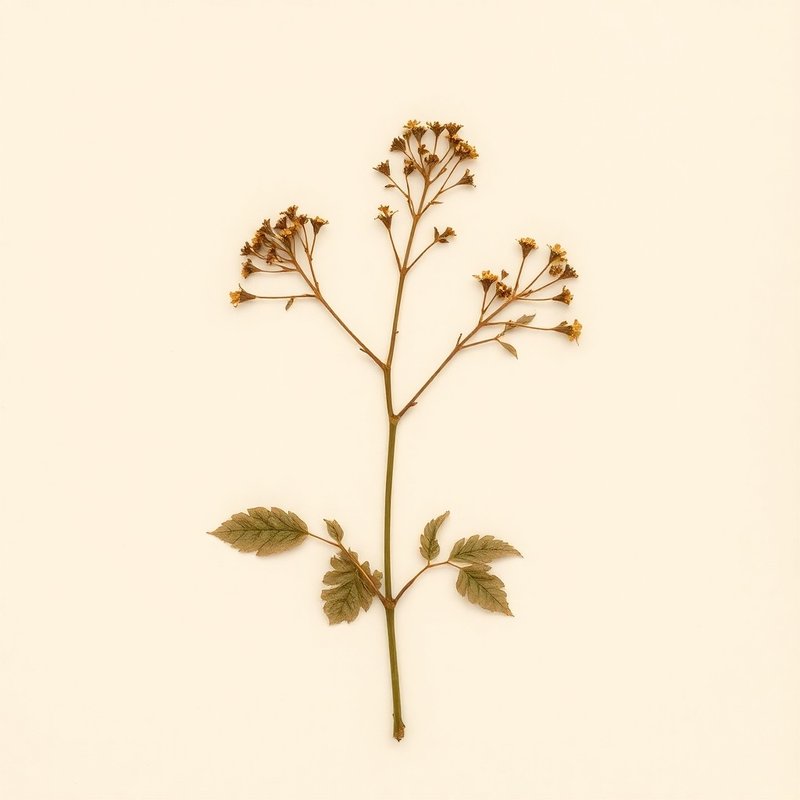
8 relatedPlants you might compare or use together — scored by shared family (Adoxaceae), common use cases, and growing requirements.

Explore further
About this entry
- Last updated
- Citation
- How to cite this entry · Submit a correction
Continue reading
Primește digest-ul săptămânal
Un email curat pe săptămână — profile noi de plante, note sezoniere de cultivare, adăugiri în arhiva de remedii. Gratuit, fără tracking, dezabonare oricând.