SIDE A
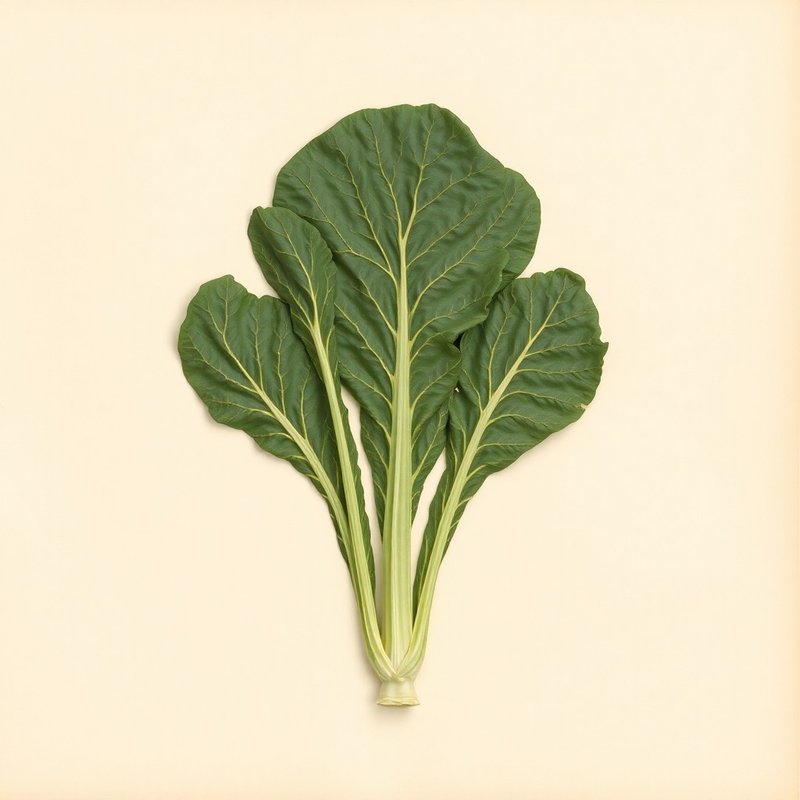
Leaf Mustard
Brassica juncea foliosa
Brassicaceaeediblemedicinal
Traditional-use note: Leaf Mustard appears in herbal sources around after-meal comfort traditions, often as a decoction. PlantSage presents this as ethnobotanical context, not as medical advice.
Chinese Kale, like other Brassica species, has been traditionally used in Chinese medicine to support digestion and alleviate digestive discomfort. Its high fiber content may help regulate bowel movements.
Uses documented for one plant but not the other — pick based on which goal matters more to you.
No documented uses beyond what Chinese Kale also covers.
Chinese Kale is rich in vitamins C and E, which are traditionally used to support the immune system. Regular consumption may help maintain overall health.
Chinese Kale has the stronger documented effect (moderate confidence vs low for Leaf Mustard). Both work; this one has more clinical backing.
Leaf Mustard (Brassica juncea foliosa) and Chinese Kale (Brassica oleracea alboglabra) are both in the Brassicaceae family. See the side-by-side table above for cultivation needs, edible parts, and medicinal uses.
Chinese Kale has stronger documented evidence for Digestion. See the "Both used for same goals" section for cited statements from each.
Plant combinations should be evaluated case by case. Check the safety/contraindications section on each plant's profile (Leaf Mustard and Chinese Kale) before mixing. Some combinations are synergistic, others can interact with medication.
Every plant profile includes a Cautions section with contraindications, drug interactions, and population warnings. Consult a healthcare professional before using either for medicinal purposes.
Un email curat pe săptămână — profile noi de plante, note sezoniere de cultivare, adăugiri în arhiva de remedii. Gratuit, fără tracking, dezabonare oricând.