SIDE A
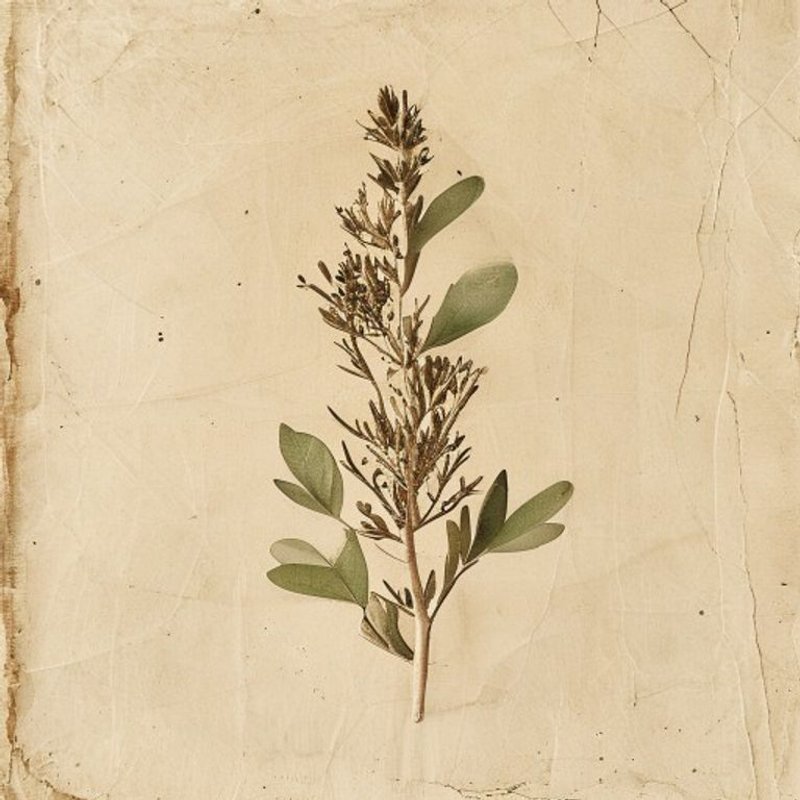
Myrrh
Commiphora myrrha
Burseraceaeediblemedicinal
Uses documented for one plant but not the other — pick based on which goal matters more to you.
No documented uses beyond what Guggul also covers.
Guggul has been traditionally used in Ayurvedic medicine to support skin health, often applied topically. It is believed to help reduce acne and improve overall skin condition.
Guggul has been traditionally used in Ayurvedic medicine to support immune function, often prepared as a decoction. It is believed to help maintain healthy cholesterol levels and reduce inflammation.
Myrrh and Guggul cover similar territory. Pick based on what you can actually grow (climate, soil) and what's locally available. See the cultivation rows above for the deciding factors.
Myrrh (Commiphora myrrha) and Guggul (Commiphora wightii) are both in the Burseraceae family. See the side-by-side table above for cultivation needs, edible parts, and medicinal uses.
Plant combinations should be evaluated case by case. Check the safety/contraindications section on each plant's profile (Myrrh and Guggul) before mixing. Some combinations are synergistic, others can interact with medication.
Every plant profile includes a Cautions section with contraindications, drug interactions, and population warnings. Consult a healthcare professional before using either for medicinal purposes.
Un email curat pe săptămână — profile noi de plante, note sezoniere de cultivare, adăugiri în arhiva de remedii. Gratuit, fără tracking, dezabonare oricând.