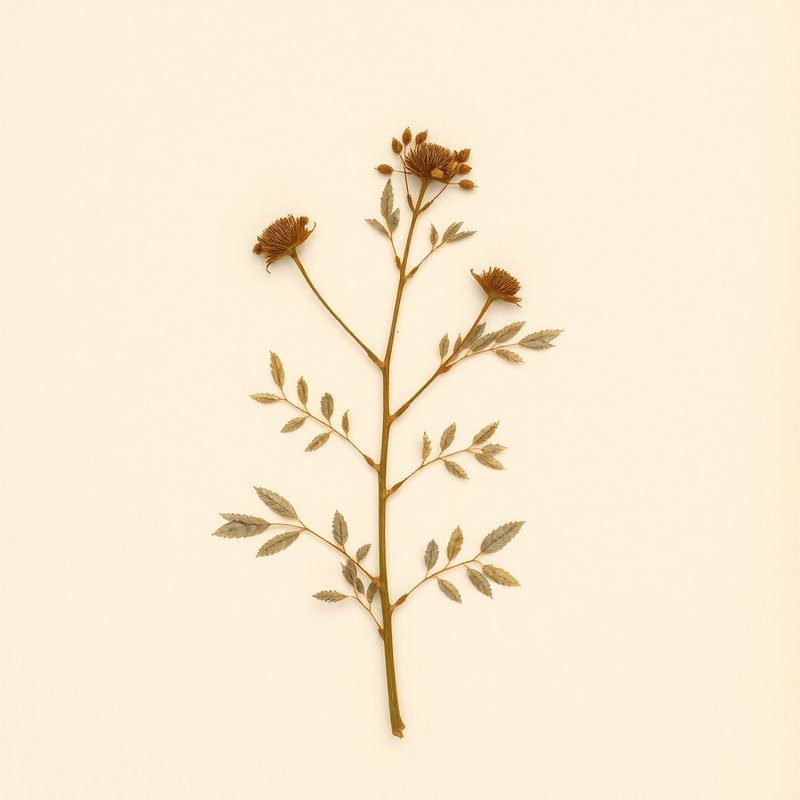
SIDE A

Monarch Rosemallow Ruby hibiscus
Hibiscus radiatus
Malvaceaeediblemedicinal
Ruby hibiscus is traditionally used in topical applications to support skin health, particularly for its moisturising and soothing effects.
Rubus species, including closely related Rubus pectinellus, have been traditionally used in Chinese medicine for topical applications to support skin health. A poultice or topical application of the fruit may help soothe minor irritations and promote healing.
Ruby hibiscus has been traditionally used in Ayurvedic medicine to support digestion, often prepared as a tea. It is believed to aid in the relief of digestive discomfort and bloating.
Rubus species, including closely related Rubus pectinellus, have been traditionally used in Chinese medicine for digestive issues such as bloating and indigestion. A decoction of the fruit may help alleviate these symptoms.
Atibulnak has the stronger documented effect (moderate confidence vs moderate for Monarch Rosemallow Ruby hibiscus). Both work; this one has more clinical backing.
Atibulnak has the stronger documented effect (moderate confidence vs moderate for Monarch Rosemallow Ruby hibiscus). Both work; this one has more clinical backing.
Monarch Rosemallow Ruby hibiscus (Hibiscus radiatus) and Atibulnak (Rubus pectinellus) belong to different botanical families. See the side-by-side table above for cultivation needs, edible parts, and medicinal uses.
Atibulnak has stronger documented evidence for Topical & skin. See the "Both used for same goals" section for cited statements from each.
Plant combinations should be evaluated case by case. Check the safety/contraindications section on each plant's profile (Monarch Rosemallow Ruby hibiscus and Atibulnak) before mixing. Some combinations are synergistic, others can interact with medication.
Every plant profile includes a Cautions section with contraindications, drug interactions, and population warnings. Consult a healthcare professional before using either for medicinal purposes.
Un email curat pe săptămână — profile noi de plante, note sezoniere de cultivare, adăugiri în arhiva de remedii. Gratuit, fără tracking, dezabonare oricând.