
Akee
Blighia sapida
Educational content — not medical, botanical, or professional advice. Always consult a qualified clinician before using any herbal preparation — especially during pregnancy, breastfeeding, while on medication, or for children. How we source & review →

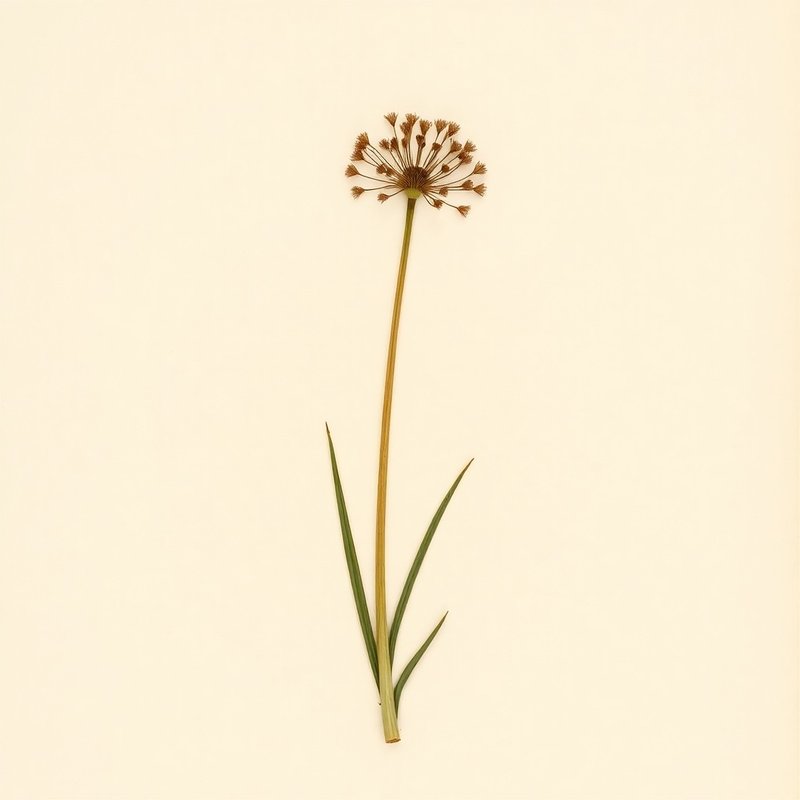
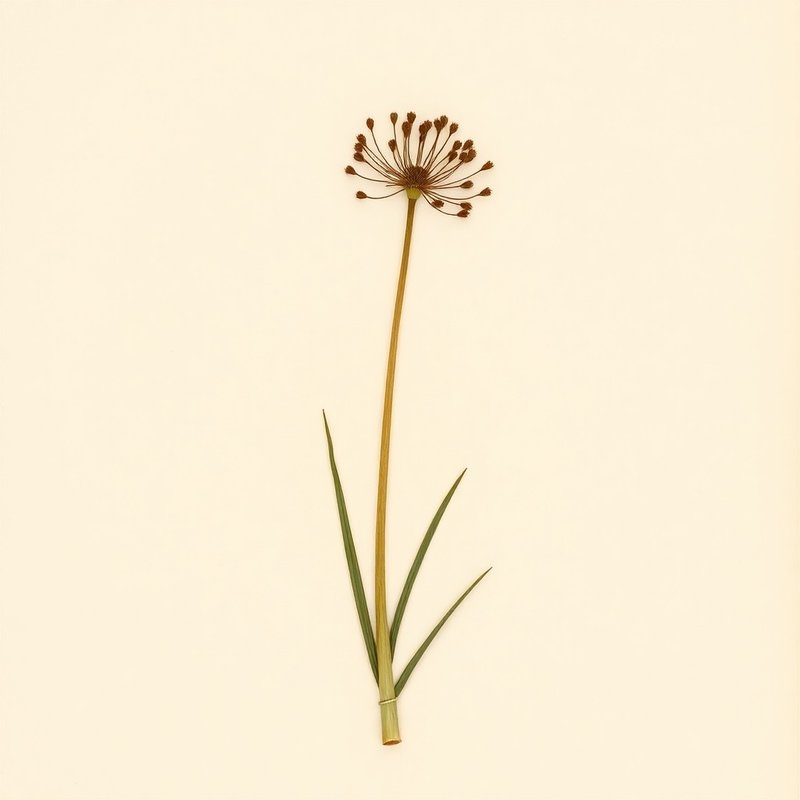
Pl. 66B7 — Blighia sapida
Blighia sapidaBlighia sapidaBlighia sapidaBlighia sapidaBlighia sapidaBlighia sapidaBlighia sapidaBlighia sapidaBlighia sapidaBlighia sapidaBlighia sapidaBlighia sapidaBlighia sapidaBlighia sapida
IPrezentare
Prezentare
Akee (Blighia sapida) este un arbore nativ în zonele costiere ale Africa de Vest, inclusiv Benin, Burkina Faso, Camerun, Gabon, Ghana, Guineea, Guineea-Bissau și alte insule din Golful Guinea. Cunoscut pentru fructele sale comestibile, Akee se dezvolte în soare complet cu sustrat umed care poate fi mediu sau greu (argila). Înălțimea sa poate atinge 20 de metri și este rezistent în zonele 10-12. Caracteristicile distincte ale arborelui se reflectă în procesul de fructificare neobișnuit: podul se deschide explosiv în momentul maturită, revelând o carne albă cremosă care se compara cu oua prăjită. Akee este propagoat prin greacare sau semințe directe și este valorificată mai degrabă pentru utilizările culinare decât pentru scopuri medicinale sau ornamentale.
Quick answers
What is Akee?
Akee (Blighia sapida) este un arbore nativ în zonele costiere ale Africa de Vest, inclusiv Benin, Burkina Faso, Camerun, Gabon, Ghana, Guineea, Guineea-Bissau și alte insule din Golful Guinea.
What is Akee used for?
Traditionally used for digestion, immune support. Each claim is evidence-rated — see Section II for full citations.
Best for
Top 2 evidence-ranked uses of Akee
Clinicaluses · safety · chemistry · dosagemedicinal profile
IIBeneficii și dovezi
2 claims · 0 sources
Beneficii și dovezi
2 claims · 0 sources- Akee has been traditionally used in West African herbal medicine to aid digestion, often prepared as a decoction from the bark or leaves. It is believed to help alleviate digestive discomfort and support gut health.
The mechanism by which Akee supports digestion is not fully characterised but may involve compounds that interact with gastrointestinal processes.
- Akee has been traditionally used in West African herbal medicine to support immune function, often prepared as a decoction from the bark or leaves. It is believed to help strengthen the body's natural defenses.
The mechanism by which Akee supports immune function is not fully characterised but may involve compounds that interact with immune pathways.
IV·bMixology suggestions
1 draft
Mixology suggestions
1 draftEditorial drafts. These pairings are AI-suggested from traditional herbal lore. Always verify with a qualified herbalist before brewing.
Akee support blend
generaltea
AI returned a direct ingredient list; normalized into one draft blend for editorial review.
Growingconditions · propagation · uses
VCultivare
Cultivare
Akee se dezvolte în soare complet și preferă sustrate umede care pot fi medii sau grele (argila). Este rezistent în zonele 10-12, făcându-l adecvat pentru climile tropicale. Propagarea poate avea loc prin greacare sau semințe directe. Arborele crește până la 20 de metri și produce fructe comestibile.
Light
Full sun
Water
Moist
Soil
Medium, Heavy (clay)
Hardiness
10-12
Habit
Tree
Mature size
20.0 m tall
- Propagation
- Graft or direct seed
- Row spacing
- 700 cm
For first-time growers
How to grow Akee for the first time
8steps
Start with a simple, well-prepared planting process for Akee to ensure success.
- 1
What you'll need
Akee seeds or young plants, potting mix, container, and gloves.
- 2
Best time to plant
Plant in spring when the weather is warm and stable.
- 3
Soil and container prep
Use a well-draining potting mix with some clay for moisture retention. Ensure containers are at least 1 meter deep.
- 4
Sowing or transplanting
Direct sow seeds in the soil, covering them lightly. Transplant young plants carefully to avoid damaging roots.
- 5
First two weeks
Keep the soil consistently moist and place the container in a sunny spot. Monitor for pests and diseases.
- 6
Ongoing care
Water regularly, especially during dry spells. Fertilize with a balanced plant food every few months. Prune to maintain shape as needed.
- 7
Harvest or pruning
Prune in late winter to early spring to encourage new growth and remove dead branches.
- 8
Common mistakes
Overwatering, planting too deep, neglecting sunlight, not using well-draining soil, and improper pruning.
VIEdible & utility
Edible & utility
Edible parts:fruits
Edible uses: Oil
Other uses:Fire starterContainersLumberInkMordantoilPest controlPotashSoapSoap makingSoil conditionerErosion control
Contextrange · companions · related
VIIDistribuție
15 native · 14 introduced
Distribuție
15 native · 14 introducedDistribution across3 continents· 15 native· 14 introduced
Asia1 region
introduced (1)Vietnam
Americas8 regions
introduced (8)CubaDominican RepublicGuatemalaHaitiHondurasJamaicaPuerto RicoVenezuela
Africa14 regions
native (14)BeninBurkina FasoCameroonCôte d'IvoireGabonGhanaGuineaGuinea-BissauLiberiaMaliNigeriaSenegalSierra LeoneTogo
Broader regions
native:Gulf of Guinea Is.
introduced:Leeward Is., Southwest Caribbean, Trinidad-Tobago, Windward Is., Cayman Is.
IXSpecimen gallery
1 image
Specimen gallery
1 imageXSee also
8 related
See also
8 relatedPlants you might compare or use together — scored by shared family, common use cases, and growing requirements.
shared use cases
Different families, similar therapeutic role — good for comparing.


XI
Explore further
Companion planting
Compare with similar plants
Growing zone
XII
About this entry
- Last updated
- Citation
- How to cite this entry · Submit a correction
Back to the cataloguePlant id · 66b71da9-f9ba-4a36-b610-ac8741237af0
Decision aid
Choosing between Akee and something else?
Continue reading
❦❦❦❦
Endpaper · archive updates
Primește digest-ul săptămânal
Un email curat pe săptămână — profile noi de plante, note sezoniere de cultivare, adăugiri în arhiva de remedii. Gratuit, fără tracking, dezabonare oricând.