
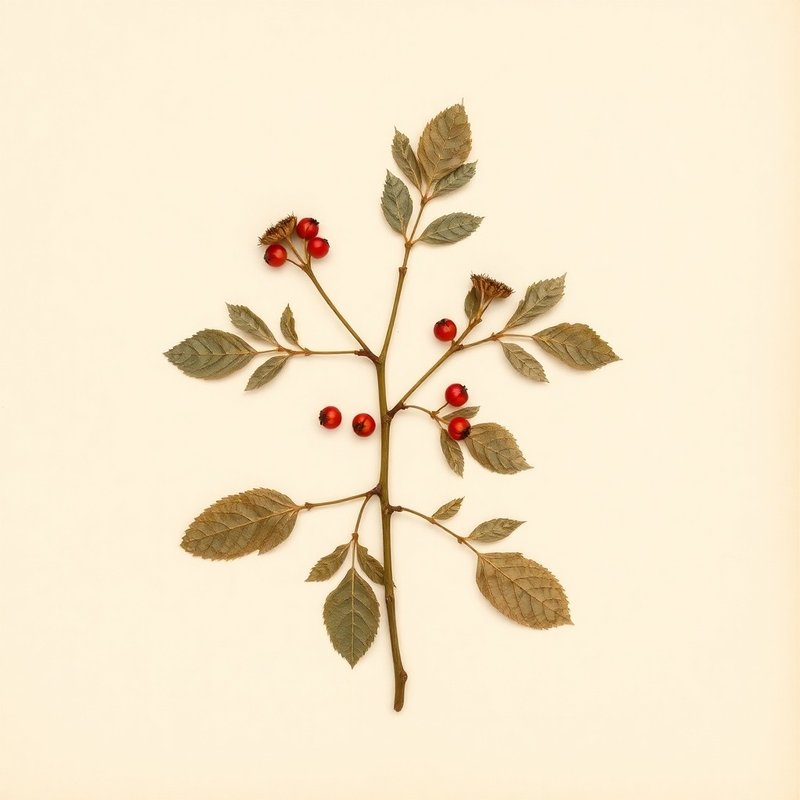
Big-Fruit Hawthorn
IPrezentare
Prezentare
Crataegus macrosperma (hawe mare) este un arbore decidu sau o buște mică nativă din estul Statelor Unite și Canada, găsită în habitaturi care se întind de Alabama până la Wisconsin și de Maine până la Virginia. Cunoscut pentru fructele sale comestibile, acest plant se dezvoltă în soluri umide sau bogate în apă de tipuri diferite, inclusiv soluri ușoare (sândal), medii și grele (argila). Îl necesită soarele plin sau o parte a zilei în soare și poate crește până la 8 metri în înălțime. Nativ din regiuni precum Alabama, Arkansas, Connecticut, Illinois, Indiana, Kentucky, Maine, Maryland și Massachusetts, Crataegus macrosperma este valorificat nu numai pentru calitățile ornamentale ale sale, ci și pentru fructele sale comestibile.
What is Big-Fruit Hawthorn?
Crataegus macrosperma (hawe mare) este un arbore decidu sau o buște mică nativă din estul Statelor Unite și Canada, găsită în habitaturi care se întind de Alabama până la Wisconsin și de Maine până la Virginia.
What is Big-Fruit Hawthorn used for?
Traditionally used for stress & anxiety. Each claim is evidence-rated — see Section II for full citations.
IIBeneficii și dovezi
1 claim · traditional-use context
Beneficii și dovezi
1 claim · traditional-use context- Traditional-use note: Big-Fruit Hawthorn appears in herbal sources around calming and relaxation traditions, often as a tea. PlantSage presents this as ethnobotanical context, not as medical advice.
Traditional context only. This reviewed claim keeps the original moderate confidence level, but avoids treatment, disease, dosage, or guaranteed-effect language.
▲ ModerateStress & anxiety →
IV·bMixology suggestions
1 draft
Mixology suggestions
1 draftVCultivare
Cultivare
How to grow Big-Fruit Hawthorn for the first time
Start with planting Big-Fruit Hawthorn in a sunny spot and follow these beginner-friendly steps.
- 1
What you'll need
A young Big-Fruit Hawthorn sapling, garden gloves, a spade or trowel.
- 2
Best time to plant
Plant in early spring before new growth starts or in fall after leaves have dropped.
- 3
Soil and container prep
Choose a location with moist, well-draining soil. Amend the soil with compost if needed.
- 4
Sowing or transplanting
Transplant young saplings from a nursery pot to your garden bed, ensuring roots are spread out.
- 5
First two weeks
Water regularly to keep the soil moist. Monitor for any signs of stress or pests.
- 6
Ongoing care
Provide light watering during dry spells and mulch around the base to retain moisture and suppress weeds.
- 7
Harvest or pruning
Prune in late winter before new growth starts. Harvest fruit when they turn bright red.
- 8
Common mistakes
Overwatering, planting in too sunny a spot, neglecting to prune, and not providing enough mulch.
VIEdible & utility
Edible & utility
VIIDistribuție
30 native · 0 introduced
Distribuție
30 native · 0 introducedIXSpecimen gallery
1 image
Specimen gallery
1 imageXSee also
8 related
See also
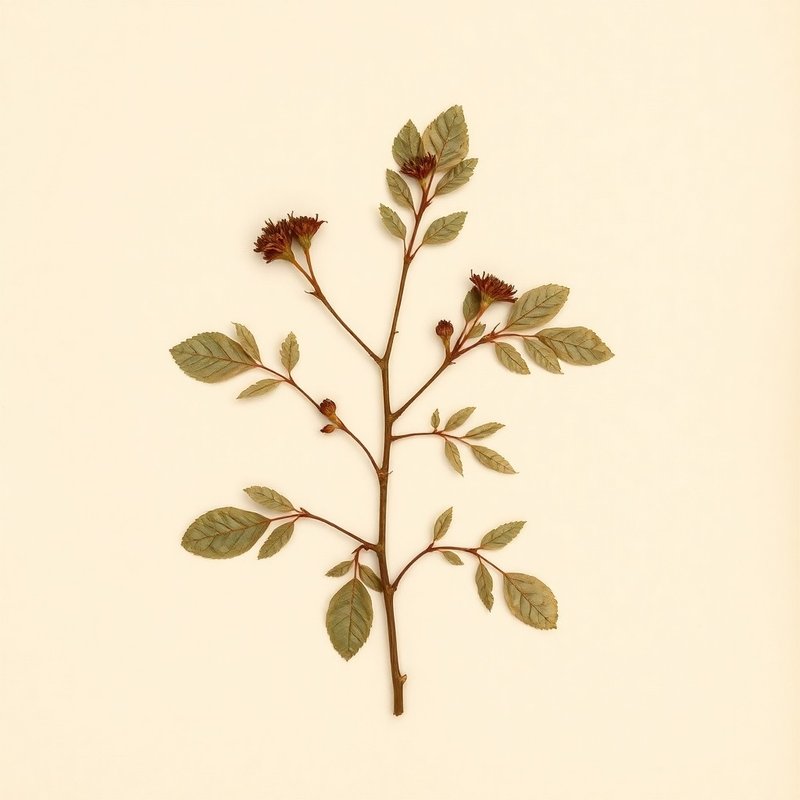
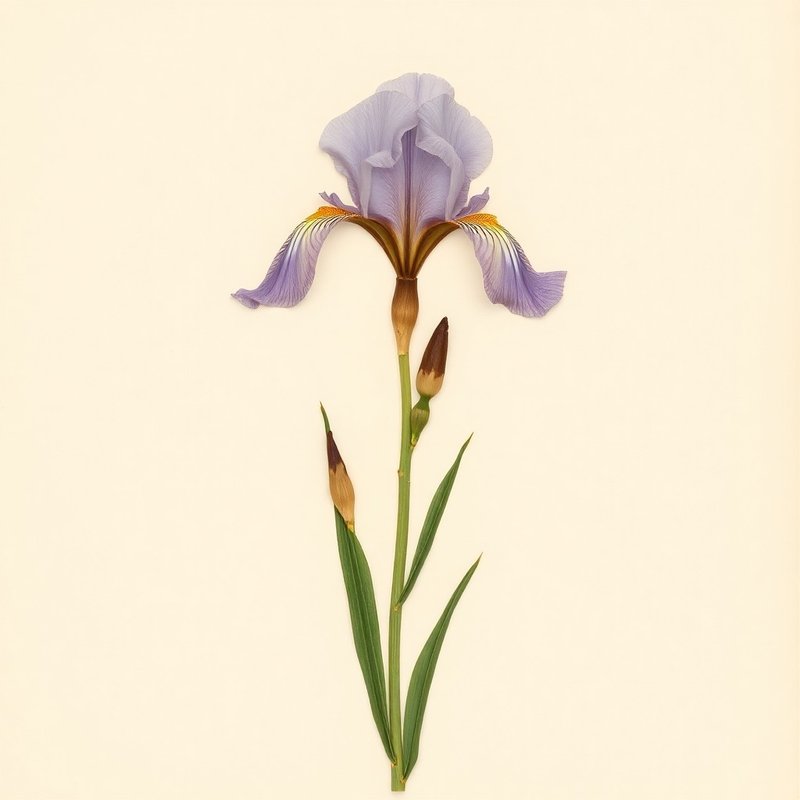
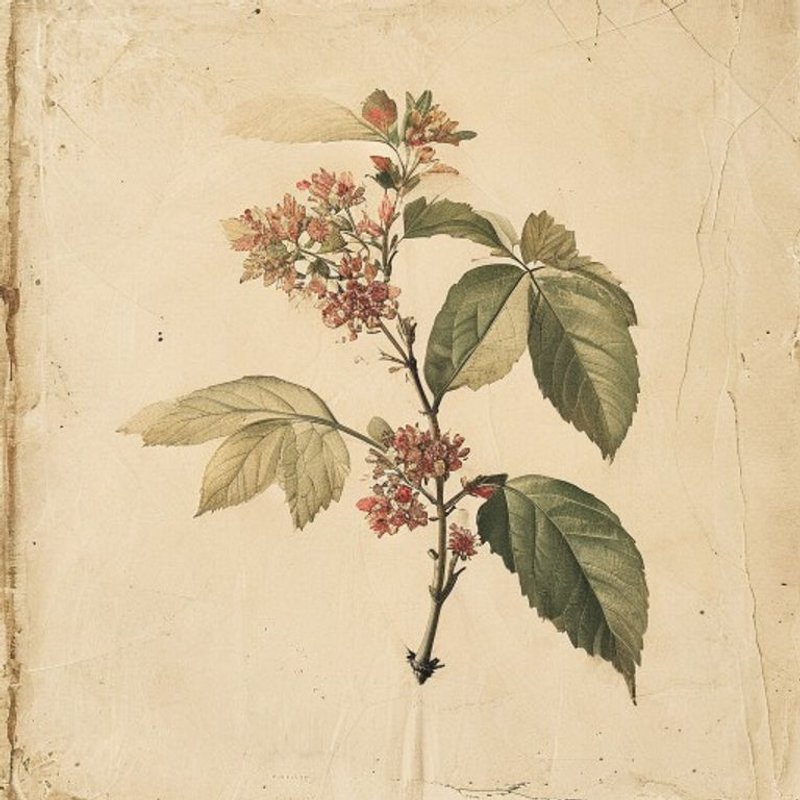
8 relatedPlants you might compare or use together — scored by shared family, common use cases, and growing requirements.

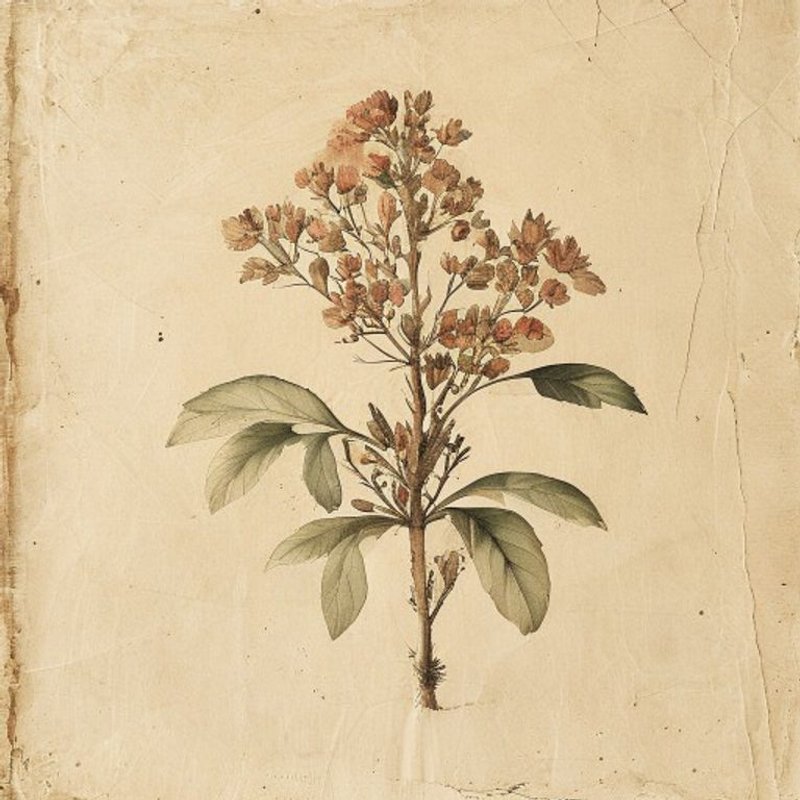
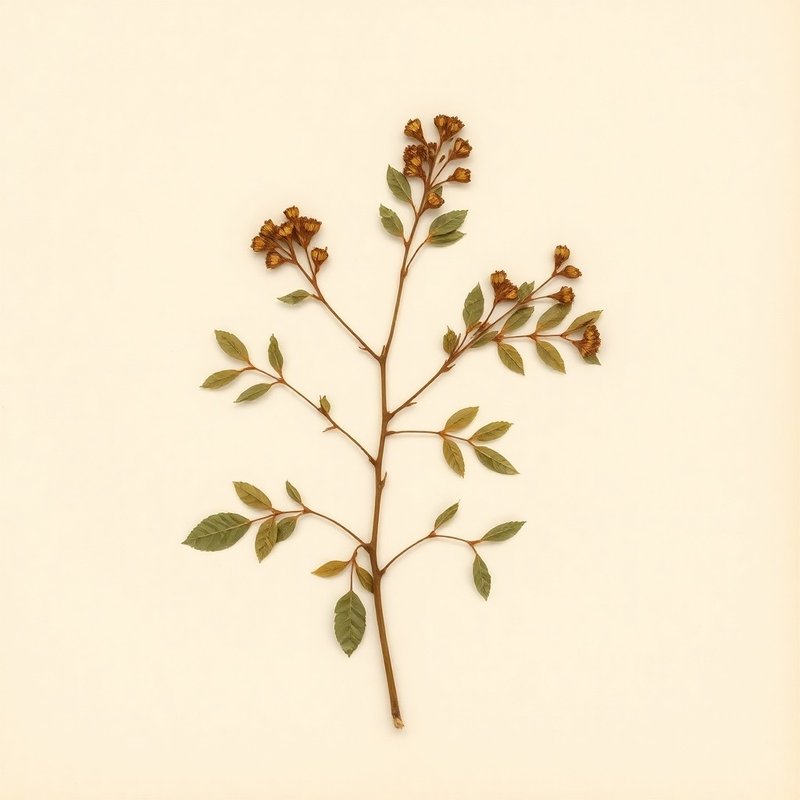
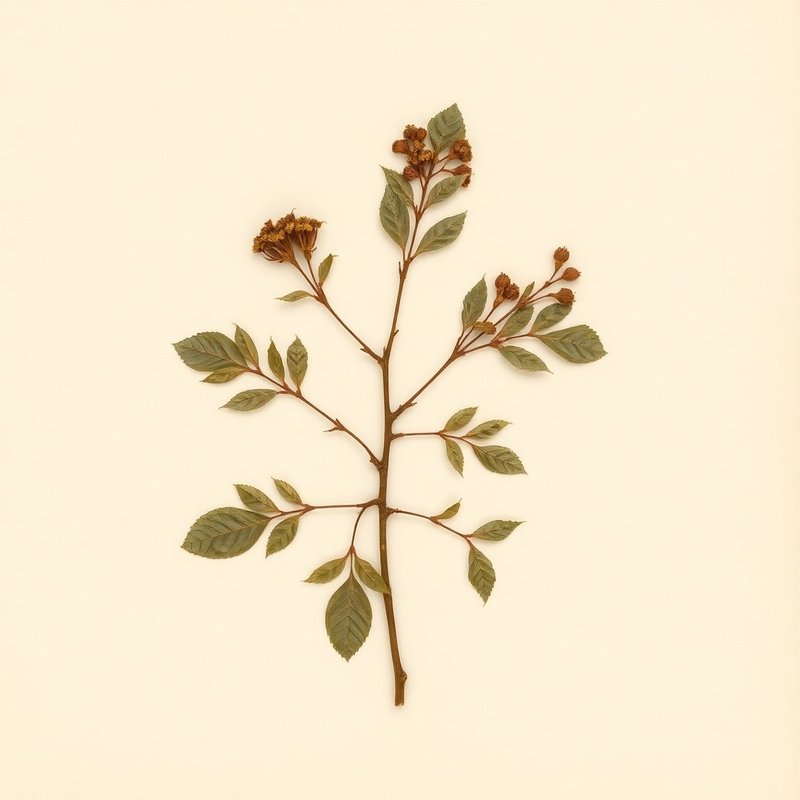
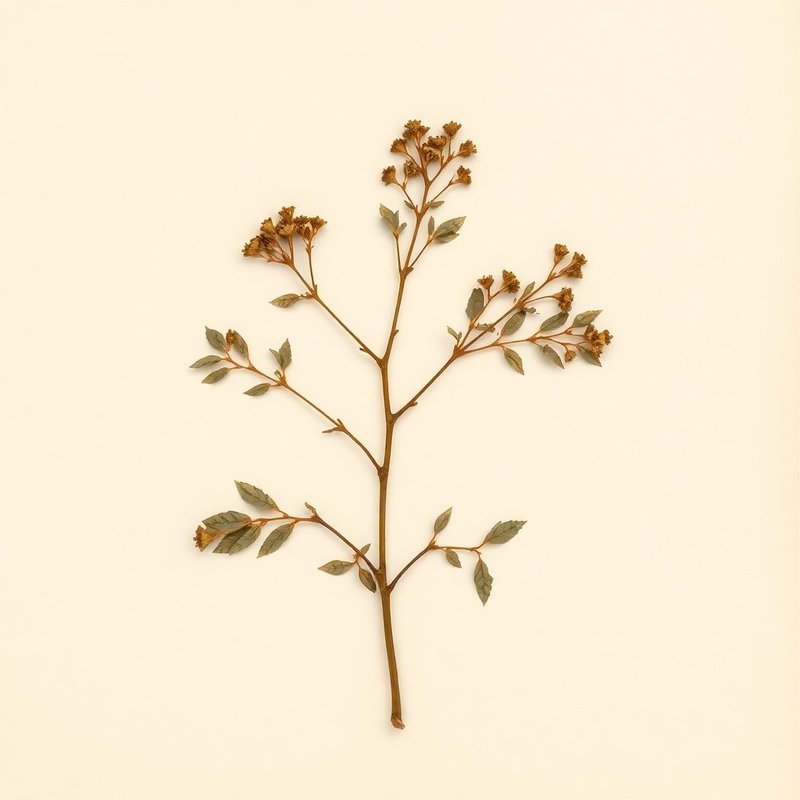
Explore further
About this entry
- Last updated
- Citation
- How to cite this entry · Submit a correction
Continue reading
Primește digest-ul săptămânal
Un email curat pe săptămână — profile noi de plante, note sezoniere de cultivare, adăugiri în arhiva de remedii. Gratuit, fără tracking, dezabonare oricând.