
Black hawthorn
IPrezentare
Prezentare
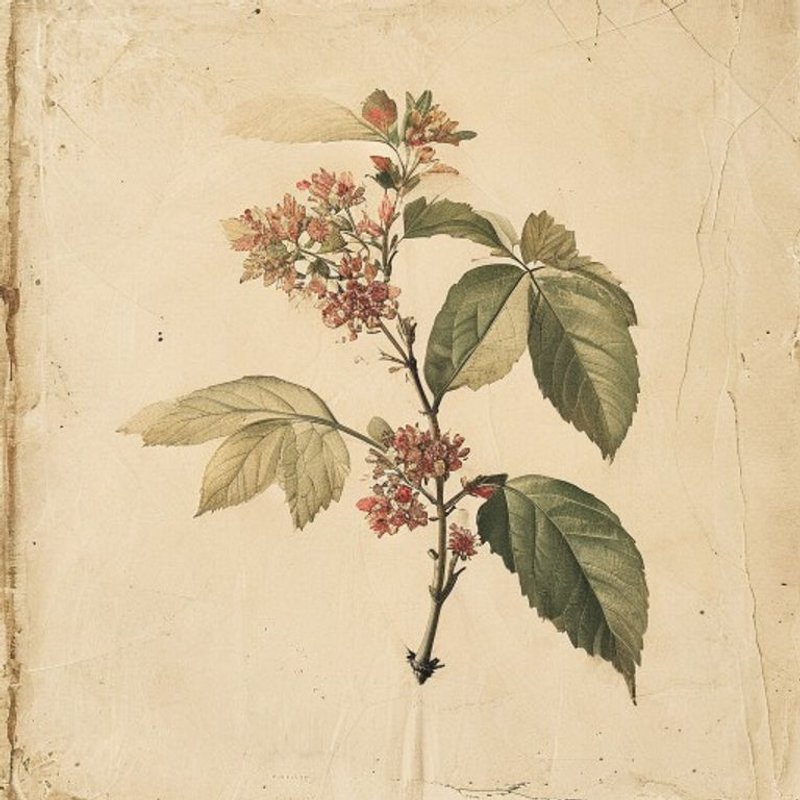
Crataegus douglasii este o plante perenială de tip arbustiv care aparține familiei Rosaceae. Nativa de vestul America de Nord, această plantă se găsește într-un rastrig de zone, de la Alaska și Canada până în Statele Unite, California și regiunea Great Lakes. Această plantă adaptabilă este cunoscută pentru fructele sale comestibile, care pot fi consumate direct sau utilizate în diferite preparate culinare. O caracteristică distinctivă a Crataegus douglasii este ramiile sale spinosoase, oferind o mecanism natural de apărare împotriva herbivorilor. Capacitatea sa de a se adapta la diverse condiții, inclusiv soiul plin și suflu moștenit, l-a făcut un resursă valoroasă pentru multe ecosisteme.
What is Black hawthorn?
Crataegus douglasii este o plante perenială de tip arbustiv care aparține familiei Rosaceae. Nativa de vestul America de Nord, această plantă se găsește într-un rastrig de zone, de la Alaska și Canada până în Statele Unite, California și regiunea Great Lakes.
What is Black hawthorn used for?
Traditionally used for stress & anxiety, immune support. Each claim is evidence-rated — see Section II for full citations.
IIBeneficii și dovezi
2 claims · traditional-use context
Beneficii și dovezi
2 claims · traditional-use context- Traditional-use note: Black hawthorn appears in herbal sources around calming and relaxation traditions, often as a tincture. PlantSage presents this as ethnobotanical context, not as medical advice.
Traditional context only. This reviewed claim keeps the original moderate confidence level, but avoids treatment, disease, dosage, or guaranteed-effect language.
▲ ModerateStress & anxiety → - Black hawthorn has been traditionally used in herbal medicine to support the immune system. A decoction made from the berries may help enhance overall resistance to illness.
Crataegus species contain proanthocyanidins and flavonoids which have antioxidant properties, potentially supporting immune function by reducing oxidative stress and inflammation. However, the specific mechanism is not fully characterised.
▲ ModerateImmune support →
IV·bMixology suggestions
1 draft
Mixology suggestions
1 draftVCultivare
Cultivare
How to grow Black hawthorn for the first time
Start with planting Black hawthorn in a sunny to partially shaded spot, and follow these steps for success.
- 1
What you'll need
A young Black hawthorn sapling or seeds.
- 2
Best time to plant
Plant in early spring or late fall when the soil is workable and temperatures are mild.
- 3
Soil and container prep
Ensure the soil is well-draining, with a pH between 6.0 and 7.5. Amend heavy clay soils with sand to improve drainage.
- 4
Sowing or transplanting
Transplant young saplings carefully, ensuring roots are not damaged during planting. For seeds, sow in late fall for natural stratification.
- 5
First two weeks
Water the plant regularly to keep the soil moist but not waterlogged. Monitor for signs of stress or pests.
- 6
Ongoing care
Provide consistent watering, especially during dry spells. Prune lightly in late winter to maintain shape and remove dead branches.
- 7
Harvest or pruning
Prune the plant annually in late winter to encourage healthy growth and manage size. Fruit can be harvested when ripe but is not commonly used for this purpose.
- 8
Common mistakes
Overwatering, planting in heavy clay soil without amending, neglecting regular pruning, and waiting too long to prune the plant.
VIEdible & utility
Edible & utility
VIIDistribuție
13 native · 1 introduced
Distribuție
13 native · 1 introducedIXSpecimen gallery
1 image
Specimen gallery
1 imageXSee also
8 related
See also
8 relatedPlants you might compare or use together — scored by shared family, common use cases, and growing requirements.

Explore further
About this entry
- Last updated
- Citation
- How to cite this entry · Submit a correction
Continue reading
Primește digest-ul săptămânal
Un email curat pe săptămână — profile noi de plante, note sezoniere de cultivare, adăugiri în arhiva de remedii. Gratuit, fără tracking, dezabonare oricând.