
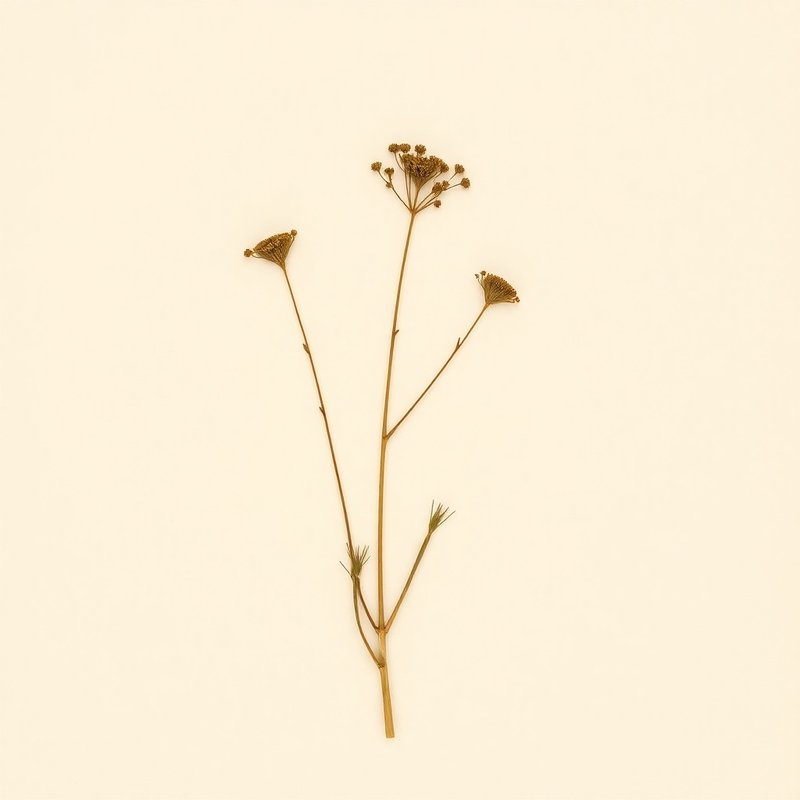
Draba nemerosa
IPrezentare
Prezentare
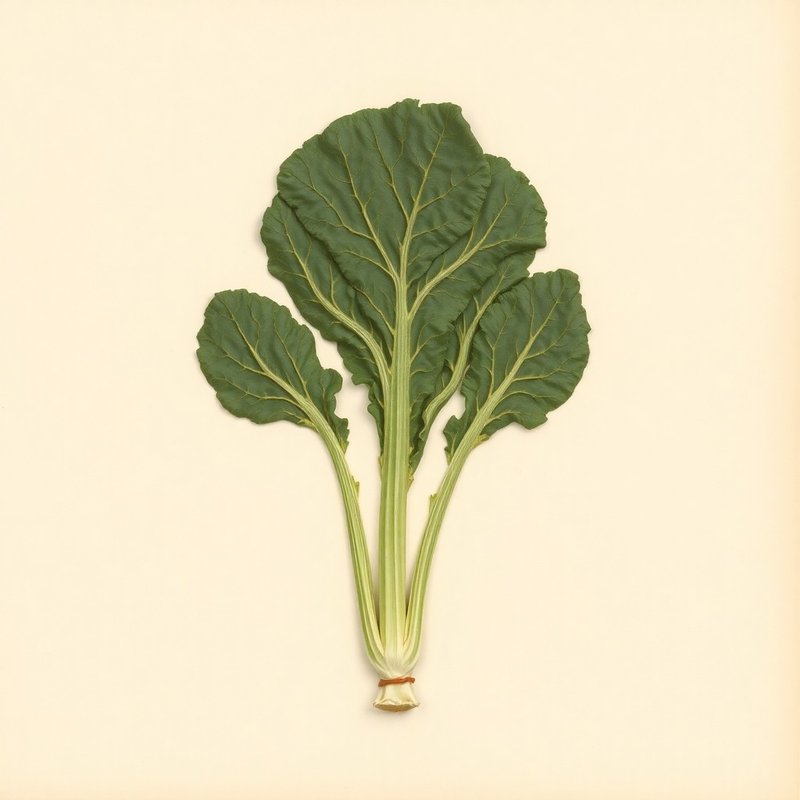
Draba nemerosa, cunoscută sub numele de grădină de munte, este o plante anuală sau binănnă călduroasă care se dezvolte în soluri umede până la liniștit (sandy) și soluri medii până la grele (clay) cu un pH între 7,5 și 8. Originează în regiuni precum Afganistan, Alaska, Alberta, Altaj, Amur, Austria, Bătăierele Mari, Belarus, fiind valorificată pentru frunzele sale comestibile. Un caracter distinctiv al Draba nemerosa este necesitatea sa de energie relativ scăzută; preferă un mediu cu lumină relativ redus cu o notă energetică de 6 din 10.
What is Draba nemerosa?
Draba nemerosa, cunoscută sub numele de grădină de munte, este o plante anuală sau binănnă călduroasă care se dezvolte în soluri umede până la liniștit (sandy) și soluri medii până la grele (clay) cu un pH între 7,5 și 8.
What is Draba nemerosa used for?
Traditionally used for digestion, immune support. Each claim is evidence-rated — see Section II for full citations.
IIBeneficii și dovezi
2 claims · traditional-use context
Beneficii și dovezi
2 claims · traditional-use context- Draba nemerosa is traditionally used in herbal remedies to support digestion. Its glucosinolates may help stimulate digestive enzymes and improve gut motility.
Glucosinolates can break down into compounds like isothiocyanates, which have been shown to activate the TRPA1 receptor in the gastrointestinal tract, promoting peristalsis and aiding digestion.
▲ ModerateDigestion → - Draba nemerosa, a member of the Brassicaceae family, has been traditionally used in herbal medicine for immune support. Its allyl isothiocyanates may help modulate inflammatory responses and enhance innate immunity.
Contains allyl isothiocyanates which can activate Nrf2 pathways, enhancing antioxidant defenses and supporting the immune system against oxidative stress.
▲ ModerateImmune support →
IV·bMixology suggestions
1 draft
Mixology suggestions
1 draftVCultivare
Cultivare
How to grow Draba nemerosa for the first time
Start with Skip as a simple, low-maintenance addition to your garden.
- 1
What you'll need
Seeds or seedlings, a small trowel, and a watering can.
- 2
Best time to plant
Plant in early spring or late summer for best results.
- 3
Soil and container prep
Ensure the soil is well-draining with a pH of 7.5–8; use a pot at least 30 cm wide if planting in containers.
- 4
Sowing or transplanting
Direct sow seeds 1-2 cm deep, or transplant seedlings into prepared soil.
- 5
First two weeks
Water regularly to keep the soil moist but not waterlogged; thin plants if necessary to avoid overcrowding.
- 6
Ongoing care
Provide light watering during dry spells and mulch around the base for moisture retention. Watch for pests like aphids.
- 7
Harvest or pruning
Prune dead leaves to maintain plant health; harvest young leaves as needed, being careful not to overharvest.
VIEdible & utility
Edible & utility
VIIDistribuție
85 native · 4 introduced
Distribuție
85 native · 4 introducedIXSpecimen gallery
1 image
Specimen gallery
1 imageXSee also
8 related
See also
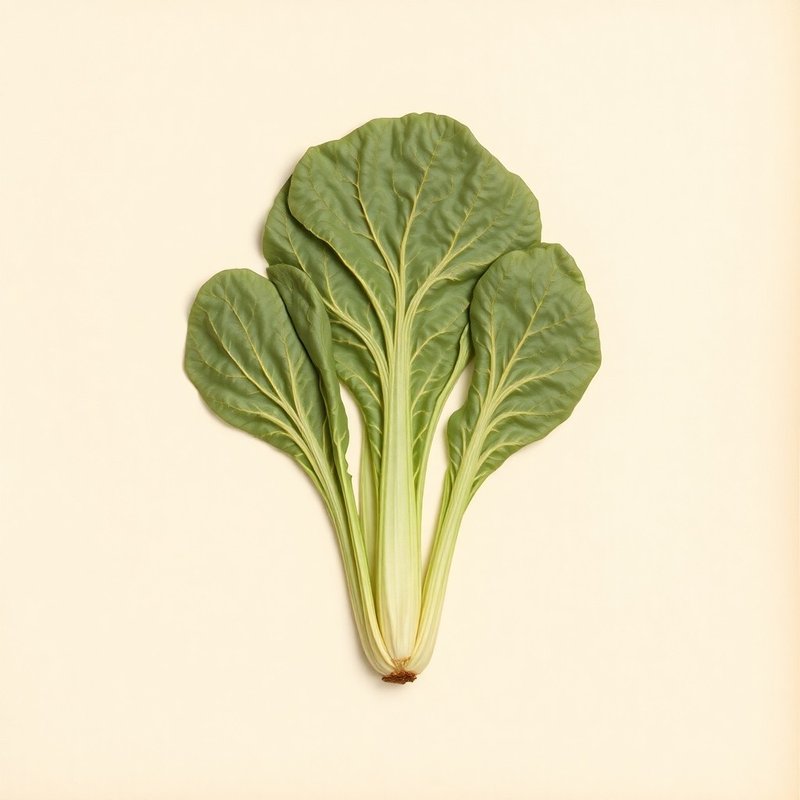
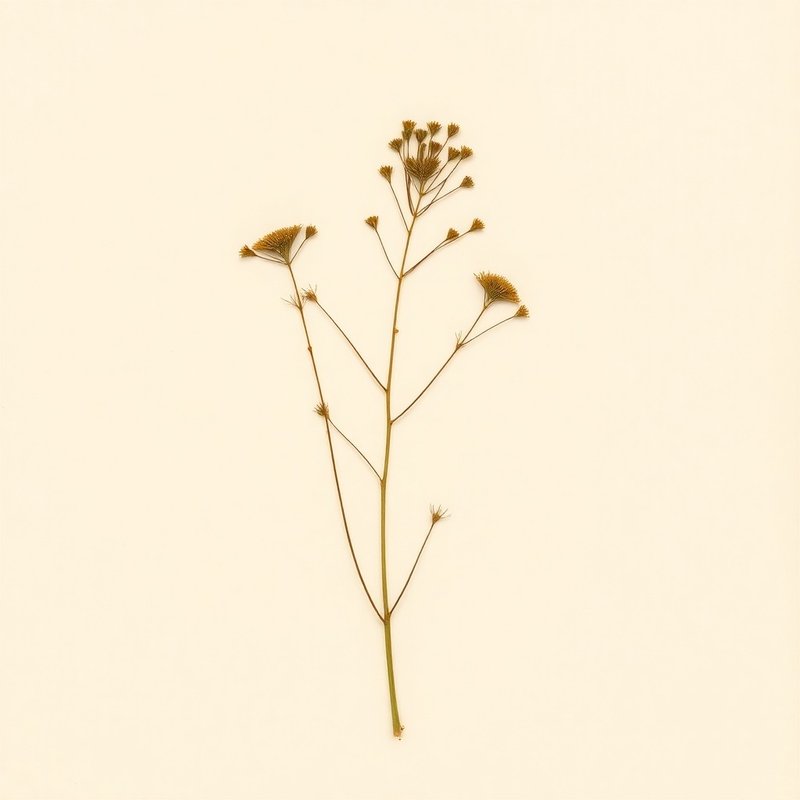
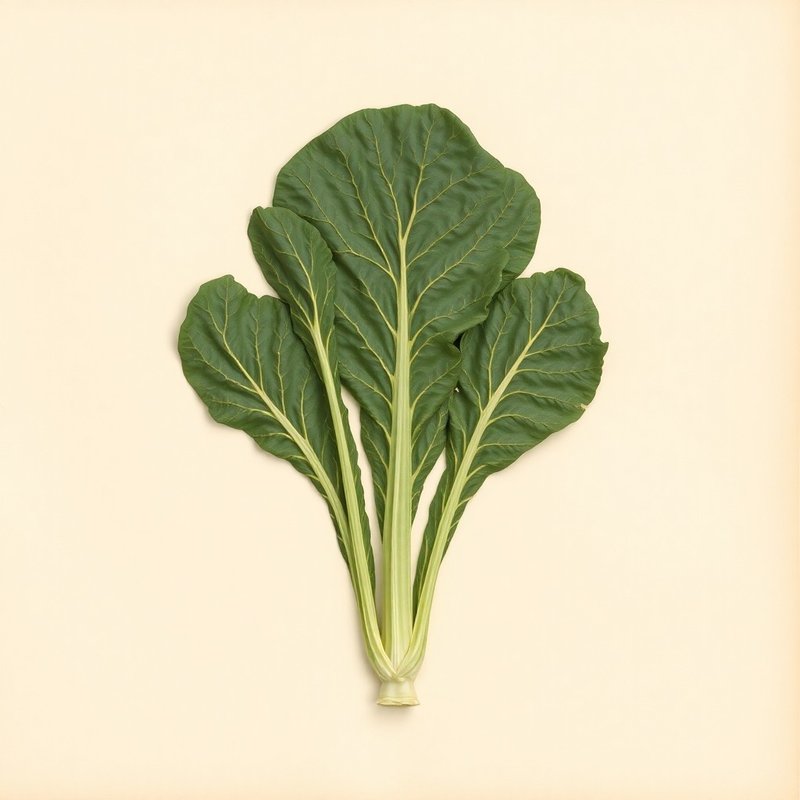
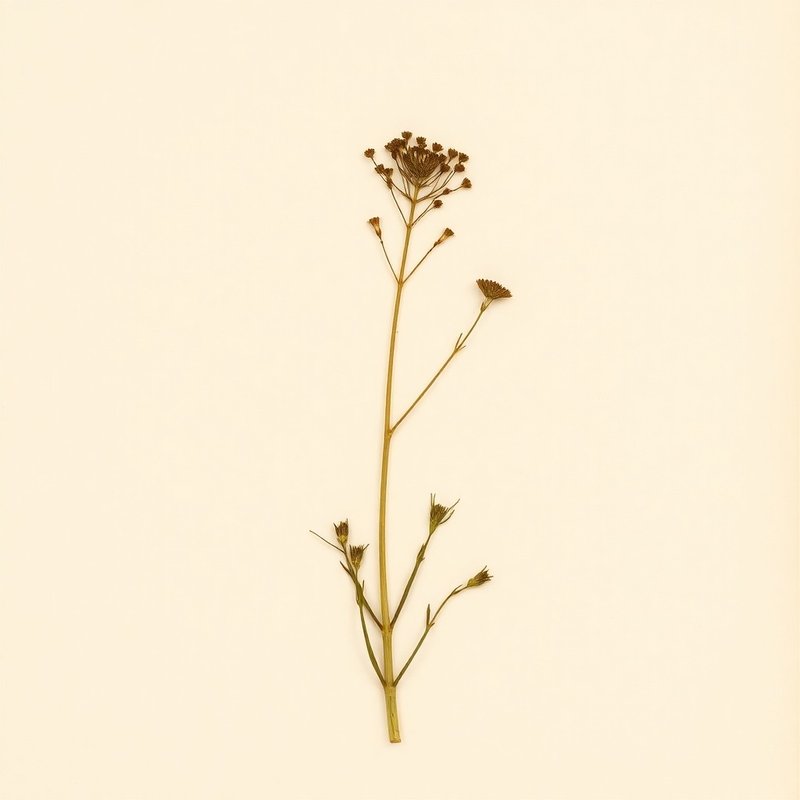
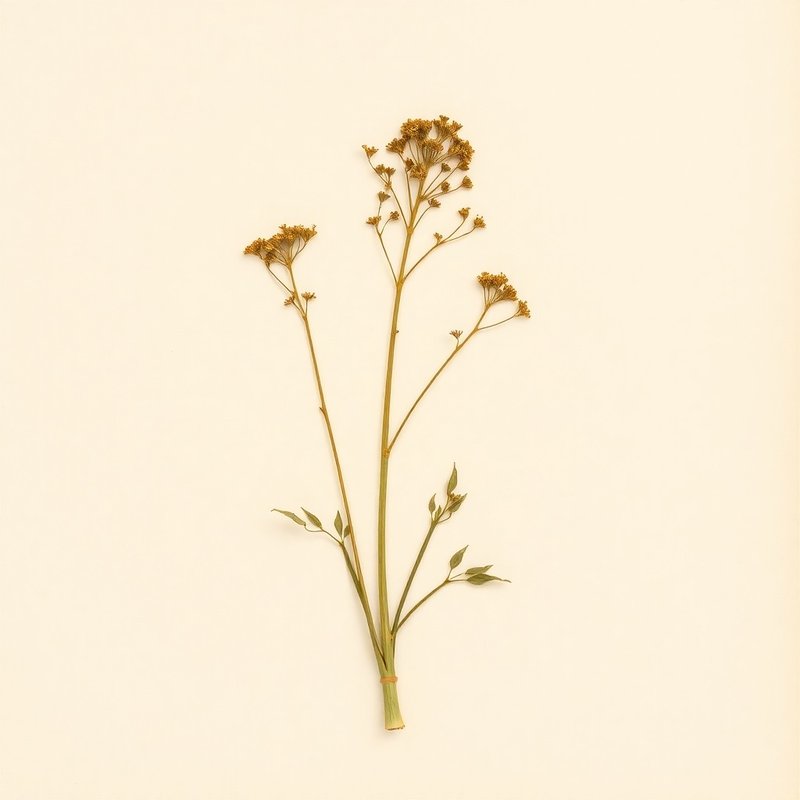
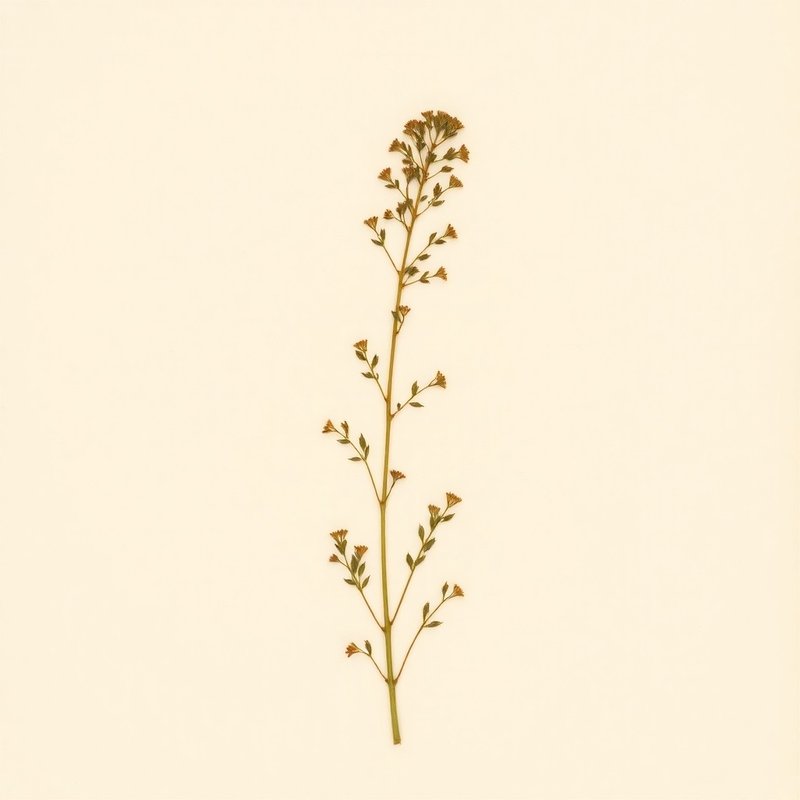
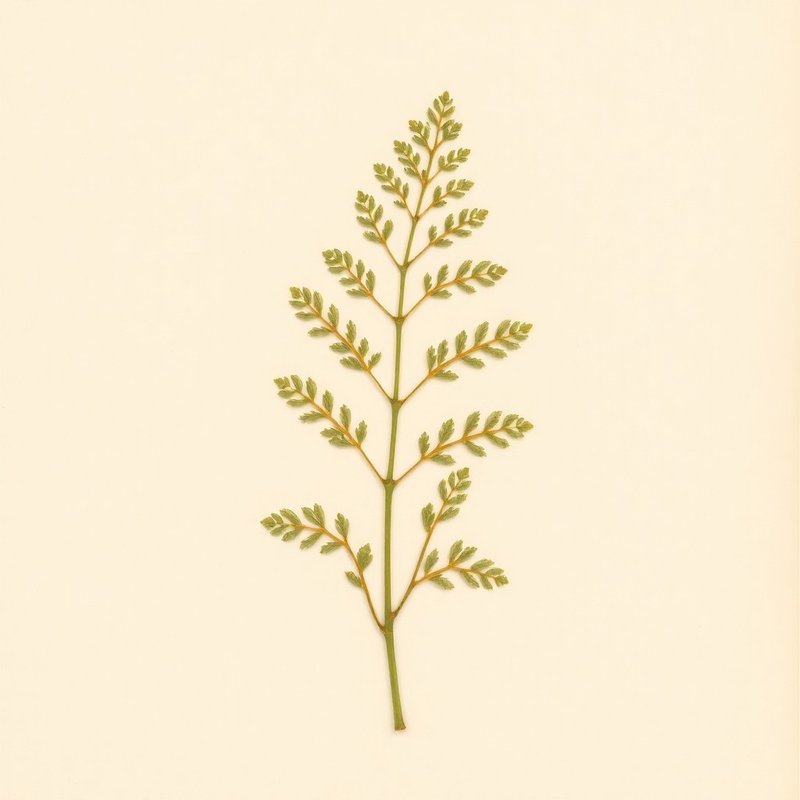
8 relatedPlants you might compare or use together — scored by shared family (Brassicaceae), common use cases, and growing requirements.
Explore further
About this entry
- Last updated
- Citation
- How to cite this entry · Submit a correction
Continue reading
Primește digest-ul săptămânal
Un email curat pe săptămână — profile noi de plante, note sezoniere de cultivare, adăugiri în arhiva de remedii. Gratuit, fără tracking, dezabonare oricând.