
Wombat Berry
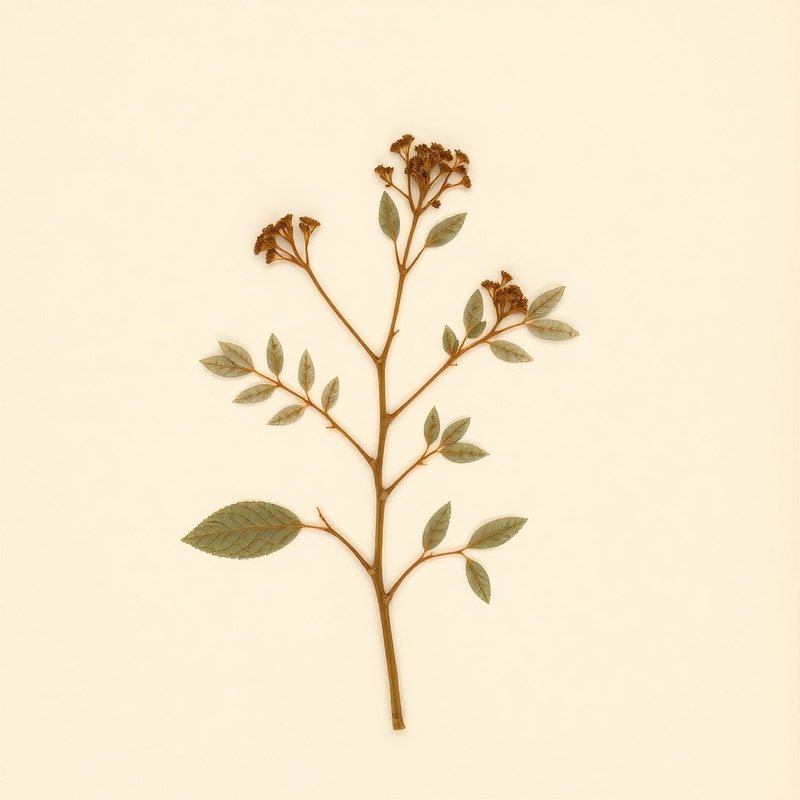
IPrezentare
Prezentare
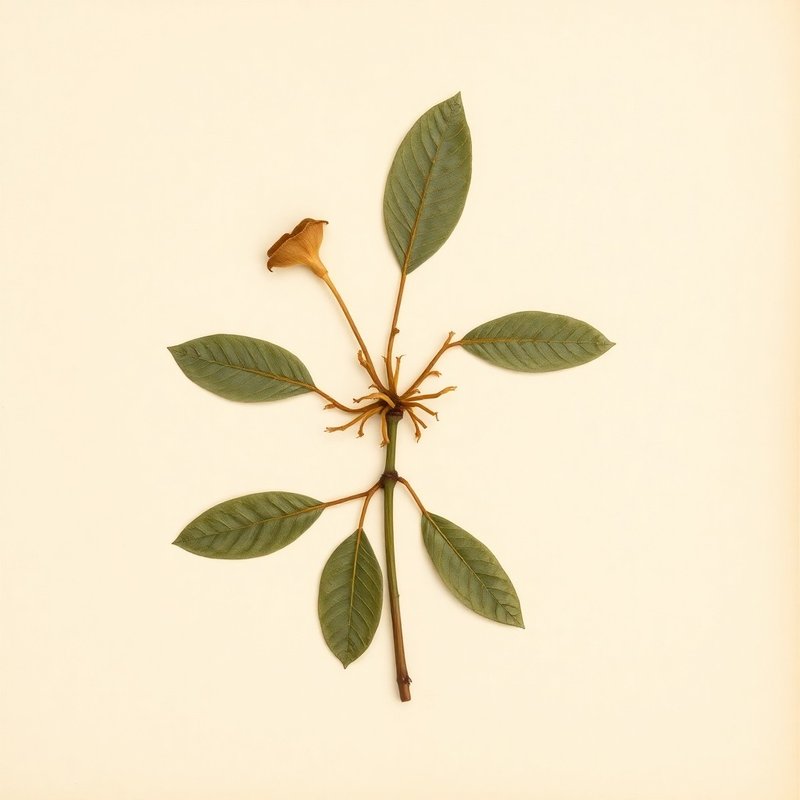
Wombat Berry (Eustrephus latifolius) este un arbore pereniu sau vineri nativ în zonele costiere și subtropice din Noua Caledonia, Nova Gvineea, Victoria, Noua Gaeța, Queensland și Solomon. Această plantă se dezvoltă în semisunet până la umeditate, preferând condițiile umede și poate crește până la 5 metri în înălțime. Este cunoscut pentru fructele sale edibile și rădăcina sa, fapt care o face o resursă valoroasă în zonele unde se dezvolte. Un caracteristică distinctivă a Wombat Berry este adaptabilitatea sa la diverse tipuri de suoli, inclusiv suoli ușoară (sândal), medie și greu (argila).
What is Wombat Berry?
Wombat Berry (Eustrephus latifolius) este un arbore pereniu sau vineri nativ în zonele costiere și subtropice din Noua Caledonia, Nova Gvineea, Victoria, Noua Gaeța, Queensland și Solomon. Această plantă se dezvoltă în semisunet până la umeditate, preferând condițiile umede și poate crește până la 5 metri în înălțime.
What is Wombat Berry used for?
Traditionally used for digestion, immune support. Each claim is evidence-rated — see Section II for full citations.
IIBeneficii și dovezi
2 claims · traditional-use context
Beneficii și dovezi
2 claims · traditional-use context- Wombat Berry has been traditionally used in Australian Aboriginal medicine for digestive issues, often prepared as a decoction to soothe the stomach and aid digestion.
The mechanism is not fully characterised but may involve compounds similar to those found in other Myrtaceae species that have anti-inflammatory and antimicrobial properties.
▲ ModerateDigestion → - Wombat Berry is traditionally used in indigenous medicine to support the immune system, often consumed as a tea or decoction during cold and flu season.
The mechanism is not fully characterised but may involve compounds similar to those found in other Myrtaceae species that have antioxidant and anti-inflammatory effects.
▲ ModerateImmune support →
IV·bMixology suggestions
1 draft
Mixology suggestions
1 draftVCultivare
Cultivare
How to grow Wombat Berry for the first time
Start with a simple, low-maintenance shrub that thrives in partial sun and moist soil.
- 1
What you'll need
Wombat Berry plant or seeds, potting mix, container if planting in a pot.
- 2
Best time to plant
Plant Wombat Berry during spring or autumn when temperatures are mild.
- 3
Soil and container prep
Use well-draining soil with a pH between 5.0 and 6.5 for best results.
- 4
Sowing or transplanting
Transplant young plants from a nursery, or sow seeds directly into the ground or potting mix.
- 5
First two weeks
Water regularly to keep soil moist but not waterlogged. Avoid direct sunlight during this period.
- 6
Ongoing care
Provide partial shade and regular watering, especially in dry periods. Prune lightly to maintain shape.
- 7
Harvest or pruning
Prune after flowering to encourage new growth and remove any dead or damaged branches.
- 8
Common mistakes
Overwatering, planting in full sun, neglecting regular pruning.
VIEdible & utility
Edible & utility
VIIDistribuție
6 native · 0 introduced
Distribuție
6 native · 0 introducedIXSpecimen gallery
1 image
Specimen gallery
1 imageXSee also
8 related
See also
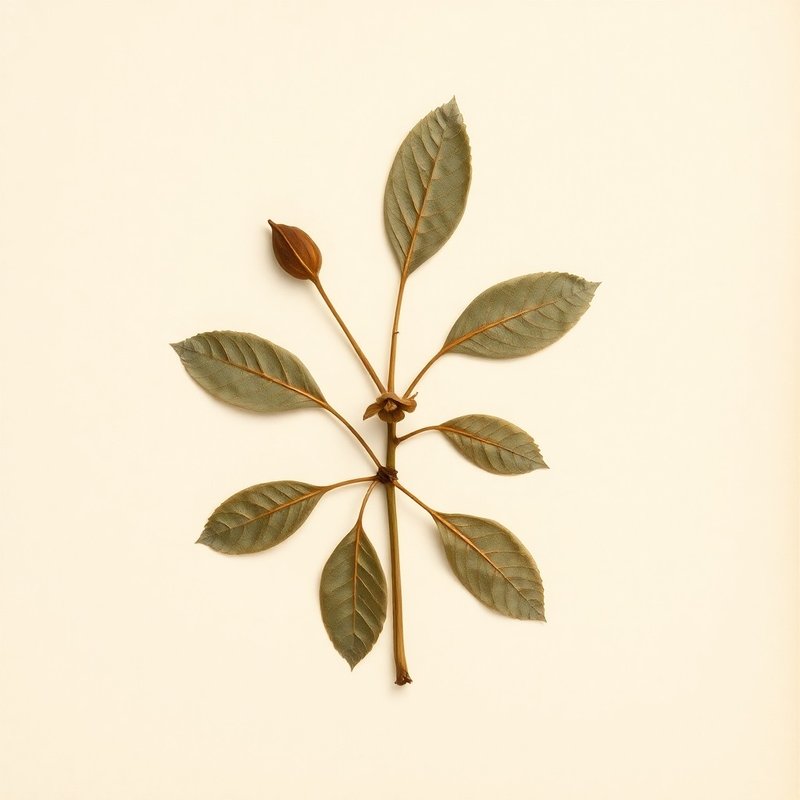
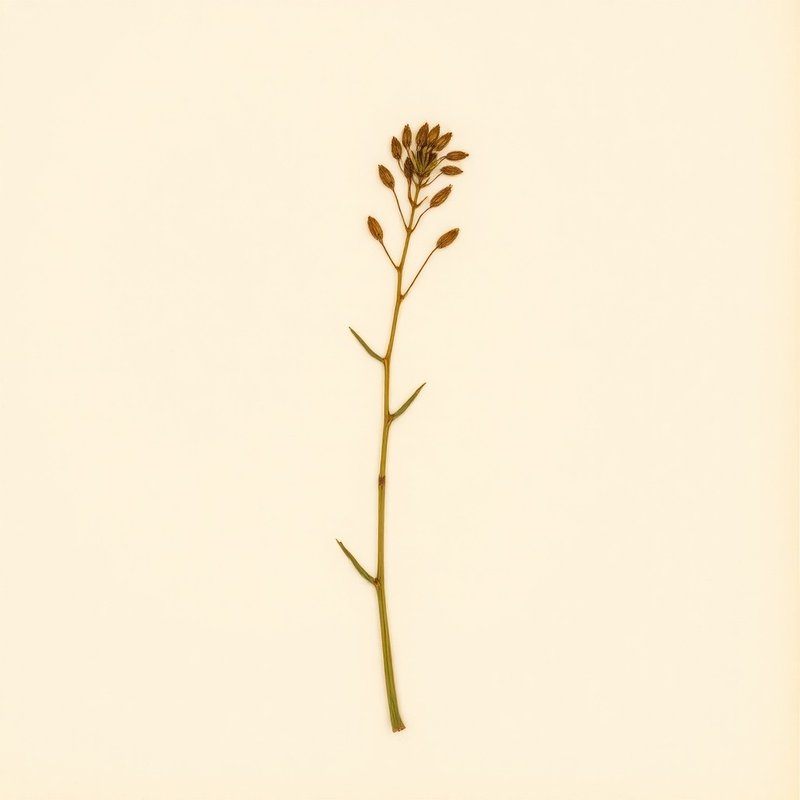
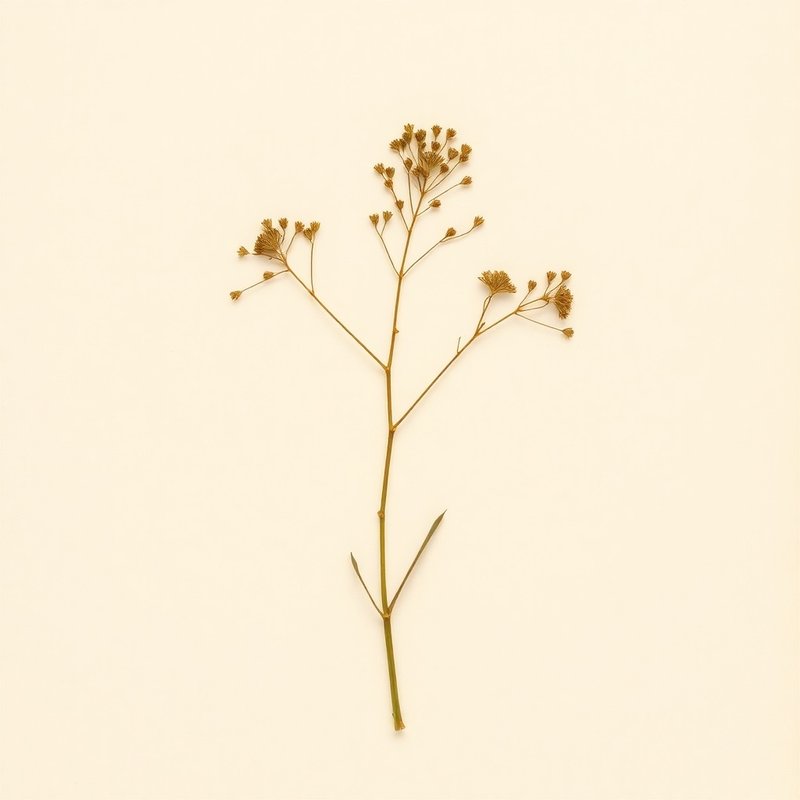
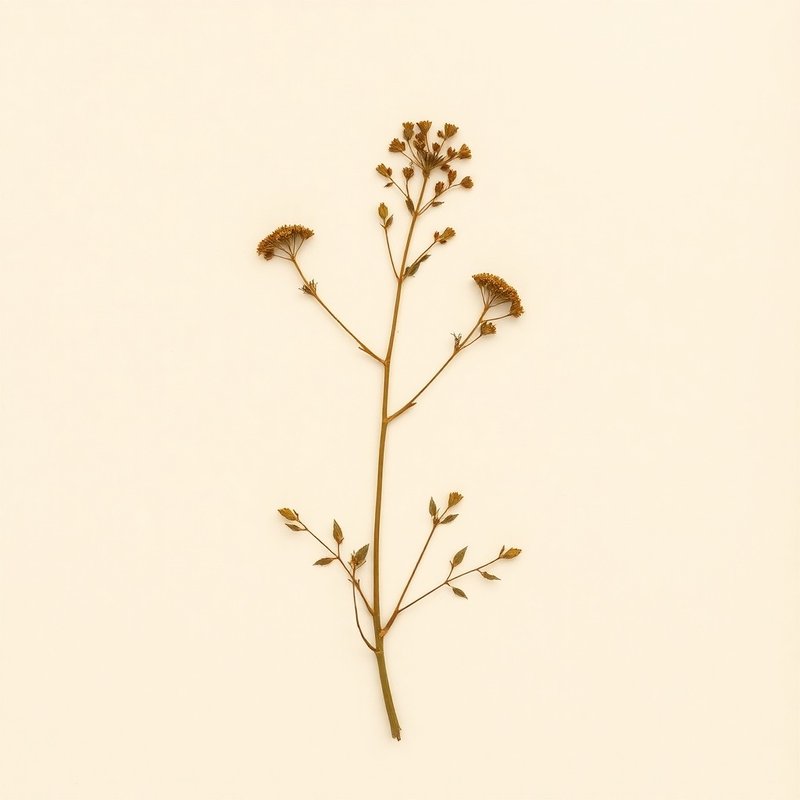
8 relatedPlants you might compare or use together — scored by shared family (Myrtaceae), common use cases, and growing requirements.
Explore further
About this entry
- Last updated
- Citation
- How to cite this entry · Submit a correction
Continue reading
Primește digest-ul săptămânal
Un email curat pe săptămână — profile noi de plante, note sezoniere de cultivare, adăugiri în arhiva de remedii. Gratuit, fără tracking, dezabonare oricând.