
Gan Cao
Glycyrrhiza uralensis
Educational content — not medical, botanical, or professional advice. Always consult a qualified clinician before using any herbal preparation — especially during pregnancy, breastfeeding, while on medication, or for children. How we source & review →
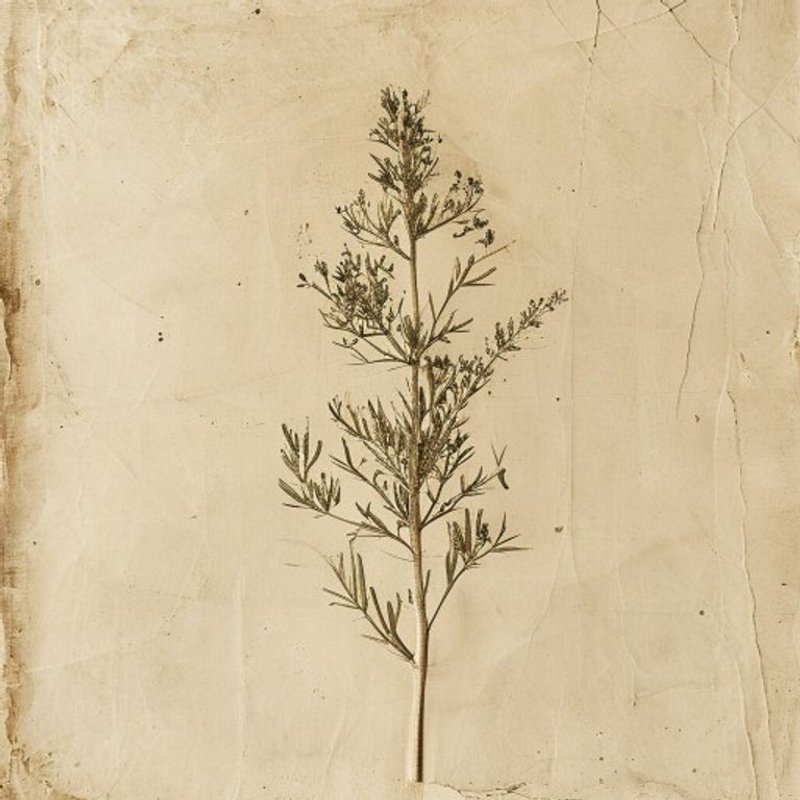
Pl. 7029 — Glycyrrhiza uralensis
Glycyrrhiza uralensisGlycyrrhiza uralensisGlycyrrhiza uralensisGlycyrrhiza uralensisGlycyrrhiza uralensisGlycyrrhiza uralensisGlycyrrhiza uralensisGlycyrrhiza uralensisGlycyrrhiza uralensisGlycyrrhiza uralensisGlycyrrhiza uralensisGlycyrrhiza uralensisGlycyrrhiza uralensisGlycyrrhiza uralensis
IPrezentare
Prezentare
Gan Căo, cunoscut scientific sub numele de *Glycyrrhiza uralensis*, este o plantă perenială nativă în regiuni precum Afghanistan, Altay, Buryatiya și Inner Mongolia. Această membru a familiei leguminice se dezvoltă în mediile umide cu expozție la lumă deosebit de ușoară sau parțială, crescând până la 0,6 metri în înălțime. Planta preferă soluri bine aeriate care sunt ușoare (sandy), medii sau grele (clay) și este durabilă în zonele 5-9. Plantul este notabil pentru rădăcinile sale comestibile, utilizate de secole în practica tradițională. Găsit pe o amplă gamă de teritorii de la Rusia de Est Europeană până la Pakistan, Gan Căo este valorificat din cauza gustului său dulce și utilizărilor tradiționale.
Quick answers
What is Gan Cao?
Gan Căo, cunoscut scientific sub numele de *Glycyrrhiza uralensis*, este o plantă perenială nativă în regiuni precum Afghanistan, Altay, Buryatiya și Inner Mongolia.
What is Gan Cao used for?
Traditionally used for stress & anxiety, digestion. Each claim is evidence-rated — see Section II for full citations.
Best for
Top 2 evidence-ranked uses of Gan Cao
Clinicaluses · safety · chemistry · dosagemedicinal profile
IIBeneficii și dovezi
2 claims · 0 sources
Beneficii și dovezi
2 claims · 0 sources- Traditional-use note: Gan Cao appears in herbal sources around calming and relaxation traditions, often as a decoction. PlantSage presents this as ethnobotanical context, not as medical advice.
Traditional context only. This reviewed claim keeps the original moderate confidence level, but avoids treatment, disease, dosage, or guaranteed-effect language.
- Gan Cao has been traditionally used in Chinese medicine to support digestive health, particularly for conditions like stomach pain and indigestion. It is often prepared as a decoction or tea.
The mechanism involves compounds such as glycyrrhizin and flavonoids that may help soothe the lining of the gastrointestinal tract and promote healthy digestion. However, the exact pathway is not fully characterised.
IV·bMixology suggestions
1 draft
Mixology suggestions
1 draftEditorial drafts. These pairings are AI-suggested from traditional herbal lore. Always verify with a qualified herbalist before brewing.
Gan Cao support blend
generaltea
AI returned a direct ingredient list; normalized into one draft blend for editorial review.
Growingconditions · propagation · uses
VCultivare
Cultivare
Gan Căo, sau *Glycyrrhiza uralensis*, se dezvoltă în expozții de lumă complete sau parțiale și preferă soluri umide care sunt ușoare (sandy), medii sau grele (clay). Este durabil în zonele 5-9 și crește ca plantă perenială, atingând o înălțime maximă de 0,6 metri. Pentru propagarea, potrivirile din rădăcini se pot folosi. Asigurați-vă că plantă are o umiditate adecvată și un sol bine aeriat pentru creșterea optimă.
Light
Full sun, Partial sun/shade
Water
Moist
Soil
Light (sandy), Medium, Heavy (clay)
Hardiness
5-9
Life cycle
Perennial
Mature size
0.6 m tall
For first-time growers
How to grow Gan Cao for the first time
8steps
Start with planting Gan Cao in a sunny spot and follow these simple steps for success.
- 1
What you'll need
Seeds or root cuttings, a garden fork, compost.
- 2
Best time to plant
Plant in early spring or late autumn when the soil is moist and cool.
- 3
Soil and container prep
Choose a location with well-draining soil that's light (sandy), medium, or heavy. Amend the soil with compost if needed.
- 4
Sowing or transplanting
For seeds, sow them 2-3 cm deep in rows spaced about 45 cm apart. For root cuttings, plant them horizontally at a depth of 10-15 cm.
- 5
First two weeks
Keep the soil moist but not waterlogged. Water regularly to ensure consistent moisture levels.
- 6
Ongoing care
Water deeply once or twice a week, depending on rainfall and weather conditions. Mulch around the plants to retain moisture and suppress weeds.
- 7
Harvest or pruning
Prune dead foliage in late winter to maintain plant health and encourage new growth.
- 8
Common mistakes
Overwatering, planting too deep, neglecting mulching, not providing enough sunlight.
VIEdible & utility
Edible & utility
Edible parts:Root
Edible uses: Sweetener
Other uses:Fire retardanttextilesDynamic accumulatorNitrogen fixer
Contextrange · companions · related
VIIDistribuție
21 native · 1 introduced
Distribuție
21 native · 1 introducedDistribution across2 continents· 21 native· 1 introduced
Europe1 region
native (1)Russia
Asia6 regions
native (5)AfghanistanChinaKazakhstanMongoliaPakistan
introduced (1)South Korea
Broader regions
native:Altay, Buryatiya, Chita, Irkutsk, Kirgizstan, Krasnoyarsk, Tadzhikistan, Tuva
IXSpecimen gallery
1 image
Specimen gallery
1 imageXSee also
8 related
See also
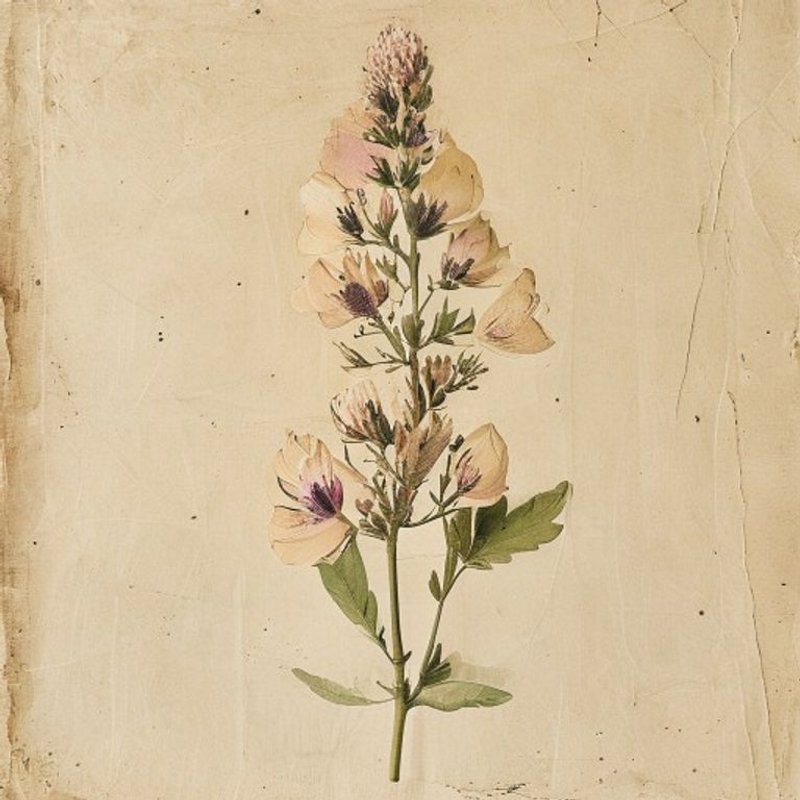
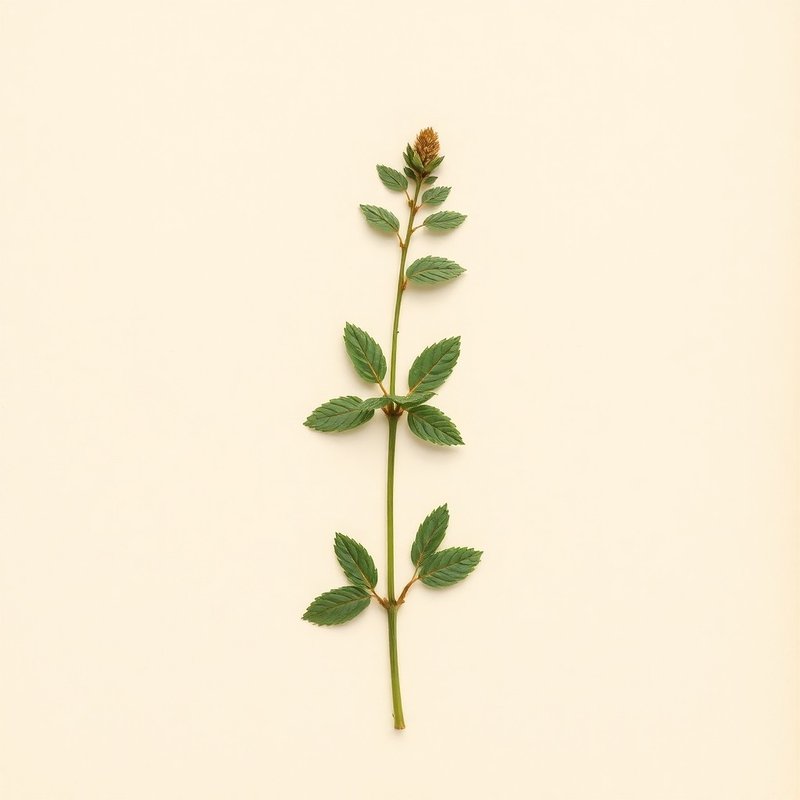
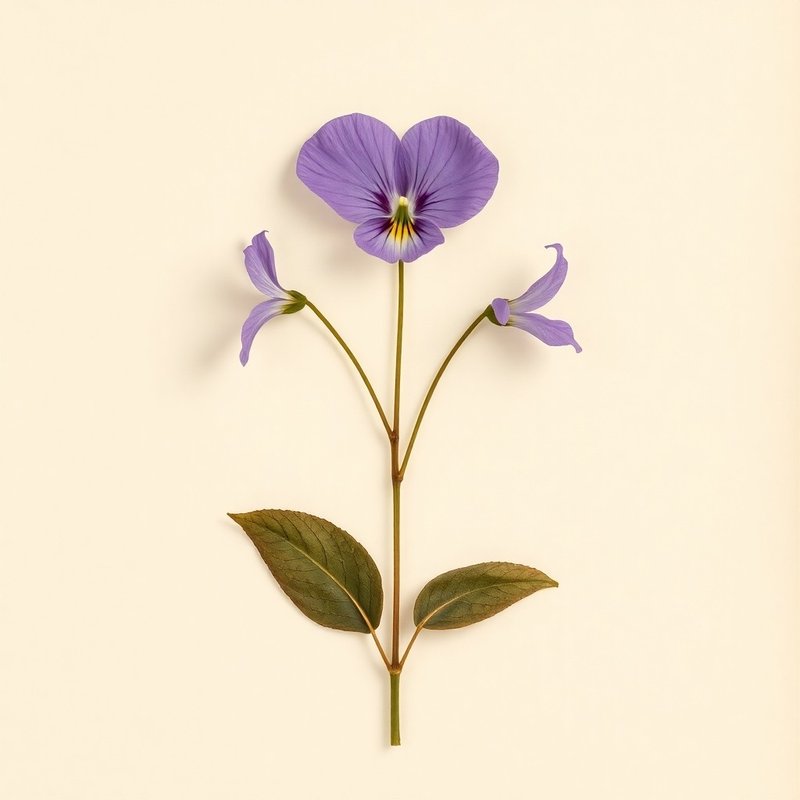
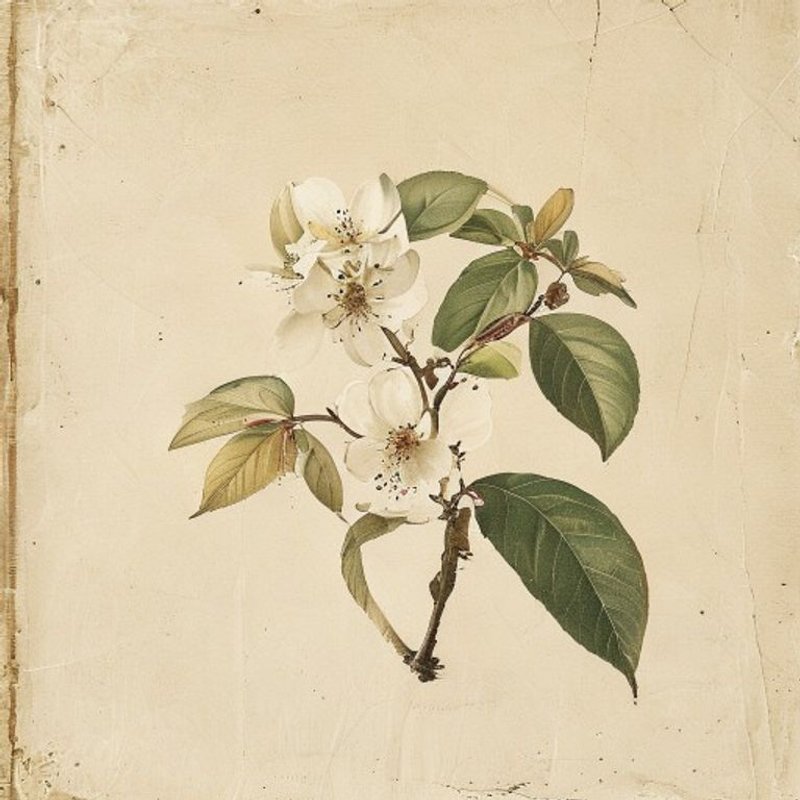
8 relatedPlants you might compare or use together — scored by shared family, common use cases, and growing requirements.
shared use cases
Different families, similar therapeutic role — good for comparing.

XI
Explore further
Companion planting
Compare with similar plants
Growing zone
XII
About this entry
- Last updated
- Citation
- How to cite this entry · Submit a correction
Back to the cataloguePlant id · 702943c1-50f7-4bab-8966-b0faa2acca81
Decision aid
Choosing between Gan Cao and something else?
Continue reading
❦❦❦❦
Endpaper · archive updates
Primește digest-ul săptămânal
Un email curat pe săptămână — profile noi de plante, note sezoniere de cultivare, adăugiri în arhiva de remedii. Gratuit, fără tracking, dezabonare oricând.