
Mochi Tree
IPrezentare
Prezentare
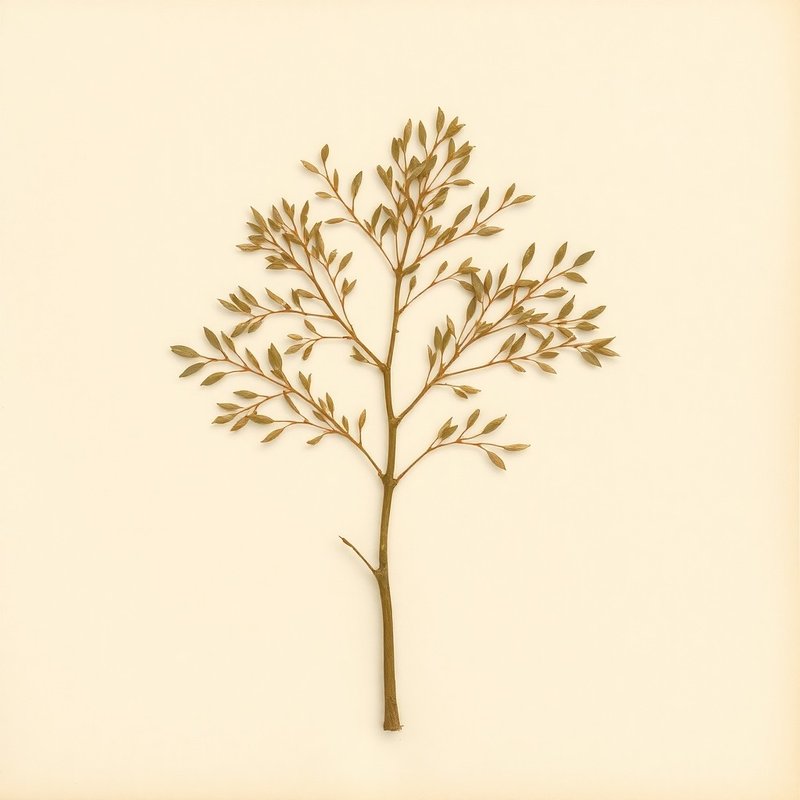
Arborele Mochi (Ilex integra) este o holi deciduă indigenă din estul Chinei, Japonia, Coreea, Nansei-shoto și Taiwan. Această arbore se dezvoltă în soluri umide, bine aeriate de tip liniștit (sândal), mediu sau greu (argil). Puteți să vă asigurați toleranța sa la exponențe parțiale de soare până la solez complet. Cunoscut pentru fructele sale comestibile, Mochi Tree este o plantă versatilă cu valoare ornamentală. Un caracter distinctiv este capacitatea sa de creștere până la 6 metri în înălțime, făcându-l un adăugare atrăgătoare pentru gardeni și landscape. Rezistența sa la lumină și zonele de rezistență de la 6-9 asigură că poate adapta la diferite condiții climatice.
What is Mochi Tree?
Arborele Mochi (Ilex integra) este o holi deciduă indigenă din estul Chinei, Japonia, Coreea, Nansei-shoto și Taiwan. Această arbore se dezvoltă în soluri umide, bine aeriate de tip liniștit (sândal), mediu sau greu (argil). Puteți să vă asigurați toleranța sa la exponențe parțiale de soare până la solez complet.
What is Mochi Tree used for?
Traditionally used for stress & anxiety, immune support. Each claim is evidence-rated — see Section II for full citations.
IIBeneficii și dovezi
2 claims · traditional-use context
Beneficii și dovezi
2 claims · traditional-use context- Traditional-use note: Mochi Tree appears in herbal sources around calming and relaxation traditions, often as a tea. PlantSage presents this as ethnobotanical context, not as medical advice.
Traditional context only. This reviewed claim keeps the original moderate confidence level, but avoids treatment, disease, dosage, or guaranteed-effect language.
▲ ModerateStress & anxiety → - Ilex integra, like other Ilex species, has been traditionally used in Asian medicine to support immune function. A decoction of the leaves may help bolster the body's defenses against common ailments.
The mechanism is not fully characterised but likely involves polyphenols and flavonoids that have antioxidant and anti-inflammatory properties.
▲ ModerateImmune support →
IV·bMixology suggestions
1 draft
Mixology suggestions
1 draftVCultivare
Cultivare
How to grow Mochi Tree for the first time
Start with a Mochi Tree to experience growing a hardy, attractive shrub in your garden.
- 1
What you'll need
A young Mochi Tree sapling and some basic gardening tools like pruners.
- 2
Best time to plant
Plant the Mochi Tree in spring or early fall when temperatures are mild.
- 3
Soil and container prep
Ensure the soil is well-draining, with a mix of light (sandy), medium, and heavy (clay) textures. For containers, use a potting mix suitable for shrubs.
- 4
Sowing or transplanting
Transplant the sapling into your prepared garden bed or container, ensuring it is planted at the same depth as in its nursery pot.
- 5
First two weeks
Water the Mochi Tree regularly to keep the soil moist but not waterlogged. Monitor for any signs of stress or pests.
- 6
Ongoing care
Provide full sun to partial shade, and water when the top inch of soil feels dry. Prune lightly in late winter to maintain shape.
- 7
Harvest or pruning
Prune the Mochi Tree annually in late winter to remove any dead or weak branches and promote healthy growth.
VIEdible & utility
Edible & utility
VIIDistribuție
5 native · 0 introduced
Distribuție
5 native · 0 introducedIXSpecimen gallery
1 image
Specimen gallery
1 imageXSee also
8 related
See also
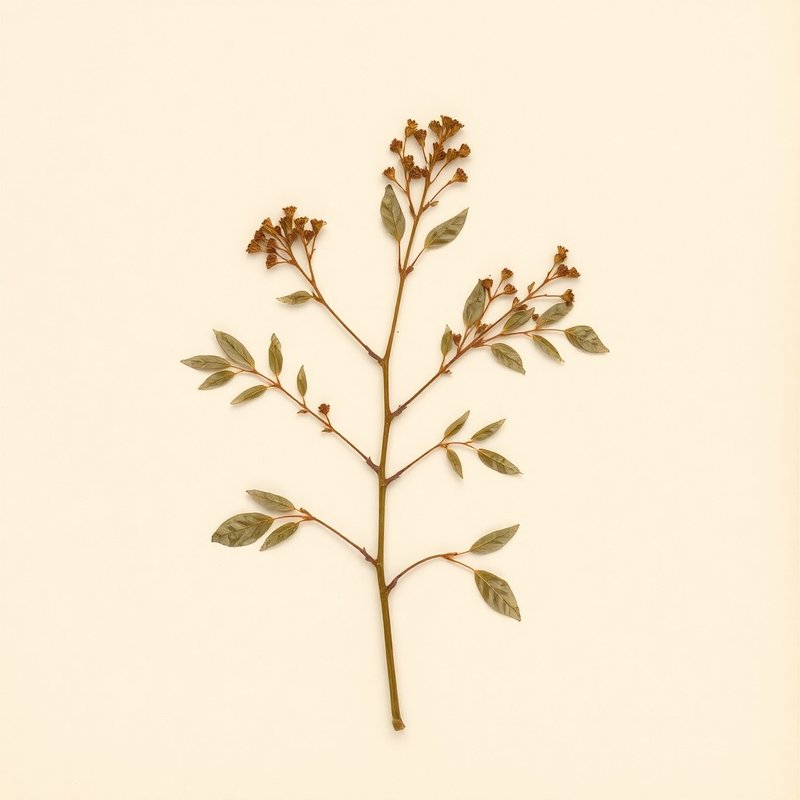
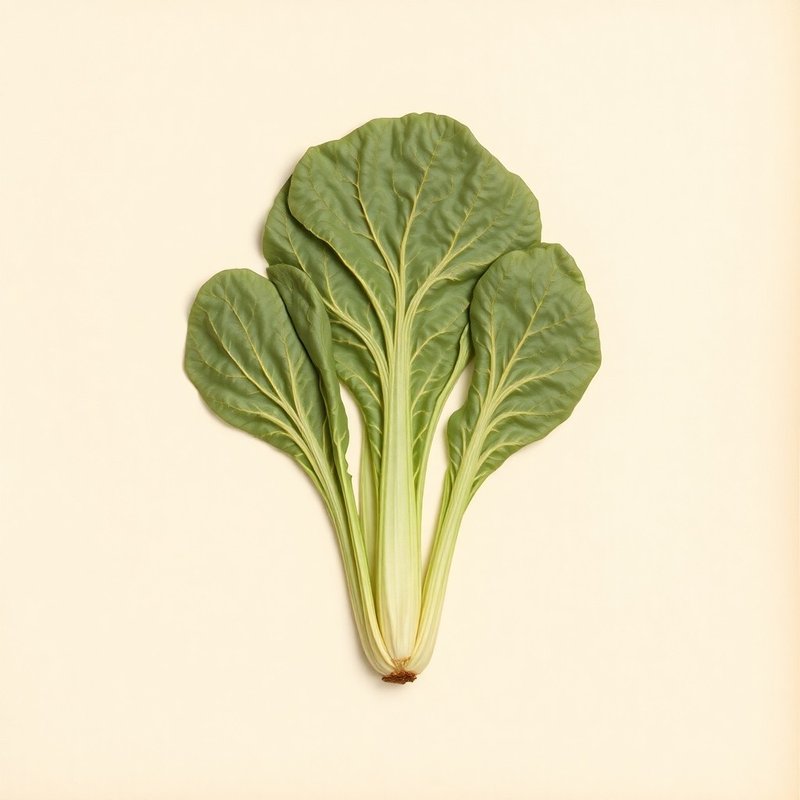
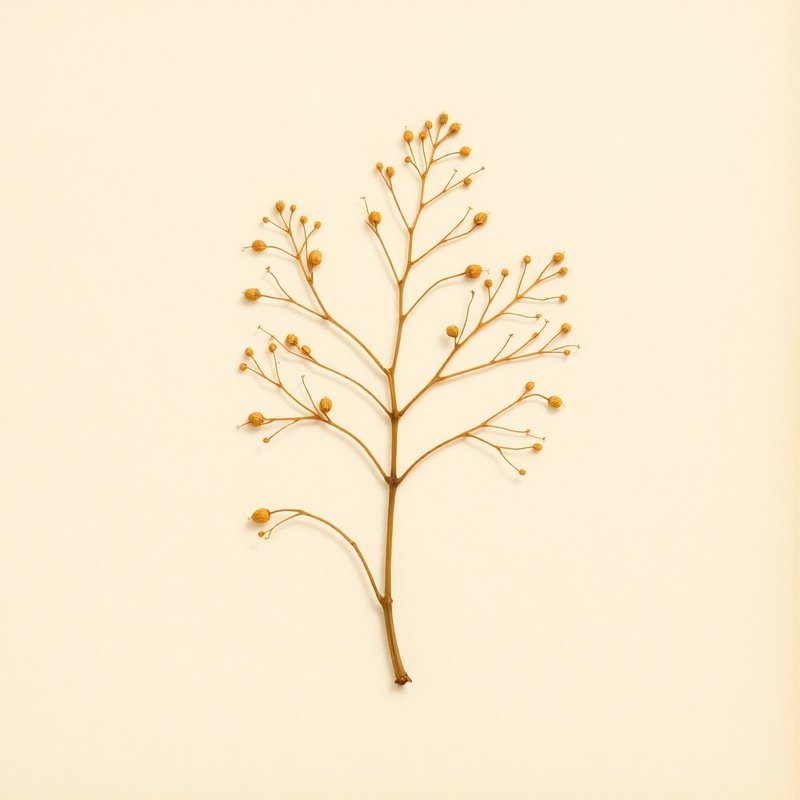
8 relatedPlants you might compare or use together — scored by shared family (Rhamnaceae), common use cases, and growing requirements.

Explore further
About this entry
- Last updated
- Citation
- How to cite this entry · Submit a correction
Continue reading
Primește digest-ul săptămânal
Un email curat pe săptămână — profile noi de plante, note sezoniere de cultivare, adăugiri în arhiva de remedii. Gratuit, fără tracking, dezabonare oricând.