
Olancho walnut
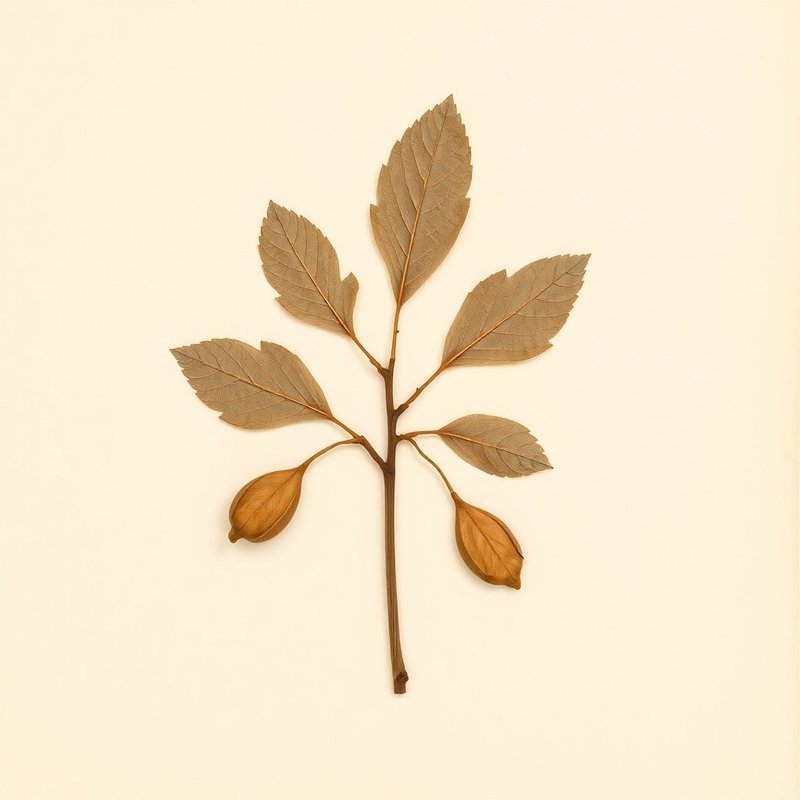
IPrezentare
Prezentare
Olancho walnut (Juglans olanchana) este un arbore decidu mare nativ din America Centrală și nord-estul Meksicii. Această specie se dezvolte în mediile umide cu lumină parțială sau soare direct, creșând în soluri legere (santice), medii sau grele (argila). Poate atinge înalturile impressionante de până la 45 metri și este durabil în zonele USDA 10-12. Cunoscut pentru plămâni alimentare, Olancho walnut joacă un rol important în ecologiile locale și comunitățile ca surse de nutriție. Caracteristică distinctivă a acestui arbore este capacitatea sa de creștere în diverse tipuri de soluri în timp ce menține o înaltă înălțime, făcându-l un arbore notabil în zona sa nativală.
What is Olancho walnut?
Olancho walnut (Juglans olanchana) este un arbore decidu mare nativ din America Centrală și nord-estul Meksicii. Această specie se dezvolte în mediile umide cu lumină parțială sau soare direct, creșând în soluri legere (santice), medii sau grele (argila).
What is Olancho walnut used for?
Traditionally used for digestion. Each claim is evidence-rated — see Section II for full citations.
IIBeneficii și dovezi
1 claim · traditional-use context
Beneficii și dovezi
1 claim · traditional-use context- Juglans species, including Olancho walnut, have been traditionally used in Mesoamerican medicine to support digestive health. A decoction of the bark or leaves may help alleviate occasional indigestion and bloating.
The mechanism involves tannins and juglone which can exert astringent effects on the gastrointestinal tract, potentially reducing inflammation and soothing irritation.
▲ ModerateDigestion →
IV·bMixology suggestions
1 draft
Mixology suggestions
1 draftVCultivare
Cultivare
How to grow Olancho walnut for the first time
Start with planting an Olancho walnut in a sunny spot, as it thrives in full to partial sun.
- 1
What you'll need
A healthy Olancho walnut seed or sapling, a trowel, and mulch.
- 2
Best time to plant
Plant in spring when the soil is moist but not waterlogged.
- 3
Soil and container prep
Choose a location with well-draining soil that's light (sandy), medium, or heavy (clay). Ensure it gets full sun to partial shade.
- 4
Sowing or transplanting
Plant the seed 2-3 cm deep in the ground. For saplings, dig a hole twice as wide and deep as the root ball.
- 5
First two weeks
Keep the soil moist but not soggy. Water regularly to help establish roots.
- 6
Ongoing care
Water deeply once a week during dry spells. Fertilize in early spring with compost or well-rotted manure.
- 7
Harvest or pruning
Prune in late winter before new growth starts to maintain shape and remove dead branches.
- 8
Common mistakes
Overwatering, planting too deep, neglecting regular watering during dry spells, not providing enough sunlight, and using chemical fertilizers.
VIEdible & utility
Edible & utility
VIIDistribuție
10 native · 0 introduced
Distribuție
10 native · 0 introducedIXSpecimen gallery
1 image
Specimen gallery
1 imageXSee also
8 related
See also
8 relatedPlants you might compare or use together — scored by shared family, common use cases, and growing requirements.


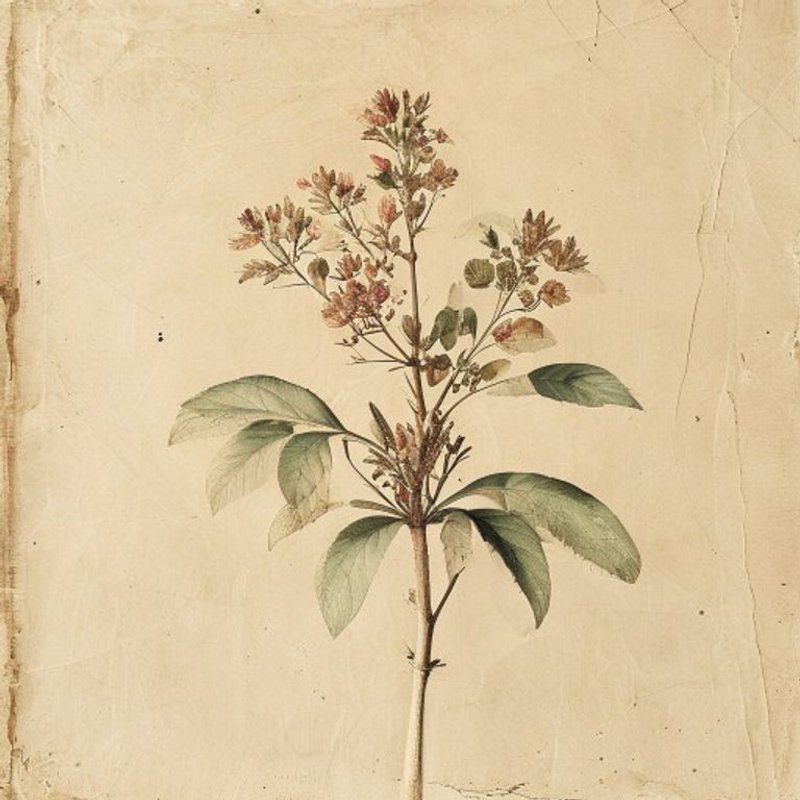
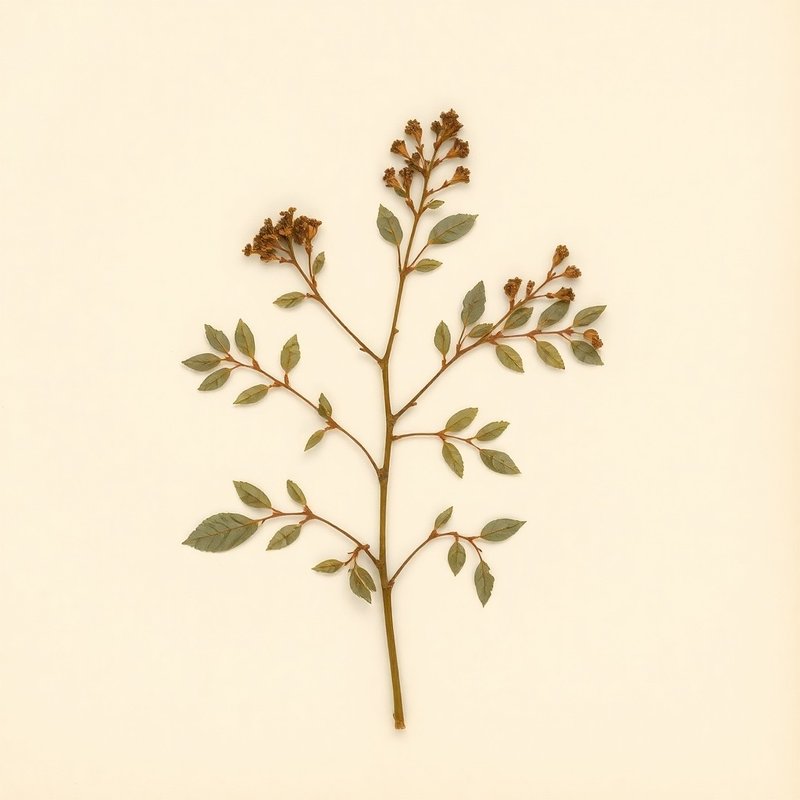
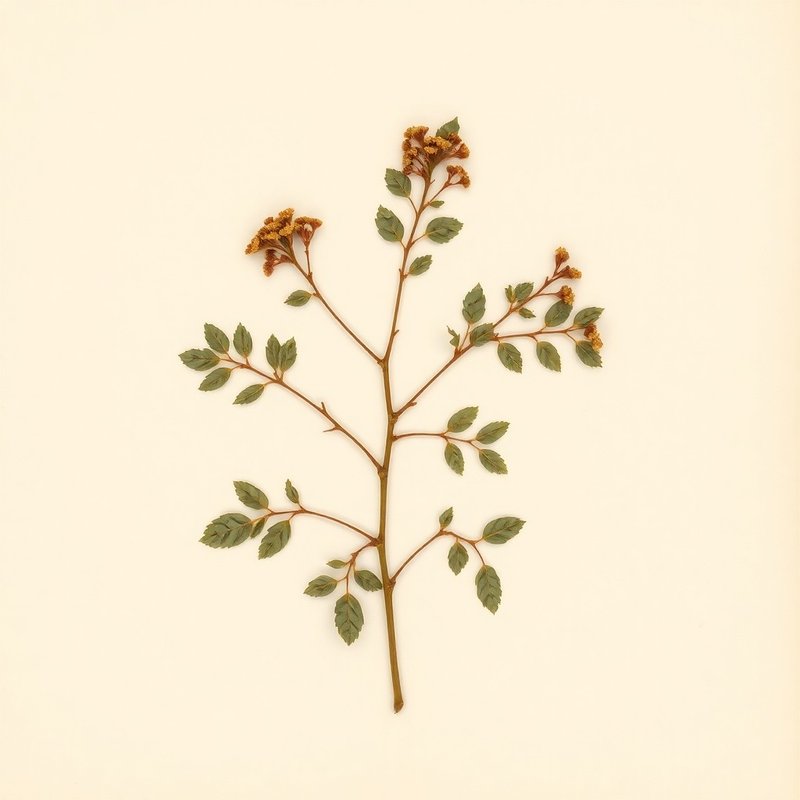
Explore further
About this entry
- Last updated
- Citation
- How to cite this entry · Submit a correction
Continue reading
Primește digest-ul săptămânal
Un email curat pe săptămână — profile noi de plante, note sezoniere de cultivare, adăugiri în arhiva de remedii. Gratuit, fără tracking, dezabonare oricând.