
Carex nubigena
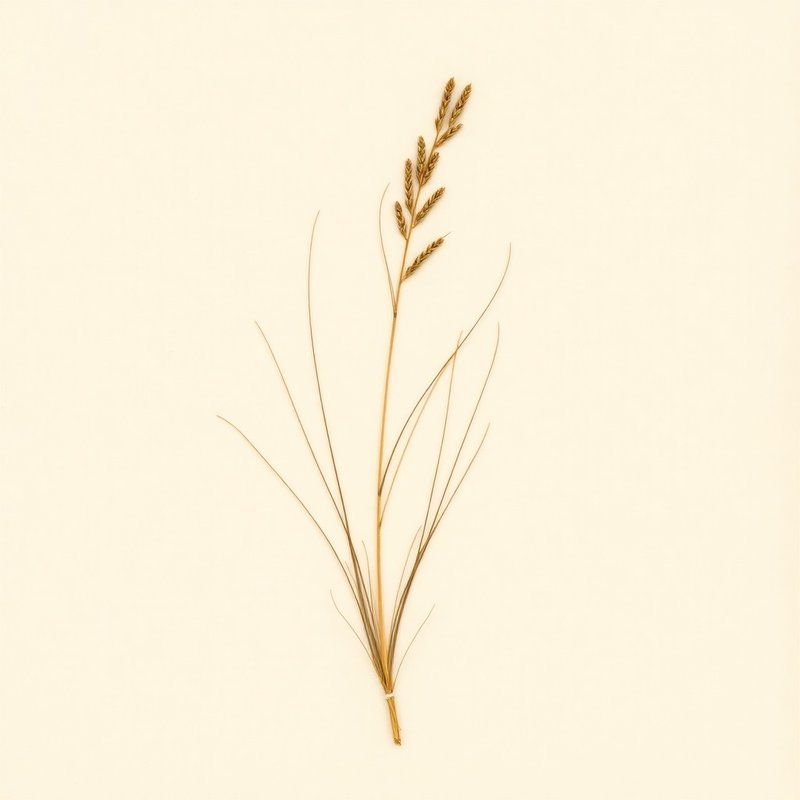
IPrezentare
Prezentare
Carex nubigena, o plantă perenicolă din familie Cyperaceae, este nativă în regiuni precum Afganistan, Pakistan și părți ale China și Indiei. Cunoscut pentru rădăcinile și semințele sale edibile, această plantă se dezvoltă în mediului umid sau moștenit cu expuneri de lumine ușoare la parțială. Se găsește în diverse tipuri de suoli - liniștit (sândal), mediu și greu (argilă) - făcând-o adaptabilă la diferite condiții. Un caracter distinctiv este prezența sa în regiunea Himalaya de Est, adăugând diversitate geografică.
What is Carex nubigena?
Carex nubigena, o plantă perenicolă din familie Cyperaceae, este nativă în regiuni precum Afganistan, Pakistan și părți ale China și Indiei. Cunoscut pentru rădăcinile și semințele sale edibile, această plantă se dezvoltă în mediului umid sau moștenit cu expuneri de lumine ușoare la parțială.
What is Carex nubigena used for?
Traditionally used for digestion, immune support. Each claim is evidence-rated — see Section II for full citations.
IIBeneficii și dovezi
2 claims · traditional-use context
Beneficii și dovezi
2 claims · traditional-use context- Carex nubigena has been traditionally used in Asian medicine for digestive issues, often prepared as a decoction to soothe the stomach and aid digestion.
The mechanism is not fully characterised but may involve compounds that interact with gut motility or reduce inflammation in the gastrointestinal tract.
▲ ModerateDigestion → - Carex nubigena is traditionally used to support immune function, often prepared as a tea or decoction during times of seasonal illness.
The mechanism is not fully characterised but may involve compounds that modulate the immune response and have anti-inflammatory effects.
▲ ModerateImmune support →
IV·bMixology suggestions
1 draft
Mixology suggestions
1 draftVCultivare
Cultivare
How to grow Carex nubigena for the first time
Start with Carex nubigena as a simple, low-maintenance perennial for your garden.
- 1
What you'll need
A small plant or seeds, a trowel, and a watering can.
- 2
Best time to plant
Plant in spring after the last frost or fall before the first freeze.
- 3
Soil and container prep
Choose a location with moist, well-draining soil. Ensure the area receives full sun to partial shade.
- 4
Sowing or transplanting
Transplant young plants or sow seeds directly into the ground. Space them about 12-18 inches apart.
- 5
First two weeks
Water regularly, keeping the soil moist but not waterlogged. Monitor for any signs of stress.
- 6
Ongoing care
Provide consistent moisture and mulch to retain soil moisture. Prune dead foliage in early spring.
- 7
Harvest or pruning
Prune dead leaves throughout the growing season to maintain a neat appearance.
- 8
Common mistakes
Overwatering, planting in too dry of conditions, and not providing enough light are common issues.
VIEdible & utility
Edible & utility
VIIDistribuție
16 native · 14 introduced
Distribuție
16 native · 14 introducedIXSpecimen gallery
1 image
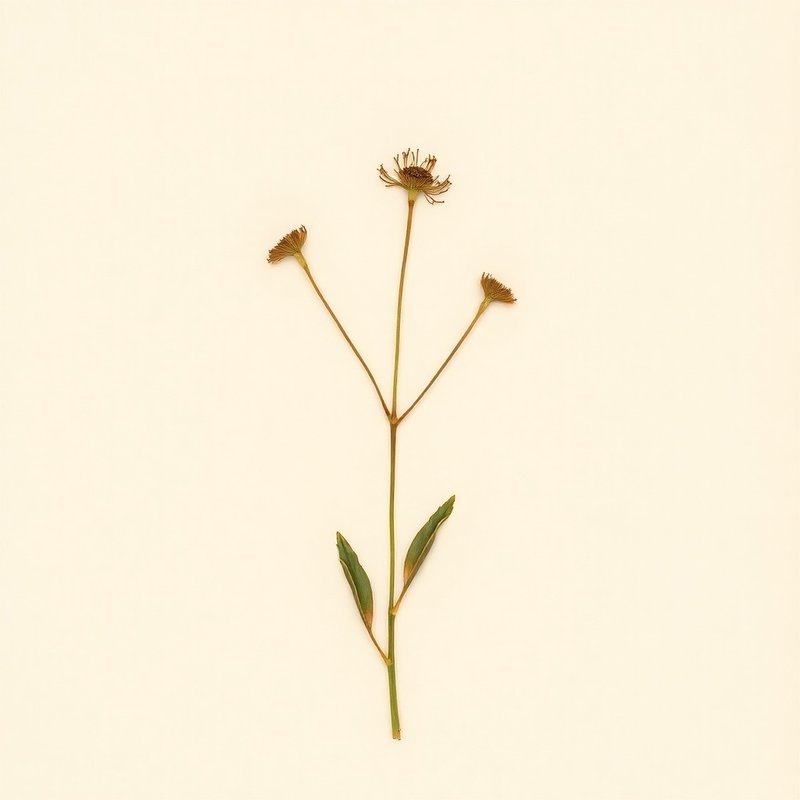
Specimen gallery
1 imageXSee also
8 related
See also
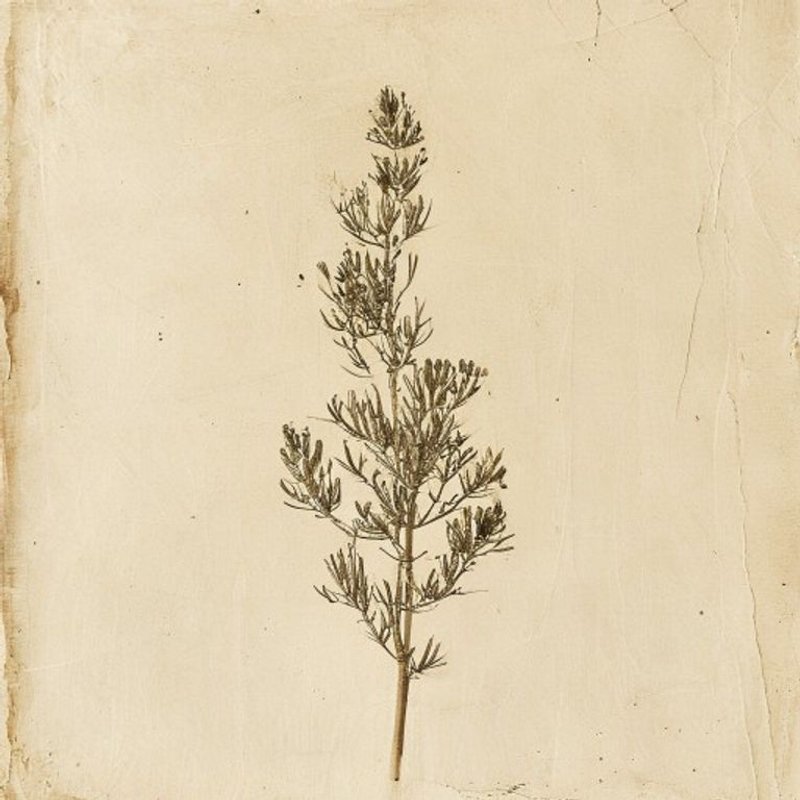
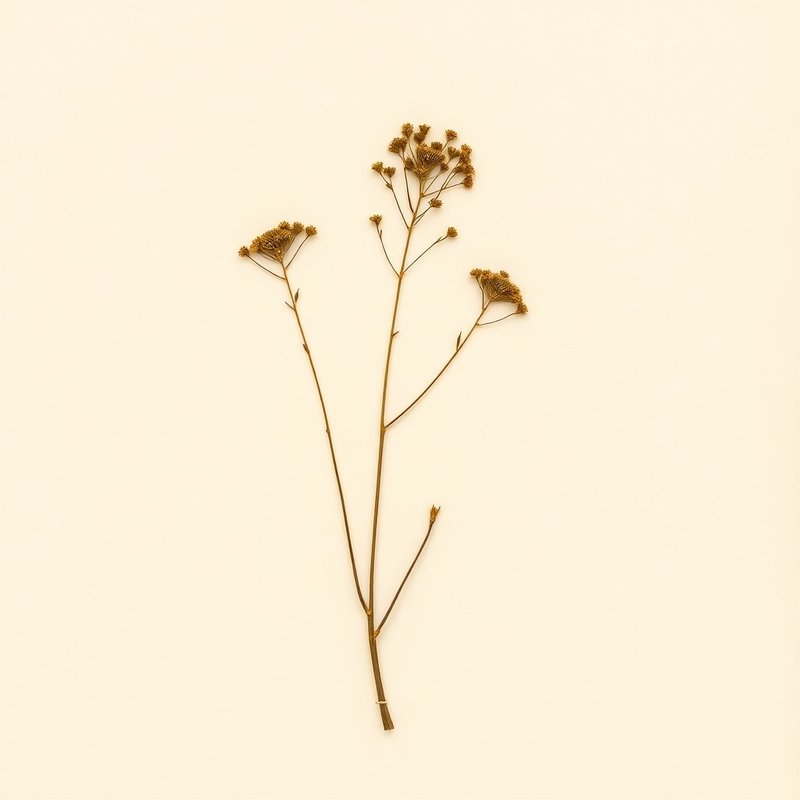
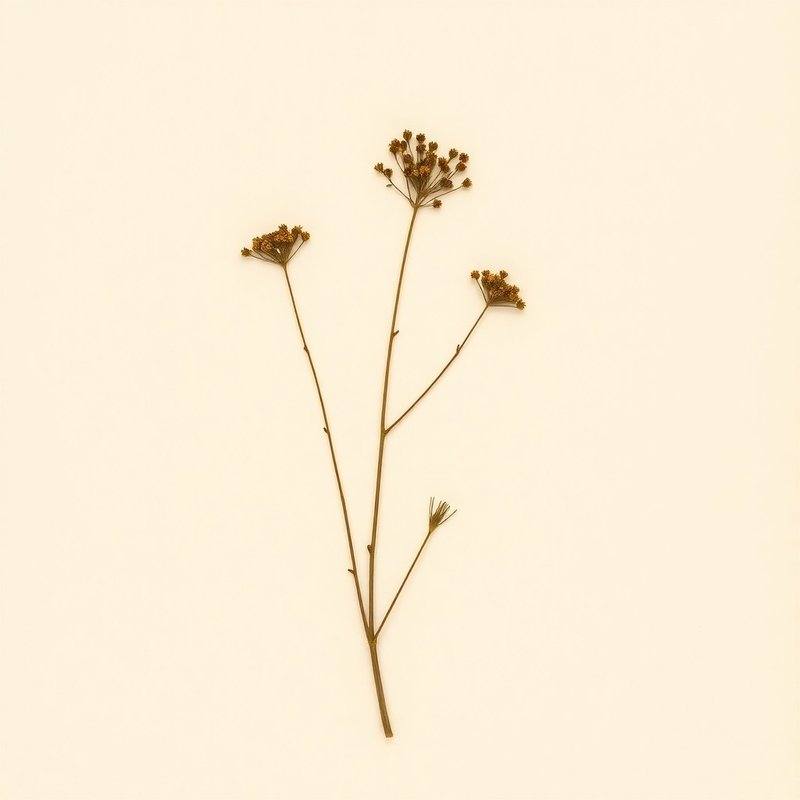
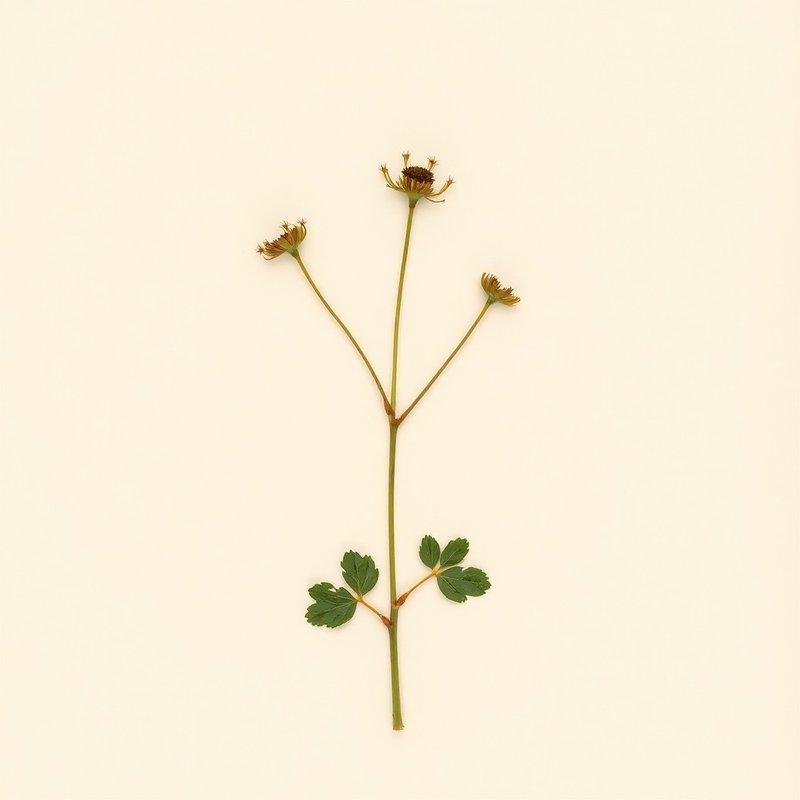
8 relatedPlants you might compare or use together — scored by shared family (Caryophyllaceae), common use cases, and growing requirements.
Explore further
About this entry
- Last updated
- Citation
- How to cite this entry · Submit a correction
Continue reading
Primește digest-ul săptămânal
Un email curat pe săptămână — profile noi de plante, note sezoniere de cultivare, adăugiri în arhiva de remedii. Gratuit, fără tracking, dezabonare oricând.