Skip to content
IIIFolio · plant profile№ AD39medicinal · edible
Data provenancePermapeopleTrefleWikipediaPFAFPOWOeditorially reviewedreviewed 14 Jul 2026methodology → read

Annual Yellow Sweetclover
Melilotus indicus
Educational content — not medical, botanical, or professional advice. Always consult a qualified clinician before using any herbal preparation — especially during pregnancy, breastfeeding, while on medication, or for children. How we source & review →
medicinaledibleannualediblemedicinal
Updated·Quick Q&A →
Garden journal pausedUse profile notes below
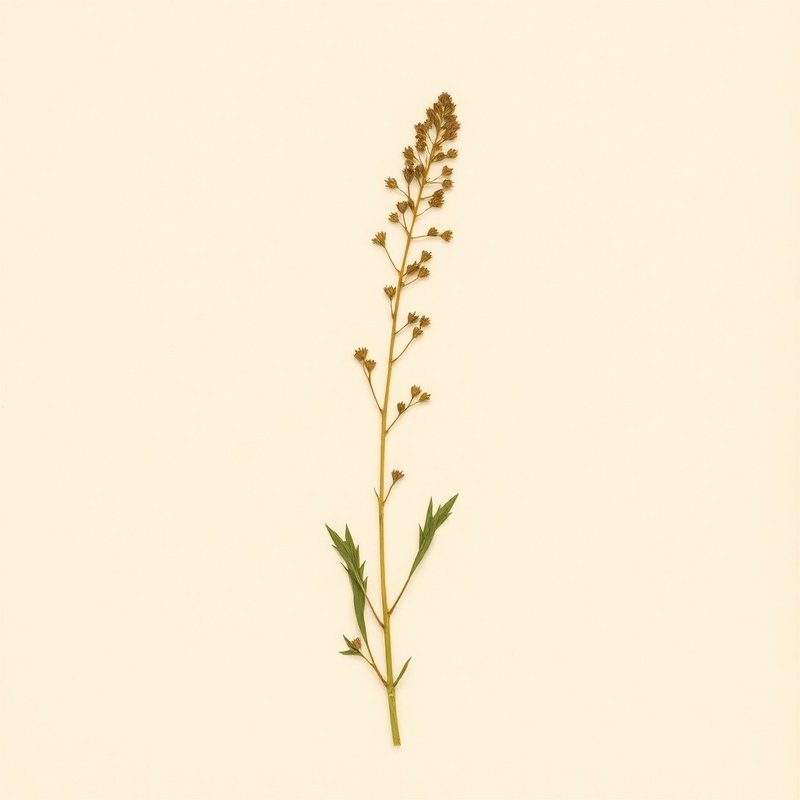
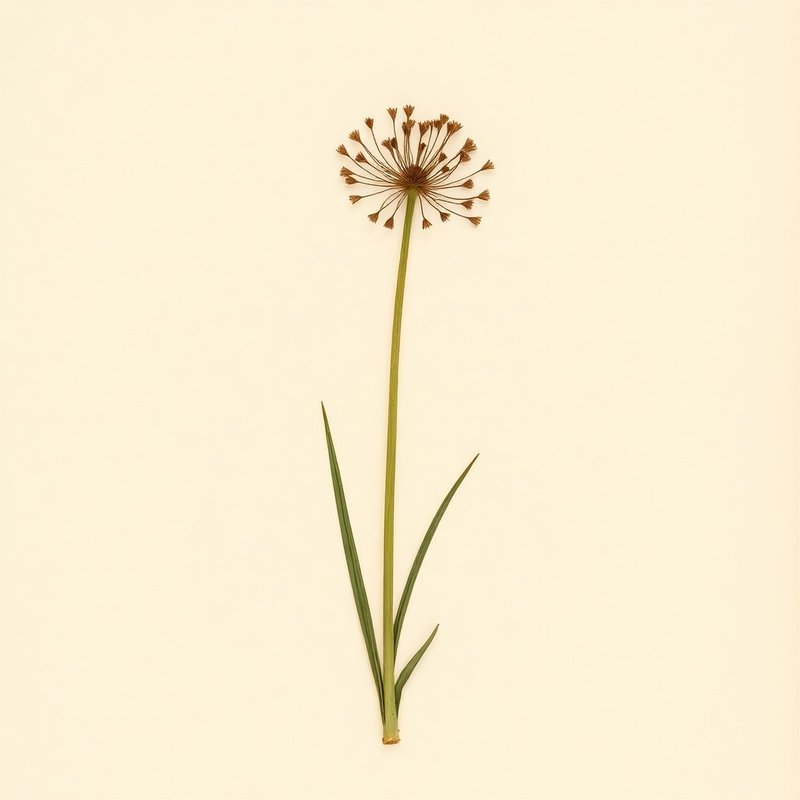
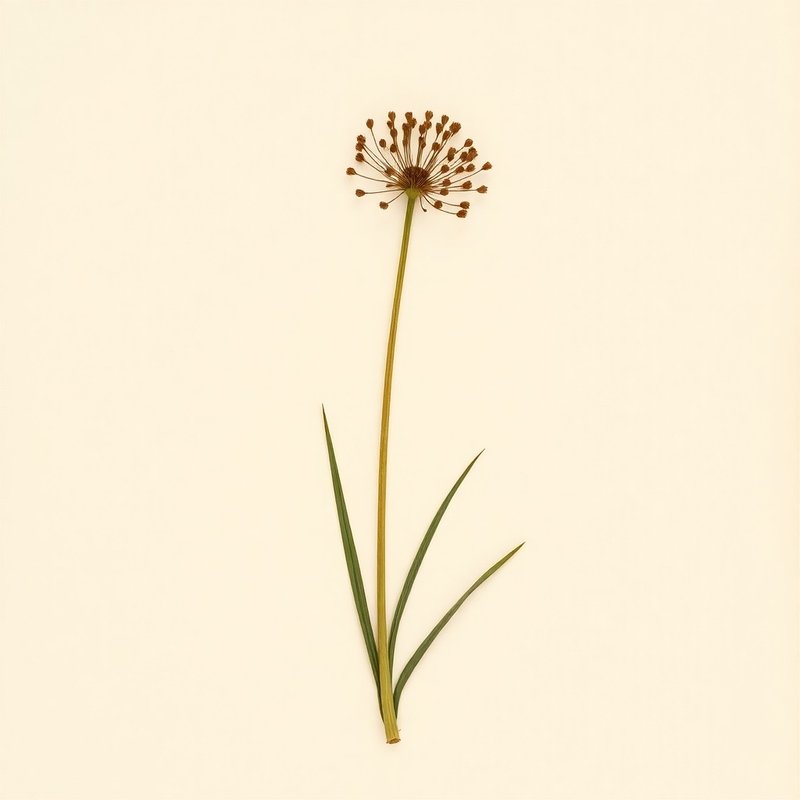
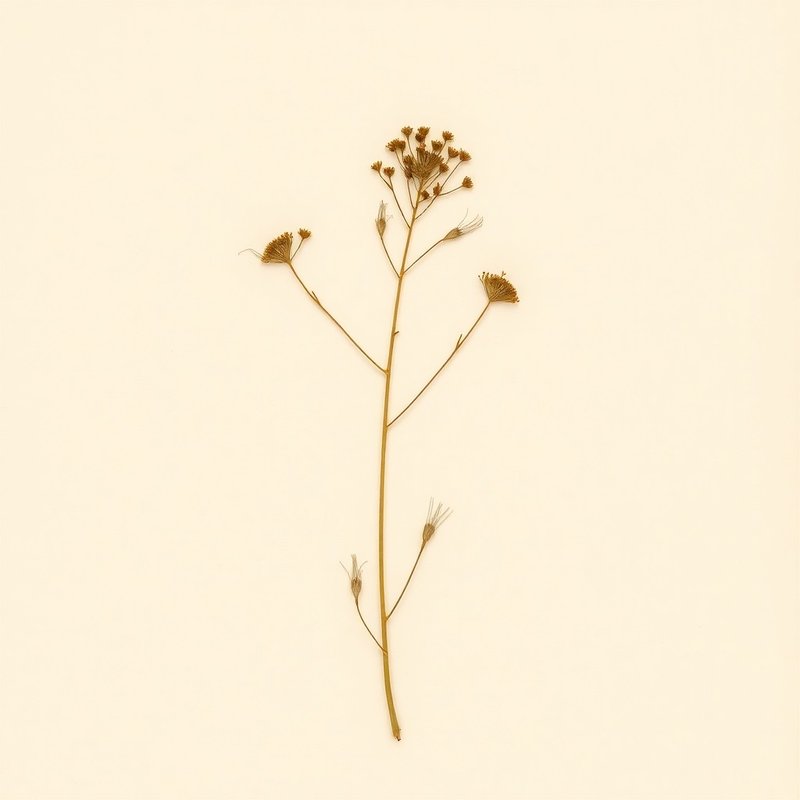
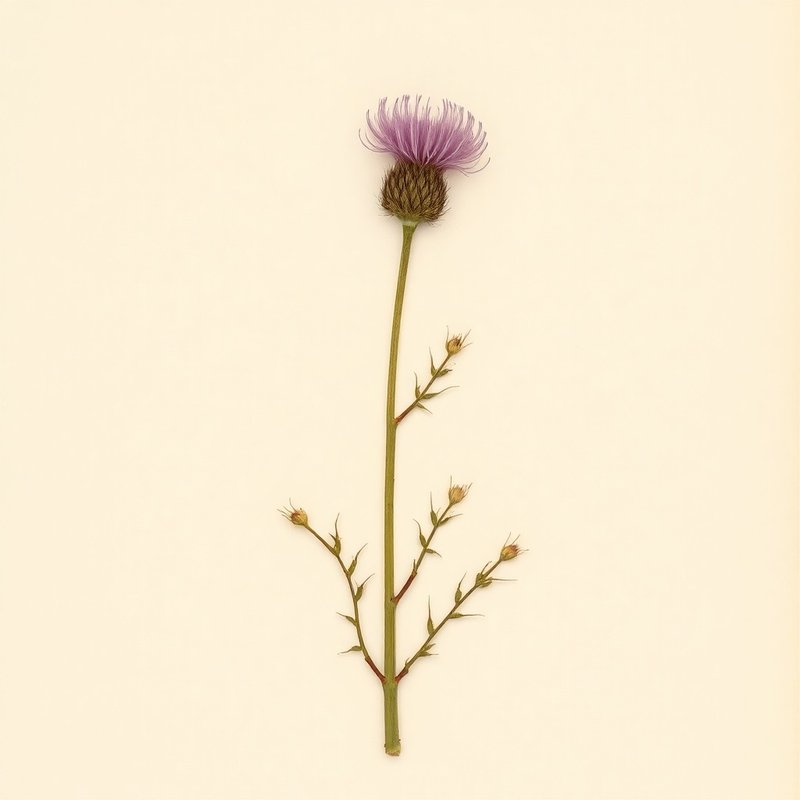
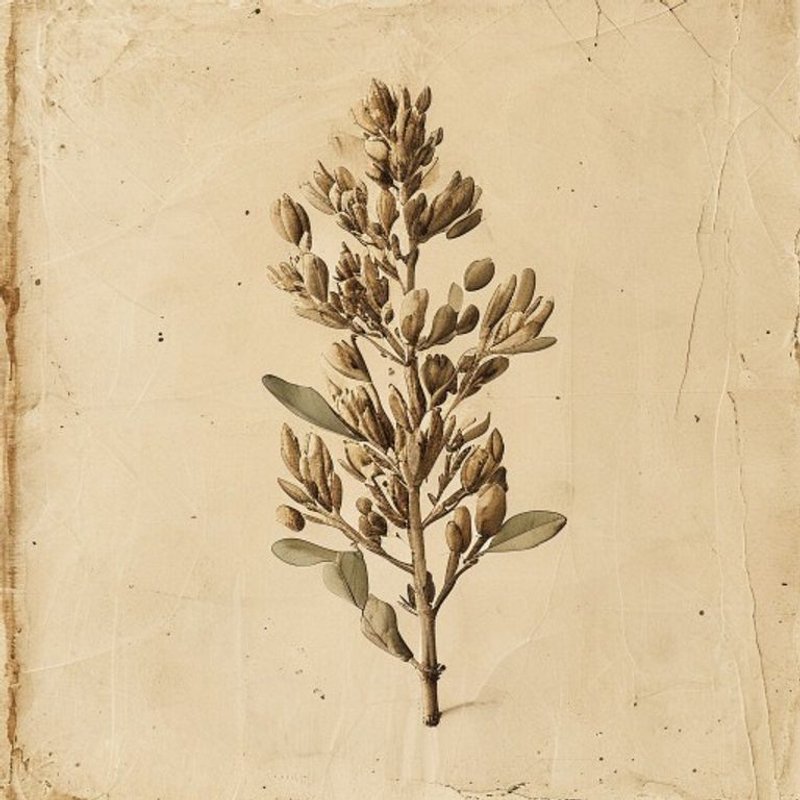
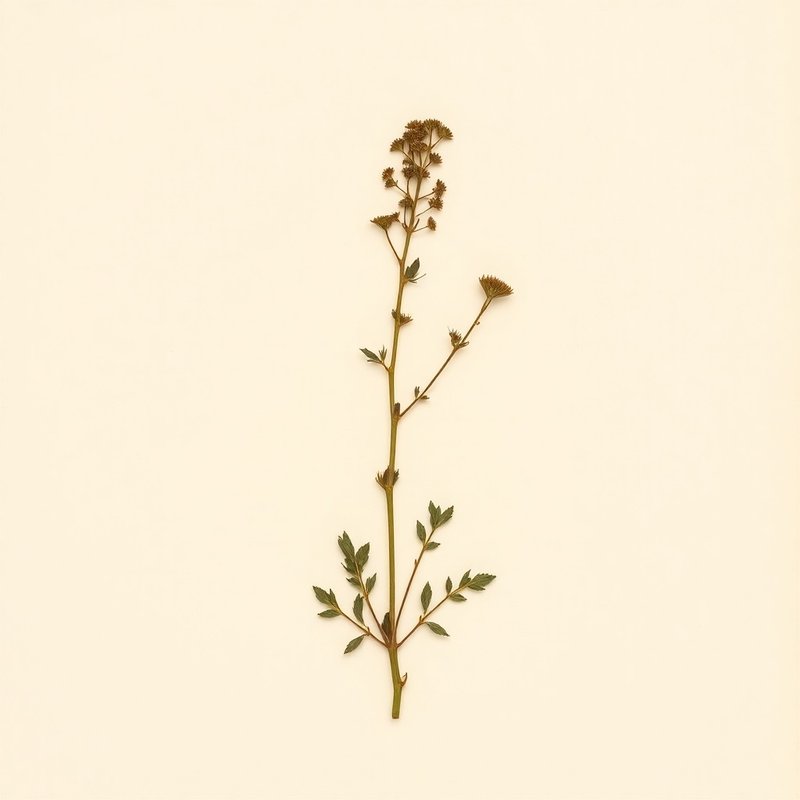
Melilotus indicus (Annual Yellow Sweetclover) — botanical photograph
Pl. AD39 — Melilotus indicus
Melilotus indicusMelilotus indicusMelilotus indicusMelilotus indicusMelilotus indicusMelilotus indicusMelilotus indicusMelilotus indicusMelilotus indicusMelilotus indicusMelilotus indicusMelilotus indicusMelilotus indicusMelilotus indicus
I

Prezentare

Melilotus indicus, melilotul galben anual, este o herbară preferentă luminii care se dezvolte în condiții securi până moiste și preferă soluri bine aeriate de tip liniștit la pesce săli până la argila grea. Originaire din regiuni precum Afghanistan, Albania și Bangladesh, acest plant a fost cultivat pentru folioasele sale comestibile, fiind o adunare valoare în jardine și practicile agricole. Această plantă poate crește până la 1 metru în înălțime și este durabilă în zonele 5-9. Rangul nativ se extinde peste diverse continente, inclusiv Asia, Europa și Africa, evidenți adaptabilitatea sa. Un caracter distinctiv al acestui plant este ciclul său anual de viață, contribuind la utilizarea sa largă ca cultură pentru foragare și element ornamental în landscape-uri.

Quick answers

What is Annual Yellow Sweetclover?

Melilotus indicus, melilotul galben anual, este o herbară preferentă luminii care se dezvolte în condiții securi până moiste și preferă soluri bine aeriate de tip liniștit la pesce săli până la argila grea.

What is Annual Yellow Sweetclover used for?

Traditionally used for immune support, digestion. Each claim is evidence-rated — see Section II for full citations.

Best for
Top 2 evidence-ranked uses of Annual Yellow Sweetclover
Jump to full evidence →
Clinicaluses · safety · chemistry · dosagemedicinal profile
II

Beneficii și dovezi

2 claims · traditional-use context
Traditional-use context
These notes are presented as ethnobotanical context. No cited clinical references are catalogued for this plant yet.
  • Annual Yellow Sweetclover has been traditionally used in Chinese medicine for supporting the immune system, often prepared as a decoction. Its use is based on its ability to enhance bodily defenses against pathogens.

    The mechanism by which Annual Yellow Sweetclover supports immunity is not fully characterised but may involve flavonoids and other bioactive compounds that modulate inflammatory responses and immune cell activity.

    ▲ ModerateImmune support →
  • Annual Yellow Sweetclover has been traditionally used in Ayurvedic medicine to aid digestion, often prepared as a tea. It is believed to help alleviate digestive discomfort and promote healthy gut function.

    The mechanism by which Annual Yellow Sweetclover aids digestion is not fully characterised but may involve compounds that support the digestive system's natural processes.

    ▲ ModerateDigestion →
IV·b

Mixology suggestions

1 draft
Editorial drafts. These pairings are AI-suggested from traditional herbal lore. Always verify with a qualified herbalist before brewing.
Annual Yellow Sweetclover support blend
general
tea
AI returned a direct ingredient list; normalized into one draft blend for editorial review.
Growingconditions · propagation · uses
V

Cultivare

Melilotul galben anual preferă soluri de tip liniștit până mediu cu pH între 6.5 și 7, deși poate adapta și la soluri mai grele de argilă. Prefere condiții securi până moiste, dar nu este prea exigeră în ceea ce privește apa. Această plantă necesită lumină plină sau oportunități parțiale de umbra și crește până la 1 metru în înălțime. Durabilă în zonele 5-9, este cel mai potrivit pentru regiuni temperate. Pentru propagație, semeneți direct în jardinez după ce pericolul ghearelor a fost păstrat. Coloați folioasele pentru utilizarea comestibilă timp de sezonul de creștere.
Light
8/10
Water
Dry, Moist
Soil
Light (sandy), Medium, Heavy (clay)
Hardiness
5-9
Life cycle
Annual
Habit
Forb/herb
Mature size
1.0 m tall
Soil pH
6.5–7
Seasonal calendar
Northern hemisphere · UTC month is November
winterspringsummerautumnwinter
BloomJFMAMJJASOND
For first-time growers

How to grow Annual Yellow Sweetclover for the first time

8steps

Start with Annual Yellow Sweetclover as a simple, low-maintenance annual plant for your garden.

  1. 1

    What you'll need

    Seeds or seedlings, a small trowel, and a watering can.

  2. 2

    Best time to plant

    Plant in spring after the last frost, when soil temperatures are above 10°C (50°F).

  3. 3

    Soil and container prep

    Choose a well-draining spot with light or medium soil. Ensure pH is between 6.5 and 7.

  4. 4

    Sowing or transplanting

    Direct sow seeds 1 cm deep, spacing them about 30 cm apart. Alternatively, start indoors and transplant after danger of frost passes.

  5. 5

    First two weeks

    Water regularly to keep the soil moist but not waterlogged. Thin seedlings if they grow too close together.

  6. 6

    Ongoing care

    Provide consistent watering during dry spells, especially when flowers are forming. Monitor for pests and diseases.

  7. 7

    Harvest or pruning

    Prune back any leggy growth to encourage bushier plants. Remove spent blooms to promote more flowering.

  8. 8

    Common mistakes

    Overwatering, planting in heavy clay soil, neglecting to thin seedlings.

VI

Edible & utility

Edible parts:Leaves
Edible uses: The leaves of the annual yellow sweetclover (Melilotus indicus) are edible and can be consumed fresh or dried. They are typically used in salads when fresh or added to soups and stews after drying. The plant thrives in a soil pH between 6.5 and 7, making it suitable for gardens with slightly acidic to neutral conditions.
Other uses:Animal feedNitrogen fixer
Contextrange · companions · related
VII

Distribuție

54 native · 82 introduced
Distribution across5 continents· 54 native· 82 introduced
Europe17 regions
native (9)AlbaniaBulgariaCyprusFranceGreeceItalyPortugalRussiaSpain
introduced (8)AustriaBelgiumGermanyNetherlandsPortugalSpainSwitzerlandUnited Kingdom
Asia22 regions
native (20)AfghanistanBangladeshChinaIndiaIranIraqKazakhstanKuwaitMyanmarNepalOmanPakistanPalestineSaudi ArabiaTaiwanThailandTurkeyTurkmenistanUzbekistanYemen
introduced (2)GeorgiaSri Lanka
Americas9 regions
introduced (9)BahamasBoliviaColombiaCosta RicaEcuadorHondurasPeruUnited StatesUruguay
Africa19 regions
native (6)AlgeriaEgyptLibyaMoroccoTunisiaWestern Sahara
introduced (13)ChadDjiboutiEritreaEthiopiaKenyaMauritaniaMauritiusNamibiaNigerSomaliaSudanUgandaZimbabwe
Oceania1 region
introduced (1)New Caledonia
Broader regions
native:East Aegean Is., East Himalaya, Gulf States, Hainan, Kriti, Lebanon-Syria, Sinai, Tadzhikistan, Transcaucasus, Turkey-in-Europe, West Himalaya, Yugoslavia
introduced:Alabama, Argentina Northeast, Argentina Northwest, Argentina South, Arizona, Baltic States, Bermuda, Brazil South, Brazil Southeast, California, Cape Provinces, Chatham Is., Chile Central, Chile North, Chile South, Czechoslovakia, Easter Is., Florida, Free State, Jawa, KwaZulu-Natal, Louisiana, Mexican Pacific Is., Mexico Northwest, Mexico Southwest, New Mexico, New South Wales, New York, New Zealand North, New Zealand South, Norfolk Is., North Carolina, Northern Provinces, Northern Territory, Ogasawara-shoto, Oregon, Queensland, Réunion, Socotra, South Australia, South Carolina, St.Helena, Tasmania, Texas, Vermont, Victoria, Western Australia, Wisconsin
IX

Specimen gallery

1 image
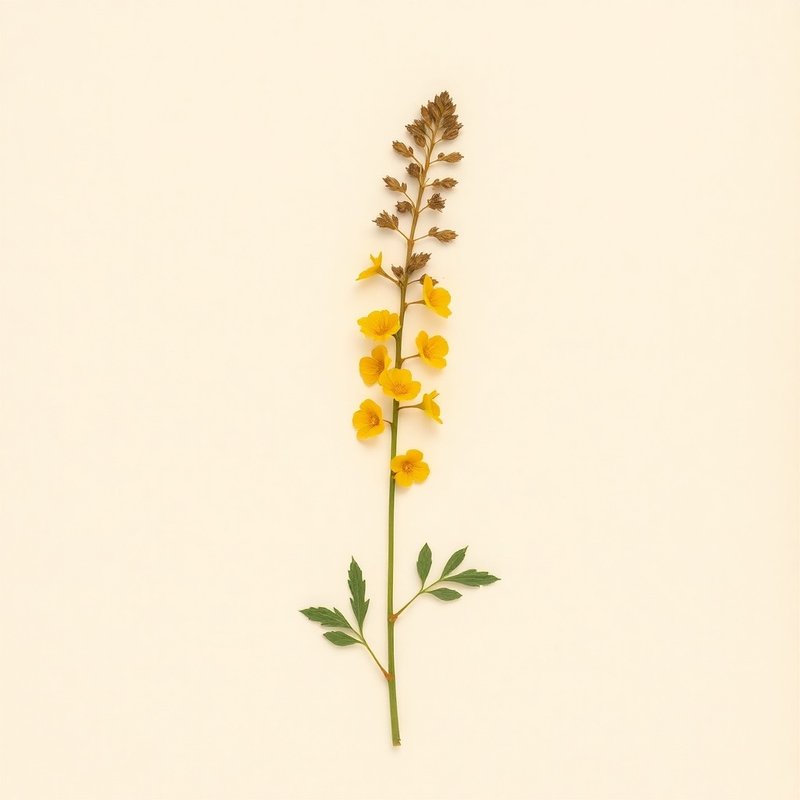
Melilotus indicus (Annual Yellow Sweetclover) — botanical photograph
Annual Yellow Sweetclover (Melilotus indicus)
X

See also

8 related
XI

Explore further

XII

About this entry

Last updated
Citation
How to cite this entry · Submit a correction
Back to the cataloguePlant id · ad3933ba-8475-440c-b5d8-3eb7ccb87d2a
❦❦❦❦
Endpaper · archive updates

Primește digest-ul săptămânal

Un email curat pe săptămână — profile noi de plante, note sezoniere de cultivare, adăugiri în arhiva de remedii. Gratuit, fără tracking, dezabonare oricând.

Newsletter returning soon.
We are rebuilding the update list around a lightweight editorial workflow. New dispatches will resume after the next content review cycle.
iCare notes