
Box Myrtle
Myrica nagifam. Ericaceae
Educational content — not medical, botanical, or professional advice. Always consult a qualified clinician before using any herbal preparation — especially during pregnancy, breastfeeding, while on medication, or for children. How we source & review →
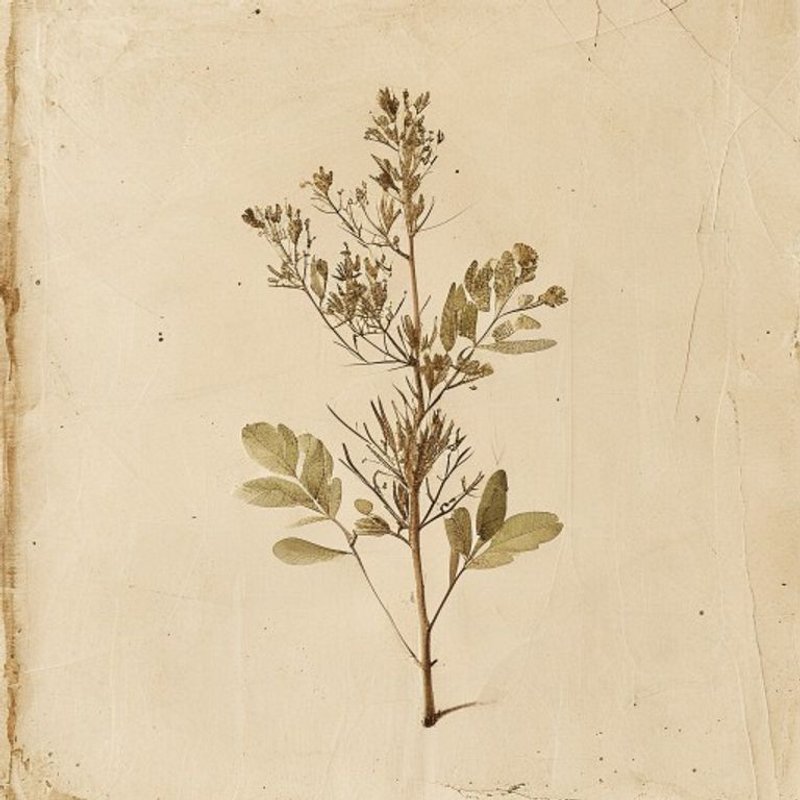
Pl. 7E5E — Myrica nagi
Myrica nagiMyrica nagiMyrica nagiMyrica nagiMyrica nagiMyrica nagiMyrica nagiMyrica nagiMyrica nagiMyrica nagiMyrica nagiMyrica nagiMyrica nagiMyrica nagi
IPrezentare
Prezentare
Myrica nagi, un arbust de origine chinensis sud-est, Hainan, Japonia, Nansei-shoto, Taiwan, Alaska și statele balțice, se adaptează în mediile umide cu sușete la medii bogate. Aprecierează o gamă de pH între 5 și 7,8. Consemnată pentru fructele sale comestibile, Myrica nagi este valorificată atât din punct de vedere ornamental, cât și ca sursă de alimentație. Un caracter distinctiv al acestui arbust este capacitatea sa de creștere până la 12 metri în înălțime, făcându-l un prezență imponentă în gardă sau în mediul natural.
Quick answers
What is Box Myrtle?
Myrica nagi, un arbust de origine chinensis sud-est, Hainan, Japonia, Nansei-shoto, Taiwan, Alaska și statele balțice, se adaptează în mediile umide cu sușete la medii bogate. Aprecierează o gamă de pH între 5 și 7,8.
What is Box Myrtle used for?
Traditionally used for digestion, immune support. Each claim is evidence-rated — see Section II for full citations.
Best for
Top 2 evidence-ranked uses of Box Myrtle
Clinicaluses · safety · chemistry · dosagemedicinal profile
IIBeneficii și dovezi
2 claims · 0 sources
Beneficii și dovezi
2 claims · 0 sources- Box Myrtle has been traditionally used in Chinese medicine for digestive issues, often prepared as a decoction to support gastrointestinal health.
The mechanism is not fully characterised but may involve compounds such as flavonoids and tannins that have anti-inflammatory and antioxidant properties.
- Box Myrtle is traditionally used in Chinese medicine to support the immune system, often prepared as a tea or decoction.
The mechanism is not fully characterised but may involve compounds such as polyphenols and flavonoids that have immunomodulatory effects.
IV·bMixology suggestions
1 draft
Mixology suggestions
1 draftEditorial drafts. These pairings are AI-suggested from traditional herbal lore. Always verify with a qualified herbalist before brewing.
Box Myrtle support blend
generaltea
AI returned a direct ingredient list; normalized into one draft blend for editorial review.
Growingconditions · propagation · uses
VCultivare
Cultivare
Myrica nagi se dezvolte în condiții umide și preferă suștele la medii bogate cu pH între 5 și 7,8. Aprecierează expozitia parțială de soare până la plină. Îngrijirea sa este bună în zonele temperate. Puteți propaga acest arbust prin semințe sau prin împărțiri. Deși este adaptabil, poate necesita unele măsuri speciale de îngrijire în afara habitatului său natural din cauza condițiilor climatice variabile. Apa regulată și sucuri bine aeriate sunt esențiale pentru creșterea optimă.
Light
6/10
Water
Moist
Soil
Light (sandy), Medium, Heavy (clay)
Habit
Shrub
Mature size
12.0 m tall
Soil pH
5–7.8
Seasonal calendar
Northern hemisphere · UTC month is September
winterspringsummerautumnwinter
BloomJFMAMJJASOND
For first-time growers
How to grow Box Myrtle for the first time
8steps
Start with a simple Box Myrtle shrub to gain experience in growing Ericaceae family plants.
- 1
What you'll need
A young Box Myrtle plant, well-draining soil, and a container or garden spot.
- 2
Best time to plant
Plant Box Myrtle in spring or early fall when temperatures are mild.
- 3
Soil and container prep
Ensure the soil is light (sandy), medium, or heavy with a pH of 5-7.8; use a pot with drainage holes if planting in containers.
- 4
Sowing or transplanting
Transplant young Box Myrtle from a nursery pot to your garden or container, ensuring the roots are not damaged during the process.
- 5
First two weeks
Water regularly to keep the soil moist but not waterlogged; avoid direct sunlight for the first few days.
- 6
Ongoing care
Provide partial shade and regular watering, especially in dry periods. Prune lightly to maintain shape.
- 7
Harvest or pruning
Prune Box Myrtle annually to control size and encourage new growth; harvest fruit when ripe for culinary use.
- 8
Common mistakes
Overwatering, planting in full sun, using incorrect soil pH, neglecting regular pruning, and not providing enough shade.
VIEdible & utility
Edible & utility
Edible parts:Fruit
Edible uses: The Box Myrtle's fruit is edible and can be eaten raw or used in various preparations. Typically, the fruit is consumed fresh but may also be dried for later use. SKIP
Other uses:DyeTanninWaxLumberNitrogen fixer
Contextrange · companions · related
VIIDistribuție
30 native · 0 introduced
Distribuție
30 native · 0 introducedDistribution across3 continents· 30 native
Europe8 regions
native (8)BelgiumDenmarkFinlandFranceGermanyIrelandNetherlandsUnited Kingdom
Asia3 regions
native (3)ChinaJapanTaiwan
Americas1 region
native (1)United States
Broader regions
native:Yukon, Hainan, Nansei-shoto, Alberta, Baltic States, British Columbia, Connecticut, Kamchatka, Khabarovsk, Kuril Is., Labrador, Magadan, Maine, Manitoba, Masachusettes, Michigan, Minnesota, New Brunswick
IXSpecimen gallery
1 image
Specimen gallery
1 imageXSee also
8 related
See also
8 relatedPlants you might compare or use together — scored by shared family (Ericaceae), common use cases, and growing requirements.
same family · Ericaceae
Botanical relatives — often share phytochemistry + growing needs.

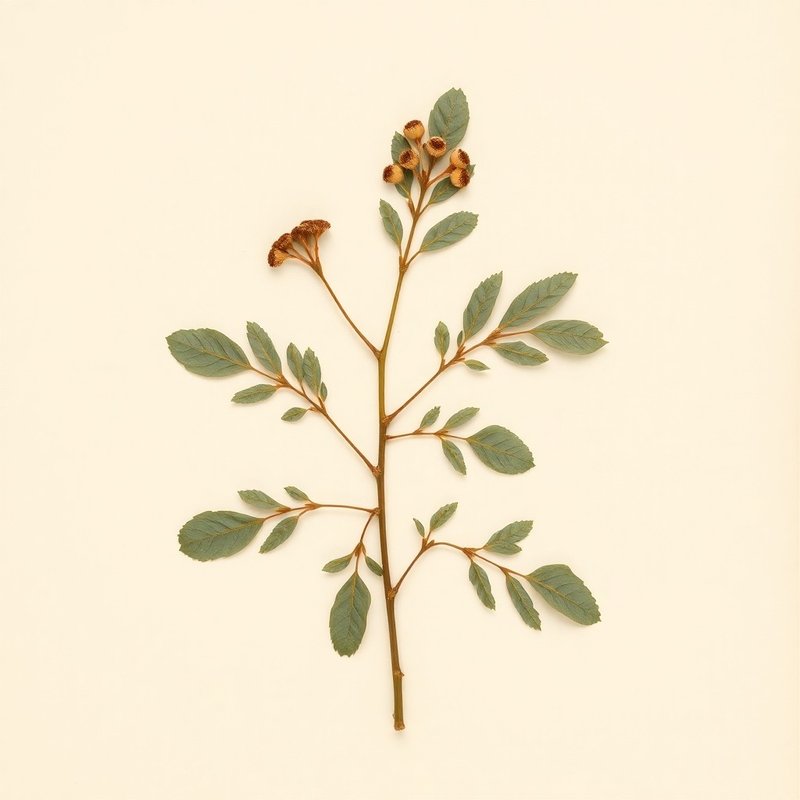
shared use cases
Different families, similar therapeutic role — good for comparing.
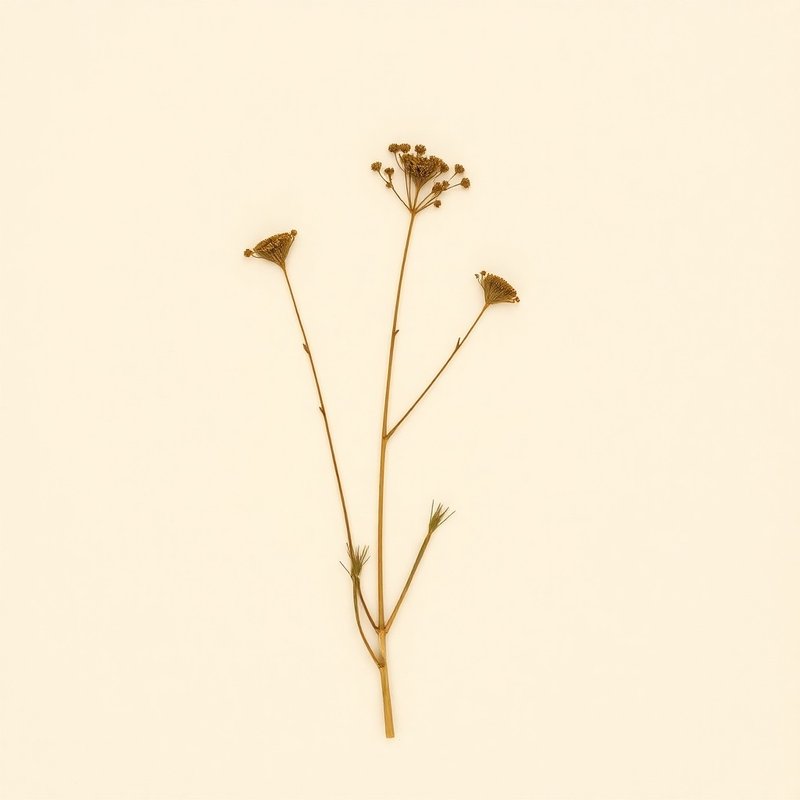
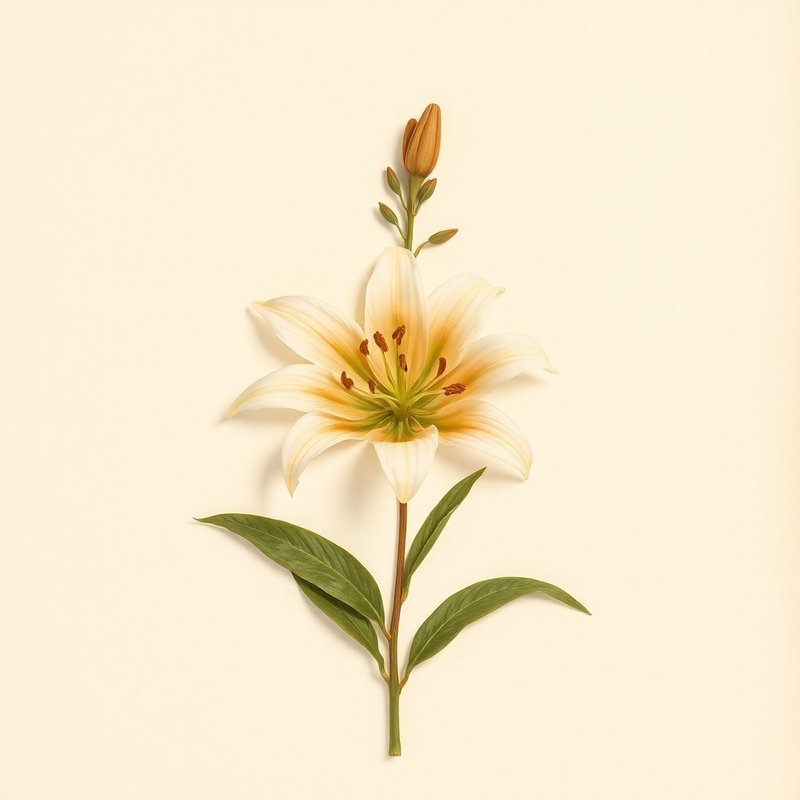
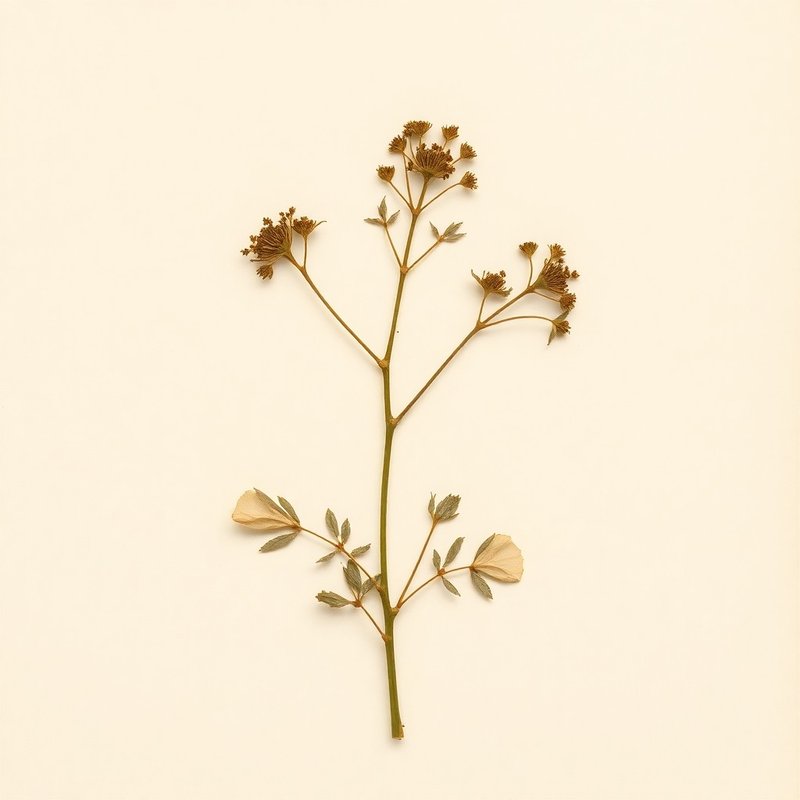
XI
Explore further
Companion planting
Health goals
Compare with similar plants
XII
About this entry
- Last updated
- Citation
- How to cite this entry · Submit a correction
Back to the cataloguePlant id · 7e5ed594-5a0a-4c4d-b8f8-a9ce1f33c39d
Decision aid
Choosing between Box Myrtle and something else?
Continue reading
❦❦❦❦
Endpaper · archive updates
Primește digest-ul săptămânal
Un email curat pe săptămână — profile noi de plante, note sezoniere de cultivare, adăugiri în arhiva de remedii. Gratuit, fără tracking, dezabonare oricând.