Skip to content
IIIFolio · plant profile№ 4354medicinal · edible
Data provenancePermapeopleTreflePFAFeditorially reviewedreviewed 20 Oct 2026methodology → read
Home/Plants/Scrophulariaceae

Plantago oliganthus

Plantago oliganthusfam. Scrophulariaceae
Educational content — not medical, botanical, or professional advice. Always consult a qualified clinician before using any herbal preparation — especially during pregnancy, breastfeeding, while on medication, or for children. How we source & review →
Updated·Quick Q&A →
Garden journal pausedUse profile notes below
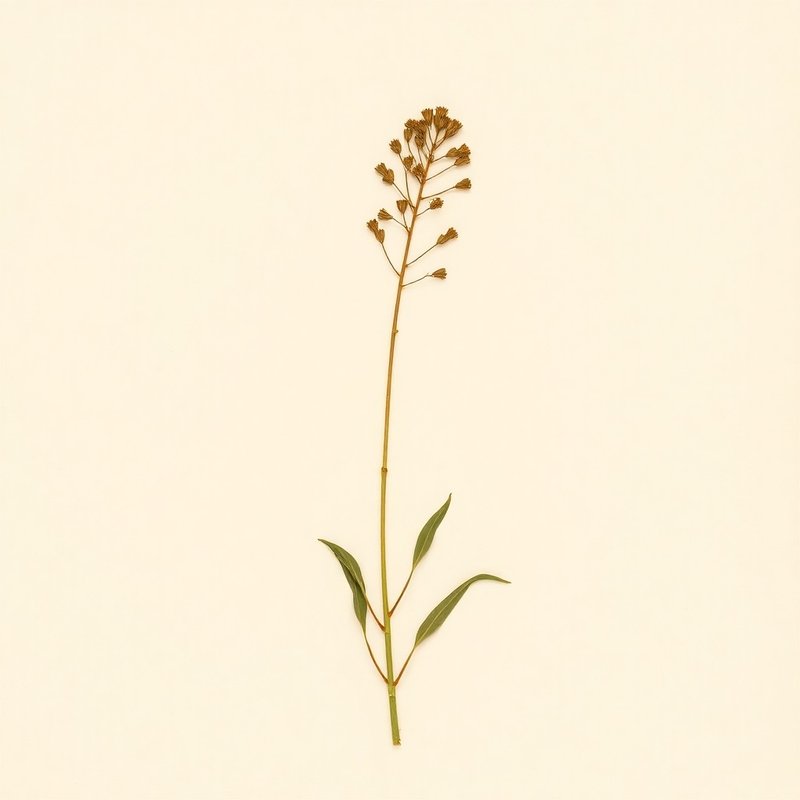
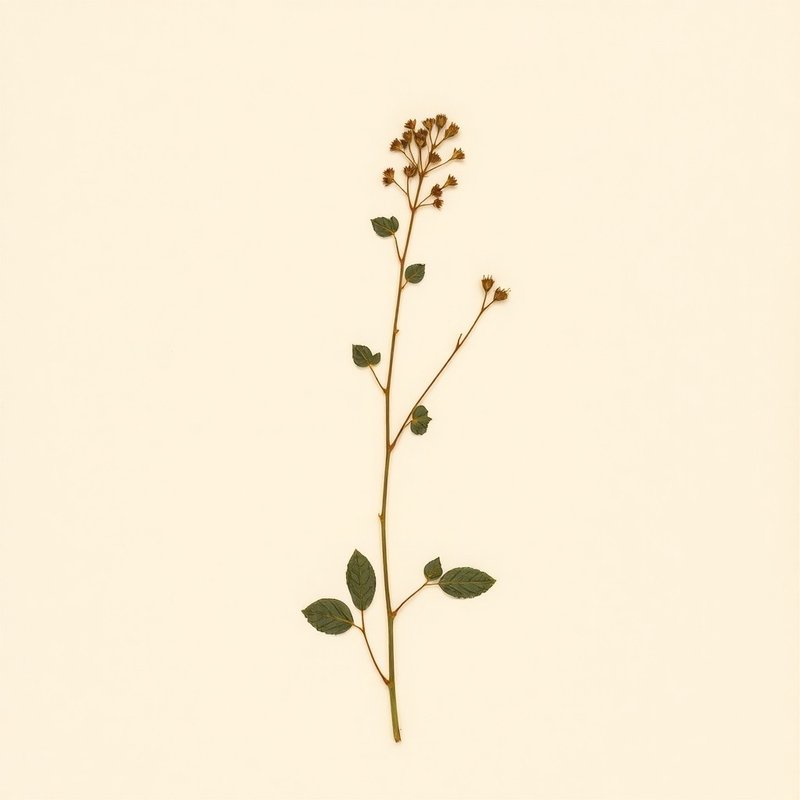
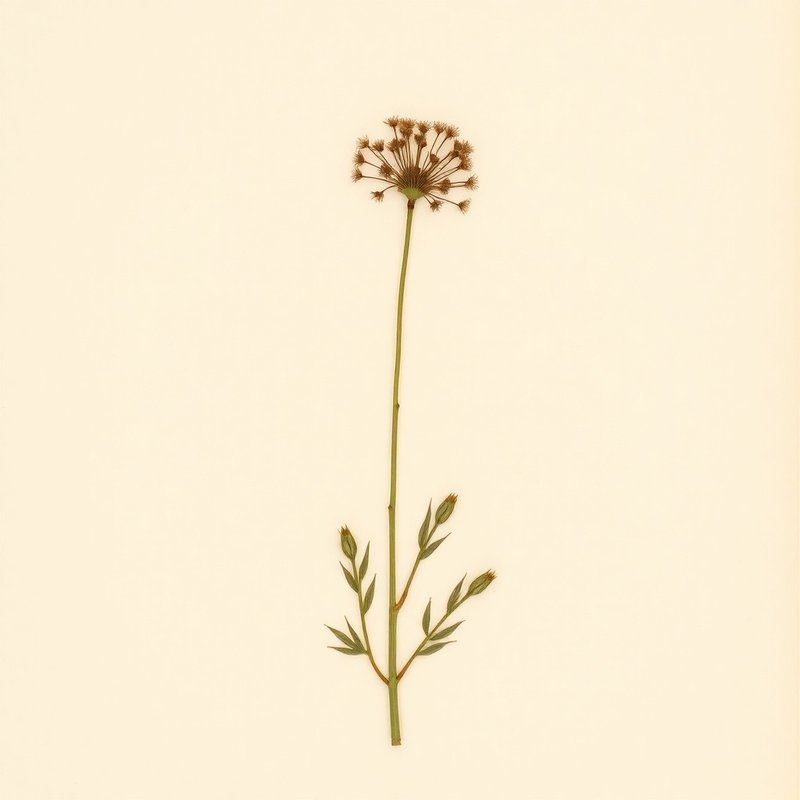
Plantago oliganthus (Plantago oliganthus) — botanical photograph
Pl. 4354 — Plantago oliganthus
Plantago oliganthusPlantago oliganthusPlantago oliganthusPlantago oliganthusPlantago oliganthusPlantago oliganthusPlantago oliganthusPlantago oliganthusPlantago oliganthusPlantago oliganthusPlantago oliganthusPlantago oliganthusPlantago oliganthusPlantago oliganthus
I

Prezentare

Plantago oliganthus, cunoscut simplu sub numele de Skip, este o plante perenială care aparține familiei Plantaginaceae. Nativ în regiuni precum Albania, Austria și părți ale Europei de Est, cum ar fi Belarus și Bulgaria, această plantă se dezvolte în condiții umide cu sucuri de soarelelele ușoare (sandy), medie sau grele (clay). Foliile sale sunt edibile, făcându-le o adunare utilă pentru forageri. Un caracteristică distinctivă a Skip-ului este înălțarea sa, care se ridică doar până la 0,2 m, iar altă caracteristică notabilă este preferința sa pentru un sustrat cu pH neutru de 7–7,5.

Quick answers

What is Plantago oliganthus?

Plantago oliganthus, cunoscut simplu sub numele de Skip, este o plante perenială care aparține familiei Plantaginaceae.

What is Plantago oliganthus used for?

Traditionally used for digestion. Each claim is evidence-rated — see Section II for full citations.

Compare with:Marsh Willow Herb→all comparisons →
Best for
Top 1 evidence-ranked use of Plantago oliganthus
Jump to full evidence →
Clinicaluses · safety · chemistry · dosagemedicinal profile
II

Beneficii și dovezi

1 claim · traditional-use context
Traditional-use context
These notes are presented as ethnobotanical context. No cited clinical references are catalogued for this plant yet.
  • Plantago species have been traditionally used in Chinese medicine for digestive issues, such as diarrhea and dysentery. A decoction of the leaves may help soothe the gastrointestinal tract.

    The mechanism is not fully characterised but likely involves compounds that reduce inflammation and irritation in the gut lining.

    ▲ ModerateDigestion →
Growingconditions · propagation · uses
V

Cultivare

Plantago oliganthus se dezvolte în condiții umide și preferă sucuri de soarelelele ușoare (sandy), medie sau grele (clay) cu un pH de 7–7,5. Este durabil în regiuni temperate și poate fi propagoată prin semințe sau împărțirea plantei. Această plantă perenială crește până la aproximativ 0,2 m în înălțime și necesită o lumină moderată. Mențineți sustratul în umiditate constantă pentru cele mai bune rezultate. Colectați folilele edibile pe parcursul sezonului de creștere.
Light
7/10
Water
Moist
Soil
Light (sandy), Medium, Heavy (clay)
Life cycle
Perennial
Habit
Forb/herb
Mature size
0.2 m tall
Soil pH
7–7.5
Seasonal calendar
Northern hemisphere · UTC month is November
winterspringsummerautumnwinter
BloomJFMAMJJASOND
For first-time growers

How to grow Plantago oliganthus for the first time

8steps

Start with a simple and low-maintenance approach to growing Skip.

  1. 1

    What you'll need

    A small pot, quality potting soil, and some seeds or young plants.

  2. 2

    Best time to plant

    Plant in early spring or late summer for best results.

  3. 3

    Soil and container prep

    Use a well-draining potting mix with a pH between 7 and 7.5, ensuring the container has drainage holes.

  4. 4

    Sowing or transplanting

    Direct sow seeds in the soil surface or transplant young plants, spacing them about 10 cm apart.

  5. 5

    First two weeks

    Keep the soil consistently moist and place the pot in a partially shaded area to avoid direct sunlight.

  6. 6

    Ongoing care

    Water when the top inch of soil feels dry. Provide light shade during hot summer days and mulch around the base for moisture retention.

  7. 7

    Harvest or pruning

    Prune any dead leaves or stems to maintain a neat appearance, but avoid cutting back too much as it may affect growth.

  8. 8

    Common mistakes

    ...

VI

Edible & utility

Edible parts:Leaves
Edible uses: The leaves of Plantago oliganthus are edible and can be eaten raw or cooked. They are often used in salads for their mild flavor. The plant is native to several European countries and parts of Asia.
Contextrange · companions · related
VII

Distribuție

49 native · 18 introduced
Distribution across2 continents· 49 native· 18 introduced
Europe23 regions
native (22)AlbaniaAustriaBelarusBelgiumBulgariaDenmarkFinlandFranceGermanyGreeceHungaryItalyNetherlandsNorwayPolandRomaniaRussiaSpainSwedenSwitzerlandUkraineUnited Kingdom
introduced (1)Ireland
Asia4 regions
native (4)IranIraqKazakhstanTurkey
Broader regions
native:Altay, Amur, Baltic States, Buryatiya, Chita, Czechoslovakia, Irkutsk, Khabarovsk, Kirgizstan, Krasnoyarsk, Kuril Is., Primorye, Sakhalin, Tuva, Yakutskiya, Yugoslavia
introduced:Chile South, Connecticut, Illinois, Magadan, Maine, Manitoba, Masachusettes, Michigan, New Brunswick, New Hampshire, New Jersey, New York, Ontario, Pennsylvania, Québec, Rhode I., Wisconsin
IX

Specimen gallery

1 image
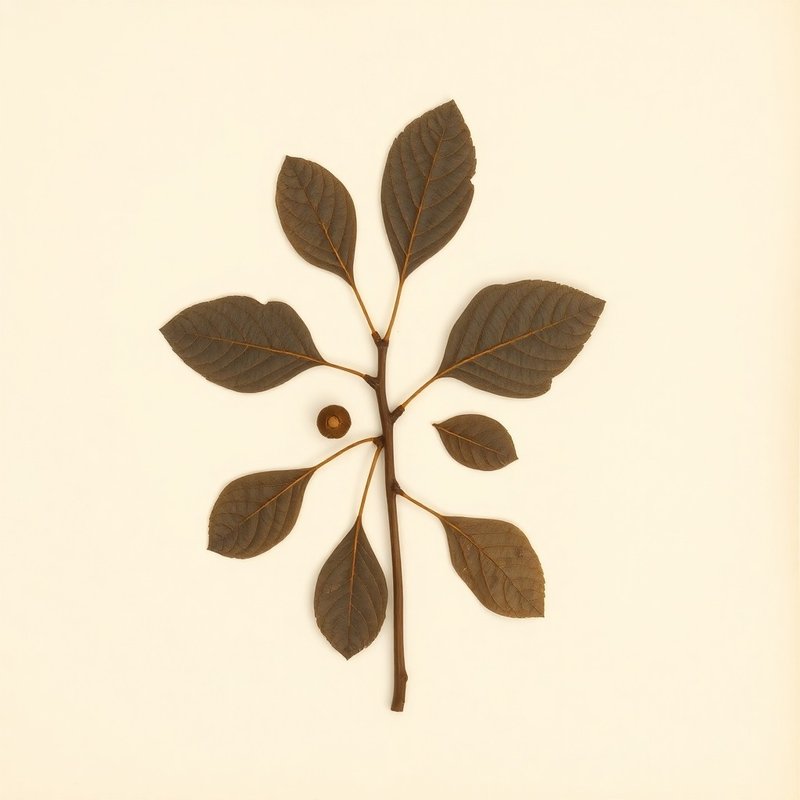
Plantago oliganthus (Plantago oliganthus) — botanical photograph
Plantago oliganthus (Plantago oliganthus)
X

See also

8 related

Plants you might compare or use together — scored by shared family (Scrophulariaceae), common use cases, and growing requirements.
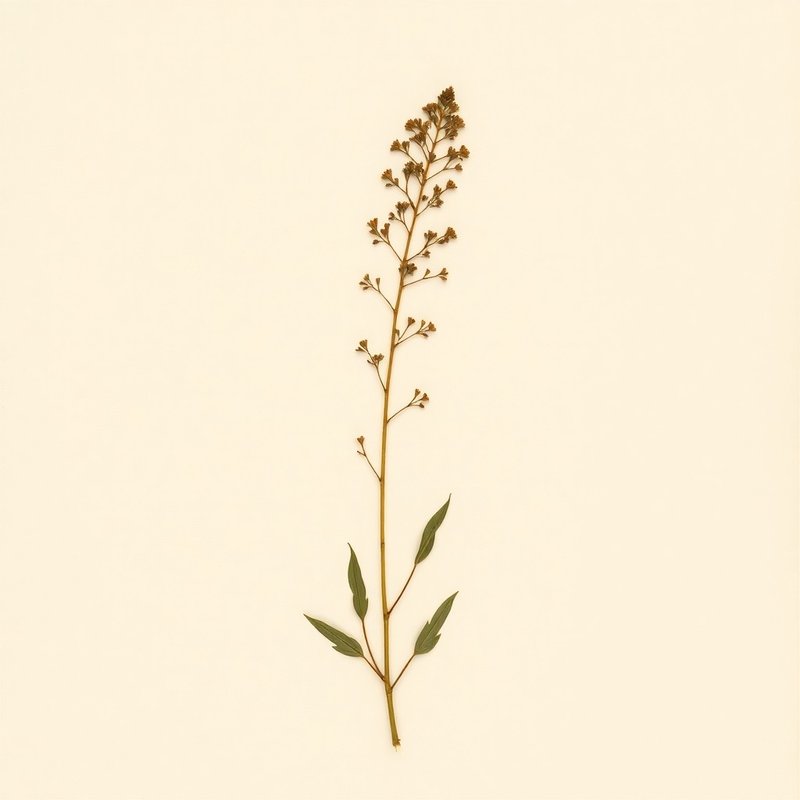
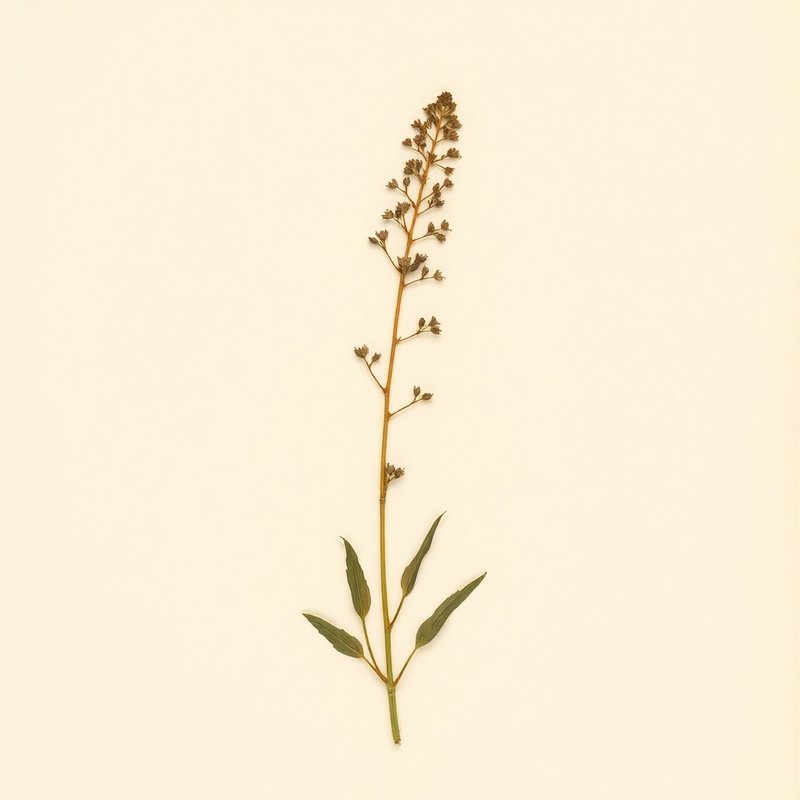
same family · Scrophulariaceae
Botanical relatives — often share phytochemistry + growing needs.
XI

Explore further

XII

About this entry

Last updated
Citation
How to cite this entry · Submit a correction
Back to the cataloguePlant id · 4354ebfa-7c50-48ed-981f-eed4a083b637
❦❦❦❦
Endpaper · archive updates

Primește digest-ul săptămânal

Un email curat pe săptămână — profile noi de plante, note sezoniere de cultivare, adăugiri în arhiva de remedii. Gratuit, fără tracking, dezabonare oricând.

Newsletter returning soon.
We are rebuilding the update list around a lightweight editorial workflow. New dispatches will resume after the next content review cycle.
iCare notes