
Creamcups

IPrezentare
Prezentare
Platystemon californicus, cunoscut sub numele de creamcups, este un forb anual sau hrb originar din vestul Statelor Unite și nord-vestul Meksico. Găsit în Arizona, California, Nevada, Oregon și Utah, acest plant se dezvoltă în soare plin și condiții umide, preferând soluri ușoare (sandy), medii sau grele (clay). Având o înălțime de aproximativ 0,3 m, este cunoscut pentru fructele sale comestibile, făcându-l un adăugare valabilă la culinaria locală. Caracteristicile sale distincte se reflectă în floarele sale galben strălucitoare care contrazic foliile sale verzi, adăugând o zbor de culori orbe în orice configurare de hortă.
What is Creamcups?
Platystemon californicus, cunoscut sub numele de creamcups, este un forb anual sau hrb originar din vestul Statelor Unite și nord-vestul Meksico. Găsit în Arizona, California, Nevada, Oregon și Utah, acest plant se dezvoltă în soare plin și condiții umide, preferând soluri ușoare (sandy), medii sau grele (clay).
What is Creamcups used for?
Traditionally used for digestion, stress & anxiety. Each claim is evidence-rated — see Section II for full citations.
IIBeneficii și dovezi
2 claims · traditional-use context
Beneficii și dovezi
2 claims · traditional-use context- Platystemon californicus is traditionally used in Native American medicine for digestive issues, such as bloating and indigestion. A decoction of the plant may help alleviate these symptoms.
The mechanism is not fully characterised but may involve compounds that support gastrointestinal motility or reduce inflammation.
▲ ModerateDigestion → - Traditional-use note: Creamcups appears in herbal sources around calming and relaxation traditions, often as a tincture. PlantSage presents this as ethnobotanical context, not as medical advice.
Traditional context only. This reviewed claim keeps the original moderate confidence level, but avoids treatment, disease, dosage, or guaranteed-effect language.
▲ ModerateStress & anxiety →
IV·bMixology suggestions
1 draft
Mixology suggestions
1 draftVCultivare
Cultivare
How to grow Creamcups for the first time
Start with planting Creamcups in a sunny spot and basic soil preparation for your first gardening experience.
- 1
What you'll need
Seeds or seedlings, a garden trowel, watering can.
- 2
Best time to plant
Plant in spring after the last frost, or start seeds indoors about 4 weeks before planting outdoors.
- 3
Soil and container prep
Choose a location with full sun. Prepare soil by loosening it with a trowel and removing any weeds.
- 4
Sowing or transplanting
Direct sow seeds half an inch deep, about 10-15 cm apart. Alternatively, start seeds indoors in small pots before transplanting.
- 5
First two weeks
Water regularly to keep the soil moist but not waterlogged. Keep the area free of weeds.
- 6
Ongoing care
Continue regular watering and thin plants if necessary. Monitor for pests and diseases.
- 7
Harvest or pruning
Prune spent flowers to encourage more blooms and remove any yellowing leaves to keep the plant healthy.
- 8
Common mistakes
Overwatering, planting in heavy soil, neglecting to thin seedlings, not providing enough sunlight.
VIEdible & utility
Edible & utility
VIIDistribuție
6 native · 1 introduced
Distribuție
6 native · 1 introducedIXSpecimen gallery
1 image
Specimen gallery
1 imageXSee also
8 related
See also
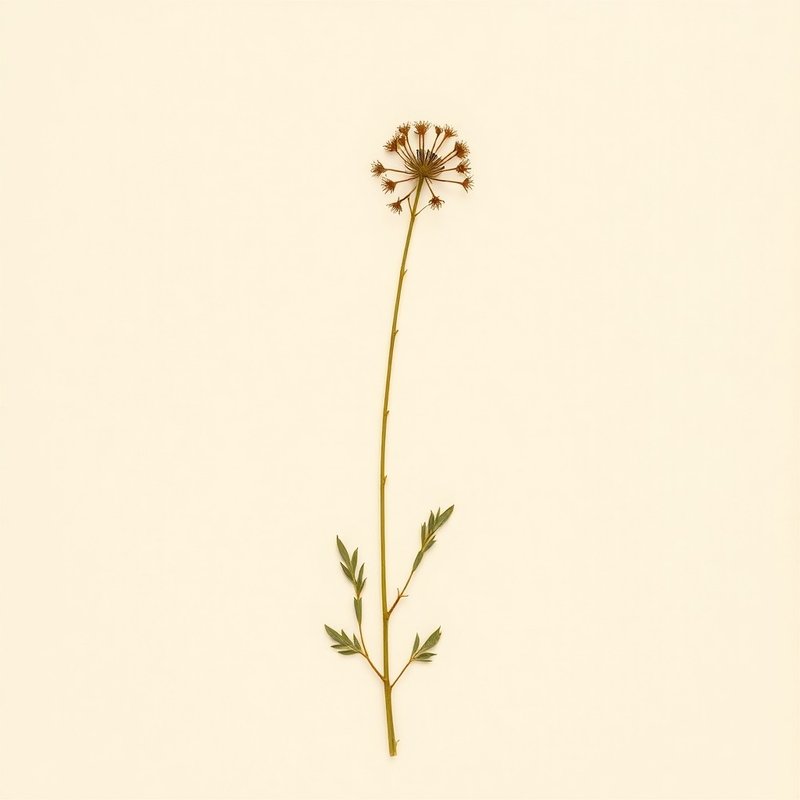
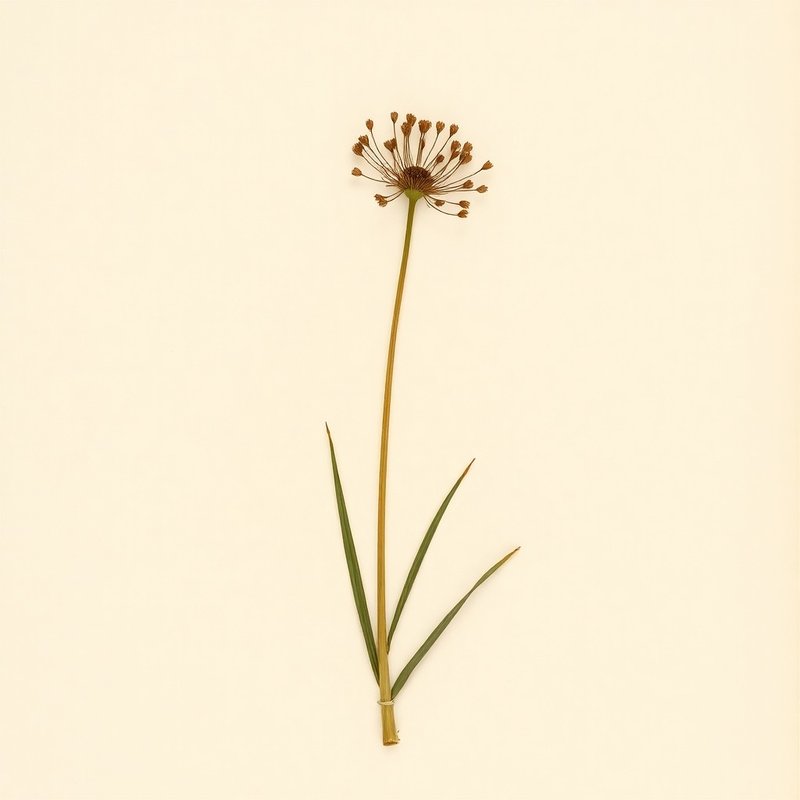
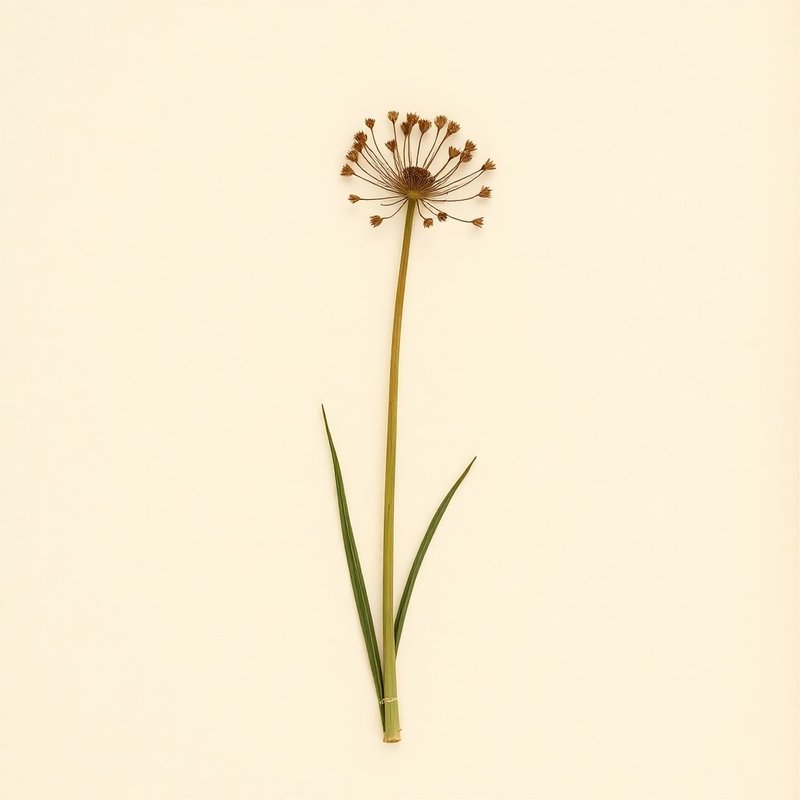
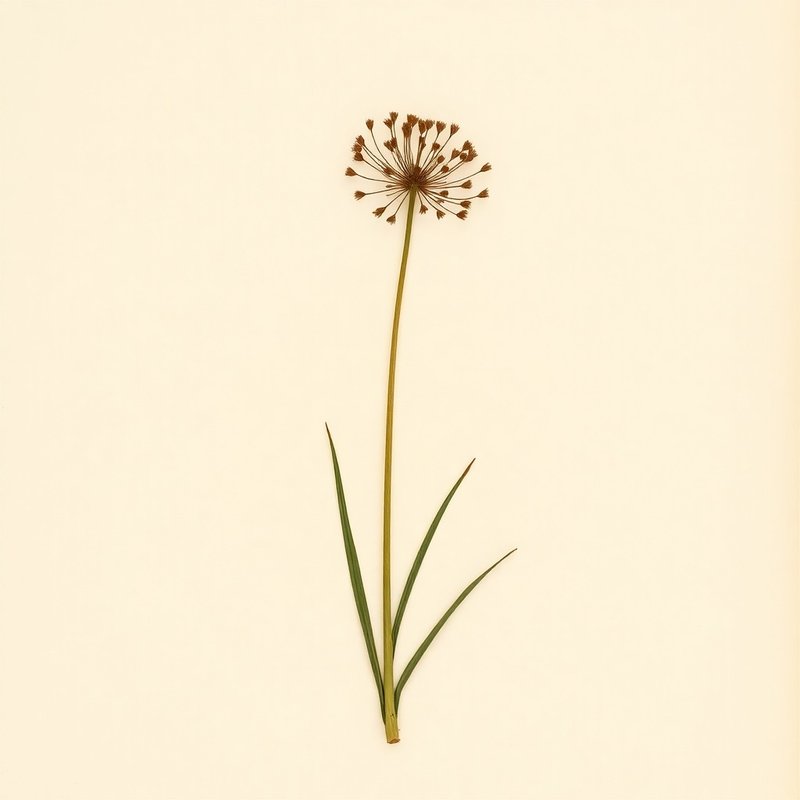
8 relatedPlants you might compare or use together — scored by shared family (Papaveraceae), common use cases, and growing requirements.
Explore further
About this entry
- Last updated
- Citation
- How to cite this entry · Submit a correction
Continue reading
Primește digest-ul săptămânal
Un email curat pe săptămână — profile noi de plante, note sezoniere de cultivare, adăugiri în arhiva de remedii. Gratuit, fără tracking, dezabonare oricând.