
Polygonatum macropodum
IPrezentare
Prezentare
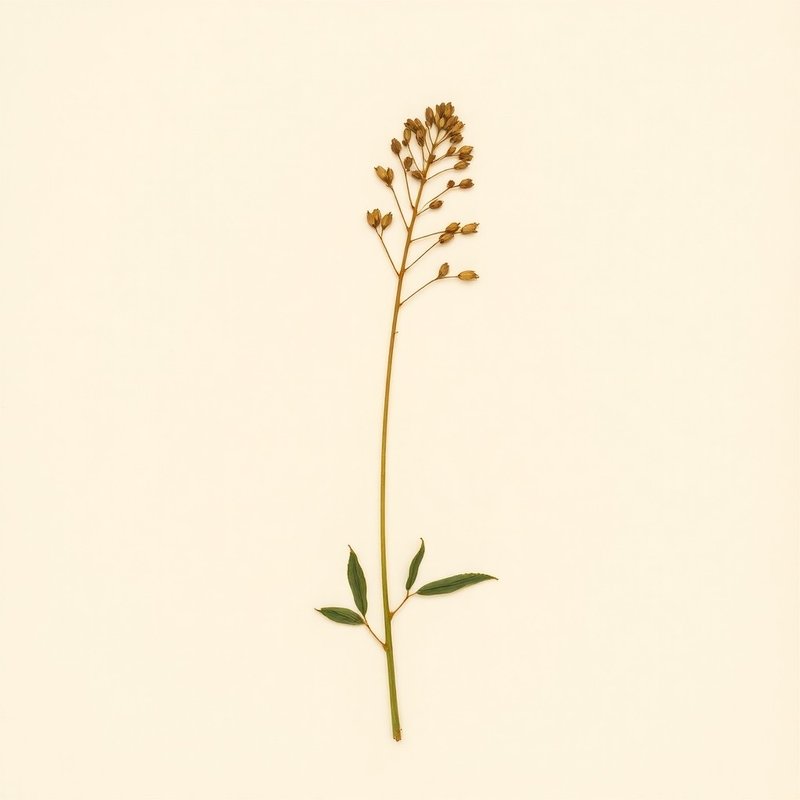
Polygonatum macropodum, cunoscut sub numele de sealul Solomon cu copt lung, este o plantă perenicolă nativă din Inner Mongolia și alte regiuni ale nordului China. Această plantă se dezvolte în parte de soare sau în umbra completă și preferă sustrat umed care poate fi lichid (sândal), mediu sau greu (cizme). Având o înălțime de aproximativ 1 m, este atât ornamental cât și consumabil, cu părți precum frunzele, rădăcinile și creșterile fiind utilizate pentru scopuri culinare. Un caracter distinctiv al acestui plant este spizele sale fructifere lungi și slabe, care iau numele său comun.
What is Polygonatum macropodum?
Polygonatum macropodum, cunoscut sub numele de sealul Solomon cu copt lung, este o plantă perenicolă nativă din Inner Mongolia și alte regiuni ale nordului China. Această plantă se dezvolte în parte de soare sau în umbra completă și preferă sustrat umed care poate fi lichid (sândal), mediu sau greu (cizme).
What is Polygonatum macropodum used for?
Traditionally used for immune support, energy & focus. Each claim is evidence-rated — see Section II for full citations.
IIBeneficii și dovezi
2 claims · traditional-use context
Beneficii și dovezi
2 claims · traditional-use context- Polygonatum macropodum has been traditionally used in Chinese medicine to support immune function, often prepared as a decoction. It is believed to enhance the body's resistance against pathogens.
The mechanism by which Polygonatum macropodum supports immunity is not fully characterised but may involve polysaccharides and steroidal saponins that modulate immune responses.
▲ ModerateImmune support → - Traditional-use note: Polygonatum macropodum appears in herbal sources around clarity and study-routine traditions, often as a decoction. PlantSage presents this as ethnobotanical context, not as medical advice.
Traditional context only. This reviewed claim keeps the original moderate confidence level, but avoids treatment, disease, dosage, or guaranteed-effect language.
▲ ModerateEnergy & focus →
IV·bMixology suggestions
1 draft
Mixology suggestions
1 draftVCultivare
Cultivare
How to grow Polygonatum macropodum for the first time
Start with planting Polygonatum macropodum in a partially shaded area, ensuring you have the right soil and care basics.
- 1
What you'll need
A few Polygonatum macropodum plants or rhizomes, a trowel, mulch, and water.
- 2
Best time to plant
Plant in early spring or late fall when the soil is moist but not too wet.
- 3
Soil and container prep
Choose a location with partial shade. The soil should be well-draining, light (sandy), medium, or heavy (clay).
- 4
Sowing or transplanting
Plant rhizomes 2-3 inches deep and about 6-8 inches apart in the prepared soil.
- 5
First two weeks
Water regularly to keep the soil moist but not waterlogged. Avoid direct sunlight during this period.
- 6
Ongoing care
Provide partial shade, especially from midday sun. Water when the top inch of soil feels dry.
- 7
Harvest or pruning
Prune dead foliage in late winter to early spring to encourage new growth and maintain plant health.
VIEdible & utility
Edible & utility
VIIDistribuție
3 native · 2 introduced
Distribuție
3 native · 2 introducedIXSpecimen gallery
1 image
Specimen gallery
1 imageXSee also
8 related
See also
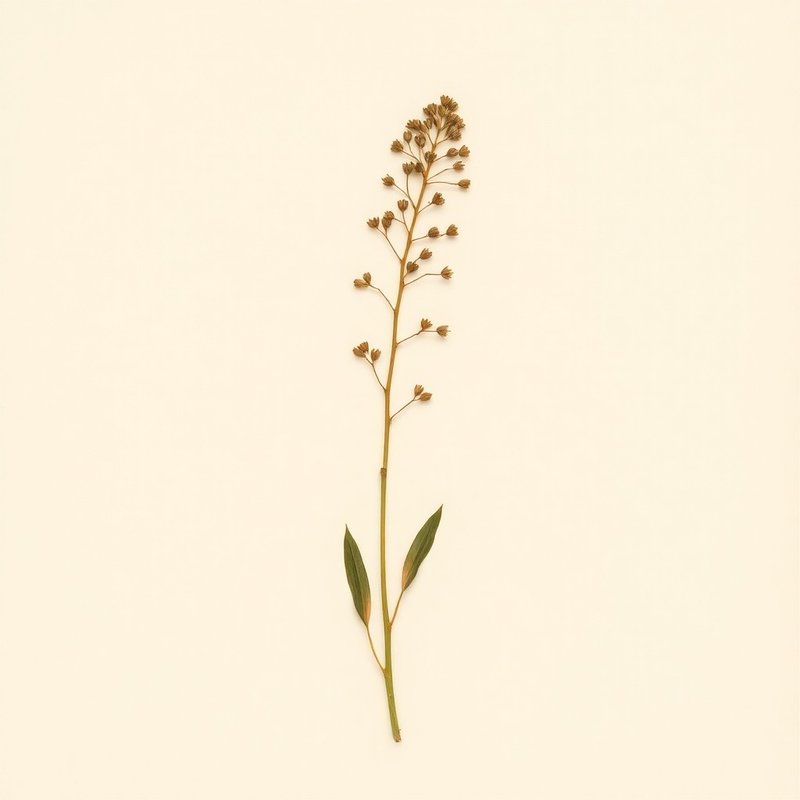
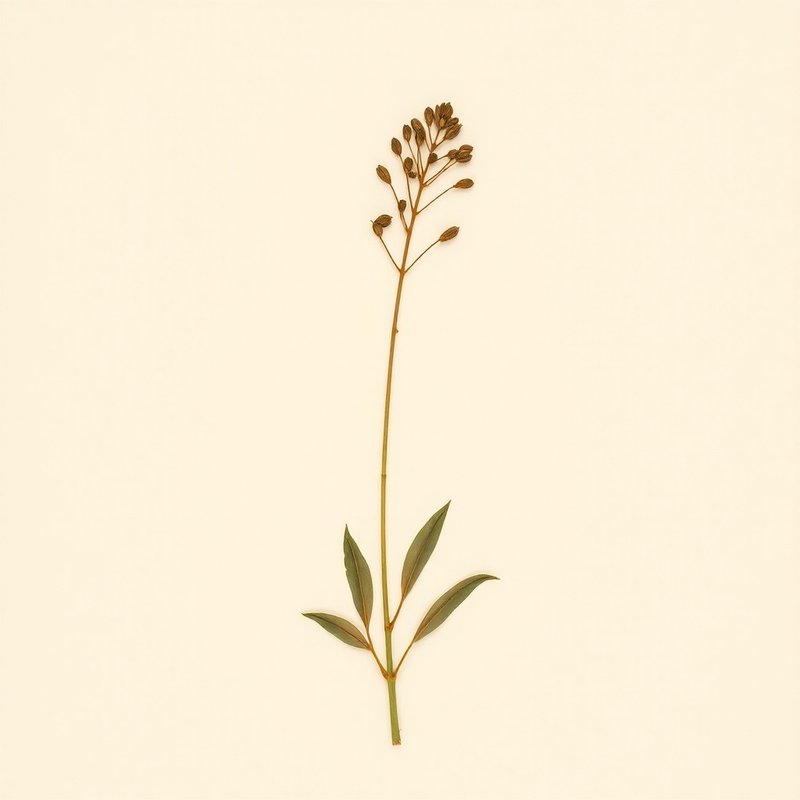
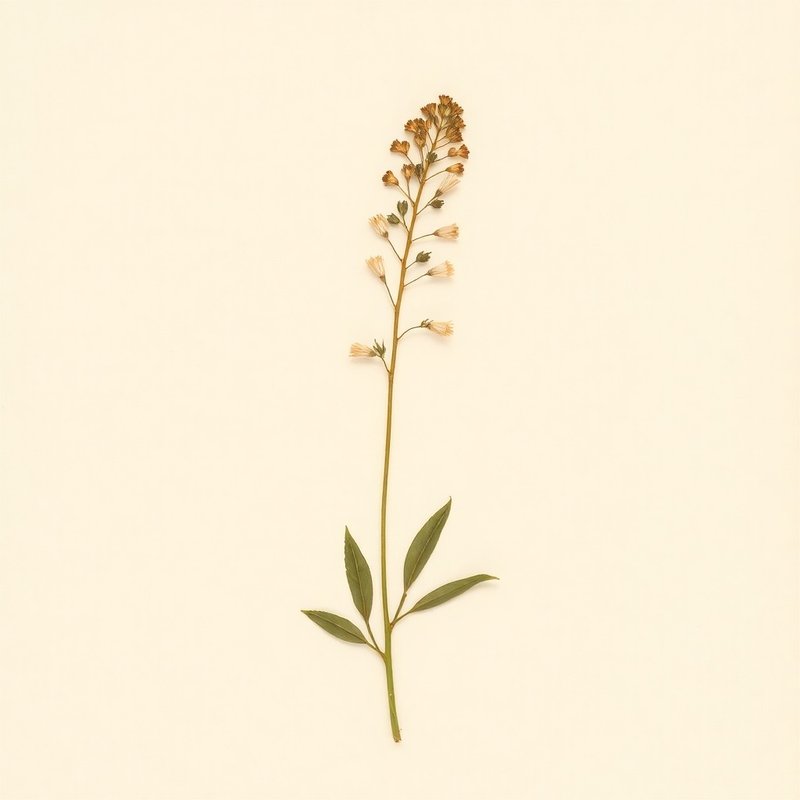
8 relatedPlants you might compare or use together — scored by shared family (Liliaceae), common use cases, and growing requirements.

Explore further
About this entry
- Last updated
- Citation
- How to cite this entry · Submit a correction
Continue reading
Primește digest-ul săptămânal
Un email curat pe săptămână — profile noi de plante, note sezoniere de cultivare, adăugiri în arhiva de remedii. Gratuit, fără tracking, dezabonare oricând.