Skip to content
IIIFolio · plant profile№ 6337medicinal · edible
Data provenancePermapeopleTrefleWikipediaPFAFPOWOeditorially reviewedreviewed 20 Oct 2026methodology → read
Home/Plants/Araliaceae

Polyscias fruticosa

Polyscias fruticosafam. Araliaceae
Educational content — not medical, botanical, or professional advice. Always consult a qualified clinician before using any herbal preparation — especially during pregnancy, breastfeeding, while on medication, or for children. How we source & review →
medicinaledibleshrubsedibleedible leafmedicinalnative asiaornamentalshrub
Updated·Quick Q&A →
Garden journal pausedUse profile notes below
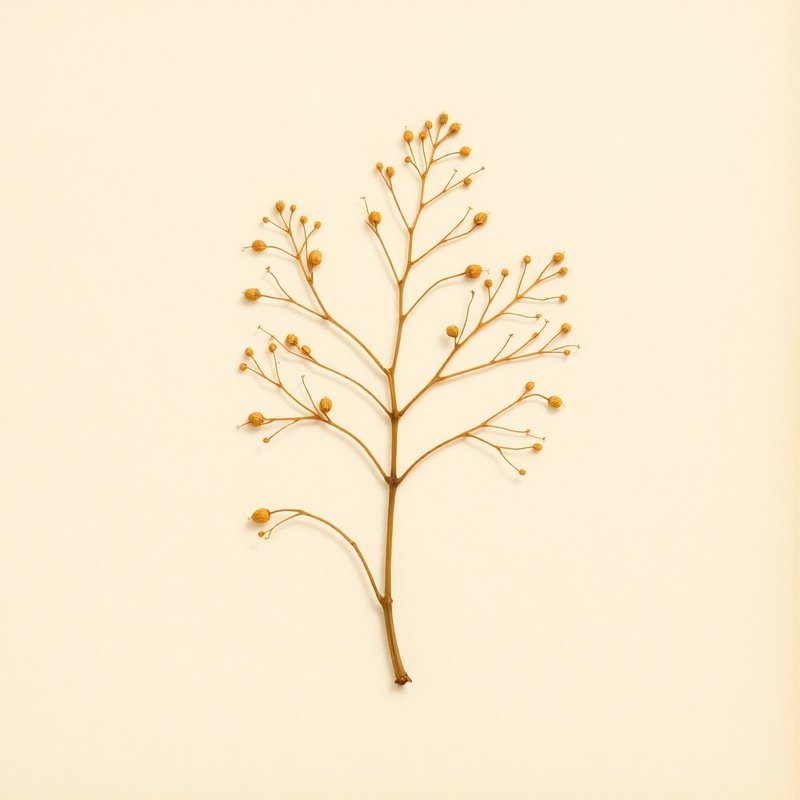
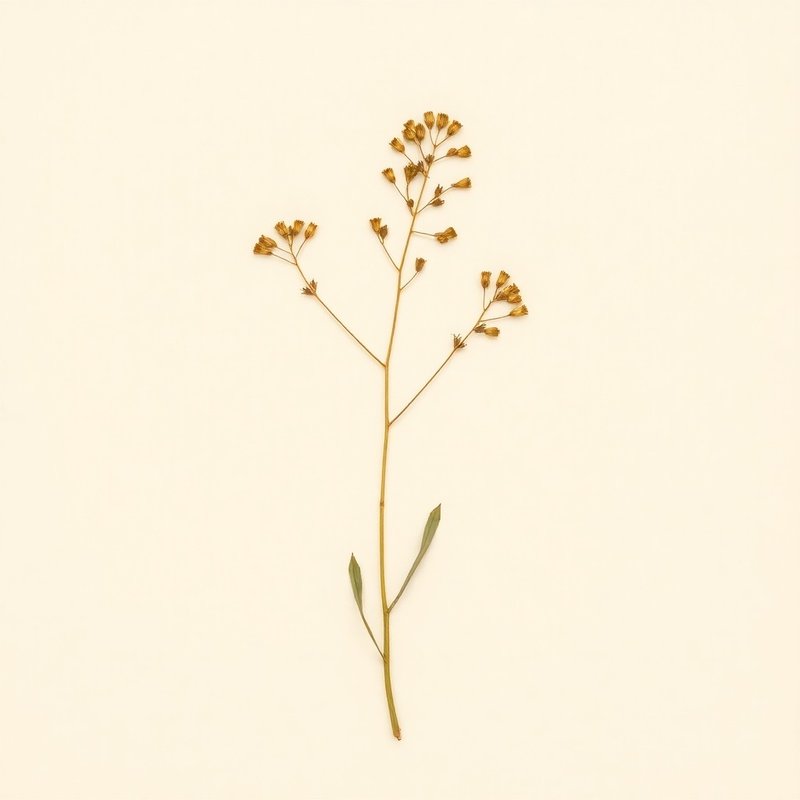
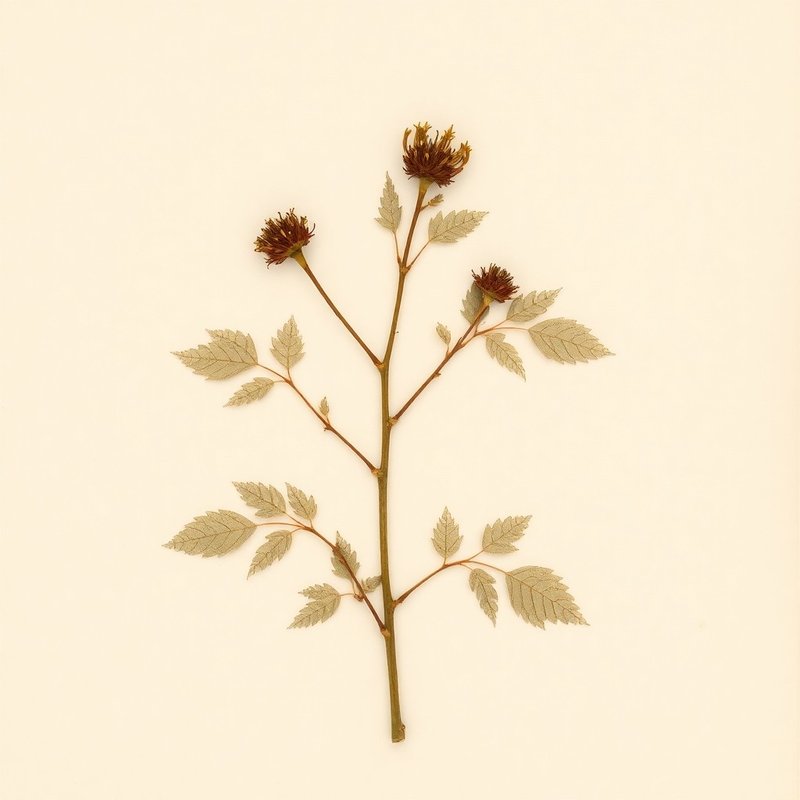
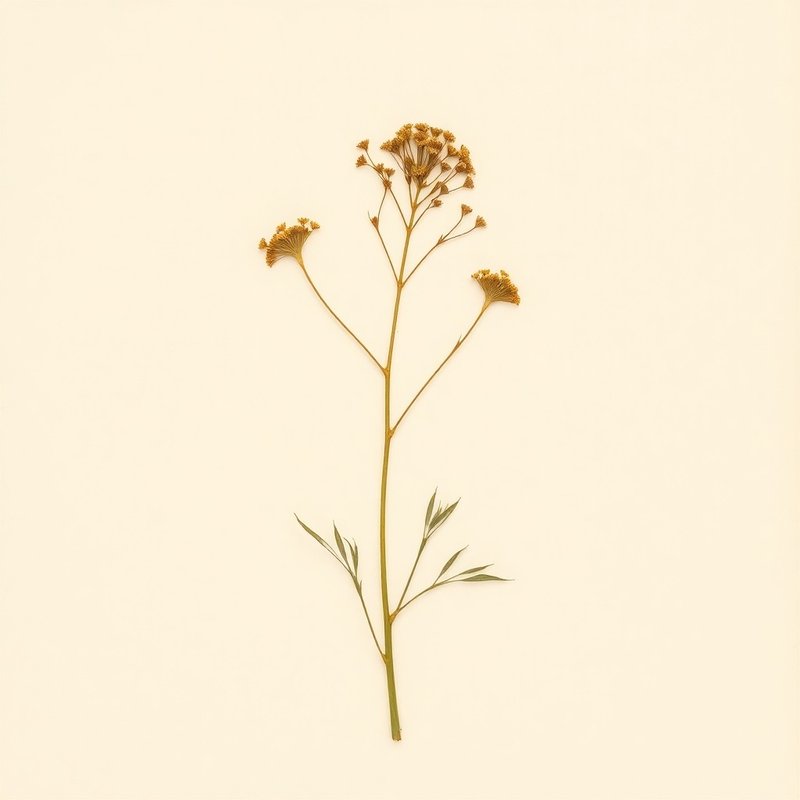
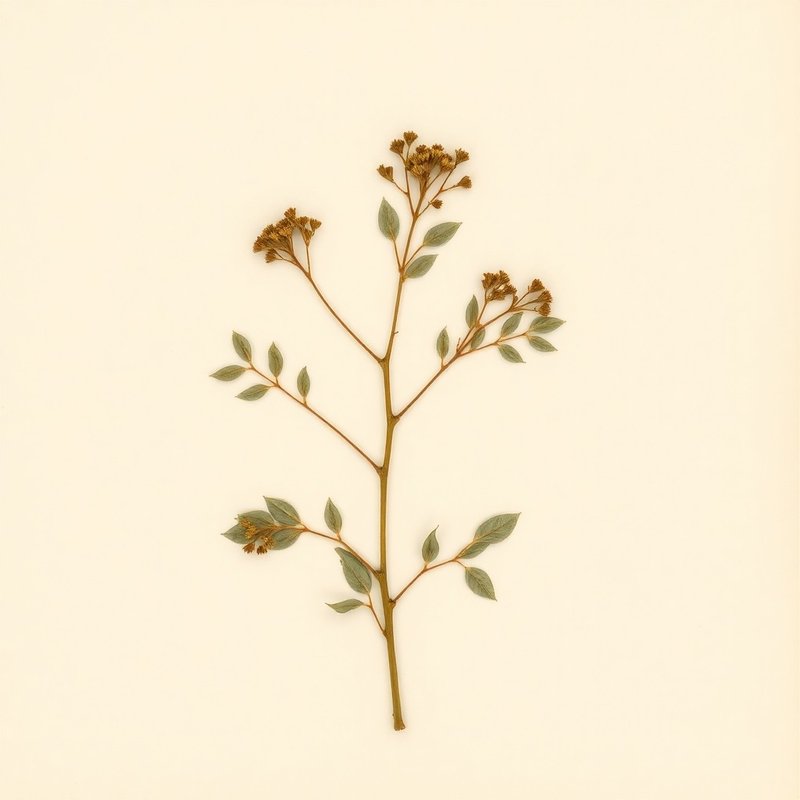
Polyscias fruticosa (Polyscias fruticosa) — botanical photograph
Pl. 6337 — Polyscias fruticosa
Polyscias fruticosaPolyscias fruticosaPolyscias fruticosaPolyscias fruticosaPolyscias fruticosaPolyscias fruticosaPolyscias fruticosaPolyscias fruticosaPolyscias fruticosaPolyscias fruticosaPolyscias fruticosaPolyscias fruticosaPolyscias fruticosaPolyscias fruticosa
I

Prezentare

Polyscias fruticosa, cunoscut sub numele de Skip în parlamentul comun și care aparține familiei Araliaceae, este un arbust nativ din regiuni precum arcipelagul Bismarck, Maluku, Noua Caledonia, Nova Gvineea, Queensland și Sulawesi. Această plantă se dezvolte în soare direct până la o umeditate parțială și preferă condiții umide cu sustrat lichid sau mediu. Puteți aștepta să crească până la 2,5 metri în înălțime și este cunoscut pentru părți edibile sale, care includ frunze, rădăcini și plămâni. Adaptabilitatea sa și valoarea ornamentară o fac alegere populară în jardine și landscaped.

Quick answers

What is Polyscias fruticosa?

Polyscias fruticosa, cunoscut sub numele de Skip în parlamentul comun și care aparține familiei Araliaceae, este un arbust nativ din regiuni precum arcipelagul Bismarck, Maluku, Noua Caledonia, Nova Gvineea, Queensland și Sulawesi.

What is Polyscias fruticosa used for?

Traditionally used for immune support. Each claim is evidence-rated — see Section II for full citations.

Compare with:Devil's Walking Stick→all comparisons →
Best for
Top 1 evidence-ranked use of Polyscias fruticosa
Jump to full evidence →
Clinicaluses · safety · chemistry · dosagemedicinal profile
II

Beneficii și dovezi

1 claim · traditional-use context
Traditional-use context
These notes are presented as ethnobotanical context. No cited clinical references are catalogued for this plant yet.
  • Polyscias fruticosa has been traditionally used in some Pacific cultures for immune support, often prepared as a decoction. Its use is thought to bolster the body's defenses against common ailments.

    The mechanism by which Polyscias fruticosa supports immunity is not fully characterised but may involve bioactive compounds that interact with immune cells and pathways.

    ▲ ModerateImmune support →
IV·b

Mixology suggestions

1 draft
Editorial drafts. These pairings are AI-suggested from traditional herbal lore. Always verify with a qualified herbalist before brewing.
Polyscias fruticosa support blend
general
tea
AI returned a direct ingredient list; normalized into one draft blend for editorial review.
Growingconditions · propagation · uses
V

Cultivare

Polyscias fruticosa se dezvolte bine în soare direct până la umeditate parțială și preferă sustrat umed cu sustrat lichid sau sandos cu textură medie. Crește bine ca arbust până la 2,5 metri în înălțime și este durabil în regiuni temperate până în zonele 10-12. Pentru propagare, puteți folosi frunze, rădăcini sau plămâni. Asigurați-vă că plantă are o umiditate adecvată și un mediu de sustrat cu bine drenaj pentru cele mai bune rezultate.
Light
Full sun, Partial sun/shade
Water
Moist
Soil
Light (sandy), Medium
Hardiness
10-12
Habit
Shrub
Mature size
2.5 m tall
For first-time growers

How to grow Polyscias fruticosa for the first time

8steps

Start with a simple, low-maintenance shrub that thrives in partial sun and moist soil.

  1. 1

    What you'll need

    Skip plant, potting mix, container with drainage holes.

  2. 2

    Best time to plant

    Plant Skip during spring or early summer when temperatures are mild.

  3. 3

    Soil and container prep

    Use a well-draining potting mix. Ensure the container has adequate drainage holes.

  4. 4

    Sowing or transplanting

    Transplant Skip from its nursery pot into your chosen container, ensuring roots are not damaged.

  5. 5

    First two weeks

    Keep the soil consistently moist and place the plant in a partially shaded area to acclimate.

  6. 6

    Ongoing care

    Water when the top inch of soil feels dry. Provide partial shade and regular watering, especially during hot weather.

  7. 7

    Harvest or pruning

    Prune Skip regularly to maintain shape and remove any dead or yellowing leaves.

  8. 8

    Common mistakes

    Overwatering, placing in full sun, using heavy soil without drainage.

VI

Edible & utility

Edible parts:LeavesRootShoots
Edible uses: Condiment
Other uses:HedgerowFragrance
Contextrange · companions · related
VII

Distribuție

6 native · 22 introduced
Distribution across4 continents· 6 native· 22 introduced
Asia4 regions
introduced (4)BangladeshMyanmarThailandVietnam
Americas3 regions
introduced (3)Dominican RepublicHaitiPuerto Rico
Africa1 region
introduced (1)Mozambique
Oceania2 regions
native (1)New Caledonia
introduced (1)Tonga
Broader regions
native:Bismarck Archipelago, Maluku, New Guinea, Queensland, Sulawesi
introduced:Andaman Is., Borneo, Caroline Is., Christmas I., Gilbert Is., Jawa, Leeward Is., Line Is., Marianas, Marshall Is., Nicobar Is., Society Is., Trinidad-Tobago
IX

Specimen gallery

1 image
Polyscias fruticosa (Polyscias fruticosa) — botanical photograph
Polyscias fruticosa (Polyscias fruticosa)
X

See also

8 related

Plants you might compare or use together — scored by shared family (Araliaceae), common use cases, and growing requirements.

same family · Araliaceae
Botanical relatives — often share phytochemistry + growing needs.
XI

Explore further

XII

About this entry

Last updated
Citation
How to cite this entry · Submit a correction
Back to the cataloguePlant id · 6337ebaf-87db-4daf-a64f-7e12fb62ca4b
❦❦❦❦
Endpaper · archive updates

Primește digest-ul săptămânal

Un email curat pe săptămână — profile noi de plante, note sezoniere de cultivare, adăugiri în arhiva de remedii. Gratuit, fără tracking, dezabonare oricând.

Newsletter returning soon.
We are rebuilding the update list around a lightweight editorial workflow. New dispatches will resume after the next content review cycle.
iCare notes