
Amur rose

IPrezentare
Prezentare
Rosa davurica (amur rose) este un arborec decidu origineal din regiunile nord-est ale Asiai, inclusiv Amur, Buryatiya, China Central-Nord, Chita, Inner Mongolia, Irkutsk, Japonia, Kamchatka și Coreea. Această plantă se dezvolte în soarele plin sau parțial, preferând sușteu umed care poate fi lichid (sandy), mediu sau greu (clay). Este durabil în zonele 4-8. Având o înălțime de aproximativ 1,5 m, amurul rose se cunoaște pentru fructele și semințele sale comestibile, făcându-l un resursă valoroasă în zona sa nativă. Caracteristicile distincte ale acestui plant includ capacitatea sa de a adapta la diverse tipuri de sușteu și valoarea sălbatică și ornamentară, contribuind la prezența sa în habitaturi naturale și în spațiul cultivat.
What is Amur rose?
Rosa davurica (amur rose) este un arborec decidu origineal din regiunile nord-est ale Asiai, inclusiv Amur, Buryatiya, China Central-Nord, Chita, Inner Mongolia, Irkutsk, Japonia, Kamchatka și Coreea.
What is Amur rose used for?
Traditionally used for immune support, topical & skin. Each claim is evidence-rated — see Section II for full citations.
IIBeneficii și dovezi
2 claims · traditional-use context
Beneficii și dovezi
2 claims · traditional-use context- Rosa davurica, like other roses in the genus Rosa, has been traditionally used to support immune health. Its fruit and seeds are often prepared as a decoction or tea.
The mechanism is not fully characterised but may involve polyphenols and flavonoids that have antioxidant properties and can modulate immune responses.
▲ ModerateImmune support → - Rosa davurica has been traditionally used in topical applications to support skin health. Its fruit and seeds can be prepared as a decoction or infused oil.
The mechanism is not fully characterised but may involve the presence of antioxidants like anthocyanins which help protect against oxidative stress and inflammation.
▲ ModerateTopical & skin →
IV·bMixology suggestions
1 draft
Mixology suggestions
1 draftVCultivare
Cultivare
How to grow Amur rose for the first time
Start with planting Amur rose in a sunny spot, and you'll have a low-maintenance shrub that will thrive.
- 1
What you'll need
Amur rose plants or seeds, garden gloves, trowel, watering can.
- 2
Best time to plant
Plant in early spring or late fall when the soil is workable and temperatures are mild.
- 3
Soil and container prep
Ensure the soil is well-draining; amend with compost if necessary. For containers, use a pot at least 30 cm wide and deep.
- 4
Sowing or transplanting
Transplant young plants in spring after danger of frost has passed. Sow seeds indoors 6-8 weeks before the last frost.
- 5
First two weeks
Water regularly to keep soil moist but not waterlogged. Monitor for pests and diseases, treating if necessary.
- 6
Ongoing care
Provide full sun exposure; prune in late winter or early spring to maintain shape. Water deeply once a week during dry spells.
- 7
Harvest or pruning
Prune in late winter to encourage healthy growth and remove any dead or diseased branches.
VIEdible & utility
Edible & utility
VIIDistribuție
15 native · 1 introduced
Distribuție
15 native · 1 introducedIXSpecimen gallery
1 image
Specimen gallery
1 imageXSee also
8 related
See also
8 relatedPlants you might compare or use together — scored by shared family, common use cases, and growing requirements.

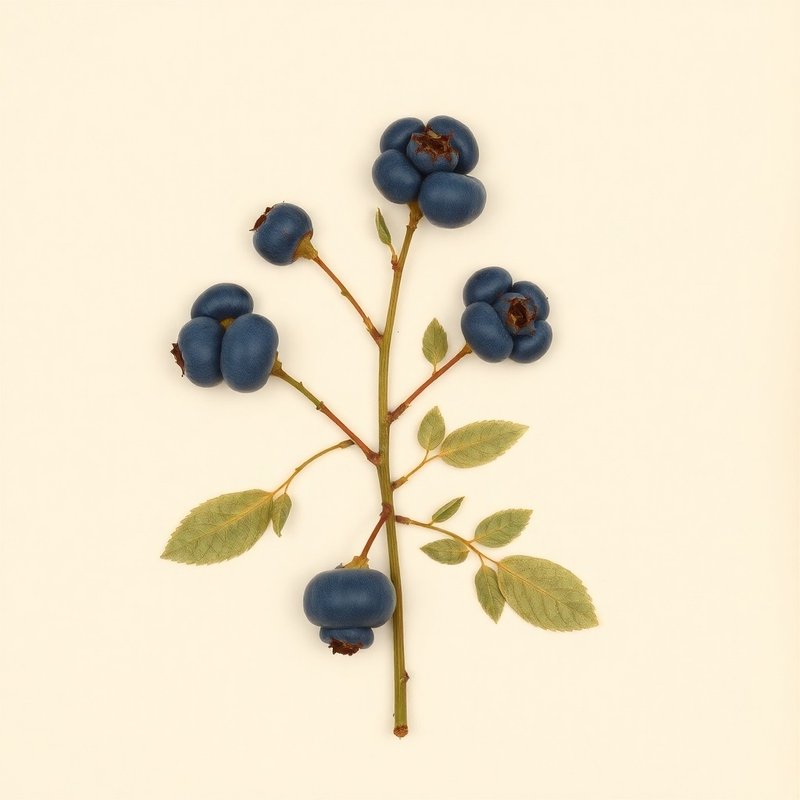

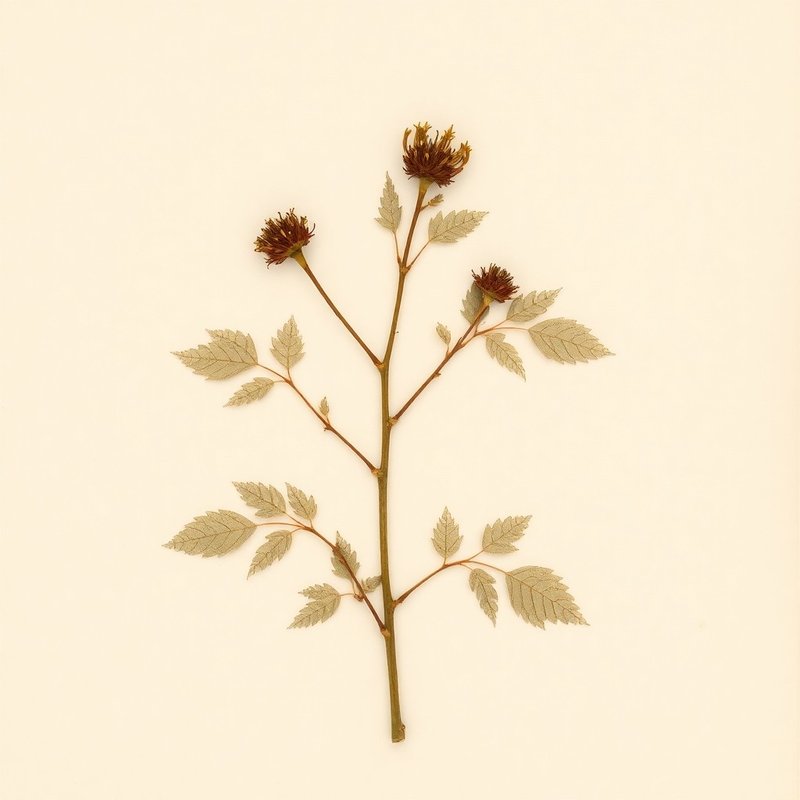
Explore further
About this entry
- Last updated
- Citation
- How to cite this entry · Submit a correction
Continue reading
Primește digest-ul săptămânal
Un email curat pe săptămână — profile noi de plante, note sezoniere de cultivare, adăugiri în arhiva de remedii. Gratuit, fără tracking, dezabonare oricând.