
Oxlip
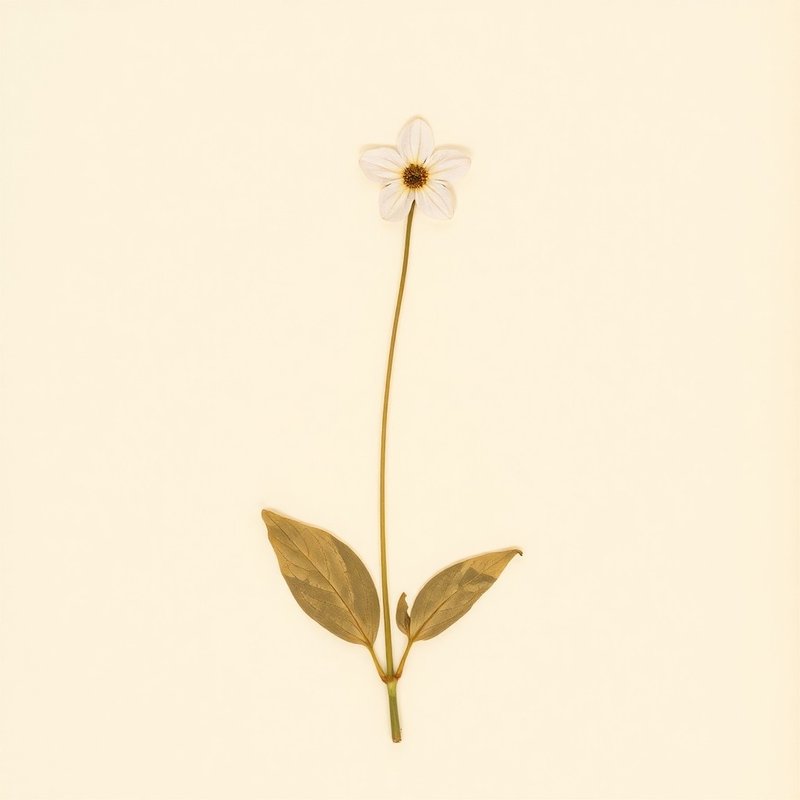
IPrezentare
Prezentare
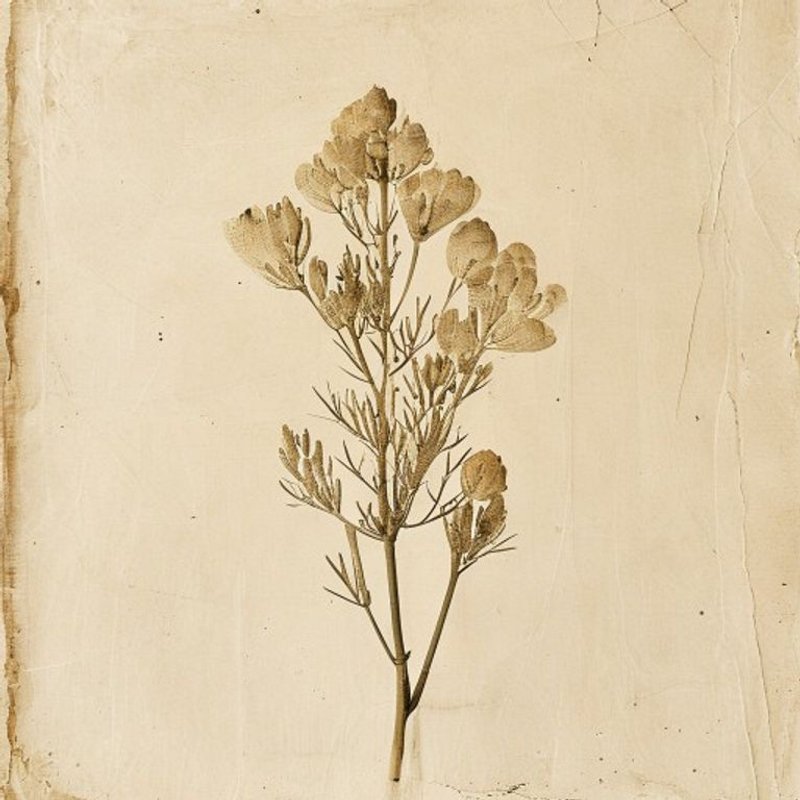
Oxlip (Primula elatior) este o plantă perenicolă nativă de păduri umede și prăjite din Europa și Asia de vest. Crește până la 0,3 m în înălțime și se adaptează la soluri cu pH între 7 și 7,5, fiind rezistentă la diverse condiții din domeniul său nativ. Cunoscut pentru atât valorile ornamentale cât și pentru faptul că pătrunțele sale sunt comestibile, acest plant se găsește adesea în jardine și habitaturi naturale de la Albania până la Ucraina, inclusiv țările precum Austria, Belgia, Bulgaria și România. Caracteristicile distinctive ale Oxlip-ului includ flori albastre sau galbene cu un punct mai scură la bază a fiecărui petal, care au o dimensiune de 5/10 pe scală energetică.
What is Oxlip?
Oxlip (Primula elatior) este o plantă perenicolă nativă de păduri umede și prăjite din Europa și Asia de vest. Crește până la 0,3 m în înălțime și se adaptează la soluri cu pH între 7 și 7,5, fiind rezistentă la diverse condiții din domeniul său nativ.
What is Oxlip used for?
Traditionally used for stress & anxiety, digestion. Each claim is evidence-rated — see Section II for full citations.
IIBeneficii și dovezi
2 claims · traditional-use context
Beneficii și dovezi
2 claims · traditional-use context- Traditional-use note: Oxlip appears in herbal sources around calming and relaxation traditions, often as a tea. PlantSage presents this as ethnobotanical context, not as medical advice.
Traditional context only. This reviewed claim keeps the original moderate confidence level, but avoids treatment, disease, dosage, or guaranteed-effect language.
▲ ModerateStress & anxiety → - Oxlip is traditionally used in herbal remedies for digestive discomfort, often prepared as a decoction. It may help soothe the gastrointestinal tract.
The plant contains compounds like saponins which can have anti-inflammatory effects on the gut lining.
▲ ModerateDigestion →
IV·bMixology suggestions
1 draft
Mixology suggestions
1 draftVCultivare
Cultivare
How to grow Oxlip for the first time
Start with planting Oxlip in a well-prepared soil to ensure a successful beginner garden.
- 1
What you'll need
A packet of Oxlip seeds or young plants, a trowel, and compost.
- 2
Best time to plant
Plant in early spring or late autumn when the soil is still cool.
- 3
Soil and container prep
Choose a spot with moist, well-draining soil that has a pH of 7–7.5. Amend the soil with compost if necessary.
- 4
Sowing or transplanting
Direct sow seeds in the ground or start young plants indoors before transplanting them outdoors after all danger of frost is past.
- 5
First two weeks
Water regularly to keep the soil moist. Monitor for any signs of pests or diseases and address them promptly.
- 6
Ongoing care
Provide light shade during hot summer days, especially if grown in full sun. Deadhead spent flowers to encourage more blooms.
- 7
Harvest or pruning
Prune dead leaves and spent flower heads to maintain the plant's health and appearance.
VIEdible & utility
Edible & utility
VIIDistribuție
32 native · 2 introduced
Distribuție
32 native · 2 introducedIXSpecimen gallery
1 image
Specimen gallery
1 imageXSee also
8 related
See also
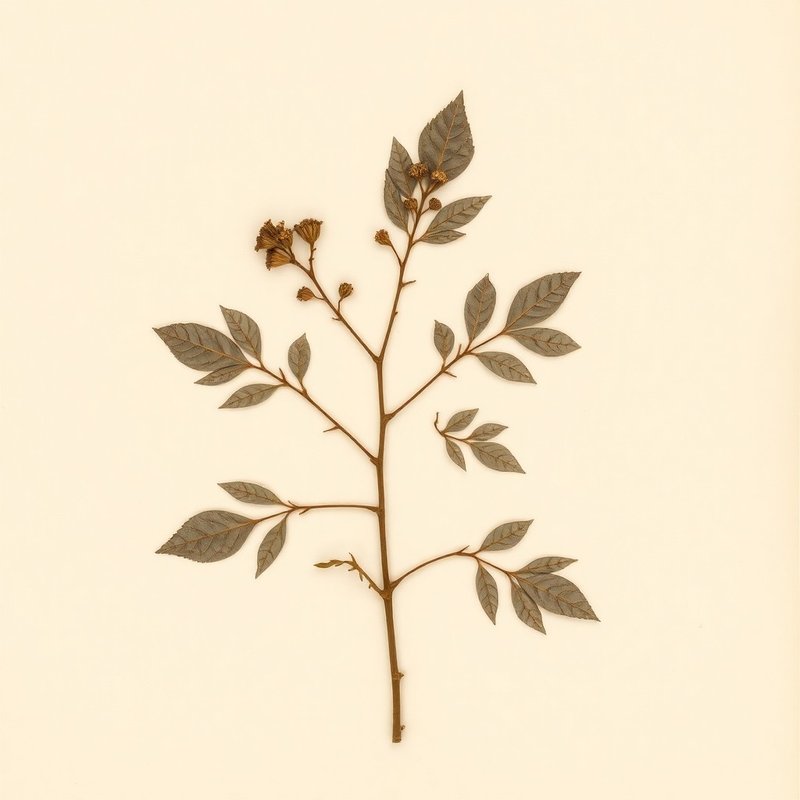
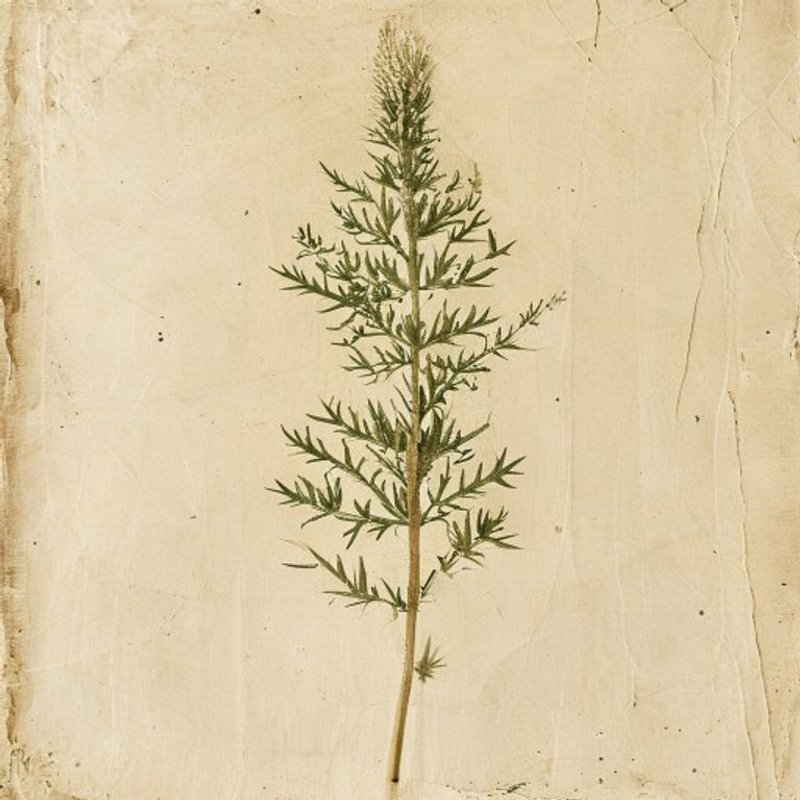
8 relatedPlants you might compare or use together — scored by shared family, common use cases, and growing requirements.
Explore further
About this entry
- Last updated
- Citation
- How to cite this entry · Submit a correction
Continue reading
Primește digest-ul săptămânal
Un email curat pe săptămână — profile noi de plante, note sezoniere de cultivare, adăugiri în arhiva de remedii. Gratuit, fără tracking, dezabonare oricând.