
King Protea
IPrezentare
Prezentare
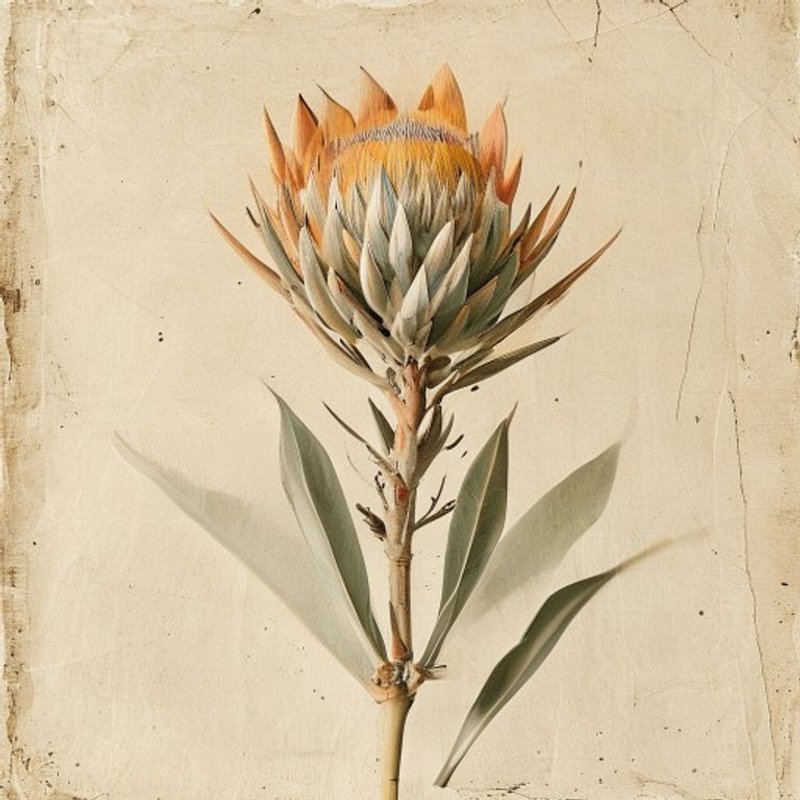
King Protea, cunoscut scientific sub numele de *Protea cynaroides*, este un membru impresionant al familiei proteaceae originar din provinciile Capului din Africa de Sud. Această plantă se dezvoltă în soare complet și poate tolera atât condițiile ușoare, cât și umide, făcând-o adaptabilă în diverse mediuni din domeniul său de origine. Cunoscut pentru valorile sale ornamentale, King Protea are și părți comestibile, specifical nectarul său, care adaugă o notă unică la creații culinare. Având o înălțime de aproximativ 2 m, acest proteacee este recunoscut prin flori mari și spizate care se potrivesc unui coroană, ceea ce i-a adus numele 'King' în interiorul regiunii sale.
What is King Protea?
King Protea, cunoscut scientific sub numele de *Protea cynaroides*, este un membru impresionant al familiei proteaceae originar din provinciile Capului din Africa de Sud.
What is King Protea used for?
Traditionally used for immune support, topical & skin. Each claim is evidence-rated — see Section II for full citations.
IIBeneficii și dovezi
2 claims · traditional-use context
Beneficii și dovezi
2 claims · traditional-use context- Protea cynaroides has been traditionally used in South African herbal medicine to support immune function, often prepared as a decoction. Its use is based on local knowledge and traditional practices.
The mechanism by which Protea cynaroides supports the immune system is not fully characterised but may involve bioactive compounds that interact with immune cells or pathways.
▲ ModerateImmune support → - Protea cynaroides is traditionally used in topical applications for skin health, particularly to soothe and protect the skin. This use is based on local traditional practices.
The mechanism by which Protea cynaroides benefits skin health is not fully characterised but may involve anti-inflammatory or antioxidant compounds that help maintain skin integrity.
▲ ModerateTopical & skin →
IV·bMixology suggestions
1 draft
Mixology suggestions
1 draftVCultivare
Cultivare
How to grow King Protea for the first time
Start with a simple, full-sun spot and basic soil preparation for your King Protea.
- 1
What you'll need
A young protea plant or seeds, potting mix suitable for succulents, and a watering can.
- 2
Best time to plant
Plant in late winter or early spring when the weather starts warming up.
- 3
Soil and container prep
Use well-draining soil with sand mixed in. Ensure containers have drainage holes.
- 4
Sowing or transplanting
Transplant young plants into a larger pot if needed, ensuring roots are not damaged during the process.
- 5
First two weeks
Water sparingly but thoroughly once a week to help establish the plant. Avoid overwatering.
- 6
Ongoing care
Provide full sun and water only when the soil is dry, about every 10-14 days depending on weather.
- 7
Harvest or pruning
Prune lightly to shape the plant in late winter before new growth starts. Harvest nectar as needed.
- 8
Common mistakes
Overwatering, planting in heavy soil, and not providing enough sunlight are common issues.
VIEdible & utility
Edible & utility
VIIDistribuție
1 native · 0 introduced
Distribuție
1 native · 0 introducedIXSpecimen gallery
1 image
Specimen gallery
1 imageXSee also
8 related
See also
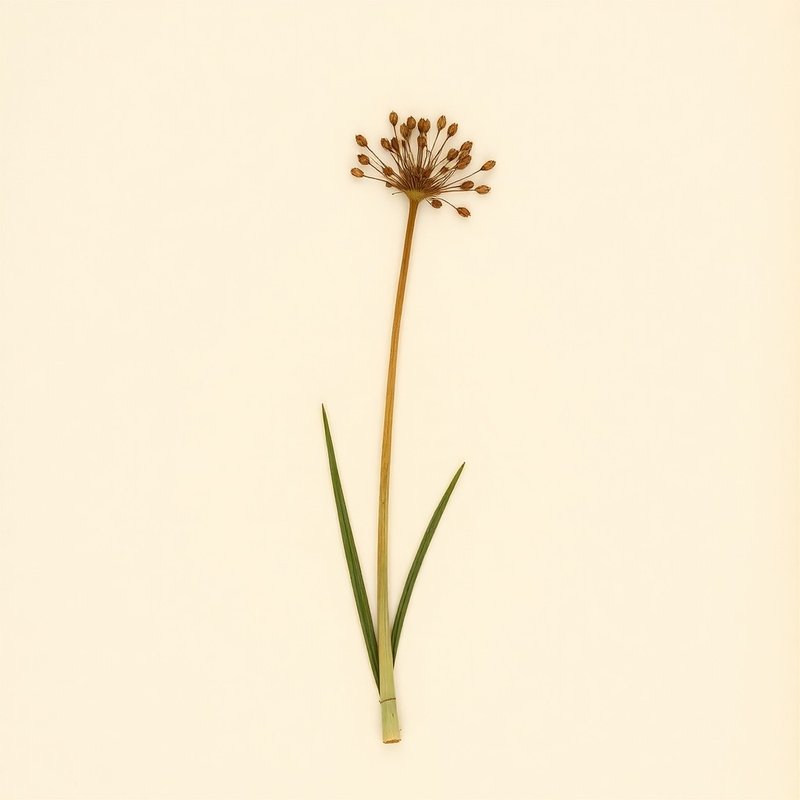
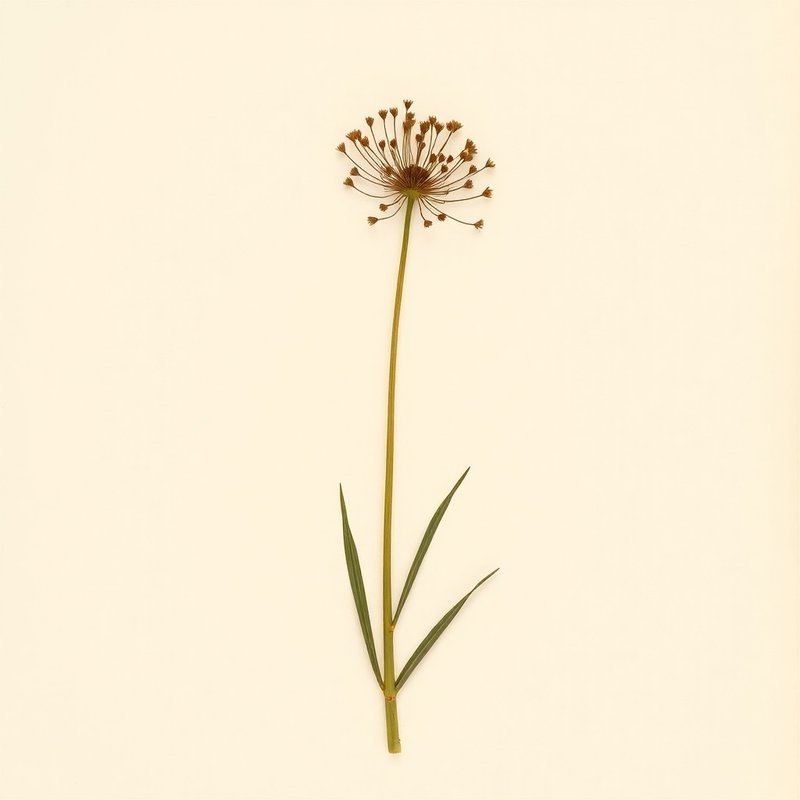
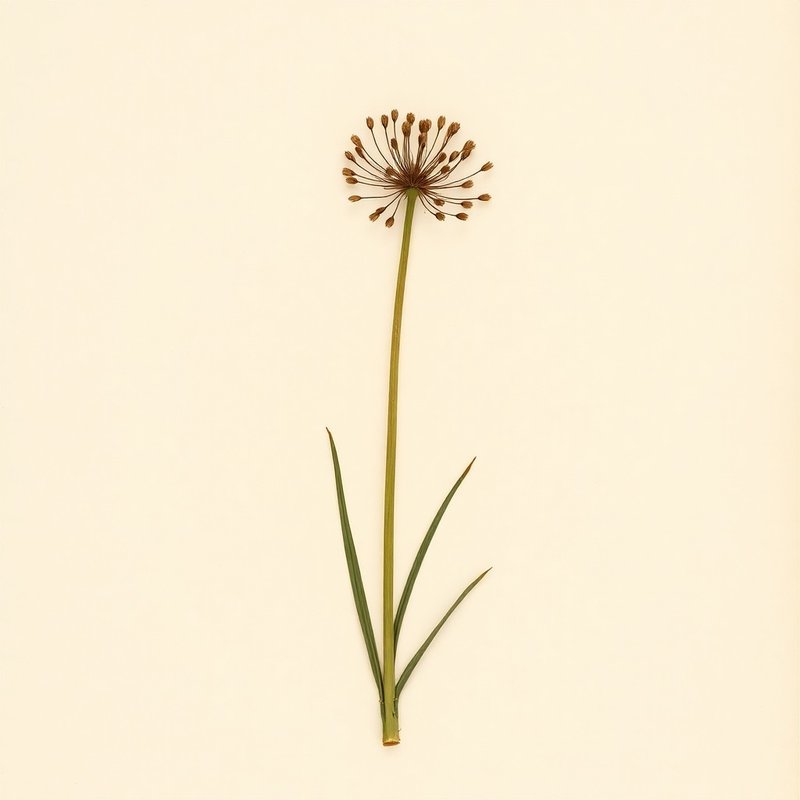
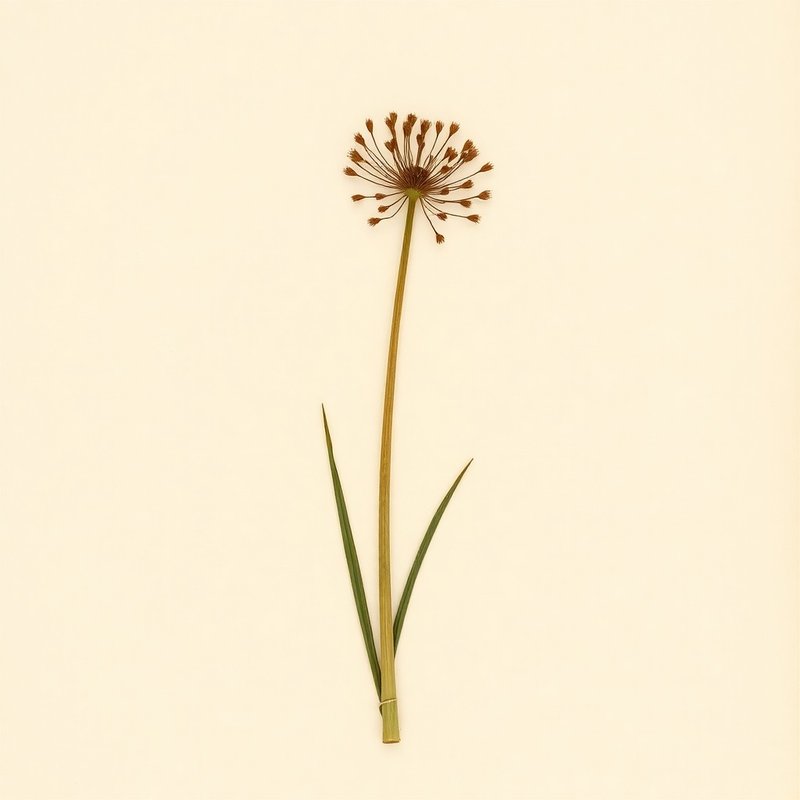
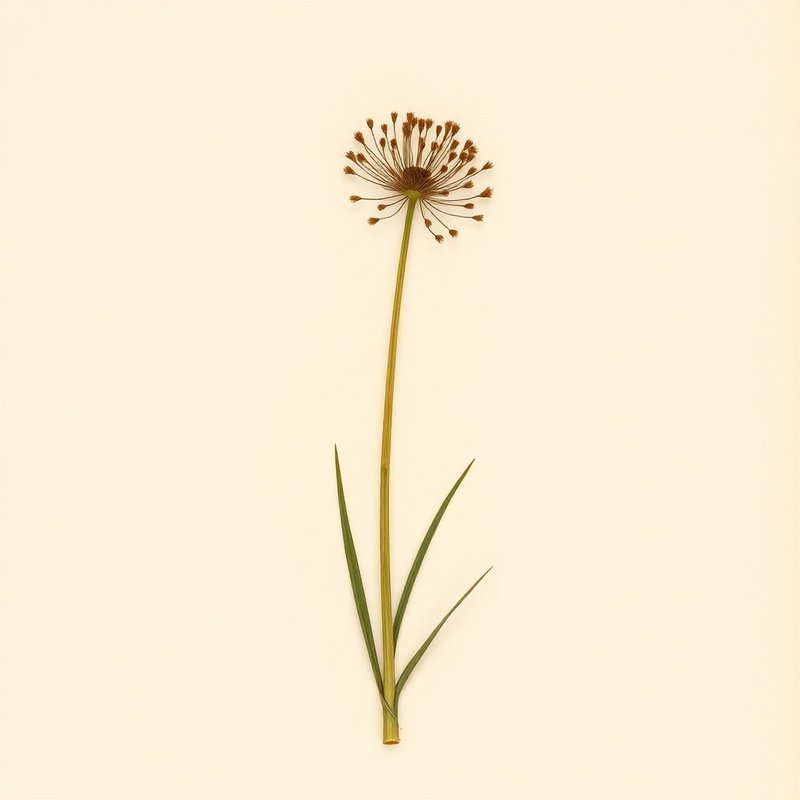
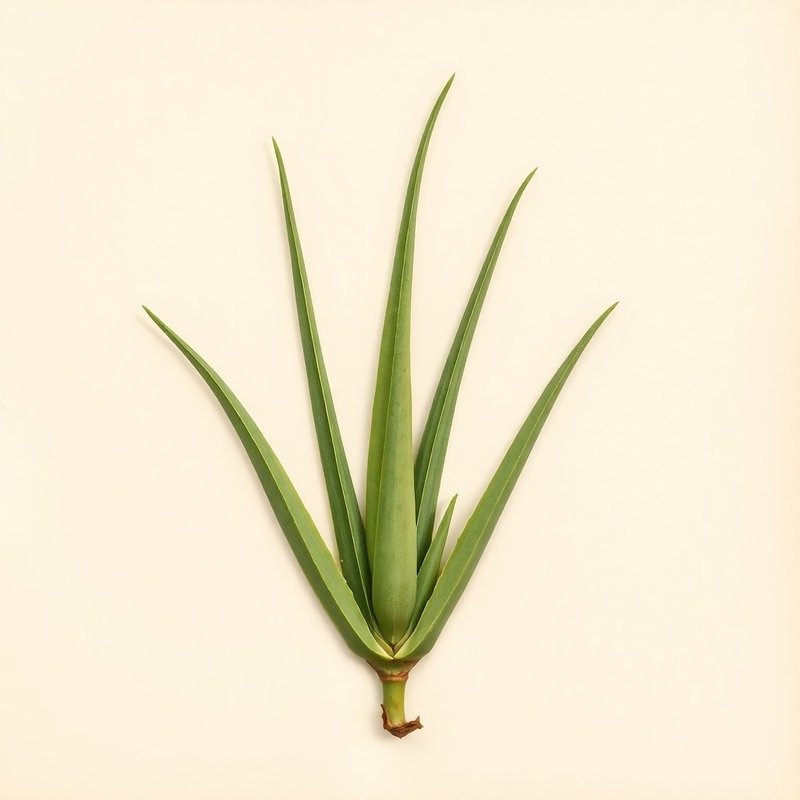
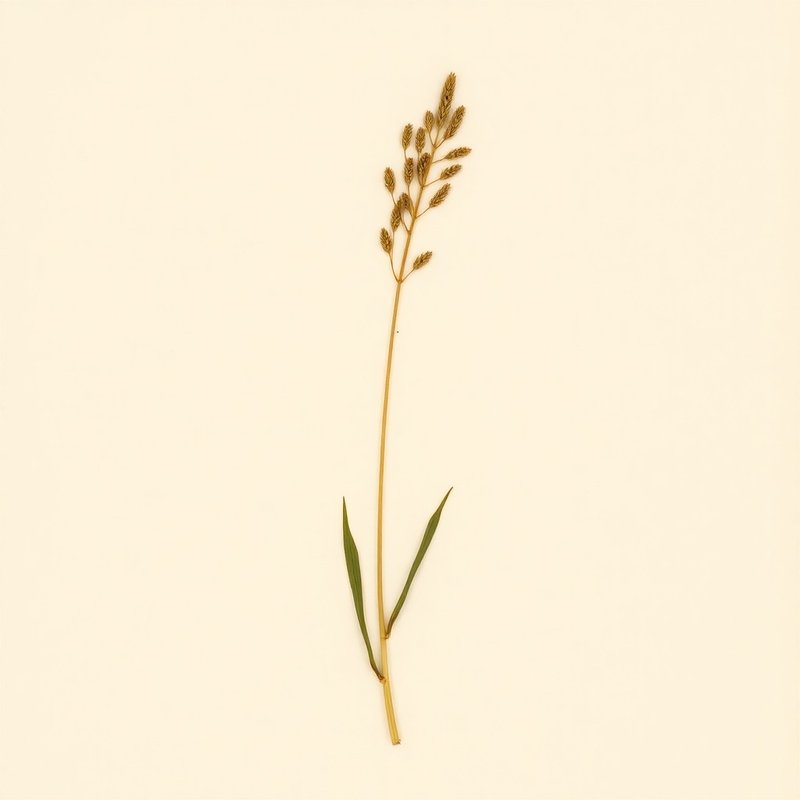
8 relatedPlants you might compare or use together — scored by shared family, common use cases, and growing requirements.

Explore further
About this entry
- Last updated
- Citation
- How to cite this entry · Submit a correction
Continue reading
Primește digest-ul săptămânal
Un email curat pe săptămână — profile noi de plante, note sezoniere de cultivare, adăugiri în arhiva de remedii. Gratuit, fără tracking, dezabonare oricând.