Skip to content
IIIFolio · plant profile№ C275medicinal · edible
Data provenancePermapeopleTrefleWikipediaPFAFPOWOeditorially reviewedreviewed 20 Oct 2026methodology → read
Home/Plants/Rosaceae

European plum

Prunus domesticafam. Rosaceae
Educational content — not medical, botanical, or professional advice. Always consult a qualified clinician before using any herbal preparation — especially during pregnancy, breastfeeding, while on medication, or for children. How we source & review →
medicinaledibleperennialtreesedibleedible fruitmedicinalperennialtree
Updated·Quick Q&A →
Garden journal pausedUse profile notes below
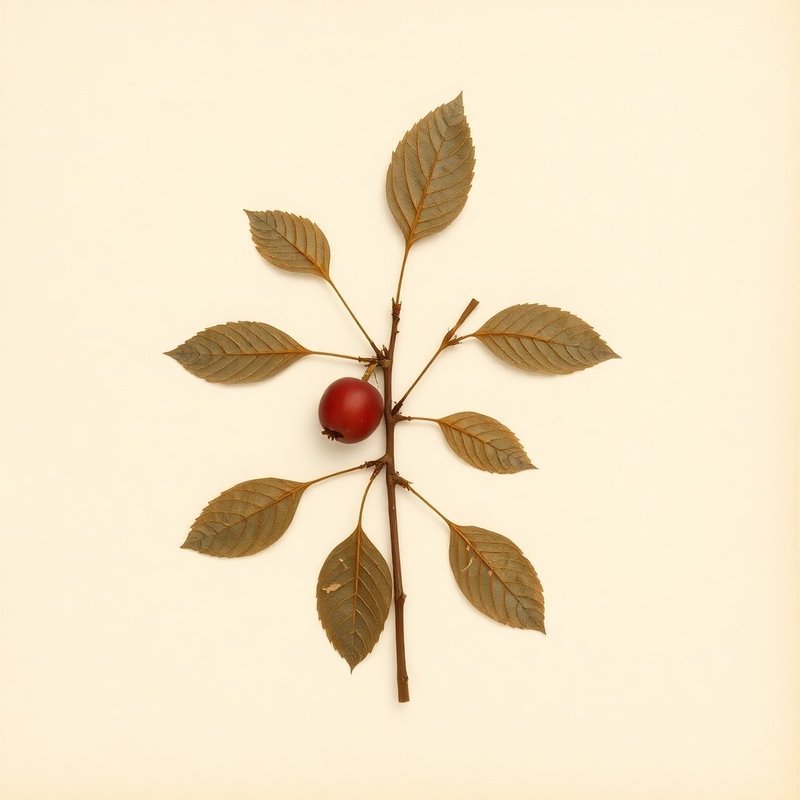
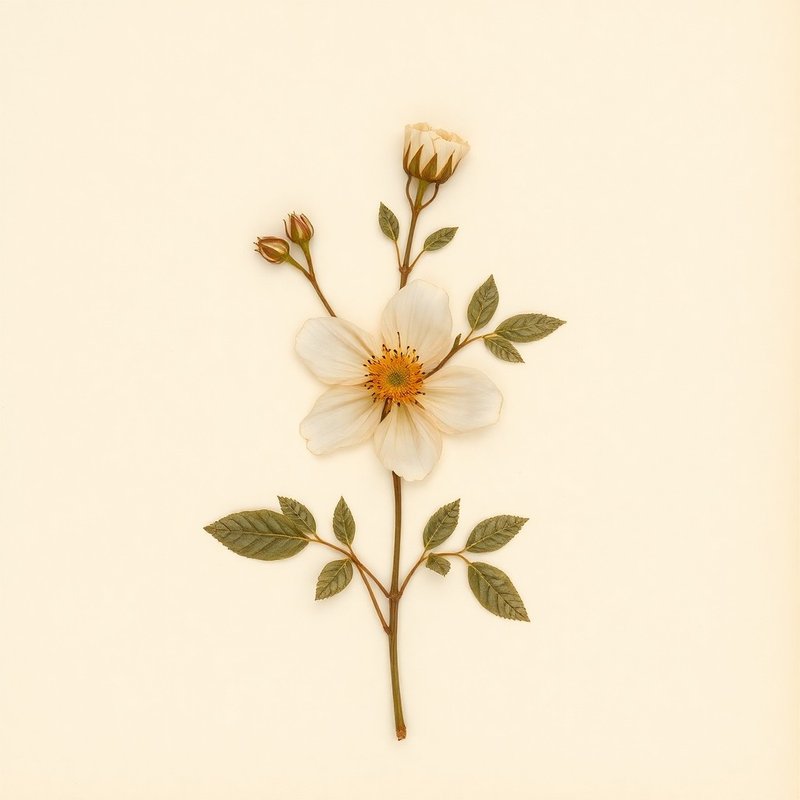
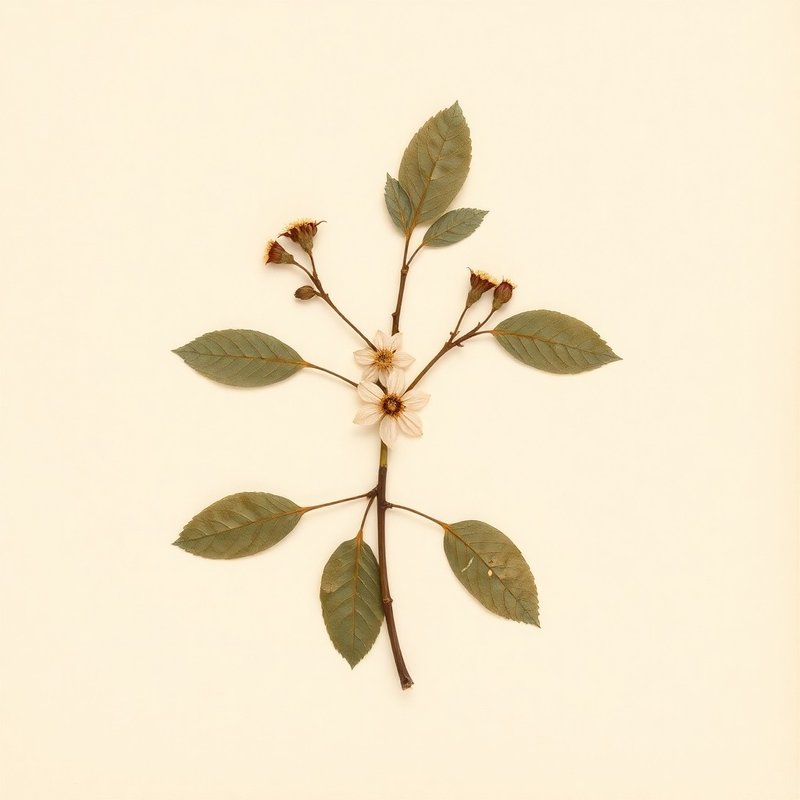
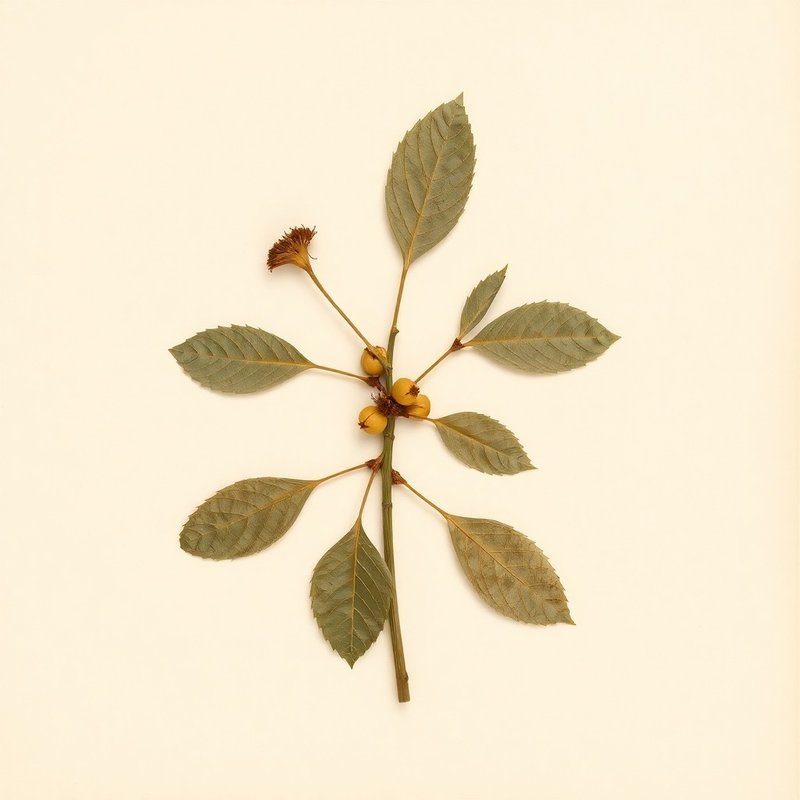
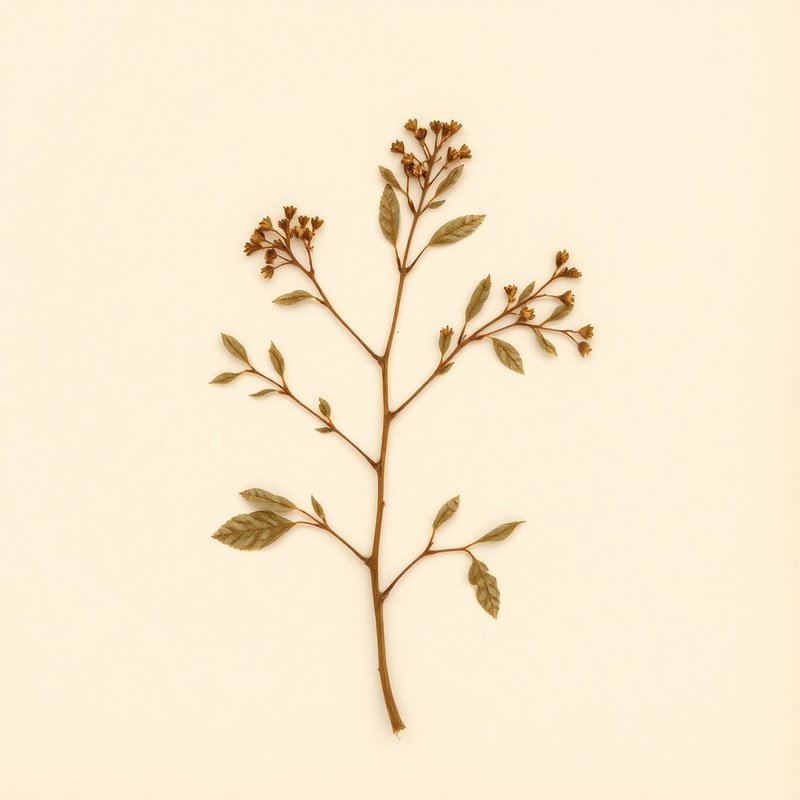
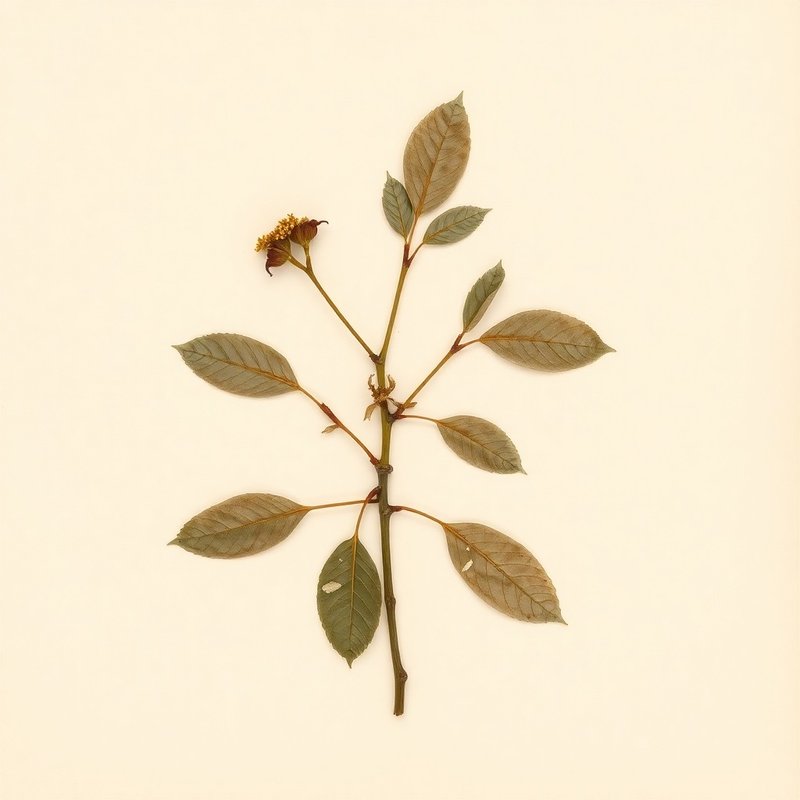
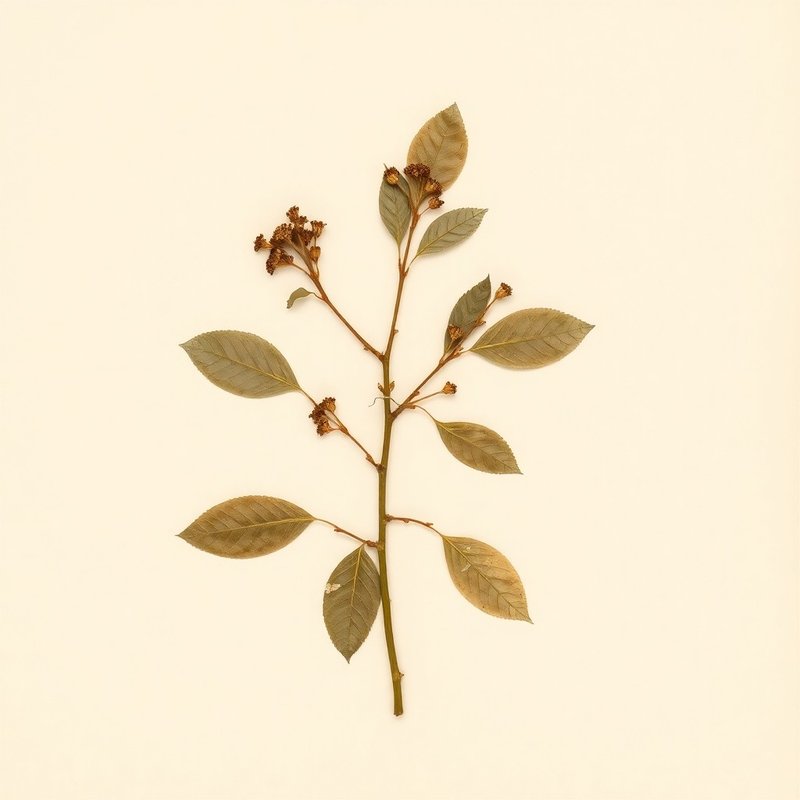
Prunus domestica (European plum) — botanical photograph
Pl. C275 — Prunus domestica
Prunus domesticaPrunus domesticaPrunus domesticaPrunus domesticaPrunus domesticaPrunus domesticaPrunus domesticaPrunus domesticaPrunus domesticaPrunus domesticaPrunus domesticaPrunus domesticaPrunus domesticaPrunus domestica
I

Prezentare

Prunus domestica, prăjită europeană, este un arbore pereniu nativ din Turcia, cunoscut pentru natura sa ușoară și umedă, prosperând în soluri de textură medie, cum ar fi sânpătar, loamă sau argila. Înălțimea sa poate atinge 12 metri cu o lățime de 7 metri, făcându-i un adițion înalt ornamental pentru landscape-uri. Această plantă este valorificată atât pentru fructele sale comestibile, cât și utilizările medicinale documentate. Fiecare dintre flori, fructe și semințe sunt părți comestibile, iar preferă nivelurile de pH ale solului între 5 și 8,2. Hardinessa lui Prunus domestica variază de la zona 4 până la zona 9, făcându-i adaptabil în diferite climatizări.

Quick answers

What is European plum?

Prunus domestica, prăjită europeană, este un arbore pereniu nativ din Turcia, cunoscut pentru natura sa ușoară și umedă, prosperând în soluri de textură medie, cum ar fi sânpătar, loamă sau argila. Înălțimea sa poate atinge 12 metri cu o lățime de 7 metri, făcându-i un adițion înalt ornamental pentru landscape-uri.

Compare with:Bokhara Plum→French Rose→Memorial Rosa→all comparisons →
IV·b

Mixology suggestions

1 draft
Editorial drafts. These pairings are AI-suggested from traditional herbal lore. Always verify with a qualified herbalist before brewing.
European plum support blend
general
tea
AI returned a direct ingredient list; normalized into one draft blend for editorial review.
Growingconditions · propagation · uses
V

Cultivare

Prunus domestica, prăjită europeană, prosperă în lumină partială sau semisomnolentă și preferă soluri umede și bine drenate care pot fi ușoare (sânpătar), medii sau grele (argila). Este hardy în zonele 4-9, făcându-i adecvat pentru regiuni temperat. Pentru creșterea optimă, mențineți un pH între 5 și 8,2. Irrigarea regulată este esențială pentru a menține solul umed constant, în special timp de fructificare. Propagează-te prin semințe sau greacă. Această plantă pereniu poate crește până la 12 metri în înălțime cu o lățime de 7 metri, făcându-i o adiție considerabilă oricărui jardин.
Light
7/10
Water
Moist
Soil
Light (sandy), Medium, Heavy (clay)
Hardiness
4-9
Life cycle
Perennial
Habit
Tree
Mature size
12.0 m × 7 m
Soil pH
5–8.2
For first-time growers

How to grow European plum for the first time

7steps

Start with a simple European plum tree to gain experience in fruit tree care.

  1. 1

    What you'll need

    A young European plum tree, garden gloves, and a shovel.

  2. 2

    Best time to plant

    Plant your European plum tree in early spring or late fall when the soil is workable but not frozen.

  3. 3

    Soil and container prep

    Ensure the soil drains well. Amend with compost if necessary, aiming for a pH between 5 and 8.2.

  4. 4

    Sowing or transplanting

    Transplant your young tree into a prepared hole that is twice as wide but not deeper than its root ball.

  5. 5

    First two weeks

    Water the tree thoroughly after planting, then keep the soil moist but not waterlogged during this period.

  6. 6

    Ongoing care

    Provide regular watering, especially in dry periods. Fertilize once a year with compost or well-rotted manure.

  7. 7

    Harvest or pruning

    Prune the tree annually to maintain shape and remove dead branches. Harvest fruit when it easily separates from the branch.

VI

Edible & utility

Edible parts:FlowersFruitSeed
Edible uses: Oil, Gum, Tea
Other uses:AdhesiveDyeGumoilLumber
Contextrange · companions · related
VII

Distribuție

1 native · 67 introduced
Distribution across4 continents· 1 native· 67 introduced
Europe15 regions
introduced (15)AustriaBelgiumBulgariaCyprusFranceGermanyHungaryIrelandItalyPolandPortugalRussiaSpainSwedenUnited Kingdom
Asia7 regions
native (1)Turkey
introduced (6)IndiaIraqKazakhstanSouth KoreaTurkmenistanUzbekistan
Americas1 region
introduced (1)Bolivia
Africa4 regions
introduced (4)AlgeriaLibyaMoroccoTunisia
Broader regions
introduced:California, Colorado, Connecticut, Czechoslovakia, Delaware, East Himalaya, Falkland Is., Gulf of Guinea Is., Idaho, Kirgizstan, Louisiana, Maine, Maryland, Masachusettes, Massachusetts, Michigan, Nevada, New Brunswick, New Hampshire, New Jersey, New South Wales, New York, New Zealand North, Nova Scotia, Ohio, Ontario, Oregon, Pennsylvania, Québec, Rhode I., Tadzhikistan, Turkey-in-Europe, Utah, Vermont, Virginia, Washington, Yugoslavia
VIII

Garden companions

10 pairs
Plant near these

These plants help — by repelling pests, fixing nitrogen, attracting pollinators, or sharing space well.

Chives
Allium schoenoprasum
Pest repellent
Lower-confidence orchard guild pairing: compact aromatic herbs form a pest-confusing edge under or near fruit trees.
White Clover
Trifolium repens
Dynamic accumulator
Lower-confidence orchard guild pairing: deep-rooted or nitrogen-supporting plants can be chopped and dropped as managed mulch.
Fagopyrum esculentum
Pollinator-friendly
Lower-confidence orchard guild pairing: long-blooming insectary plants support pollinators and pest predators near fruit trees.
Bergamot
Monarda didyma
Pollinator-friendly
Lower-confidence orchard guild pairing: long-blooming insectary plants support pollinators and pest predators near fruit trees.
Stinging nettle
Urtica dioica
Dynamic accumulator
Lower-confidence orchard guild pairing: deep-rooted or nitrogen-supporting plants can be chopped and dropped as managed mulch.
Garlic
Allium sativum
Pest repellent
Lower-confidence orchard guild pairing: compact aromatic herbs form a pest-confusing edge under or near fruit trees.
Origanum vulgare
Origanum vulgare
Pest repellent
Lower-confidence orchard guild pairing: compact aromatic herbs form a pest-confusing edge under or near fruit trees.
Pot marigold
Calendula officinalis
Pollinator-friendly
Lower-confidence orchard guild pairing: long-blooming insectary plants support pollinators and pest predators near fruit trees.
Yarrow
Achillea millefolium
Pollinator-friendly
Lower-confidence orchard guild pairing: long-blooming insectary plants support pollinators and pest predators near fruit trees.
IX

Specimen gallery

1 image
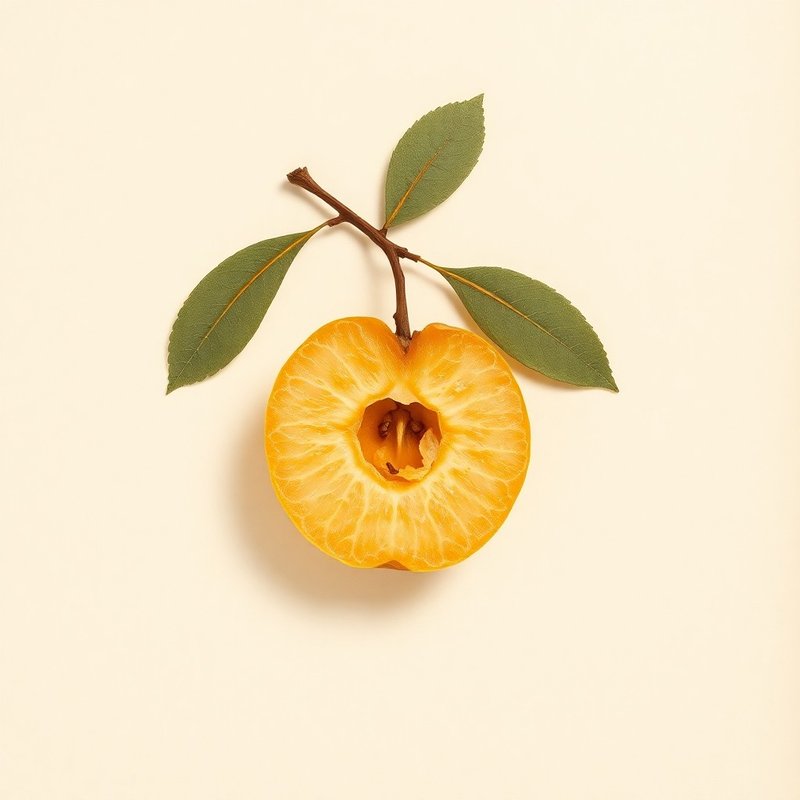
Prunus domestica (European plum) — botanical photograph
European plum (Prunus domestica)
X

See also

8 related
XI

Explore further

Growing zone
Native to
XII

About this entry

Last updated
Citation
How to cite this entry · Submit a correction
Back to the cataloguePlant id · c2750cf1-7b1a-4c48-ab07-00c80661035a
Decision aid
Choosing between European plum and something else?
Compare with another plant

Continue reading

❦❦❦❦
Endpaper · archive updates

Primește digest-ul săptămânal

Un email curat pe săptămână — profile noi de plante, note sezoniere de cultivare, adăugiri în arhiva de remedii. Gratuit, fără tracking, dezabonare oricând.

Newsletter returning soon.
We are rebuilding the update list around a lightweight editorial workflow. New dispatches will resume after the next content review cycle.
iCare notes