
European plum
Prunus domesticafam. Rosaceae
Educational content — not medical, botanical, or professional advice. Always consult a qualified clinician before using any herbal preparation — especially during pregnancy, breastfeeding, while on medication, or for children. How we source & review →
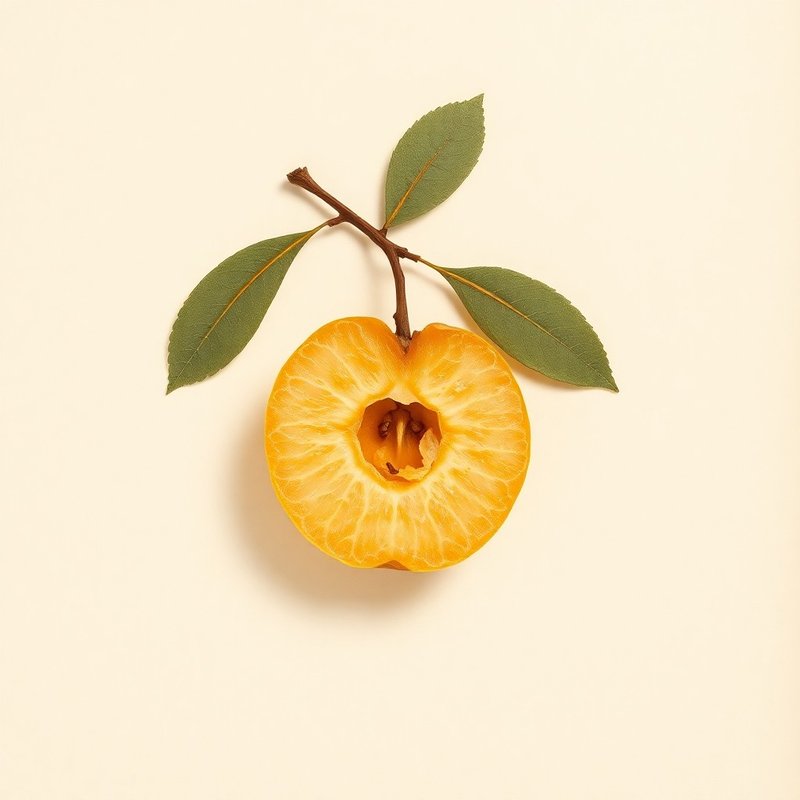
Pl. C275 — Prunus domestica
Prunus domesticaPrunus domesticaPrunus domesticaPrunus domesticaPrunus domesticaPrunus domesticaPrunus domesticaPrunus domesticaPrunus domesticaPrunus domesticaPrunus domesticaPrunus domesticaPrunus domesticaPrunus domestica
IOverview
Overview
European plum (Prunus domestica) is a tree native to Turkey and widely cultivated in Europe and other temperate regions for its fruit. A member of the Rosaceae family, this perennial grows up to 12 meters tall with a spread of 7 meters, making it a prominent feature in orchards and gardens. The plant thrives in moist, light (sandy), medium, or heavy (clay) soils with a pH range of 5 to 8.2, showing adaptability across various conditions. Known for its edible fruit and documented medicinal uses, European plum is valued not only for its sweet and versatile plums but also for its potential health benefits. One distinctive feature is the tree's ability to produce both flowers and fruit, enhancing its ornamental appeal while providing a bountiful harvest.
Quick answers
What is European plum?
European plum (Prunus domestica) is a tree native to Turkey and widely cultivated in Europe and other temperate regions for its fruit. A member of the Rosaceae family, this perennial grows up to 12 meters tall with a spread of 7 meters, making it a prominent feature in orchards and gardens.
IV·bMixology suggestions
1 draft
Mixology suggestions
1 draftEditorial drafts. These pairings are AI-suggested from traditional herbal lore. Always verify with a qualified herbalist before brewing.
European plum support blend
generaltea
AI returned a direct ingredient list; normalized into one draft blend for editorial review.
Growingconditions · propagation · uses
VCultivation
Cultivation
The European plum (Prunus domestica) thrives in light to partial shade and prefers moist, well-draining soil that can be light (sandy), medium, or heavy (clay). It is hardy in zones 4-9, making it suitable for temperate regions. For best growth, maintain a pH between 5 and 8.2. Regular watering is essential to keep the soil consistently moist, especially during fruiting. Propagate through seeds or grafting. This perennial tree can grow up to 12 meters in height with a width of 7 meters, making it a substantial addition to any garden.
Light
7/10
Water
Moist
Soil
Light (sandy), Medium, Heavy (clay)
Hardiness
4-9
Life cycle
Perennial
Habit
Tree
Mature size
12.0 m × 7 m
Soil pH
5–8.2
For first-time growers
How to grow European plum for the first time
7steps
Start with a simple European plum tree to gain experience in fruit tree care.
- 1
What you'll need
A young European plum tree, garden gloves, and a shovel.
- 2
Best time to plant
Plant your European plum tree in early spring or late fall when the soil is workable but not frozen.
- 3
Soil and container prep
Ensure the soil drains well. Amend with compost if necessary, aiming for a pH between 5 and 8.2.
- 4
Sowing or transplanting
Transplant your young tree into a prepared hole that is twice as wide but not deeper than its root ball.
- 5
First two weeks
Water the tree thoroughly after planting, then keep the soil moist but not waterlogged during this period.
- 6
Ongoing care
Provide regular watering, especially in dry periods. Fertilize once a year with compost or well-rotted manure.
- 7
Harvest or pruning
Prune the tree annually to maintain shape and remove dead branches. Harvest fruit when it easily separates from the branch.
VIEdible & utility
Edible & utility
Edible parts:FlowersFruitSeed
Edible uses: Oil, Gum, Tea
Other uses:AdhesiveDyeGumoilLumber
Contextrange · companions · related
VIIDistribution
1 native · 29 introduced
Distribution
1 native · 29 introducedDistribution across3 continents· 1 native· 29 introduced
Europe3 regions
introduced (3)AustriaRussiaSpain
Asia2 regions
native (1)Turkey
introduced (1)India
Africa1 region
introduced (1)Algeria
Broader regions
introduced:Kirgizstan, California, Colorado, Connecticut, Delaware, East Himalaya, Falkland Is., Gulf of Guinea Is., Idaho, Louisiana, Maine, Maryland, Massachusetts, Michigan, Nevada, New Brunswick, New Hampshire, New Jersey, New South Wales, New York, New Zealand North, Nova Scotia, Ohio
VIIIGarden companions
10 pairs
Garden companions
10 pairsPlant near these
These plants help — by repelling pests, fixing nitrogen, attracting pollinators, or sharing space well.
Fagopyrum esculentum
Fagopyrum esculentum
Pollinator-friendly
Lower-confidence orchard guild pairing: long-blooming insectary plants support pollinators and pest predators near fruit trees.
Bergamot
Monarda didyma
Pollinator-friendly
Lower-confidence orchard guild pairing: long-blooming insectary plants support pollinators and pest predators near fruit trees.
Pot marigold
Calendula officinalis
Pollinator-friendly
Lower-confidence orchard guild pairing: long-blooming insectary plants support pollinators and pest predators near fruit trees.
Yarrow
Achillea millefolium
Pollinator-friendly
Lower-confidence orchard guild pairing: long-blooming insectary plants support pollinators and pest predators near fruit trees.
White Clover
Trifolium repens
Dynamic accumulator
Lower-confidence orchard guild pairing: deep-rooted or nitrogen-supporting plants can be chopped and dropped as managed mulch.
Stinging nettle
Urtica dioica
Dynamic accumulator
Lower-confidence orchard guild pairing: deep-rooted or nitrogen-supporting plants can be chopped and dropped as managed mulch.
Chives
Allium schoenoprasum
Pest repellent
Lower-confidence orchard guild pairing: compact aromatic herbs form a pest-confusing edge under or near fruit trees.
Garlic
Allium sativum
Pest repellent
Lower-confidence orchard guild pairing: compact aromatic herbs form a pest-confusing edge under or near fruit trees.
Origanum vulgare
Origanum vulgare
Pest repellent
Lower-confidence orchard guild pairing: compact aromatic herbs form a pest-confusing edge under or near fruit trees.
Keep away from these
Avoid planting nearby — competition, allelopathy, or shared pests/diseases.
IXSpecimen gallery
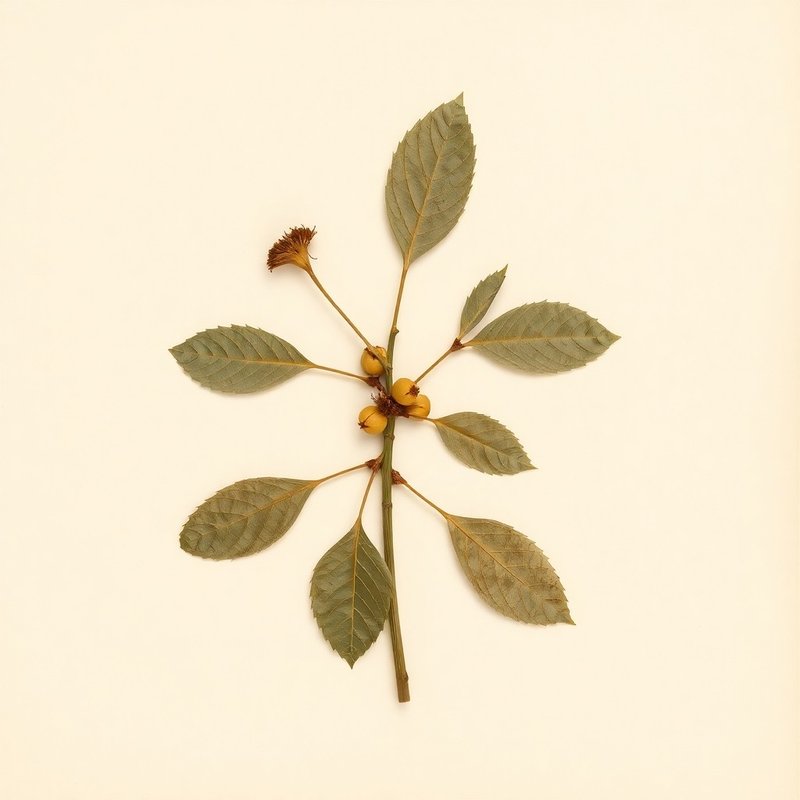
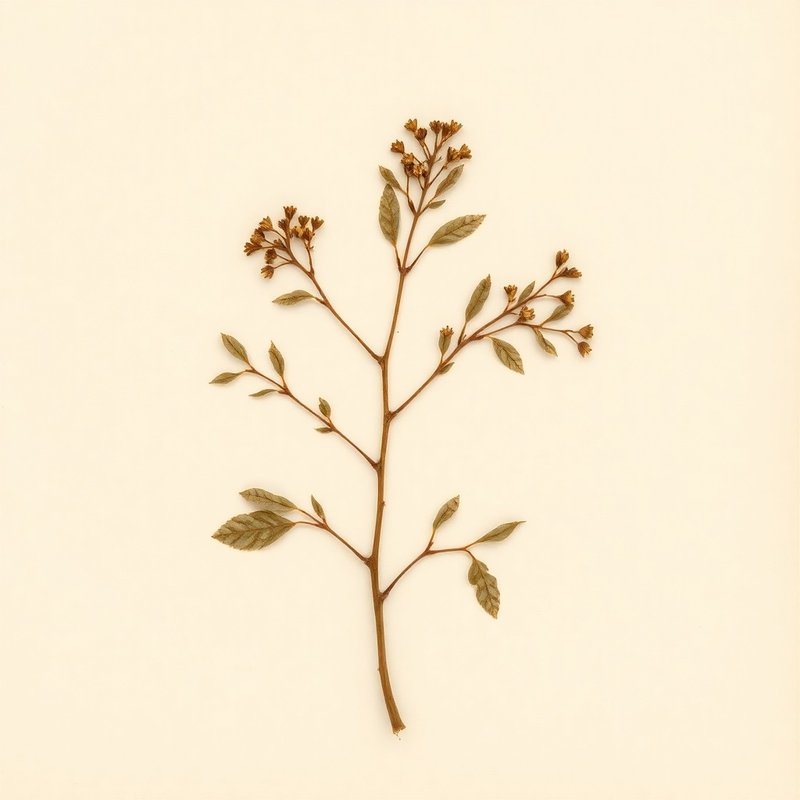
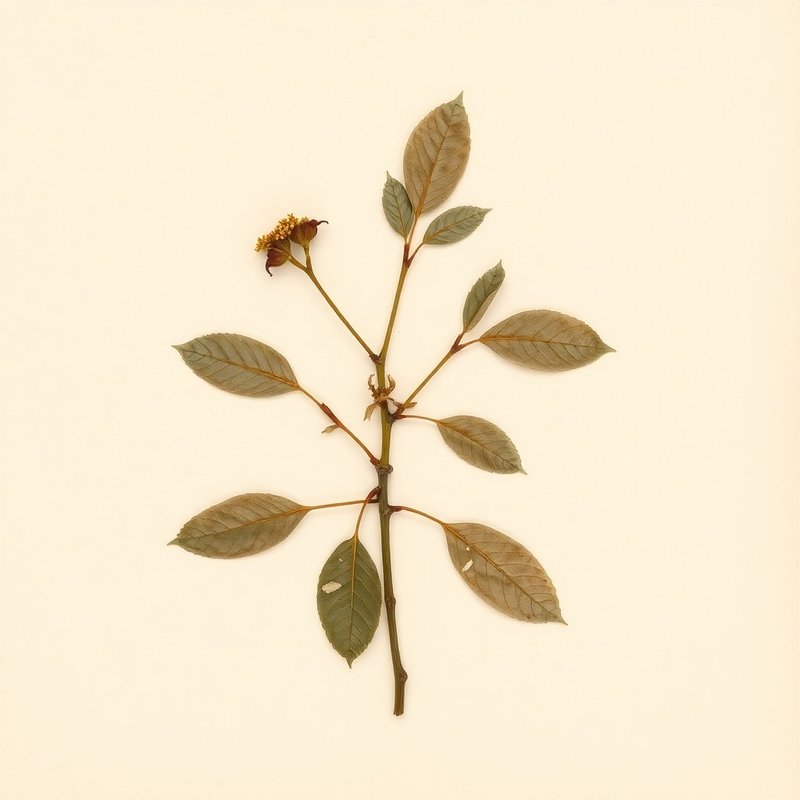
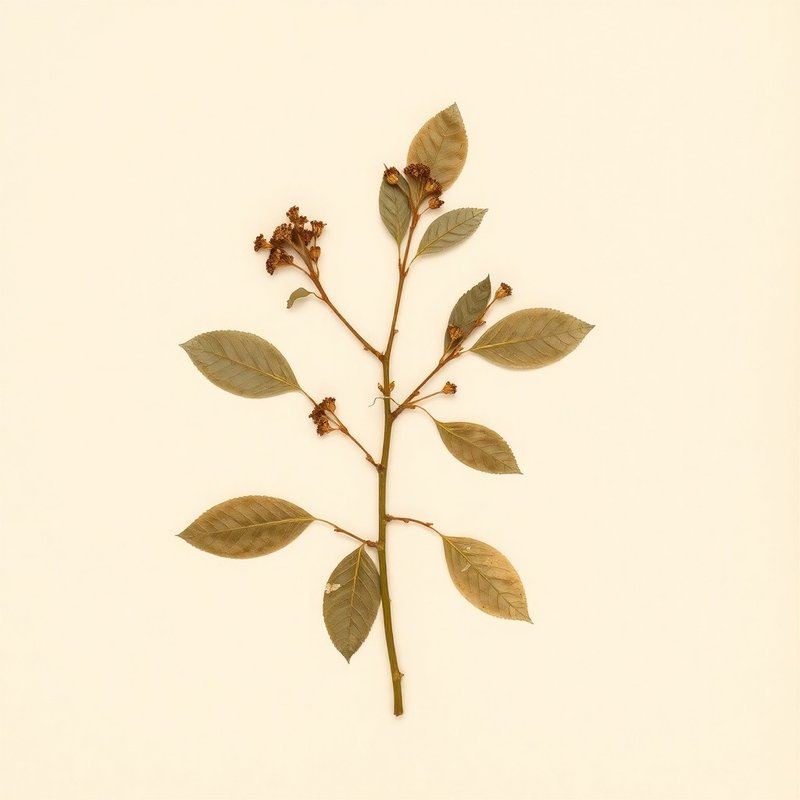
1 image
Specimen gallery
1 imageXSee also
8 related
See also
8 relatedPlants you might compare or use together — scored by shared family (Rosaceae), common use cases, and growing requirements.
same family · Rosaceae
Botanical relatives — often share phytochemistry + growing needs.

XI
Explore further
Companion planting
Compare with similar plants
Growing zone
XII
About this entry
- Last updated
- Citation
- How to cite this entry · Submit a correction
Back to the cataloguePlant id · c2750cf1-7b1a-4c48-ab07-00c80661035a
Decision aid
Choosing between European plum and something else?
Continue reading
❦❦❦❦
Endpaper · archive updates
Get archive updates
Occasional email when substantial new content lands — plant profiles, seasonal growing notes, folk-remedy additions. Free, no tracking, unsubscribe anytime.