
Almond
Prunus dulcis
Educational content — not medical, botanical, or professional advice. Always consult a qualified clinician before using any herbal preparation — especially during pregnancy, breastfeeding, while on medication, or for children. How we source & review →
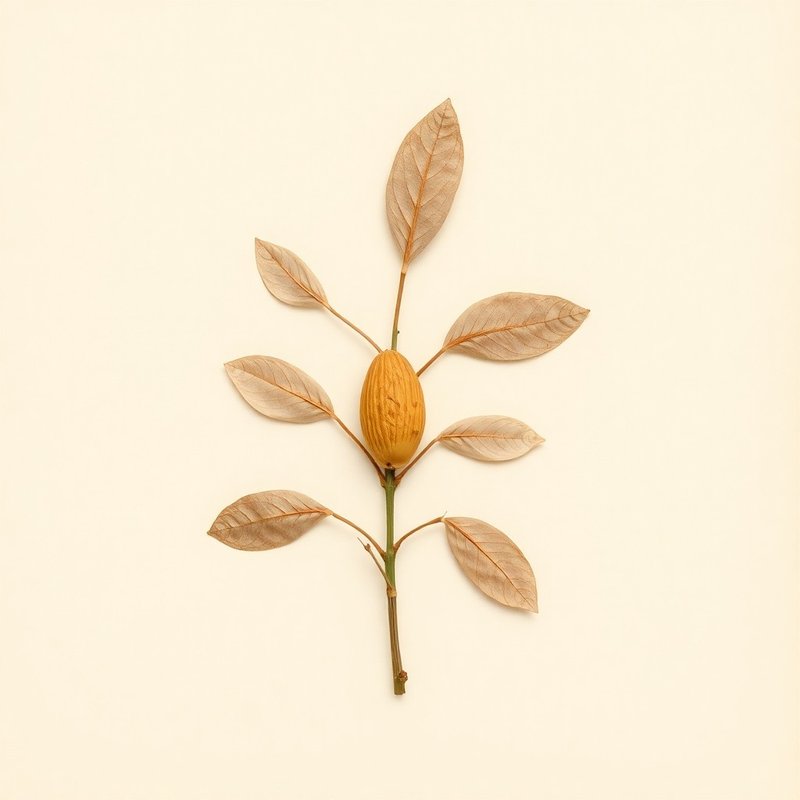
Pl. F874 — Prunus dulcis
Prunus dulcisPrunus dulcisPrunus dulcisPrunus dulcisPrunus dulcisPrunus dulcisPrunus dulcisPrunus dulcisPrunus dulcisPrunus dulcisPrunus dulcisPrunus dulcisPrunus dulcisPrunus dulcis
IPrezentare
Prezentare
Almond (Prunus dulcis) este un arbore nativ în zonele din Afganistan și Albania, cu o cultură largă în Europa, Orientul Mijlociu și Africa de Nord. Cunoscut pentru plămâni alimentare și lapte, acesta se dezvolte în soluri umide, luminoase până la greu, cu un pH între 7-7,5. Această perenă crește până la o înalțime de 6 metri și este rezistent în zonele 5-8. Albamile sunt valorificate nu numai pentru fructele lor, ci și pentru valoarea ornamentala, făcându-le populare în jardine și landscaped. Un caracter distinctiv este cererea sa de energie ușoară, indicând că poate adapta bine la diferite climatice în zona sa nativală.
Quick answers
What is Almond?
Almond (Prunus dulcis) este un arbore nativ în zonele din Afganistan și Albania, cu o cultură largă în Europa, Orientul Mijlociu și Africa de Nord. Cunoscut pentru plămâni alimentare și lapte, acesta se dezvolte în soluri umide, luminoase până la greu, cu un pH între 7-7,5.
What is Almond used for?
Traditionally used for digestion, immune support. Each claim is evidence-rated — see Section II for full citations.
Best for
Top 2 evidence-ranked uses of Almond
Clinicaluses · safety · chemistry · dosagemedicinal profile
IIBeneficii și dovezi
2 claims · 0 sources
Beneficii și dovezi
2 claims · 0 sources- Almonds have been traditionally used in Ayurvedic medicine to support digestive health, often consumed as a snack or added to meals. They are believed to aid in the breakdown of food and alleviate occasional indigestion.
The presence of dietary fiber and healthy fats in almonds may help regulate digestion by promoting bowel regularity and reducing inflammation in the gut lining. However, the specific compounds responsible for these effects have not been fully characterized.
- Almonds are traditionally used in Ayurvedic and Chinese medicine to support immune function. Regular consumption of almonds may help bolster the body's defenses against common illnesses.
Almonds contain vitamin E, which is known for its antioxidant properties that can protect cells from damage caused by free radicals. However, the specific mechanisms through which almonds enhance immunity are not fully understood.
IV·bMixology suggestions
1 draft
Mixology suggestions
1 draftEditorial drafts. These pairings are AI-suggested from traditional herbal lore. Always verify with a qualified herbalist before brewing.
Almond support blend
generaltea
AI returned a direct ingredient list; normalized into one draft blend for editorial review.
Growingconditions · propagation · uses
VCultivare
Cultivare
Albama (Prunus dulcis) se dezvolte în lumină parțială până la luminoasă și preferă soluri cu bună scurgeri de apă de textură medie, deși poate adapta la soiuri mai ușoare de sând sau mai grele de argilă. Cere umeditate, dar nu este prea avizată, făcând-o potrivită pentru zone cu precipitații moderate. Arborele crește cel mai bine în zonele 5-8 și atinge o înalțime de aproximativ 6 metri. Pentru propagare, metodele de greacuit sau semințe sunt metode eficiente. Collectați părțile alimentare - plămâni și lapte - din arborele matur. Asigurați-vă că pH-ul solului este între 7 și 7,5 pentru creșterea optimă.
Light
8/10
Water
Moist
Soil
Light (sandy), Medium, Heavy (clay)
Hardiness
5-8
Life cycle
Perennial
Habit
Tree
Mature size
6.0 m tall
Soil pH
7–7.5
For first-time growers
How to grow Almond for the first time
8steps
Start with a simple, hardy almond tree that thrives in well-draining soil and full sun.
- 1
What you'll need
Almond seed or sapling, potting mix, container (if planting in a pot), garden tools.
- 2
Best time to plant
Plant in early spring before new growth starts or in late fall after leaves have dropped.
- 3
Soil and container prep
Use well-draining soil with a pH of 7-7.5, ensuring it's light (sandy), medium, or heavy clay. For containers, use a pot at least 1 meter wide and deep.
- 4
Sowing or transplanting
Plant seeds 2-3 cm deep in the soil, spacing them about 6 meters apart for trees. Transplant saplings to their permanent spot.
- 5
First two weeks
Water regularly but avoid overwatering. Keep the soil moist and provide partial shade if needed.
- 6
Ongoing care
Fertilize in early spring with a balanced fertilizer, prune annually for shape, and protect from pests like aphids.
- 7
Harvest or pruning
Prune in late winter to maintain tree shape. Harvest almonds when the hulls turn brown and split open.
- 8
Common mistakes
Overwatering, planting too deep, not providing enough space between trees, neglecting pruning, using incorrect soil type.
VIEdible & utility
Edible & utility
Edible parts:SeedMilk
Edible uses: Oil, Gum
Other uses:AdhesiveCleanserCosmeticDyeGumoilSoap makingEspalier
Contextrange · companions · related
VIIDistribuție
30 native · 0 introduced
Distribuție
30 native · 0 introducedDistribution across3 continents· 30 native
Europe21 regions
native (21)AlbaniaAustriaBelarusBelgiumBulgariaCyprusDenmarkFranceGermanyGreeceHungaryIrelandItalyNetherlandsNorwayPolandPortugalRomaniaRussiaUkraineUnited Kingdom
Asia2 regions
native (2)AfghanistanIran
Africa3 regions
native (3)AlgeriaLibyaMorocco
Broader regions
native:Czechoslovakia
IXSpecimen gallery
1 image
Specimen gallery
1 imageXSee also
8 related
See also
8 relatedPlants you might compare or use together — scored by shared family, common use cases, and growing requirements.
shared use cases
Different families, similar therapeutic role — good for comparing.


XI
Explore further
Companion planting
Compare with similar plants
Growing zone
XII
About this entry
- Last updated
- Citation
- How to cite this entry · Submit a correction
Back to the cataloguePlant id · f8748422-b8c1-4a62-a89c-00f486c41761
Decision aid
Choosing between Almond and something else?
Continue reading
❦❦❦❦
Endpaper · archive updates
Primește digest-ul săptămânal
Un email curat pe săptămână — profile noi de plante, note sezoniere de cultivare, adăugiri în arhiva de remedii. Gratuit, fără tracking, dezabonare oricând.