
Shingle Oak
IPrezentare
Prezentare
Quercus imbricaria, oacâră de talpi (Shingle Oak), este un arbore decidu originar din estul Statelor Unite, găsit în state precum Alabama, Arkansas, Delaware și Illinois. Cunoscut pentru plămânii săi edibili, acest tip de oacar thrives în soluri umede cu clătinitate medie până la grea, având un pH între 4,5 și 6. Preferă luminătatea completă sau parțială și crește până la 20 metri în înălțime. Arborul este notabil pentru plămâniile sale care se overlapă, asemănând cu talpi de toit, oferind atât apere estetică cât și umedare. În timp ce este în principal apreciat pentru plămânii săi edibili, oacara de talpi adesea servește ca adăugare ornamentală în jardinele zonelor de durabilitate 4-8.
What is Shingle Oak?
Quercus imbricaria, oacâră de talpi (Shingle Oak), este un arbore decidu originar din estul Statelor Unite, găsit în state precum Alabama, Arkansas, Delaware și Illinois. Cunoscut pentru plămânii săi edibili, acest tip de oacar thrives în soluri umede cu clătinitate medie până la grea, având un pH între 4,5 și 6.
What is Shingle Oak used for?
Traditionally used for immune support. Each claim is evidence-rated — see Section II for full citations.
IIBeneficii și dovezi
1 claim · traditional-use context
Beneficii și dovezi
1 claim · traditional-use context- Shingle Oak, like other oak species, has been traditionally used in Native American medicine to support immune health. A decoction of the bark may help bolster the body's defenses against common ailments.
The tannins and flavonoids found in oak bark are thought to have antimicrobial properties that can help protect against pathogens. However, the specific mechanism is not fully characterised.
▲ ModerateImmune support →
IV·bMixology suggestions
1 draft
Mixology suggestions
1 draftVCultivare
Cultivare
How to grow Shingle Oak for the first time
Start with planting a Shingle Oak in your garden for a rewarding beginner project.
- 1
What you'll need
A young Shingle Oak sapling, well-draining soil, and a shovel.
- 2
Best time to plant
Plant in early spring or late fall when the ground is not frozen.
- 3
Soil and container prep
Ensure the soil is moist and has a pH between 4.5–6. Amend with organic matter if needed.
- 4
Sowing or transplanting
Transplant young saplings into a prepared hole that's twice as wide but not deeper than the root ball.
- 5
First two weeks
Water regularly to keep soil moist. Avoid overwatering, which can lead to root rot.
- 6
Ongoing care
Provide full sun or partial shade and water when the top inch of soil is dry. Mulch around the base for moisture retention.
- 7
Harvest or pruning
Prune in late winter before new growth starts to maintain shape and remove dead branches.
- 8
Common mistakes
Overwatering, planting too deep, neglecting regular watering during dry spells, not providing enough sunlight, and using the wrong soil type.
VIEdible & utility
Edible & utility
VIIDistribuție
22 native · 0 introduced
Distribuție
22 native · 0 introducedIXSpecimen gallery
1 image
Specimen gallery
1 imageXSee also
8 related
See also
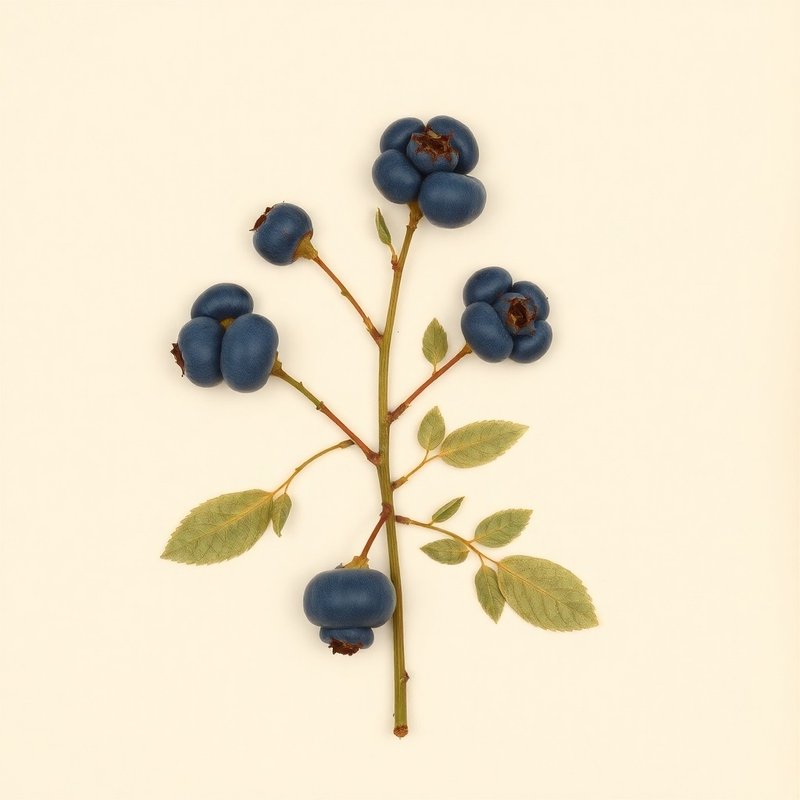
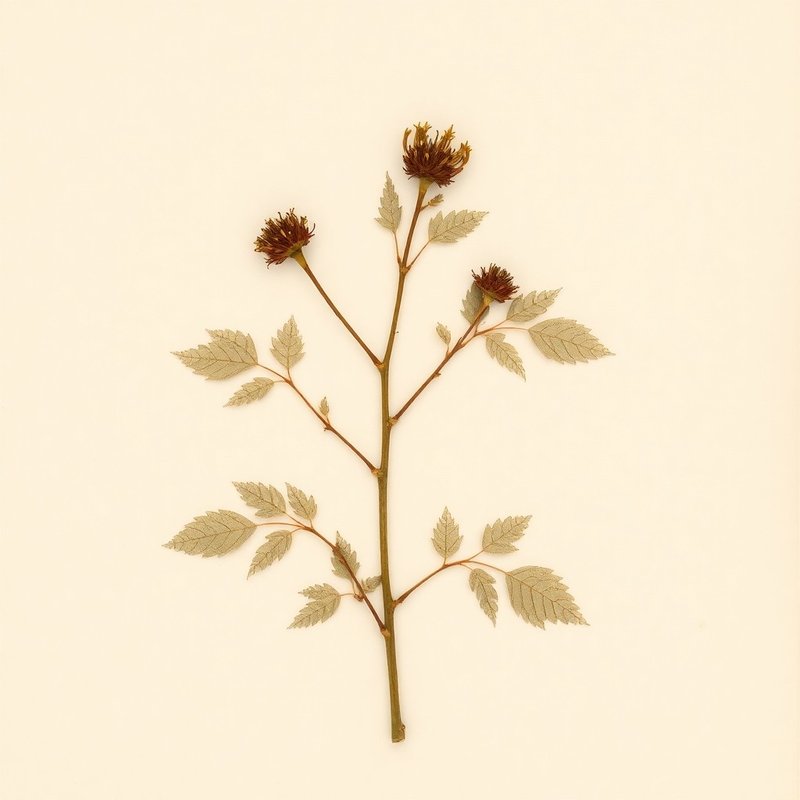
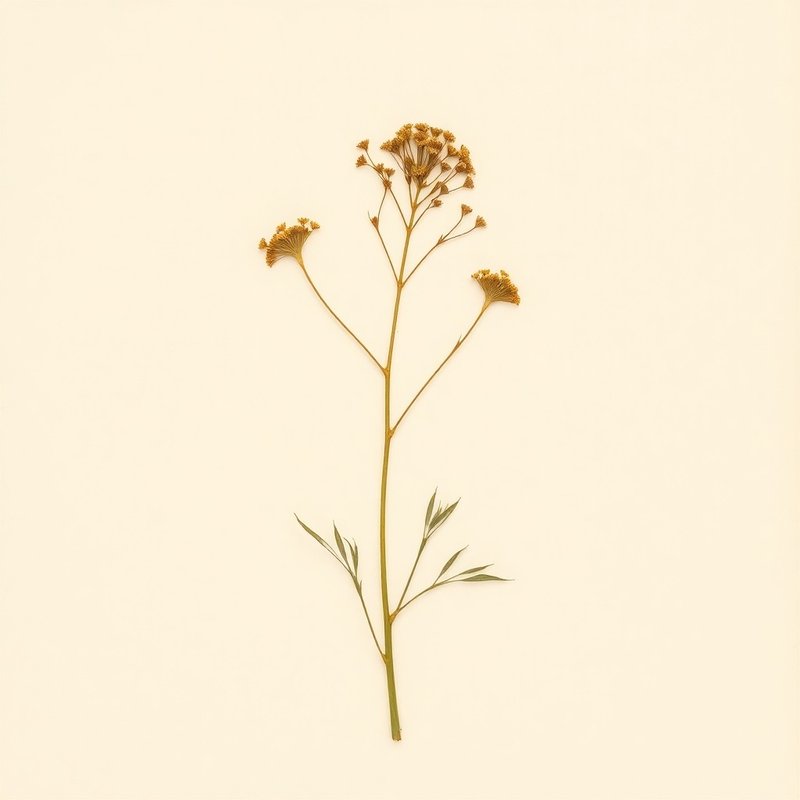
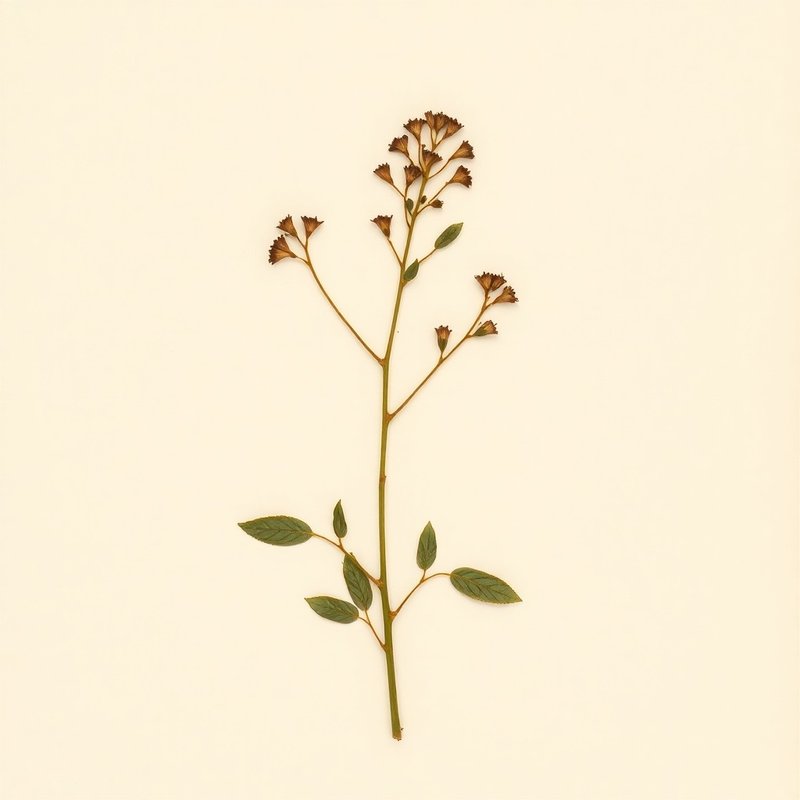
8 relatedPlants you might compare or use together — scored by shared family, common use cases, and growing requirements.

Explore further
About this entry
- Last updated
- Citation
- How to cite this entry · Submit a correction
Continue reading
Primește digest-ul săptămânal
Un email curat pe săptămână — profile noi de plante, note sezoniere de cultivare, adăugiri în arhiva de remedii. Gratuit, fără tracking, dezabonare oricând.