
Swamp Chestnut Oak
Quercus michauxii
Educational content — not medical, botanical, or professional advice. Always consult a qualified clinician before using any herbal preparation — especially during pregnancy, breastfeeding, while on medication, or for children. How we source & review →
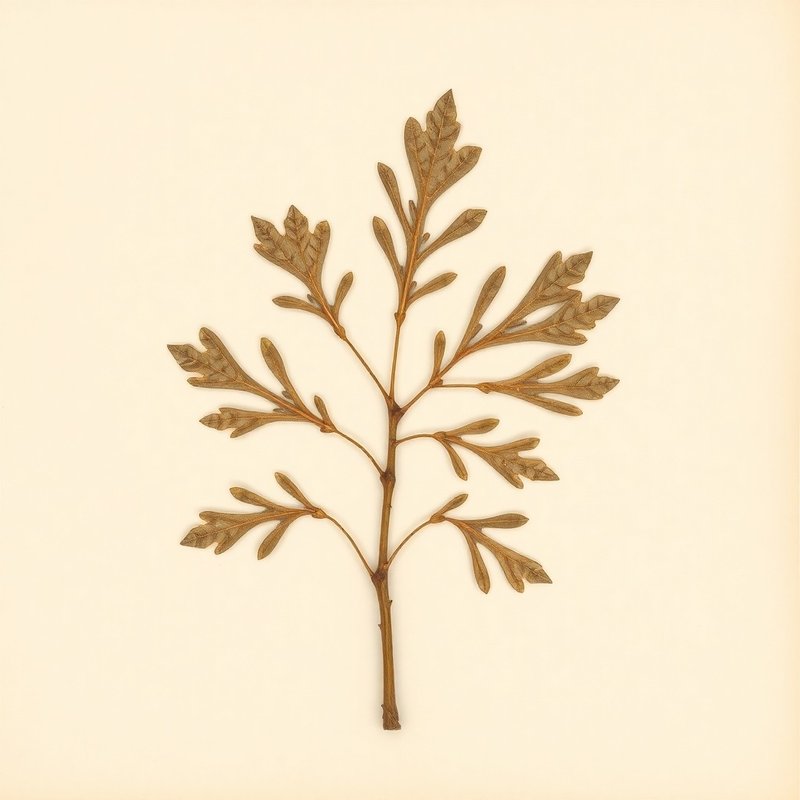
Pl. DFAB — Quercus michauxii
Quercus michauxiiQuercus michauxiiQuercus michauxiiQuercus michauxiiQuercus michauxiiQuercus michauxiiQuercus michauxiiQuercus michauxiiQuercus michauxiiQuercus michauxiiQuercus michauxiiQuercus michauxiiQuercus michauxiiQuercus michauxii
IPrezentare
Prezentare
Quercus michauxii, oacă de pâine din pădure (Swamp Chestnut Oak) este un arbore decidu originar din estul Statelor Unite, găsit în state precum Alabama, Arkansas, Connecticut, Delaware și District of Columbia. Cunoscut pentru acini sănătoase, acest tip de oacă se adaptează bine în habitaturi umede sau pluvioase, fiind frecvent observat în zone cu sucuri de argil medie până la grea. Prefere luminătatea completă sau parțială și crește până la o înălțime de 30 metri. Arborele este durabil în zonile 5-9 și este recunoscut pentru valorile sănătoase sale, precum și pentru utilitatea sa ca surse de alimentare. Un caracteristică distinctivă este preferința sa pentru condițiile umede, separându-l de alte specii de oacă care pot necesita sucuri mai bine drenate.
Quick answers
What is Swamp Chestnut Oak?
Quercus michauxii, oacă de pâine din pădure (Swamp Chestnut Oak) este un arbore decidu originar din estul Statelor Unite, găsit în state precum Alabama, Arkansas, Connecticut, Delaware și District of Columbia.
What is Swamp Chestnut Oak used for?
Traditionally used for digestion, immune support. Each claim is evidence-rated — see Section II for full citations.
Best for
Top 2 evidence-ranked uses of Swamp Chestnut Oak
Clinicaluses · safety · chemistry · dosagemedicinal profile
IIBeneficii și dovezi
2 claims · 0 sources
Beneficii și dovezi
2 claims · 0 sources- Swamp Chestnut Oak has been traditionally used in herbal medicine to support digestive health. A decoction made from the bark or leaves may help alleviate minor digestive discomfort.
The mechanism is not fully characterised but likely involves tannins and other polyphenols that can have astringent effects on the gastrointestinal tract, helping to reduce inflammation and soothe irritation.
- Swamp Chestnut Oak, like other oak species, has been traditionally used in Native American medicine to support immune health. A decoction made from the bark or leaves may help bolster the body's defenses against common ailments.
The mechanism is not fully characterised but likely involves polyphenols and tannins that have antimicrobial properties and can modulate inflammatory responses.
IV·bMixology suggestions
1 draft
Mixology suggestions
1 draftEditorial drafts. These pairings are AI-suggested from traditional herbal lore. Always verify with a qualified herbalist before brewing.
Swamp Chestnut Oak support blend
generaltea
AI returned a direct ingredient list; normalized into one draft blend for editorial review.
Growingconditions · propagation · uses
VCultivare
Cultivare
Quercus michauxii, oacă de pâine din pădure (Swamp Chestnut Oak) se dezvoltă în luminătatea completă sau parțială și necesită sucuri umede sau pluvioase, preferențial tipuri de argil medie până la grea. Este durabil în zonile 5-9 și poate crește până la o înălțime de 30 metri. Pentru propagare, semințele sunt utilizate, fiind parte edible. Asigurați-vă că pH-ul sucurii este între 4,5 și 6,5 pentru creșterea optimă. Această arbore este originar din estul Americii de Nord și poate fi găsit în diverse state, de la Connecticut până la Florida și spre vest Missouri și Tennessee.
Light
Full sun, Partial sun/shade
Water
Moist, Wet
Soil
Medium, Heavy (clay)
Hardiness
5-9
Habit
Tree
Mature size
30.0 m tall
Soil pH
4.5–6.5
For first-time growers
How to grow Swamp Chestnut Oak for the first time
7steps
Start with planting Swamp Chestnut Oak in a moist, well-draining soil and full to partial sun for the best beginner experience.
- 1
What you'll need
Seeds or young saplings, garden gloves, trowel.
- 2
Best time to plant
Plant in spring after the last frost or fall before the first freeze.
- 3
Soil and container prep
Ensure soil is moist, well-draining, with a pH between 4.5-6.5; prepare a hole twice as wide but not deeper than the root ball.
- 4
Sowing or transplanting
Plant seeds 2 inches deep and 10-15 feet apart; for saplings, dig a hole large enough to accommodate the roots without bending.
- 5
First two weeks
Keep soil consistently moist but not waterlogged. Monitor for signs of stress or pests.
- 6
Ongoing care
Water regularly during dry spells; mulch around the base to retain moisture and suppress weeds. Prune only if necessary, focusing on removing dead or crossing branches.
- 7
Harvest or pruning
Prune in late winter before new growth begins to maintain shape and remove any damaged branches.
VIEdible & utility
Edible & utility
Edible parts:Seed
Edible uses: Coffee
Other uses:TanninLumber
Contextrange · companions · related
VIIDistribuție
30 native · 0 introduced
Distribuție
30 native · 0 introducedDistribution across1 continent· 30 native
Asia1 region
native (1)Georgia
Broader regions
native:Nebraska, New York, Michigan, Minnesota, New Brunswick, New Hampshire, Massachusetts, Alabama, Arkansas, Delaware, District of Columbia, Illinois, Indiana, Kentucky, Louisiana, Maryland, Mississippi, Missouri, New Jersey, North Carolina, Pennsylvania, South Carolina, Tennessee, Virginia, Connecticut, Iowa, Kansas, Maine, Nova Scotia
IXSpecimen gallery
1 image
Specimen gallery
1 imageXSee also
8 related
See also
8 relatedPlants you might compare or use together — scored by shared family, common use cases, and growing requirements.
shared use cases
Different families, similar therapeutic role — good for comparing.

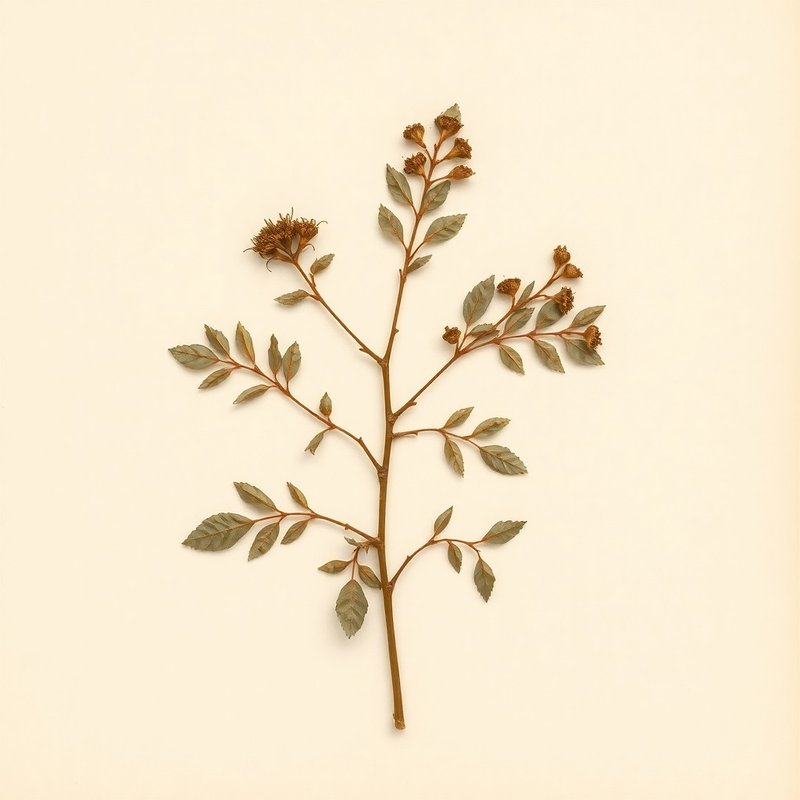
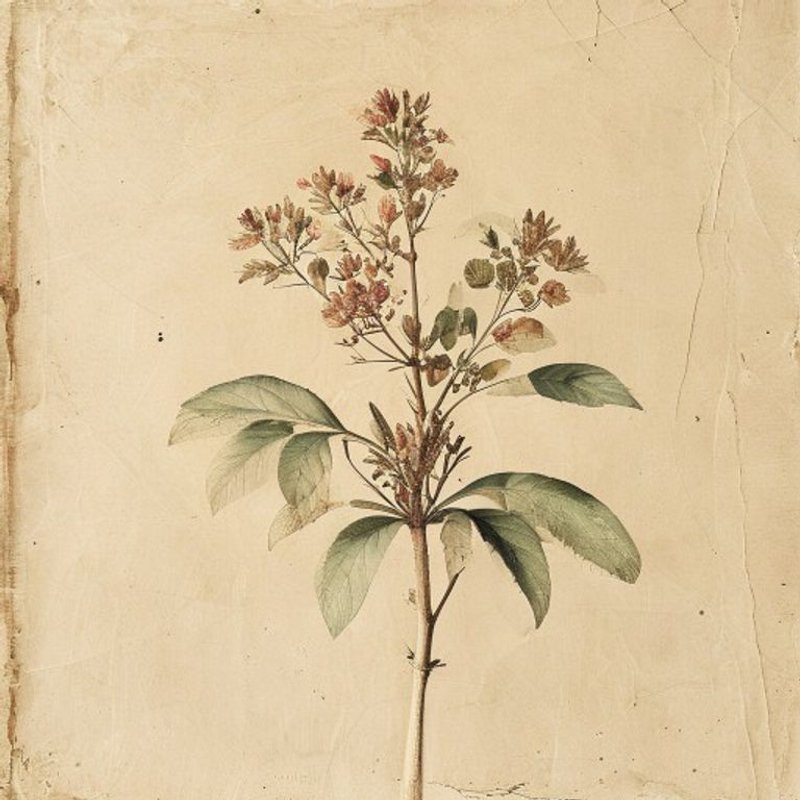
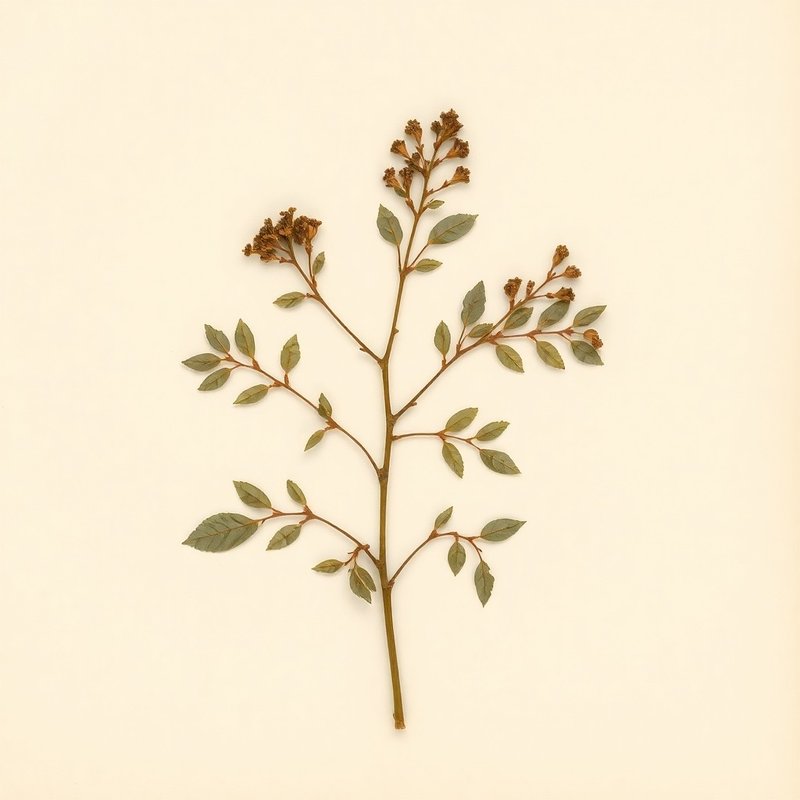

XI
Explore further
Companion planting
Health goals
Compare with similar plants
Growing zone
XII
About this entry
- Last updated
- Citation
- How to cite this entry · Submit a correction
Back to the cataloguePlant id · dfab7a83-3b9c-4f27-9229-de55e982cd1e
Decision aid
Choosing between Swamp Chestnut Oak and something else?
Continue reading
❦❦❦❦
Endpaper · archive updates
Primește digest-ul săptămânal
Un email curat pe săptămână — profile noi de plante, note sezoniere de cultivare, adăugiri în arhiva de remedii. Gratuit, fără tracking, dezabonare oricând.