
Japanese buckthorn
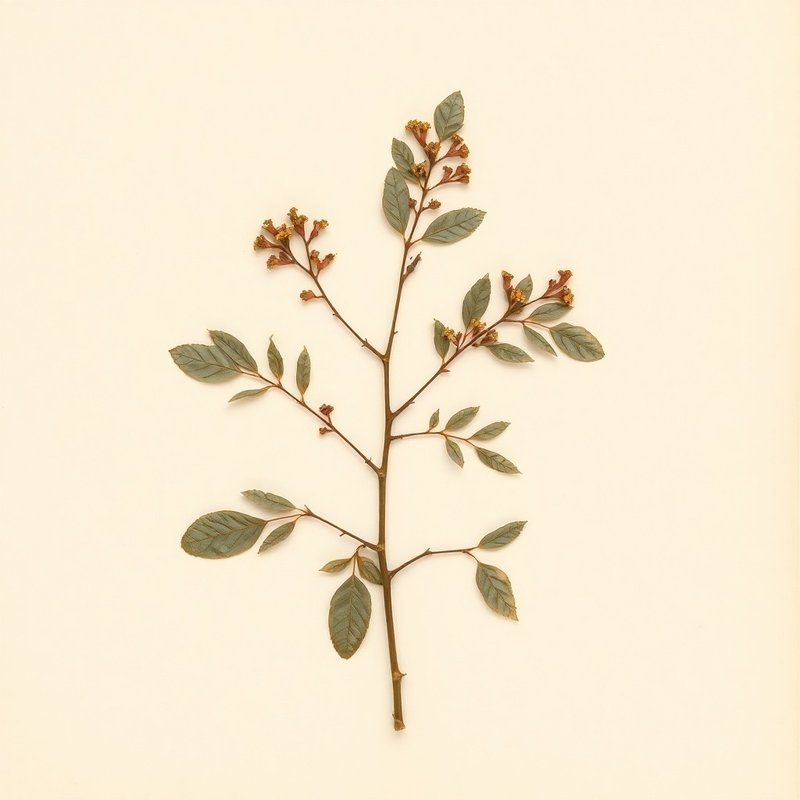
IPrezentare
Prezentare
Rhamnus japonica, răscovătorul japonez, este un arbore nativ din Japonia, care aparține familiei Rhamnaceae. Înflorșează în zonile de soare complet până la o parțială și preferă sustrat umed care poate fi ușoară (sândal), medie sau grea (argil). Foarte rezistent în zonele 4-8, acest plant atinge o înălțime de aproximativ 3 metri. Conosciut pentru fructele sale comestibile și utilizările medicinale documentate, răscovătorul japonez este atât ornamental cât și util în practicile tradiționale. Caracteristicile sale distincte includ capacitatea sa de a crește bine în diverse tipuri de sustrat, oferind multe beneficii prin părți sale.
What is Japanese buckthorn?
Rhamnus japonica, răscovătorul japonez, este un arbore nativ din Japonia, care aparține familiei Rhamnaceae. Înflorșează în zonile de soare complet până la o parțială și preferă sustrat umed care poate fi ușoară (sândal), medie sau grea (argil).
What is Japanese buckthorn used for?
Traditionally used for digestion, immune support. Each claim is evidence-rated — see Section II for full citations.
IIBeneficii și dovezi
2 claims · traditional-use context
Beneficii și dovezi
2 claims · traditional-use context- Japanese buckthorn has been traditionally used in Japanese herbal medicine for digestive issues, often prepared as a decoction to support gastrointestinal health.
The mechanism by which Rhamnus japonica supports digestion is not fully characterised but may involve compounds that influence gut motility and reduce inflammation.
▲ ModerateDigestion → - Japanese buckthorn is traditionally used in Japanese herbal medicine to support the immune system, often prepared as a tea or decoction.
The mechanism by which Rhamnus japonica supports immunity is not fully characterised but may involve antioxidant and anti-inflammatory compounds that help modulate immune responses.
▲ ModerateImmune support →
IV·bMixology suggestions
1 draft
Mixology suggestions
1 draftVCultivare
Cultivare
How to grow Japanese buckthorn for the first time
Start with Japanese buckthorn as a simple, low-maintenance tree for your garden.
- 1
What you'll need
A young Japanese buckthorn sapling and some basic gardening tools like a trowel.
- 2
Best time to plant
Plant in early spring or late fall when the soil is moist and workable.
- 3
Soil and container prep
Ensure your garden has well-draining, medium-rich soil. For containers, use a mix of light sand, medium soil, and heavy clay with added compost.
- 4
Sowing or transplanting
Transplant the young sapling by digging a hole twice as wide but not deeper than its root ball.
- 5
First two weeks
Water regularly to keep the soil moist. Avoid overwatering, which can lead to root rot.
- 6
Ongoing care
Provide full sun or partial shade and water when the top inch of soil feels dry. Prune in late winter to maintain shape.
- 7
Harvest or pruning
Focus on pruning during late winter to remove any dead, weak, or crossing branches for better air circulation.
- 8
Common mistakes
...
VIEdible & utility
Edible & utility
VIIDistribuție
1 native · 2 introduced
Distribuție
1 native · 2 introducedIXSpecimen gallery
1 image
Specimen gallery
1 imageXSee also
8 related
See also
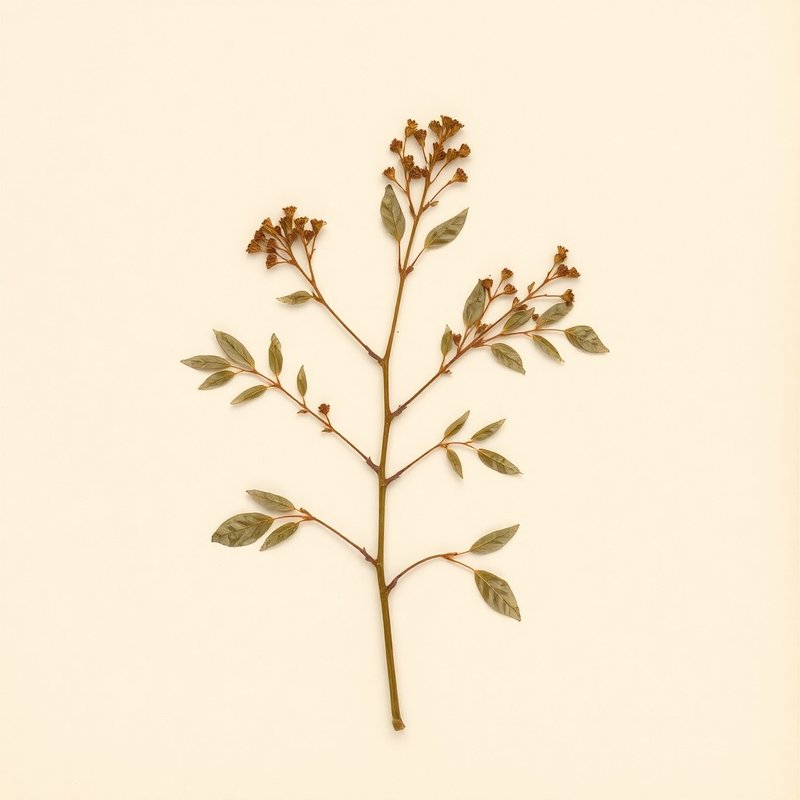
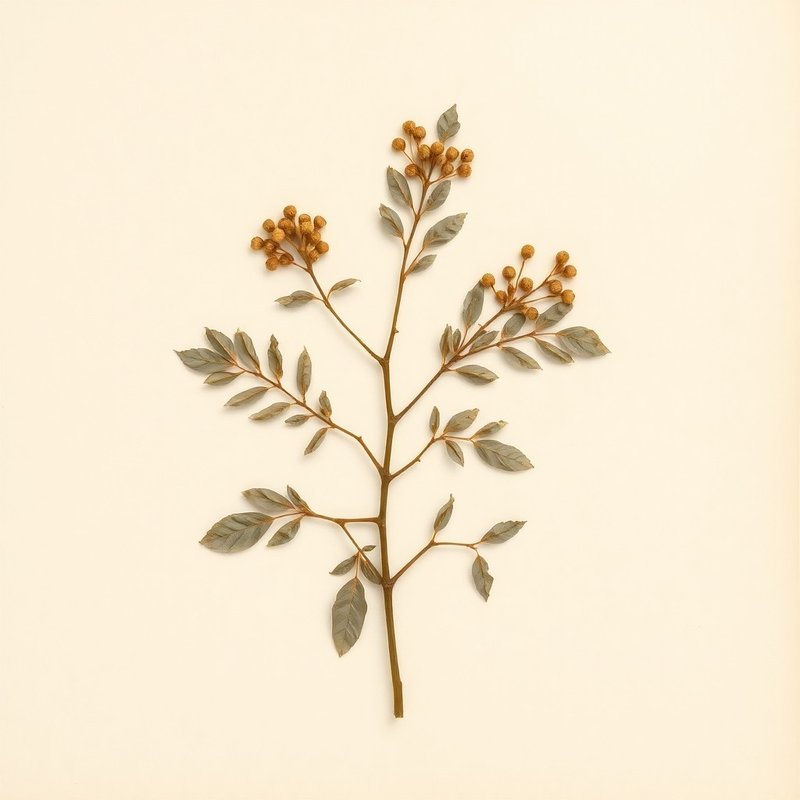
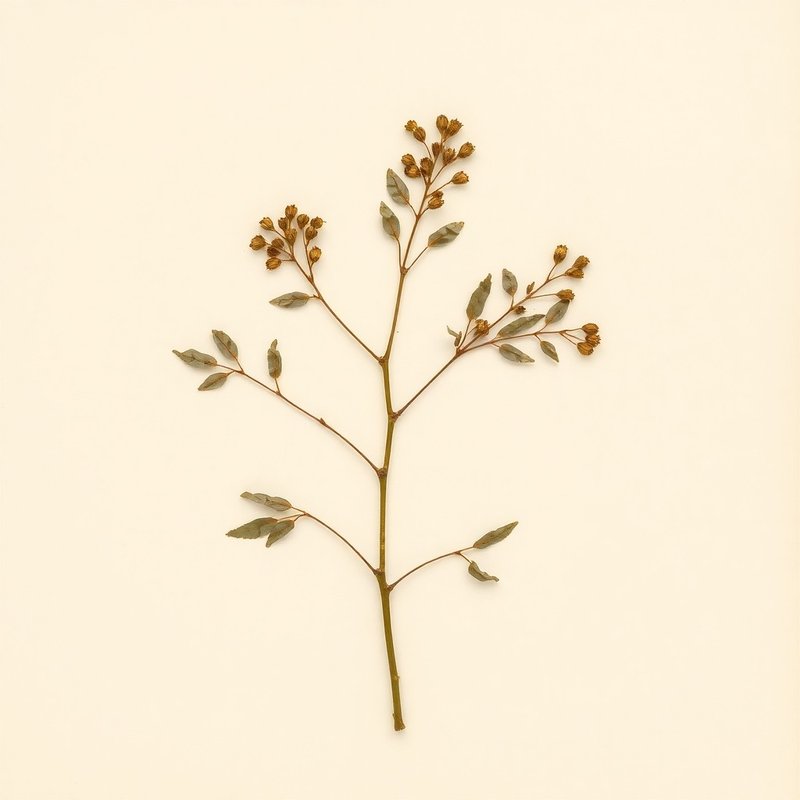
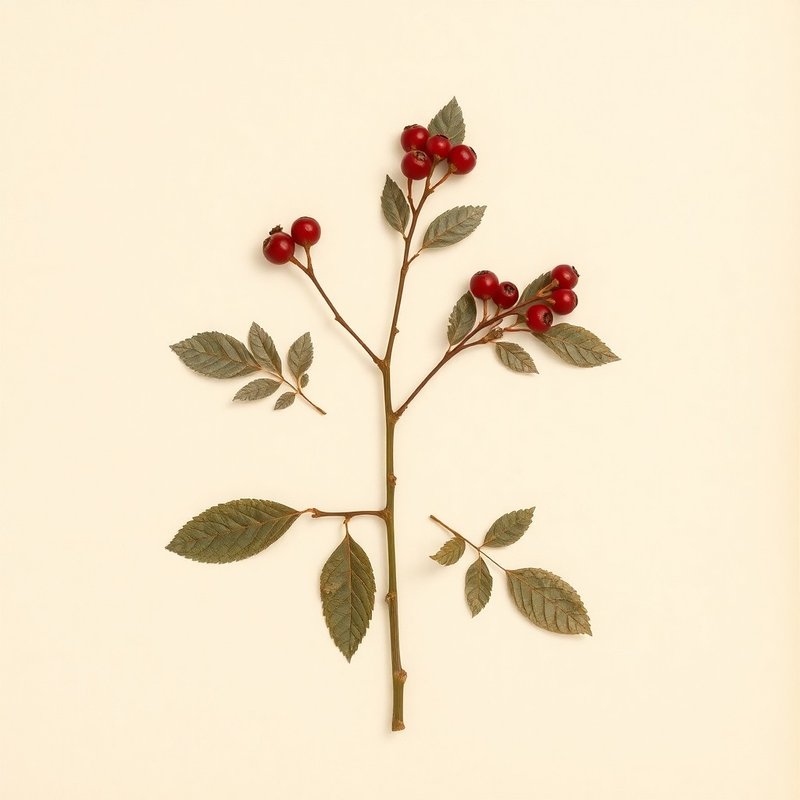
8 relatedPlants you might compare or use together — scored by shared family (Rhamnaceae), common use cases, and growing requirements.

Explore further
About this entry
- Last updated
- Citation
- How to cite this entry · Submit a correction
Continue reading
Primește digest-ul săptămânal
Un email curat pe săptămână — profile noi de plante, note sezoniere de cultivare, adăugiri în arhiva de remedii. Gratuit, fără tracking, dezabonare oricând.