Skip to content
IIIFolio · plant profile№ 1317edible
Data provenancePermapeopleTrefleWikipediaPFAFPOWOreviewed 12 Oct 2026methodology → read
Home/Plants/Rosaceae

Red currant

Ribes rubrumfam. Rosaceae
Educational content — not medical, botanical, or professional advice. Plant identification, safety, and edibility depend on local conditions, cultivars, and correct identification. Consult a qualified botanist or forager before consuming or handling wild specimens. How we source & review →
edibleperennialshrubsedibleedible fruitnative euperennialshrub
Updated·Quick Q&A →
Garden journal pausedUse profile notes below
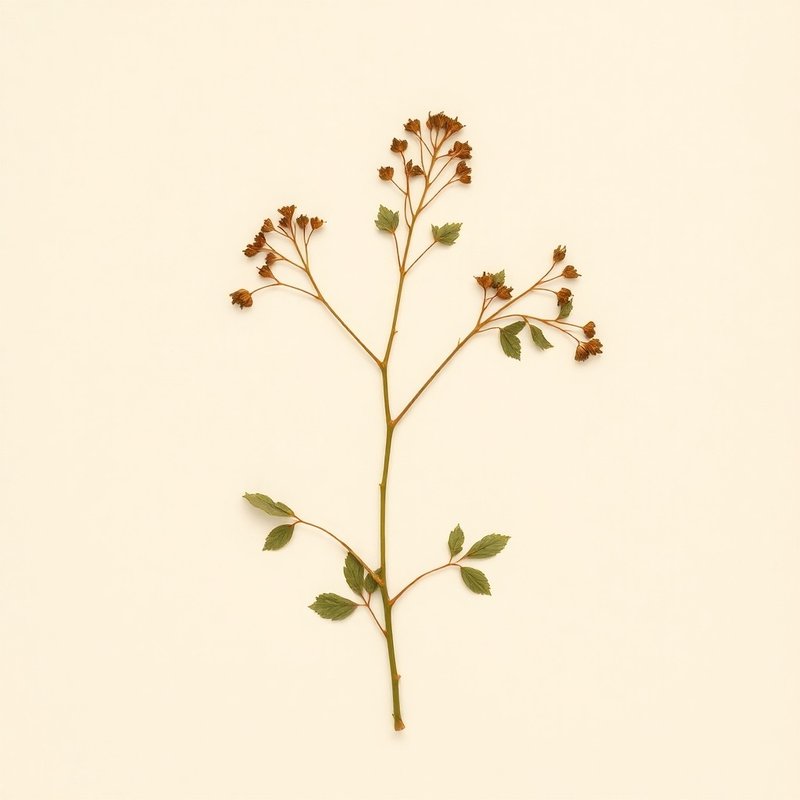
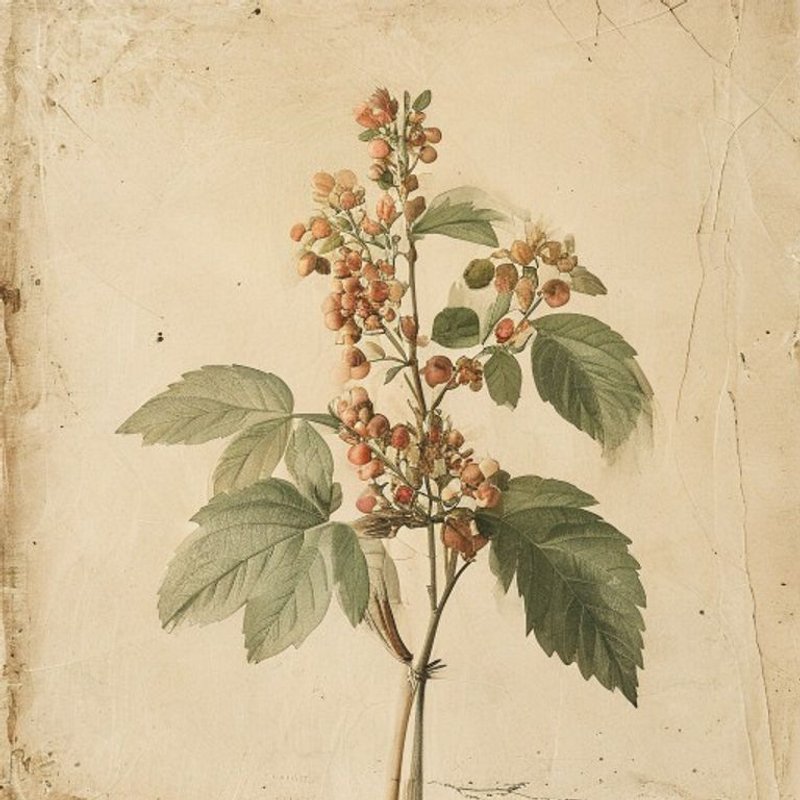
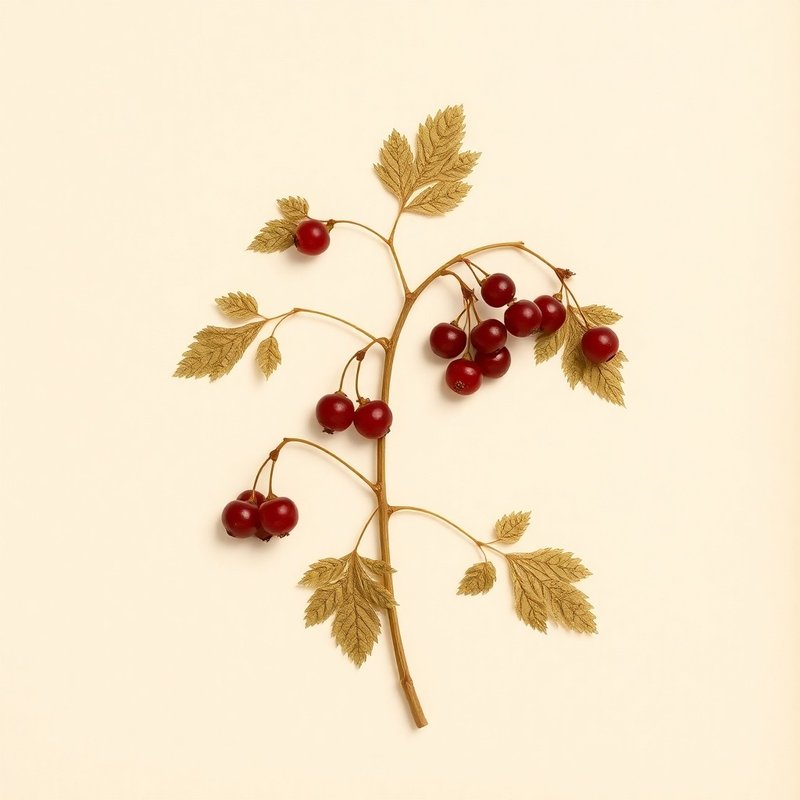
Ribes rubrum (Red currant) — botanical photograph
Pl. 1317 — Ribes rubrum
Ribes rubrumRibes rubrumRibes rubrumRibes rubrumRibes rubrumRibes rubrumRibes rubrumRibes rubrumRibes rubrumRibes rubrumRibes rubrumRibes rubrumRibes rubrumRibes rubrum
I

Prezentare

Ribes rubrum (cireșul roșu) este un arborel nativ în Belgia, Franța, Germania, Regatul Unit, Pații Batătoare și Spania. Înflorșează în soluri umide, cu luminositate ușoară până la grele, având o pH între 6,5 și 7, fiind adaptabil dar preferând condițiile de scăpări bine regulate. Această plantă perenială crește în înălțimea de aproximativ 1,2 m și în largimea de 1 m, producând fructe comestibile care sunt atât delicioase cât și nutritive. Cunoscut pentru utilizările culinare sale, cireșul roșu este adesea folosit în compote, gelatine și desserturi din cauza gustului sălbatic său. Un caracter distinctiv al acestui plant este necesitatea luminii; preferă soarele plin dar poate tolera o umbră parțială.

Quick answers

What is Red currant?

Ribes rubrum (cireșul roșu) este un arborel nativ în Belgia, Franța, Germania, Regatul Unit, Pații Batătoare și Spania. Înflorșează în soluri umide, cu luminositate ușoară până la grele, având o pH între 6,5 și 7, fiind adaptabil dar preferând condițiile de scăpări bine regulate.

Compare with:Ribes x houghtonianum→Almond-leaved pear→Alpine Currant→all comparisons →
Growingconditions · propagation · uses
V

Cultivare

Ribes rubrum (cireșul roșu) se dezvolte în soluri umide, bine regulate, cu luminositate ușoară până la grele (sandy), medie sau grea (clay). Preferă o pH între 6,5 și 7. Plantul este durabil în regiuni temperate, având o gamă recomandată de zone USDA 4-8. Pentru creșterea optimă, oferi soarele plin până la parțial, având o necesitate luminosă medie (4/10). Irrigarea regulată este esențială, în special în perioadele seci. Cireșul roșu crește în înălțimea de aproximativ 1,2 m și în largimea de 1 m, fiind potrivit pentru grădinile de arboreluri sau haie. Propagează prin cutii în ultima parte a primăverii sau începutul iarnii.
Light
4/10
Water
Moist
Soil
Light (sandy), Medium, Heavy (clay)
Hardiness
4-8
Life cycle
Perennial
Habit
Shrub
Mature size
1.2 m × 1 m
Soil pH
6.5–7
For first-time growers

How to grow Red currant for the first time

8steps

Start with a simple, hardy red currant shrub for your first gardening project.

  1. 1

    What you'll need

    Red currant plant, garden gloves, trowel.

  2. 2

    Best time to plant

    Plant in spring or fall when the soil is moist and cool.

  3. 3

    Soil and container prep

    Choose a spot with well-draining soil that's slightly acidic (pH 6.5–7).

  4. 4

    Sowing or transplanting

    Transplant young plants from the nursery, spacing them about 1 meter apart.

  5. 5

    First two weeks

    Water regularly to keep the soil moist but not waterlogged.

  6. 6

    Ongoing care

    Fertilize in early spring with compost. Prune annually after fruiting.

  7. 7

    Harvest or pruning

    Prune in late winter before new growth starts, removing old wood and weak branches.

  8. 8

    Common mistakes

    Overwatering, not providing enough sunlight, neglecting to prune.

VI

Edible & utility

Edible parts:Fruit
Edible uses: Red currants are eaten raw or cooked. They can be added to salads for a sweet-tart flavor or used in jams and jellies. The fruits can also be dried for later use.
Other uses:CosmeticDye
Contextrange · companions · related
VII

Distribuție

6 native · 64 introduced
Distribution across2 continents· 6 native· 64 introduced
Europe21 regions
native (6)BelgiumFranceGermanyNetherlandsSpainUnited Kingdom
introduced (15)AustriaBulgariaDenmarkFinlandFranceHungaryIcelandIrelandItalyNorwayPolandRussiaSwedenSwitzerlandUkraine
Asia8 regions
introduced (8)ChinaJapanKazakhstanMyanmarSouth KoreaTurkeyTurkmenistanUzbekistan
Broader regions
introduced:Baltic States, British Columbia, Colorado, Connecticut, Czechoslovakia, Illinois, Indiana, Iowa, Labrador, Maine, Maryland, Masachusettes, Massachusetts, Michigan, Minnesota, Montana, New Brunswick, New Hampshire, New Jersey, New York, North Carolina, Nova Scotia, Ohio, Ontario, Pennsylvania, Prince Edward I., Québec, Rhode I., Saskatchewan, Tadzhikistan, Tennessee, Turkey-in-Europe, Vermont, Virginia, Washington, West Virginia, Wisconsin, Wyoming, Yugoslavia
VIII

Garden companions

8 pairs
IX

Specimen gallery

1 image
Ribes rubrum (Red currant) — botanical photograph
Red currant (Ribes rubrum)
X

See also

8 related
XI

Explore further

XII

About this entry

Last updated
Citation
How to cite this entry · Submit a correction
Back to the cataloguePlant id · 1317c8e6-dcc7-4239-b07d-f0aca0e466e3
Decision aid
Choosing between Red currant and something else?
Compare with another plant

Continue reading

❦❦❦❦
Endpaper · archive updates

Primește digest-ul săptămânal

Un email curat pe săptămână — profile noi de plante, note sezoniere de cultivare, adăugiri în arhiva de remedii. Gratuit, fără tracking, dezabonare oricând.

Newsletter returning soon.
We are rebuilding the update list around a lightweight editorial workflow. New dispatches will resume after the next content review cycle.
iCare notes