
Western Wild Rose
IPrezentare
Prezentare
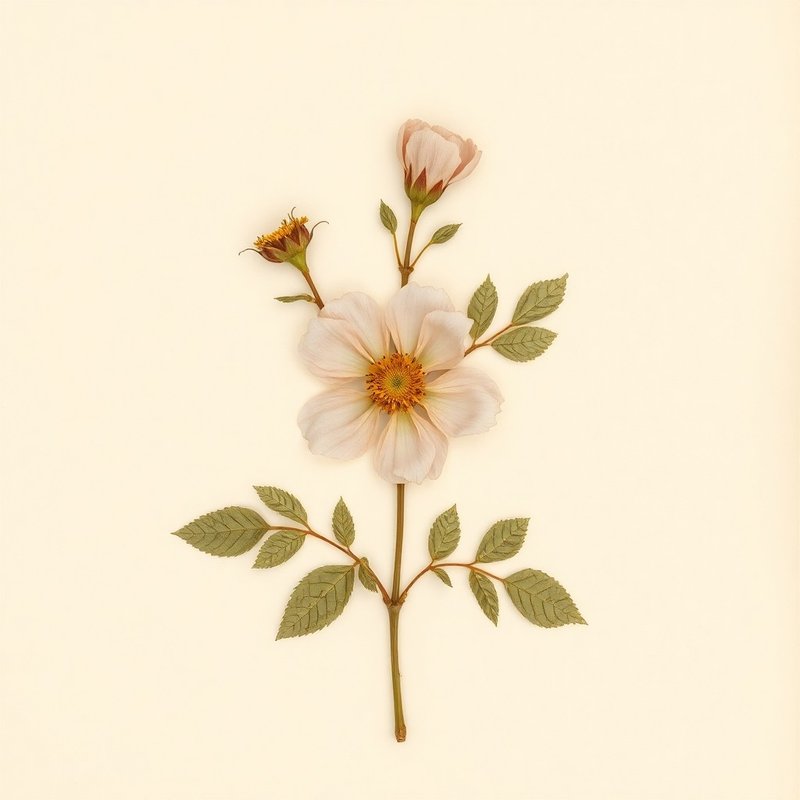
Rosul de vest (Rosa woodsii) este un subarbore nativ a Americii de Nord, găsit în regiuni din Alaska și British Columbia până la California și Colorado. Cunoscut pentru fiori, fructe și creștiu mănâncabile, acesta se dezvoltă în soare direct sau parțial cu sustrat umed care poate varia de la liniștit sălbatic până la grezil pesin. Durabil în zonele 4-8, această plantă crește până la 2 metri în înălțime și este adaptabilă pentru un pH cuprins între 5 și 8. Caracteristicile sale distincte includ fiori de culoare albă sau pale albastre și stemuri cu spune, fiind atât util pentru scopurile mănâncătoare, cât și o adăugare ornamentală atrăgătoare în jardine.
What is Western Wild Rose?
Rosul de vest (Rosa woodsii) este un subarbore nativ a Americii de Nord, găsit în regiuni din Alaska și British Columbia până la California și Colorado.
What is Western Wild Rose used for?
Traditionally used for topical & skin, immune support. Each claim is evidence-rated — see Section II for full citations.
IIBeneficii și dovezi
2 claims · traditional-use context
Beneficii și dovezi
2 claims · traditional-use context- Western Wild Rose is traditionally used in herbal remedies for skin health, particularly as a topical application from the petals and hips. It may help soothe minor irritations and promote healing.
The petals of Rosa woodsii contain flavonoids such as anthocyanins which have anti-inflammatory properties that can reduce redness and swelling in irritated skin.
▲ ModerateTopical & skin → - Western Wild Rose has been traditionally used in Native American medicine to support immune health, often prepared as a tea from the flowers and fruits. Its high vitamin C content may help boost the body's defenses against common illnesses.
The fruit of Rosa woodsii contains significant amounts of vitamin C, which is known for its antioxidant properties and ability to enhance immune function by stimulating white blood cell activity.
▲ ModerateImmune support →
IV·bMixology suggestions
1 draft
Mixology suggestions
1 draftVCultivare
Cultivare
How to grow Western Wild Rose for the first time
Start with a simple planting of Western Wild Rose to enjoy its beauty and potential benefits.
- 1
What you'll need
A young Western Wild Rose plant, garden gloves, a trowel, and some compost.
- 2
Best time to plant
Plant in early spring or late fall when the soil is moist but not waterlogged.
- 3
Soil and container prep
Ensure your soil drains well. Amend with compost if necessary. For containers, use a pot at least 30 cm wide and deep.
- 4
Sowing or transplanting
Transplant the rose from its nursery pot to your garden bed, making sure not to damage the roots.
- 5
First two weeks
Water regularly to keep the soil moist. Avoid overwatering as it can lead to root rot.
- 6
Ongoing care
Provide full sun or partial shade and water when the top inch of soil feels dry. Prune in late winter to maintain shape.
- 7
Harvest or pruning
Prune in late winter to encourage new growth and remove any dead or damaged branches.
VIEdible & utility
Edible & utility
VIIDistribuție
31 native · 0 introduced
Distribuție
31 native · 0 introducedIXSpecimen gallery
1 image
Specimen gallery
1 imageXSee also
8 related
See also
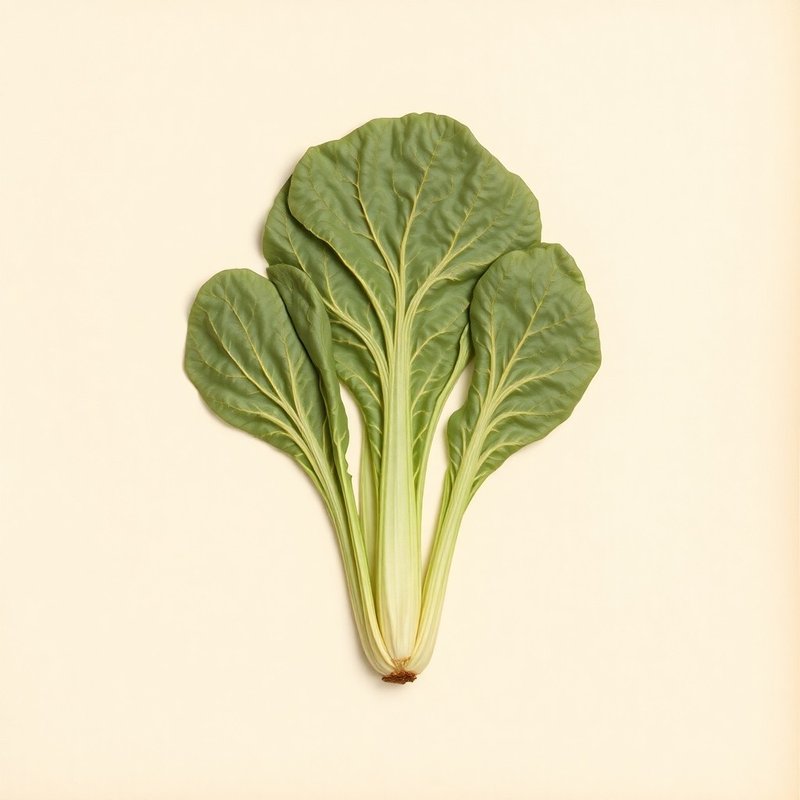
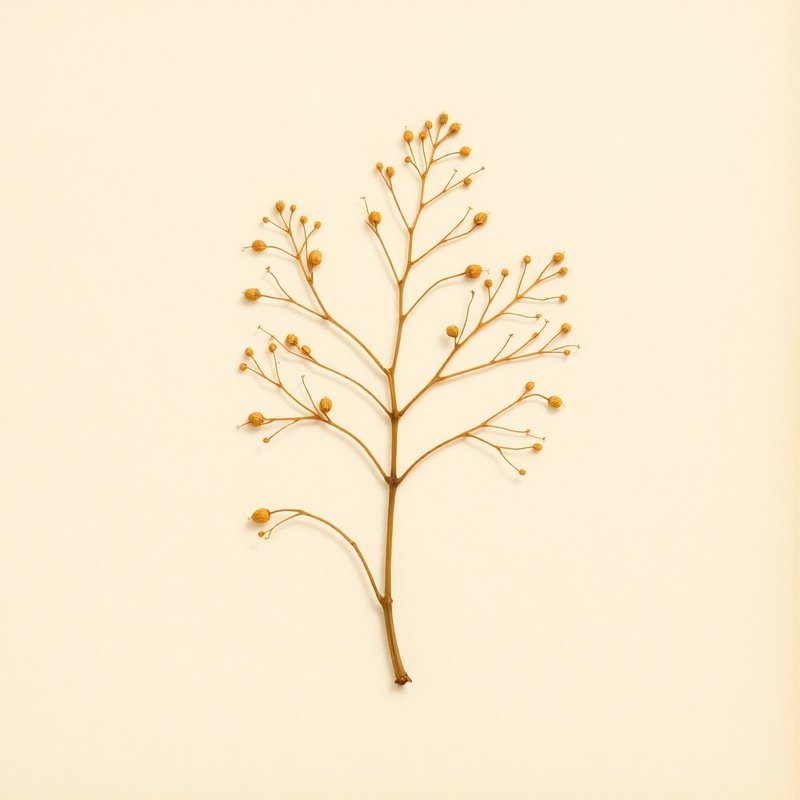
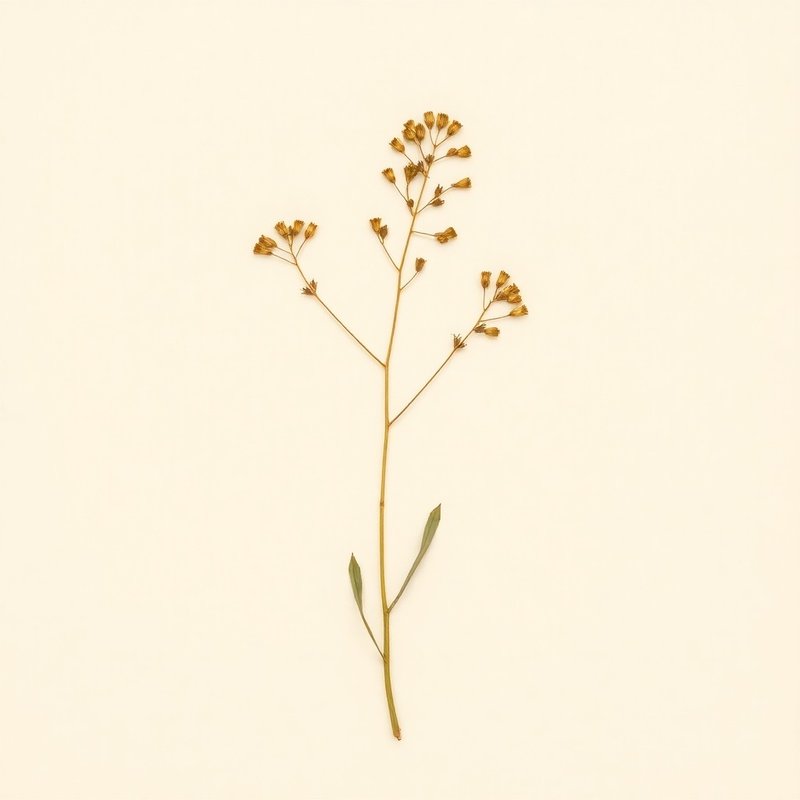
8 relatedPlants you might compare or use together — scored by shared family, common use cases, and growing requirements.

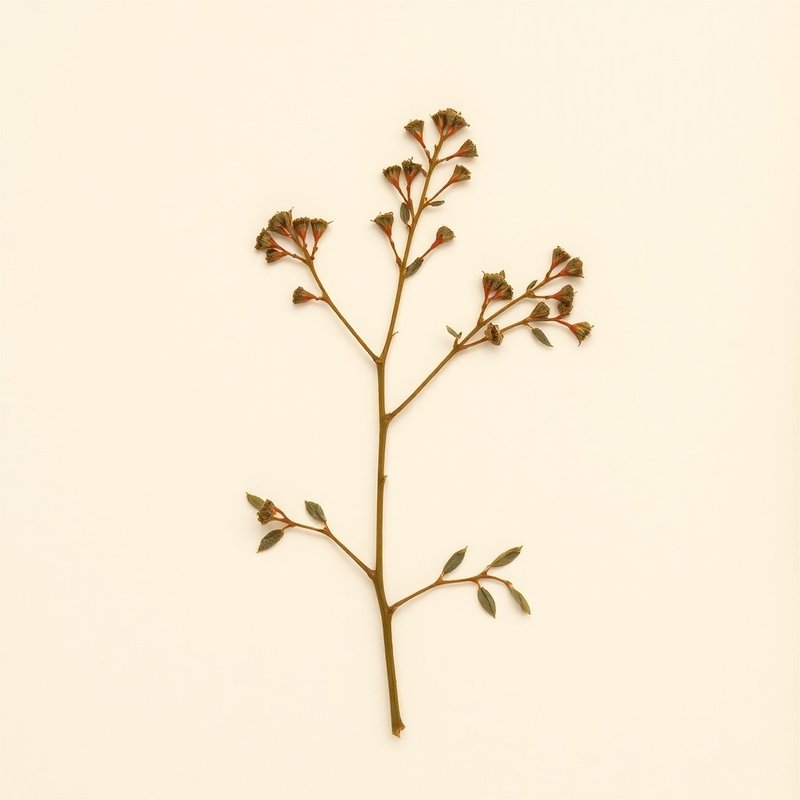
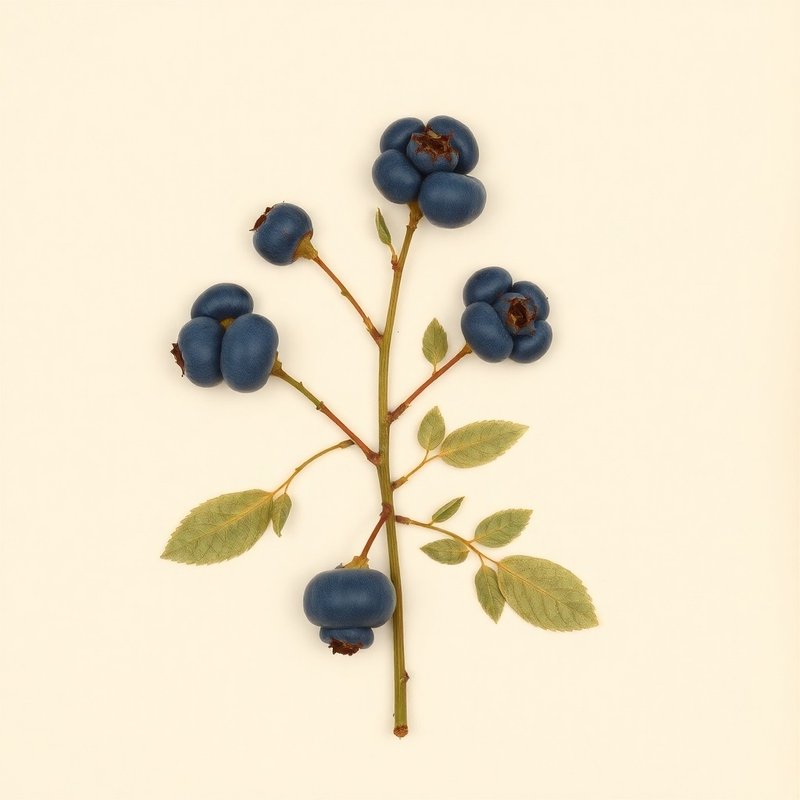

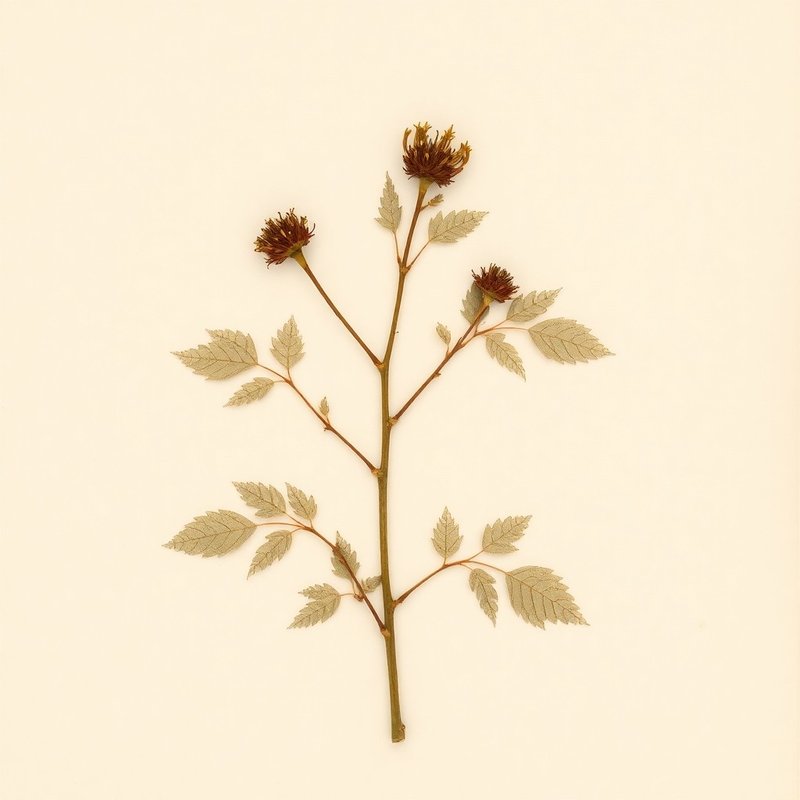
Explore further
About this entry
- Last updated
- Citation
- How to cite this entry · Submit a correction
Continue reading
Primește digest-ul săptămânal
Un email curat pe săptămână — profile noi de plante, note sezoniere de cultivare, adăugiri în arhiva de remedii. Gratuit, fără tracking, dezabonare oricând.