
Rubus floribundo-paniculatus

IPrezentare
Prezentare
Rubus floribundo-paniculatus, cunoscut sub numele de moră cu fructe galbene, este un arbust decidu originez din mai multe țări centrale și estice ale Europei, inclusiv Austria, Bălți, Belarusia, Belgia, Cehoslovacia (în prezent parte a Republicii Cehie), Danemarca, Franța și Germania. Această plantă se dezvolte în condiții umide cu lumină parțială sau semischimbată, crescând până la 8 metri de înălțime. Este cunoscut pentru fructele sale comestibile, care pot fi consumate frescu sau utilizate în diverse aplicații culinare. Un caracter distinctiv al acestui arbust este capacitățile sale de a crește într-o varietate de tipuri de sucuri, de la sândoase până la terne pesante (argila), făcându-l adaptabil în diferite mediuni.
What is Rubus floribundo-paniculatus?
Rubus floribundo-paniculatus, cunoscut sub numele de moră cu fructe galbene, este un arbust decidu originez din mai multe țări centrale și estice ale Europei, inclusiv Austria, Bălți, Belarusia, Belgia, Cehoslovacia (în prezent parte a Republicii Cehie), Danemarca, Franța și Germania.
What is Rubus floribundo-paniculatus used for?
Traditionally used for digestion, immune support. Each claim is evidence-rated — see Section II for full citations.
IIBeneficii și dovezi
2 claims · traditional-use context
Beneficii și dovezi
2 claims · traditional-use context- Rubus species, including closely related Rubus floribundo-paniculatus, have been traditionally used in European herbal medicine for digestive issues such as bloating and indigestion. A decoction of the leaves or fruit may help soothe an upset stomach.
The mechanism is not fully characterised but likely involves compounds like tannins and flavonoids that can have astringent and anti-inflammatory effects on the digestive tract.
▲ ModerateDigestion → - Rubus species, including Rubus floribundo-paniculatus, have been traditionally used in European herbal medicine to support the immune system. A tea made from the leaves or fruit may help boost overall immunity.
The mechanism is not fully characterised but likely involves antioxidants and other bioactive compounds that can enhance immune function.
▲ ModerateImmune support →
IV·bMixology suggestions
1 draft
Mixology suggestions
1 draftVCultivare
Cultivare
How to grow Rubus floribundo-paniculatus for the first time
Start with planting Rubus floribundo-paniculatus in a sunny spot and follow these beginner-friendly steps.
- 1
What you'll need
A young plant or seeds, garden soil, compost, and a trowel.
- 2
Best time to plant
Plant in spring after the last frost or in autumn before the first freeze.
- 3
Soil and container prep
Ensure the soil is well-draining with a pH between 5.5 and 6.5, and prepare a spot that can accommodate its 8 meters height.
- 4
Sowing or transplanting
Transplant young plants in early spring or sow seeds indoors about 10 weeks before the last frost date.
- 5
First two weeks
Water regularly to keep the soil moist, and protect from strong winds during this period.
- 6
Ongoing care
Provide full sun to partial shade, water when the top inch of soil feels dry, and mulch around the base for moisture retention.
- 7
Harvest or pruning
Prune in late winter before new growth starts to encourage fruiting and maintain plant health.
VIEdible & utility
Edible & utility
VIIDistribuție
19 native · 11 introduced
Distribuție
19 native · 11 introducedIXSpecimen gallery
1 image
Specimen gallery
1 imageXSee also
8 related
See also
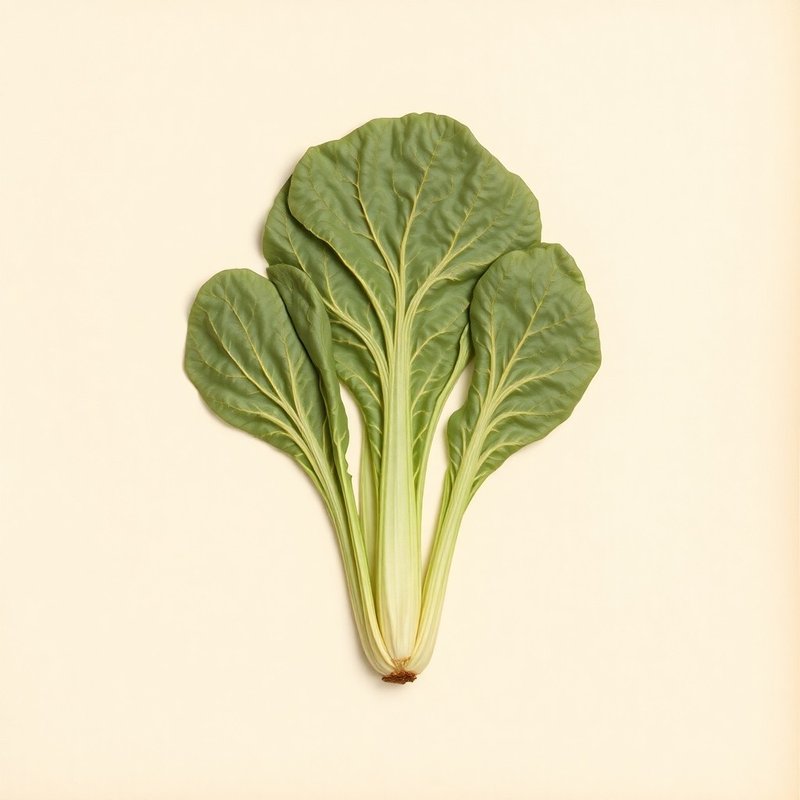
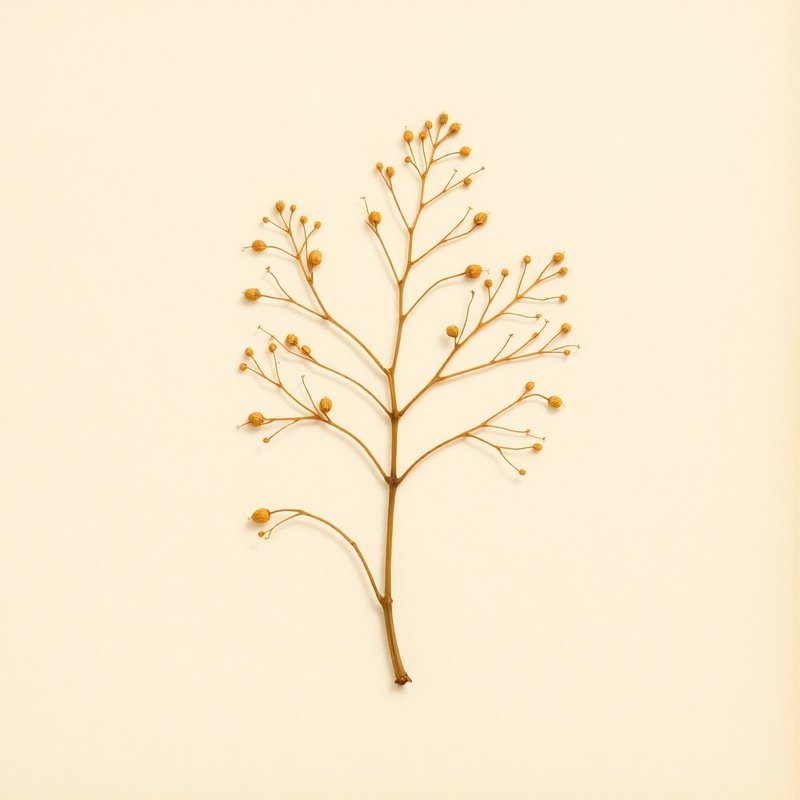
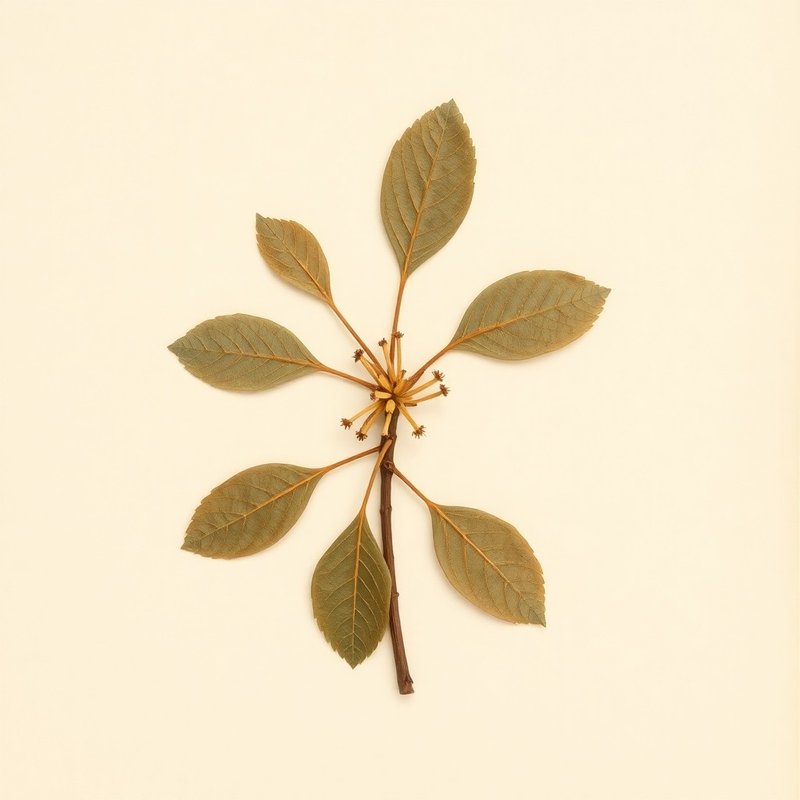
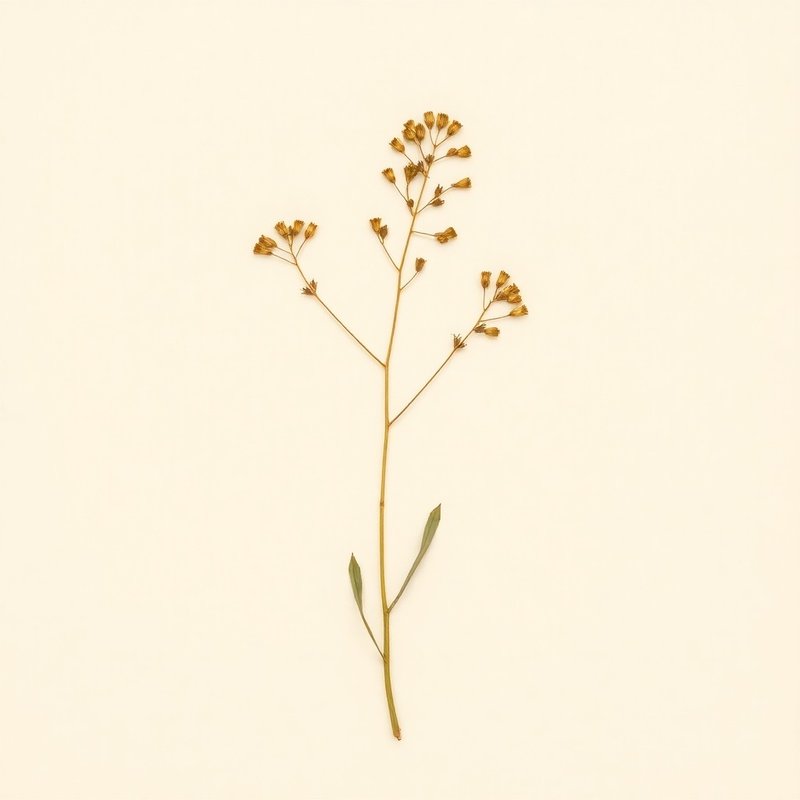
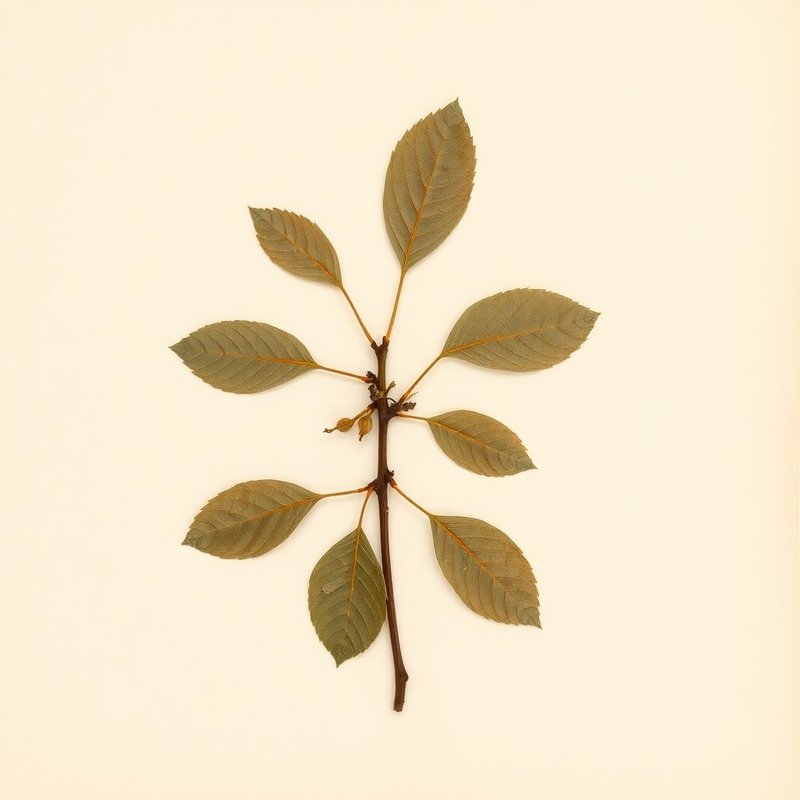
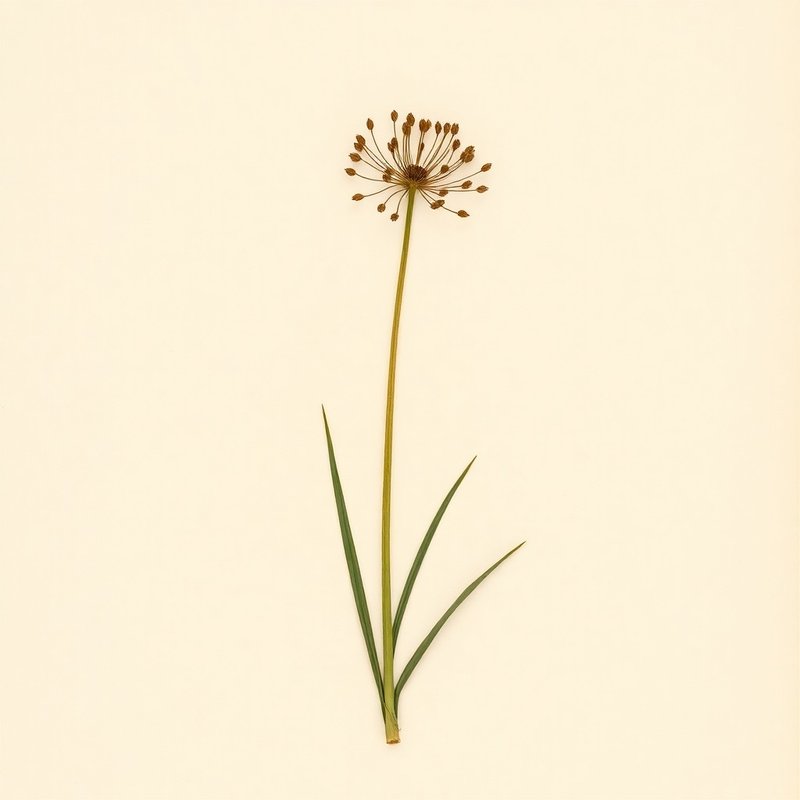
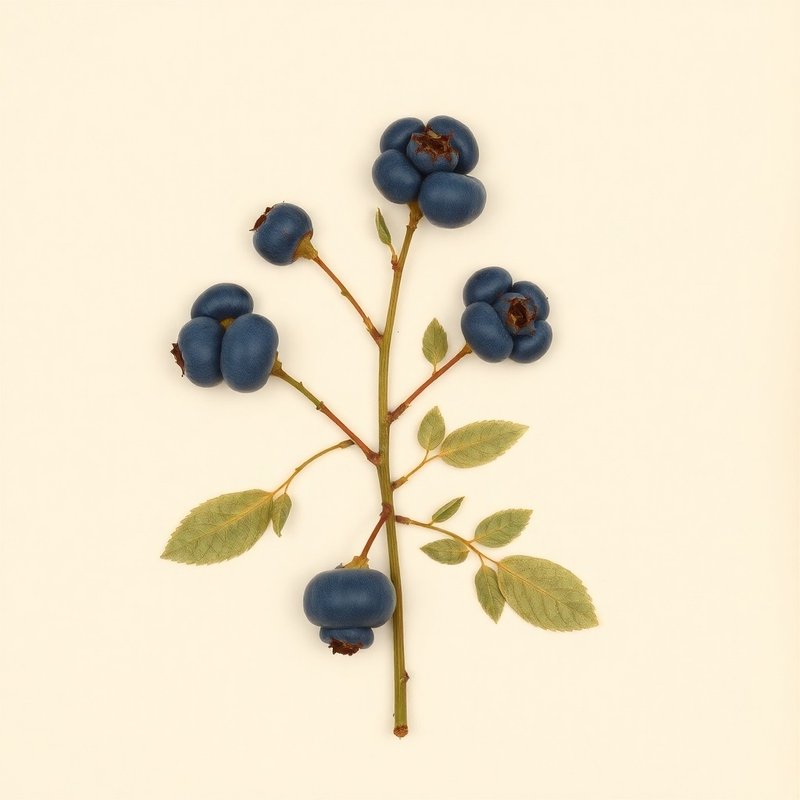
8 relatedPlants you might compare or use together — scored by shared family, common use cases, and growing requirements.

Explore further
About this entry
- Last updated
- Citation
- How to cite this entry · Submit a correction
Continue reading
Primește digest-ul săptămânal
Un email curat pe săptămână — profile noi de plante, note sezoniere de cultivare, adăugiri în arhiva de remedii. Gratuit, fără tracking, dezabonare oricând.