
Yankee Blackberry
Rubus frondosus
Educational content — not medical, botanical, or professional advice. Always consult a qualified clinician before using any herbal preparation — especially during pregnancy, breastfeeding, while on medication, or for children. How we source & review →
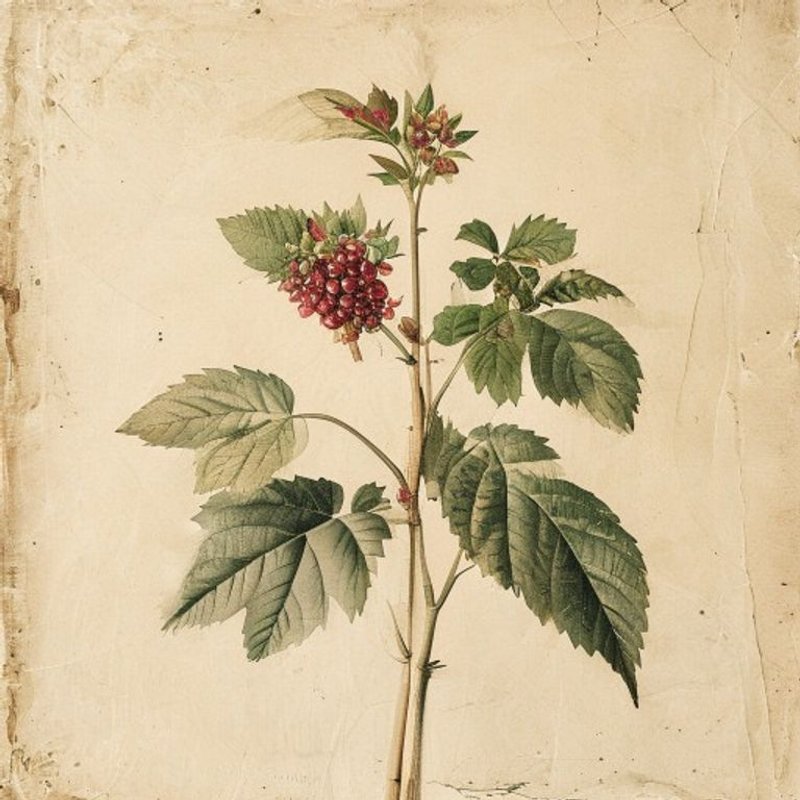
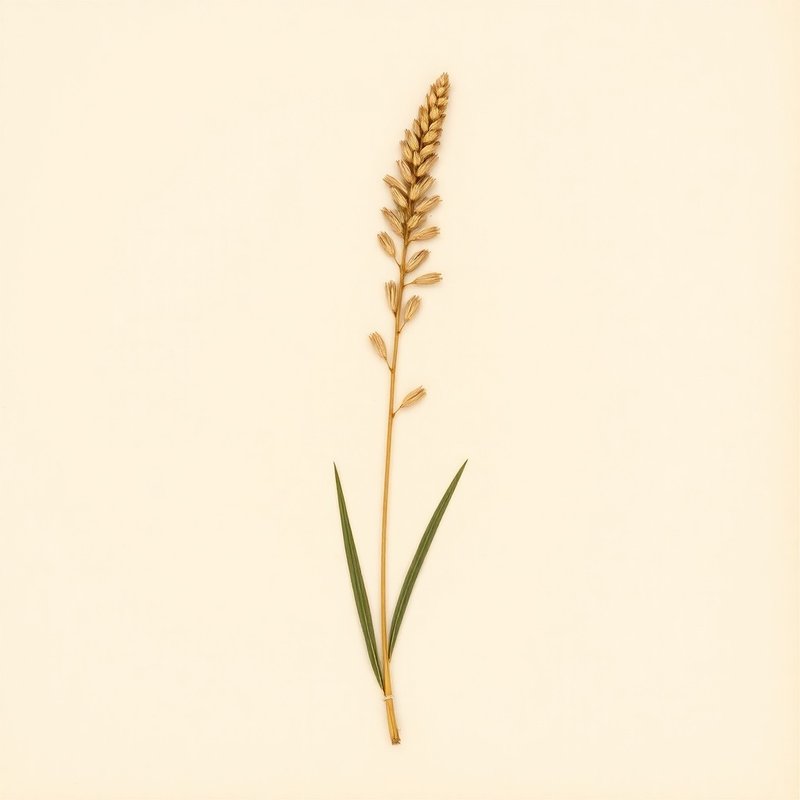
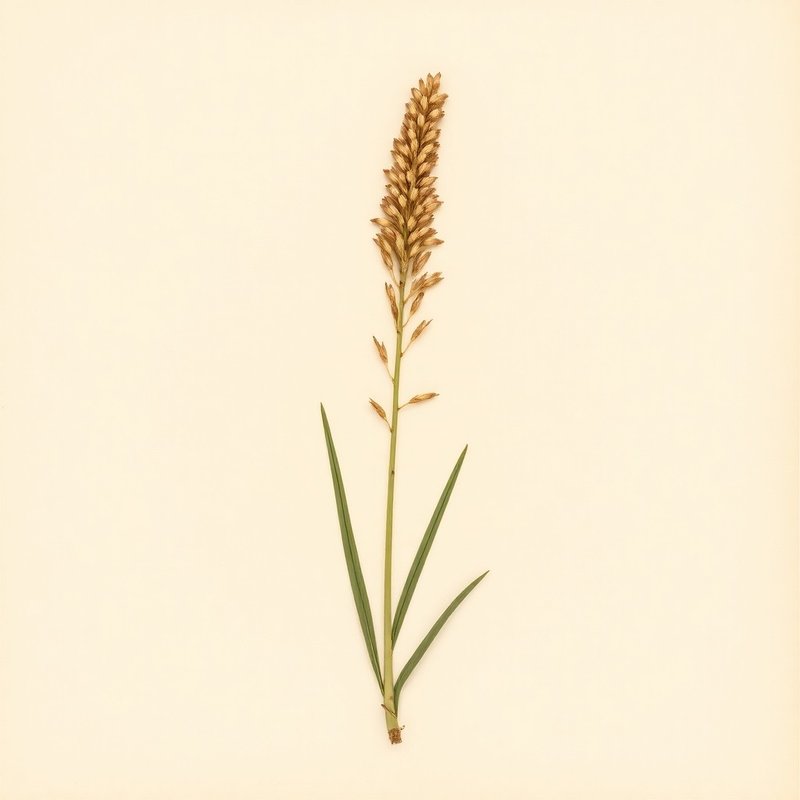
Pl. 2BAB — Rubus frondosus
Rubus frondosusRubus frondosusRubus frondosusRubus frondosusRubus frondosusRubus frondosusRubus frondosusRubus frondosusRubus frondosusRubus frondosusRubus frondosusRubus frondosusRubus frondosusRubus frondosus
IPrezentare
Prezentare
Yankee Blackberry (Rubus frondosus) este o bușnică deciduă nativă din estul Statelor Unite și Canadă, crescând de la Alabama până în Wisconsin și peste Quebec și Ontario. Cunoscut pentru fructele sale comestibile, această plantă se dezvoltă în diferite habitaturi, preferențial în soluri ușoare sau parțial ombrate. Poate crește până la 0,8 m de înălțime și este durabilă în zonele 4-8. Găsit natural în state precum Alabama, Arkansas, Connecticut, Delaware și Districtul Columbia, Yankee Blackberry adaugă o atingură de frumusețe naturale în gardeniile noastre, oferind un gust delicios pentru cei care se bucură de forajare sau cultură. Capacitatea sa de adaptare la diferite tipuri de sol îl face un adăugat versatil în orice landscapă.
Quick answers
What is Yankee Blackberry?
Yankee Blackberry (Rubus frondosus) este o bușnică deciduă nativă din estul Statelor Unite și Canadă, crescând de la Alabama până în Wisconsin și peste Quebec și Ontario. Cunoscut pentru fructele sale comestibile, această plantă se dezvoltă în diferite habitaturi, preferențial în soluri ușoare sau parțial ombrate.
What is Yankee Blackberry used for?
Traditionally used for digestion, topical & skin. Each claim is evidence-rated — see Section II for full citations.
Best for
Top 2 evidence-ranked uses of Yankee Blackberry
Clinicaluses · safety · chemistry · dosagemedicinal profile
IIBeneficii și dovezi
2 claims · 0 sources
Beneficii și dovezi
2 claims · 0 sources- Blackberry leaves and fruit have been traditionally used in North American herbalism to soothe digestive issues, such as diarrhea and dysentery. A decoction of the leaves may help alleviate symptoms by supporting gut health.
The mechanism involves tannins which can reduce inflammation and tighten tissues, potentially alleviating symptoms of gastrointestinal distress. However, the exact pathway is not fully characterised.
- Traditional-use note: Yankee Blackberry appears in herbal sources around traditional skin-care routines, often as a decoction. PlantSage presents this as ethnobotanical context, not as medical advice.
Traditional context only. This reviewed claim keeps the original moderate confidence level, but avoids treatment, disease, dosage, or guaranteed-effect language.
IV·bMixology suggestions
1 draft
Mixology suggestions
1 draftEditorial drafts. These pairings are AI-suggested from traditional herbal lore. Always verify with a qualified herbalist before brewing.
Yankee Blackberry support blend
generaltea
AI returned a direct ingredient list; normalized into one draft blend for editorial review.
Growingconditions · propagation · uses
VCultivare
Cultivare
Yankee Blackberry se dezvoltă bine în soarele plin sau parțial și preferă soluri umide dar bine aeriate, care pot fi ușoare (sândal), medii sau grele (argila). Este durabilă în zonele 4-8 și poate crește până la 0,8 m de înălțime. Această plantă necesită o umiditate moderată; se dezvoltă cel mai bine în condiții ușoare sau umide. Pentru propagarea, gardienii pot folosi metode de cuturi sau diviziune. Fructul este partea comestibilă a acestei varietăți de bușnică.
Light
Full sun, Partial sun/shade
Water
Dry, Moist
Soil
Light (sandy), Medium, Heavy (clay)
Hardiness
4-8
Mature size
0.8 m tall
For first-time growers
How to grow Yankee Blackberry for the first time
8steps
Start with planting Yankee Blackberry in a sunny spot and follow these simple steps for success.
- 1
What you'll need
Yankee Blackberry plants, garden gloves, a shovel, mulch.
- 2
Best time to plant
Plant in early spring or late fall when the soil is moist but not waterlogged.
- 3
Soil and container prep
Choose a location with well-draining soil that's light (sandy), medium, or heavy (clay). Ensure the area gets full sun to partial shade.
- 4
Sowing or transplanting
Transplant established plants from your garden center. Dig holes slightly larger than the root ball and plant at the same depth as they were in their container.
- 5
First two weeks
Water regularly to keep the soil moist but not soggy. Mulch around the base to retain moisture and suppress weeds.
- 6
Ongoing care
Fertilize once a year with compost or well-rotted manure in early spring. Prune annually after fruiting to maintain shape and health.
- 7
Harvest or pruning
Prune the canes to remove any dead, weak, or diseased branches. Harvest the fruit when it turns black.
- 8
Common mistakes
Overwatering, planting in heavy clay soil without improving drainage, not providing enough support for the canes.
VIEdible & utility
Edible & utility
Edible parts:Fruit
Edible uses: The Yankee Blackberry's fruit is edible and can be enjoyed fresh or prepared in various ways. The berries are typically eaten raw for their sweet flavor but can also be cooked into jams, jellies, or pies. They can also be dried to preserve them for later use. SKIP
Other uses:Dye
Contextrange · companions · related
VIIDistribuție
30 native · 0 introduced
Distribuție
30 native · 0 introducedDistribution across1 continent· 30 native
Asia1 region
native (1)Georgia
Broader regions
native:Alabama, Arkansas, Connecticut, Delaware, District of Columbia, Florida, Illinois, Indiana, Iowa, Kansas, Kentucky, Louisiana, Maine, Maryland, Massachusetts, Michigan, Minnesota, Mississippi, Missouri, Nebraska, New Brunswick, New Hampshire, New Jersey, New York, Newfoundland, North Carolina, Nova Scotia, Ohio, Oklahoma
IXSpecimen gallery
1 image
Specimen gallery
1 imageXSee also
8 related
See also
8 relatedPlants you might compare or use together — scored by shared family, common use cases, and growing requirements.
shared use cases
Different families, similar therapeutic role — good for comparing.



XI
Explore further
Companion planting
Health goals
Compare with similar plants
Growing zone
XII
About this entry
- Last updated
- Citation
- How to cite this entry · Submit a correction
Back to the cataloguePlant id · 2bab6cb0-a8f3-4667-b3bc-f45c8a465d6c
Decision aid
Choosing between Yankee Blackberry and something else?
Continue reading
❦❦❦❦
Endpaper · archive updates
Primește digest-ul săptămânal
Un email curat pe săptămână — profile noi de plante, note sezoniere de cultivare, adăugiri în arhiva de remedii. Gratuit, fără tracking, dezabonare oricând.