
Rubus geoides
Rubus geoides
Educational content — not medical, botanical, or professional advice. Always consult a qualified clinician before using any herbal preparation — especially during pregnancy, breastfeeding, while on medication, or for children. How we source & review →
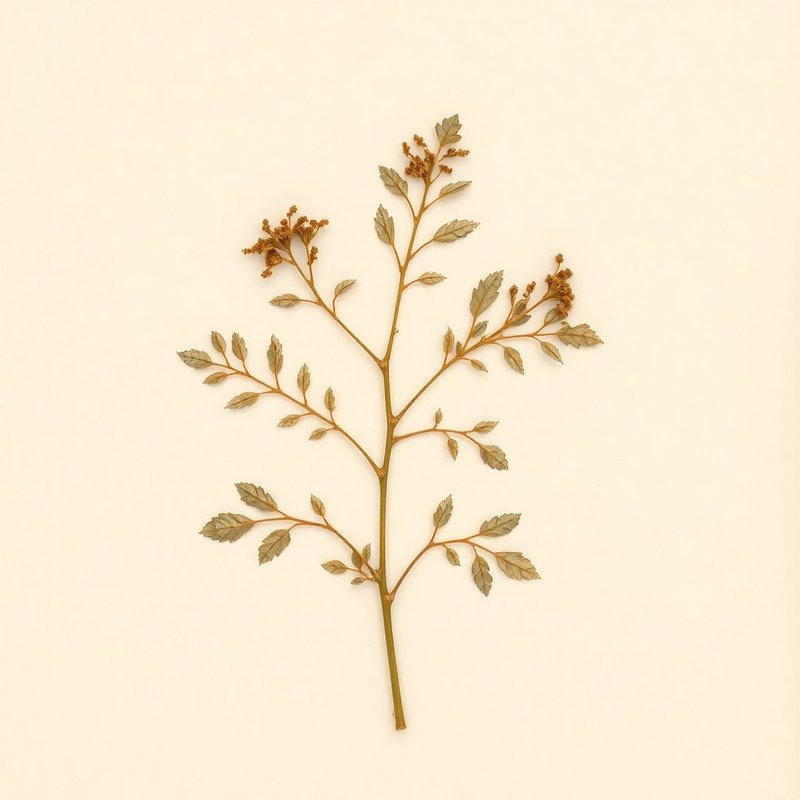
Pl. B4DD — Rubus geoides
Rubus geoidesRubus geoidesRubus geoidesRubus geoidesRubus geoidesRubus geoidesRubus geoidesRubus geoidesRubus geoidesRubus geoidesRubus geoidesRubus geoidesRubus geoidesRubus geoides
IPrezentare
Prezentare
Rubus geoides, cunoscut sub numele de dewberry chileno, este un membru al familiei Rosaceae și este nativ în regiuni din America de Sud, inclusiv zonele sudice ale Argentinii, centre și nord ale Chile-ului și Insulelor Falkland. Această plante scurte de înaltă se dezvolte cel mai bine în condiții umide cu expozție la lumină sau parțială, fiind adaptabilă la diverse tipuri de soluri precum soliile sandy, medium și clay. Cunoscut pentru fructele sale comestibile, care pot fi consumate frescu sau utilizate în aplicații culinare, Rubus geoides este o adaugare valoroasă în gardeni către atât atracțiile ornamentale, cât și la edibilitate. Un caracter distinctiv al acestei plante este capacitatea lor de a crește până la 0,6 metri în înălțime, făcându-le gestiuneabile pentru gardienii de casă.
Quick answers
What is Rubus geoides?
Rubus geoides, cunoscut sub numele de dewberry chileno, este un membru al familiei Rosaceae și este nativ în regiuni din America de Sud, inclusiv zonele sudice ale Argentinii, centre și nord ale Chile-ului și Insulelor Falkland.
What is Rubus geoides used for?
Traditionally used for immune support, digestion. Each claim is evidence-rated — see Section II for full citations.
Best for
Top 2 evidence-ranked uses of Rubus geoides
Clinicaluses · safety · chemistry · dosagemedicinal profile
IIBeneficii și dovezi
2 claims · 0 sources
Beneficii și dovezi
2 claims · 0 sources- Rubus geoides is traditionally used in South American herbal medicine to support the immune system, often prepared as a tea. It may help maintain overall health and wellness.
The mechanism by which Rubus geoides supports the immune system is not fully characterised but may involve antioxidant compounds that protect against oxidative stress.
- Rubus geoides has been traditionally used in South American herbal medicine to support digestive health, often prepared as a decoction. It is believed to aid in the relief of minor digestive discomforts.
The mechanism by which Rubus geoides supports digestion is not fully characterised but may involve compounds that interact with gut motility and reduce inflammation.
IV·bMixology suggestions
1 draft
Mixology suggestions
1 draftEditorial drafts. These pairings are AI-suggested from traditional herbal lore. Always verify with a qualified herbalist before brewing.
Rubus geoides support blend
generaltea
AI returned a direct ingredient list; normalized into one draft blend for editorial review.
Growingconditions · propagation · uses
VCultivare
Cultivare
Rubus geoides se dezvolte cel mai bine în expozție la lumină completă sau parțială și necesită soluri umide cu bine drenaj care pot fi luate ca fiind soliile sandy, medium sau clay. Înălțimea sa poate atinge până la 0,6 metri și este nativ în regiuni precum Sudul Argentiniei, Centru și Nordul Chile-ului și Insulelor Falkland. Pentru cultivarea acesteia, asigurați-vă că planta primește apă suficientă și preferă o climatizare temperată. Propagarea poate fi făcută prin semințe sau prin diviziunea plantelor stabilite. Fructele acestei plante sunt comestibile.
Light
Full sun, Partial sun/shade
Water
Moist
Soil
Light (sandy), Medium, Heavy (clay)
Mature size
0.6 m tall
For first-time growers
How to grow Rubus geoides for the first time
8steps
Start with planting Rubus geoides in a sunny spot and follow these beginner-friendly steps.
- 1
What you'll need
A young Rubus geoides plant, garden soil, compost, mulch, and watering can.
- 2
Best time to plant
Plant in spring or early fall when the weather is cooler.
- 3
Soil and container prep
Choose a location with well-draining soil that's light (sandy), medium, or heavy. Amend the soil with compost if needed.
- 4
Sowing or transplanting
Transplant young plants directly into the garden or start them in containers and plant out later.
- 5
First two weeks
Water regularly to keep the soil moist but not waterlogged. Monitor for any signs of pests or diseases.
- 6
Ongoing care
Provide full sun to partial shade, and ensure consistent moisture. Prune in late winter to maintain shape and health.
- 7
Harvest or pruning
Prune the plant in late winter to encourage new growth and remove any dead or weak branches.
- 8
Common mistakes
Overwatering, planting in heavy shade, neglecting regular pruning, not providing enough support for climbing stems, and using chemical fertilizers.
VIEdible & utility
Edible & utility
Edible parts:Fruit
Edible uses: The fruit of Rubus geoides is edible and can be eaten raw or used in various preparations. It is often consumed fresh but can also be dried for later use. Skip the invention of specific recipes; focus on these basic uses instead.
Other uses:Dye
Contextrange · companions · related
VIIDistribuție
4 native · 0 introduced
Distribuție
4 native · 0 introducedDistribution across0 continents· 4 native
Broader regions
native:Chile Central, Chile North, Falkland Is., Argentina South
IXSpecimen gallery
1 image
Specimen gallery
1 imageXSee also
8 related
See also
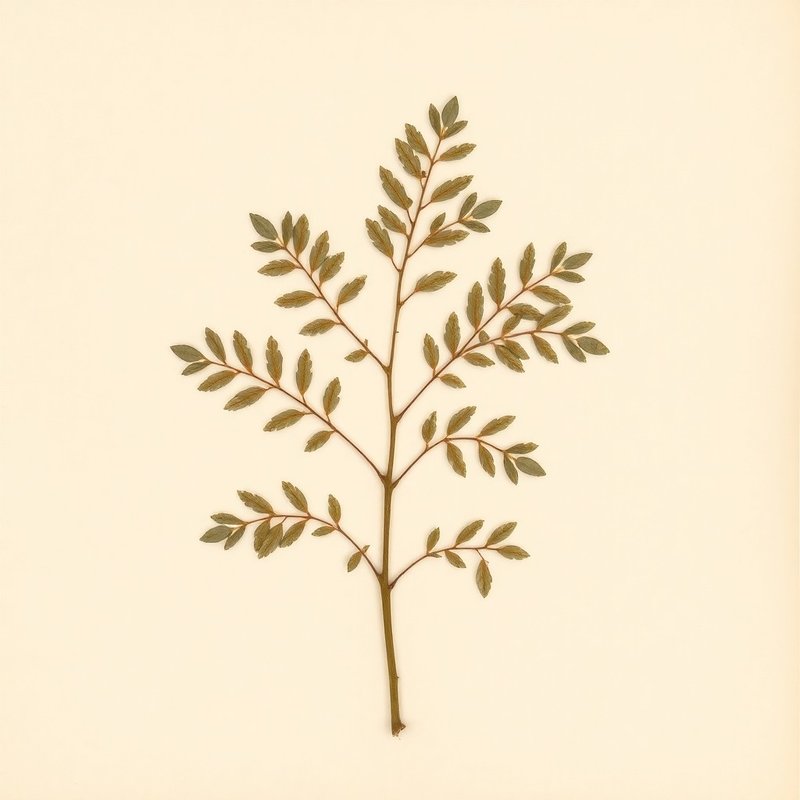
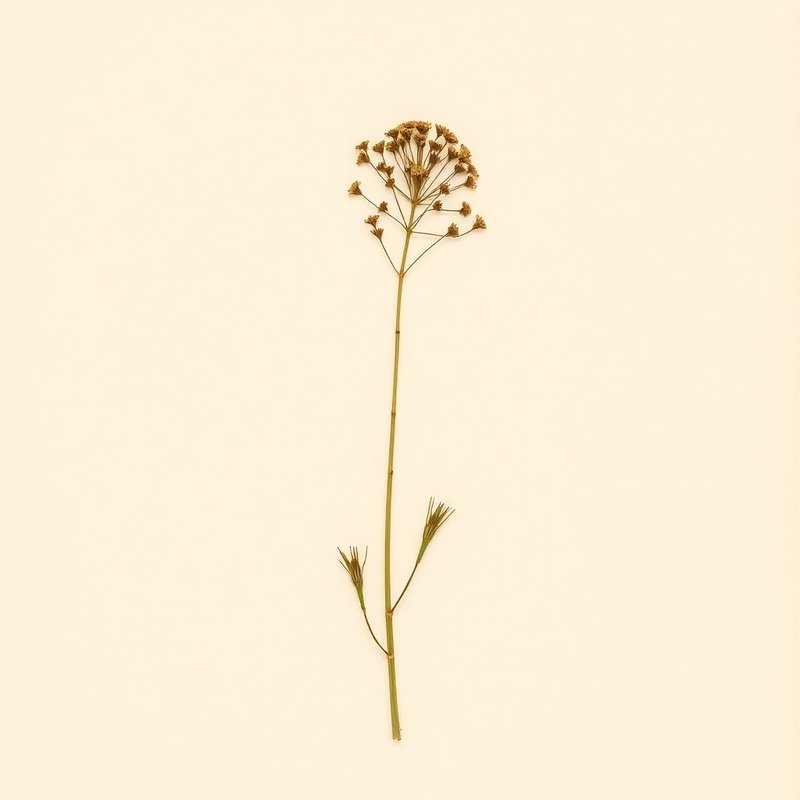
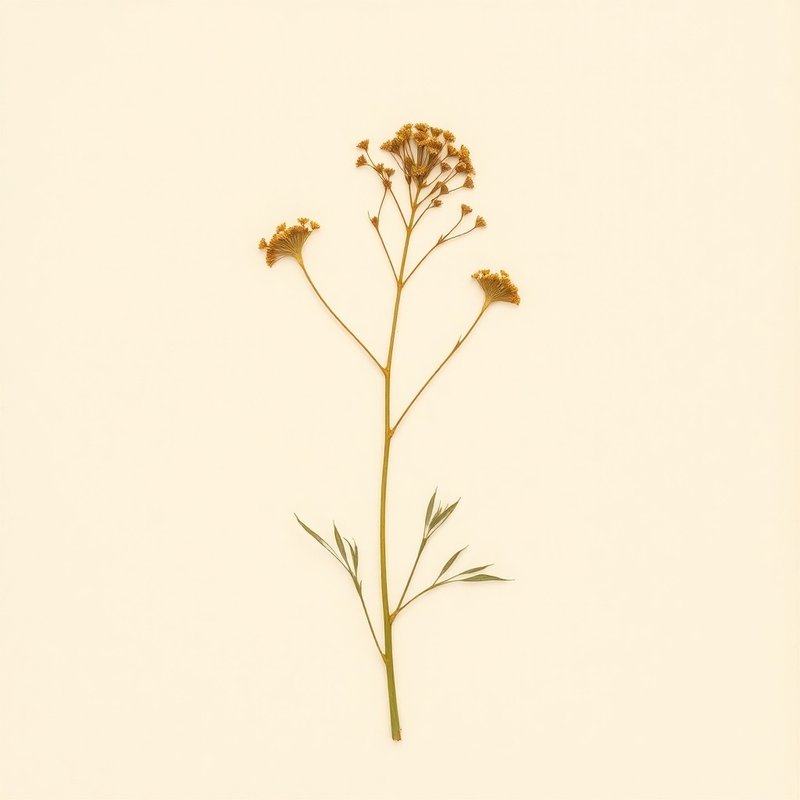
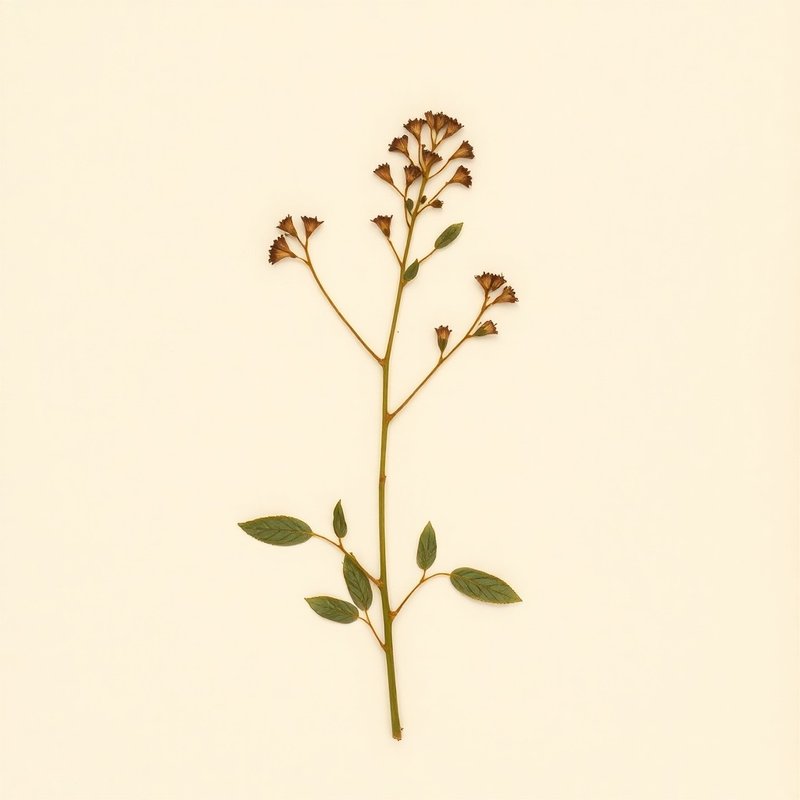
8 relatedPlants you might compare or use together — scored by shared family, common use cases, and growing requirements.
shared use cases
Different families, similar therapeutic role — good for comparing.

XI
Explore further
Companion planting
Health goals
Compare with similar plants
XII
About this entry
- Last updated
- Citation
- How to cite this entry · Submit a correction
Back to the cataloguePlant id · b4dd527c-f1c2-4452-bea9-48e5083930e4
Decision aid
Choosing between Rubus geoides and something else?
Continue reading
❦❦❦❦
Endpaper · archive updates
Primește digest-ul săptămânal
Un email curat pe săptămână — profile noi de plante, note sezoniere de cultivare, adăugiri în arhiva de remedii. Gratuit, fără tracking, dezabonare oricând.