
Ceylon Blackberry
IPrezentare
Prezentare
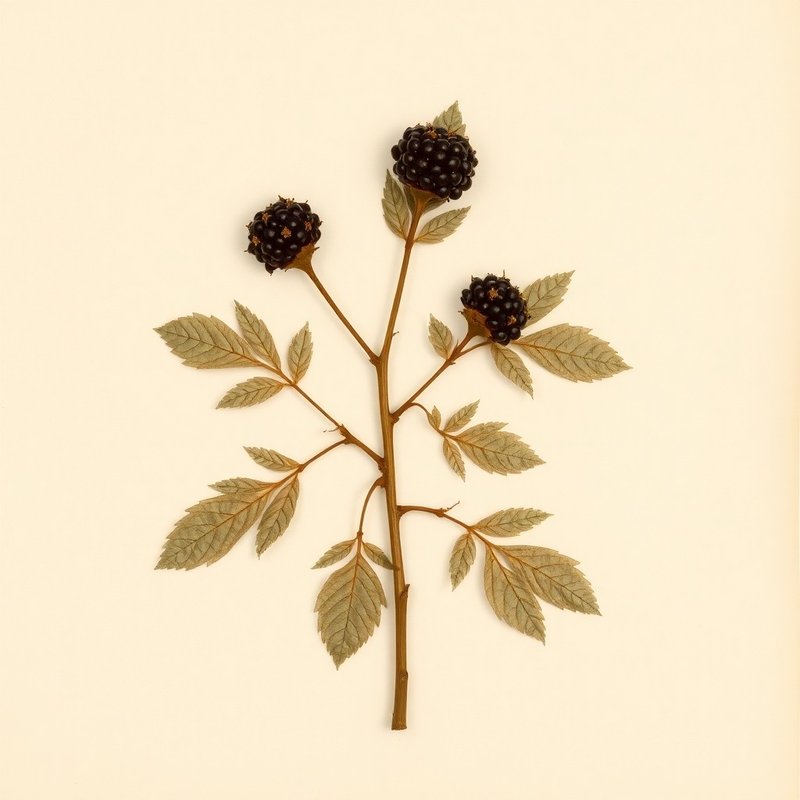
Cebulețul de Ceylon (Rubus moluccanus) este un arbust decidu original din regiuni precum Assam, Arhipelagul Bismarck, Borneo și India. Cunoscut pentru fructele sale comestibile, acest plant se dezvolte în condiții umide cu expozție la lumină sau parțială de soare. Poate crește în diverse tipuri de sol, de la soluri săptămâne până la soluri bogate în argilă. Originezând într-un spectru larg de zone tropicale și subtropicale precum Filippinele, Arhipelagul Solomon, Sri Lanka și Vietnam, Cebulețul de Ceylon este apreciat pentru fructele sale, care îl face o alegere ornamentală în jardine unde se permite creșterii săvârșiniste. Un caracteristică distinctivă a acestui plant este capacitatea sa de adaptare la diverse mediuni într-un spectru geografic broad.
What is Ceylon Blackberry?
Cebulețul de Ceylon (Rubus moluccanus) este un arbust decidu original din regiuni precum Assam, Arhipelagul Bismarck, Borneo și India. Cunoscut pentru fructele sale comestibile, acest plant se dezvolte în condiții umide cu expozție la lumină sau parțială de soare.
What is Ceylon Blackberry used for?
Traditionally used for digestion, topical & skin. Each claim is evidence-rated — see Section II for full citations.
IIBeneficii și dovezi
2 claims · traditional-use context
Beneficii și dovezi
2 claims · traditional-use context- Ceylon Blackberry has been traditionally used in Southeast Asian medicine for digestive issues, such as indigestion and stomach discomfort. A decoction of the leaves or fruit may help soothe the gastrointestinal tract.
The mechanism is not fully characterised but likely involves compounds like tannins and flavonoids that have astringent properties, helping to reduce inflammation in the gut lining.
▲ ModerateDigestion → - Ceylon Blackberry is traditionally used for topical applications to support skin health. A poultice or decoction applied topically may help with minor skin irritations and wounds.
The mechanism involves antioxidants such as anthocyanins, which can protect the skin from oxidative stress and promote healing.
▲ ModerateTopical & skin →
IV·bMixology suggestions
1 draft
Mixology suggestions
1 draftVCultivare
Cultivare
How to grow Ceylon Blackberry for the first time
Start with a simple, light-loving Ceylon Blackberry plant for your first gardening experience.
- 1
What you'll need
A young Ceylon Blackberry plant or seeds, garden soil, and a container if planting indoors.
- 2
Best time to plant
Plant in spring when the weather starts warming up.
- 3
Soil and container prep
Use well-draining soil with a mix of light (sandy), medium, or heavy clay. Ensure containers have drainage holes.
- 4
Sowing or transplanting
Transplant young plants directly into the garden or start seeds indoors 6-8 weeks before planting outside.
- 5
First two weeks
Water regularly to keep soil moist but not waterlogged. Provide partial shade if full sun is too intense.
- 6
Ongoing care
Fertilize with compost every few months and prune dead or weak canes in late winter for healthy growth.
- 7
Harvest or pruning
Prune the plant annually to maintain shape and encourage fruiting. Harvest ripe berries when they turn black.
- 8
Common mistakes
Overwatering, planting in heavy shade, not providing enough support for canes, and neglecting winter pruning.
VIEdible & utility
Edible & utility
VIIDistribuție
29 native · 5 introduced
Distribuție
29 native · 5 introducedIXSpecimen gallery
1 image
Specimen gallery
1 imageXSee also
8 related
See also
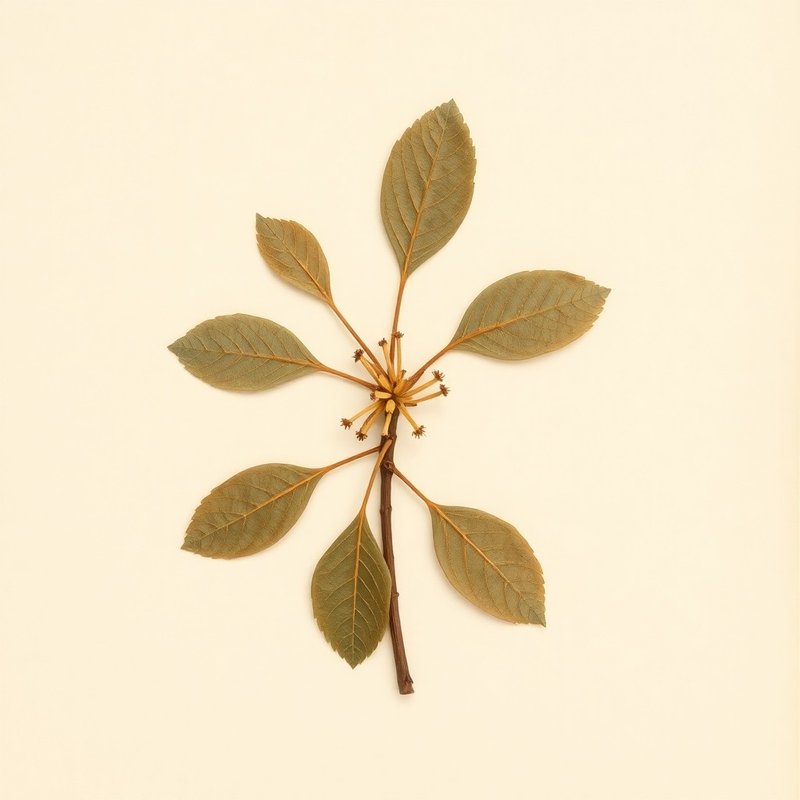
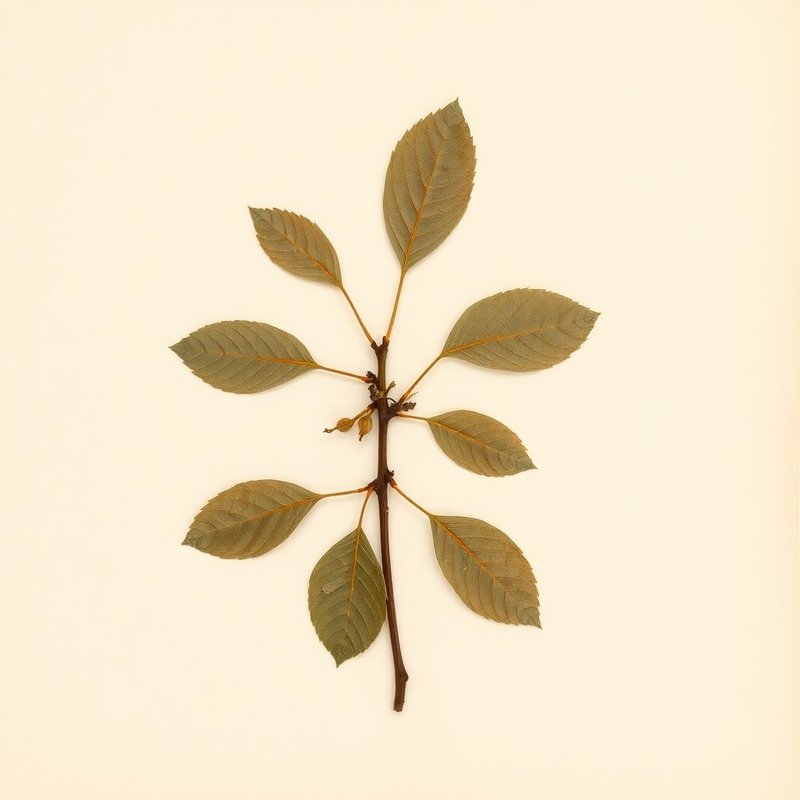
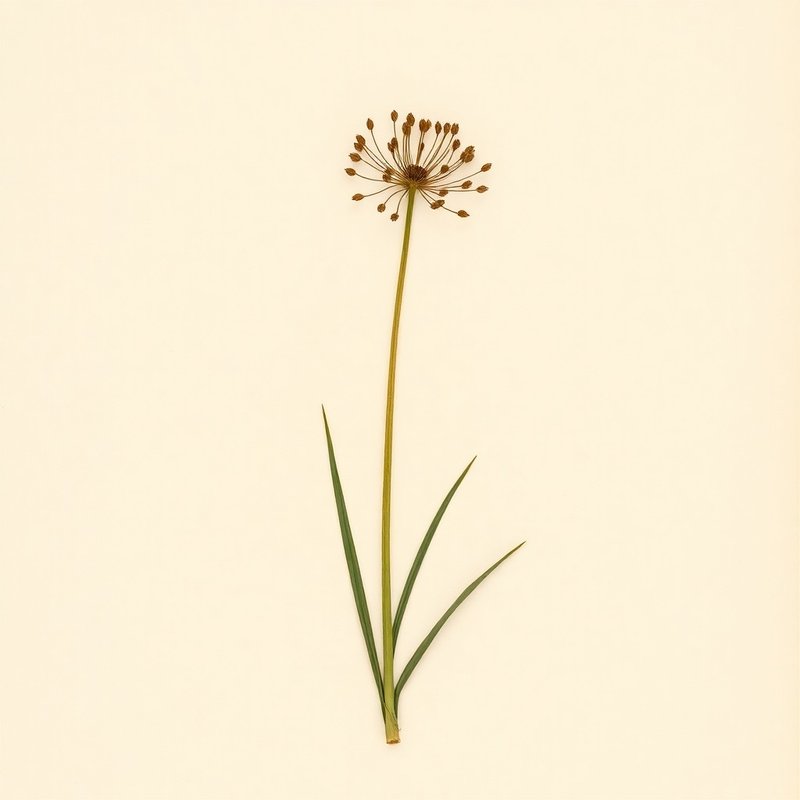
8 relatedPlants you might compare or use together — scored by shared family, common use cases, and growing requirements.



Explore further
About this entry
- Last updated
- Citation
- How to cite this entry · Submit a correction
Continue reading
Primește digest-ul săptămânal
Un email curat pe săptămână — profile noi de plante, note sezoniere de cultivare, adăugiri în arhiva de remedii. Gratuit, fără tracking, dezabonare oricând.