
Rubus nessensis
Rubus nessensis
Educational content — not medical, botanical, or professional advice. Always consult a qualified clinician before using any herbal preparation — especially during pregnancy, breastfeeding, while on medication, or for children. How we source & review →
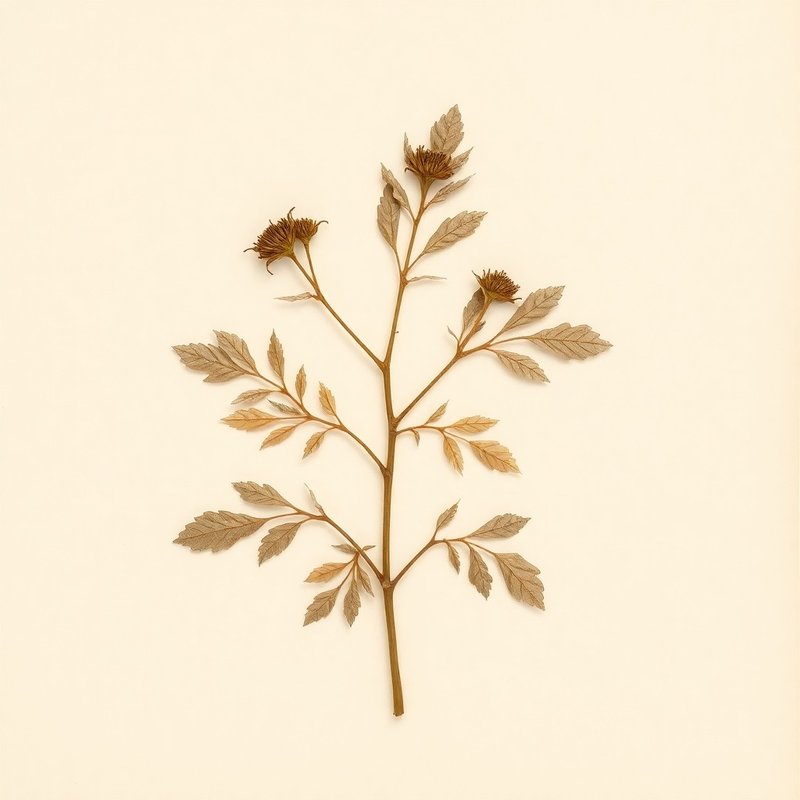
Pl. 9442 — Rubus nessensis
Rubus nessensisRubus nessensisRubus nessensisRubus nessensisRubus nessensisRubus nessensisRubus nessensisRubus nessensisRubus nessensisRubus nessensisRubus nessensisRubus nessensisRubus nessensisRubus nessensis
IPrezentare
Prezentare
Rubus nessensis, cunoscut sub numele de mereu de Ness, este o bușnică durabilă nativă în Europa centrală și de nord, inclusiv Austria, Statele Balta, Belarusia, Belgia, Rusia Centrală, Cehoslovacia, Danemarca, Franța, Germania, Regatul Unit, Ungaria, Irlanda, Italia, Paesele Neerlandesi, Norvegia, Polonia, România, Suedia, Elveția, Ucraina și Iugoslavia. Această plantă se dezvoltă într-un sustrat umed, de tip liniștit sau greu, preferând expozitia la soare complet sau parțială. Cunoscut pentru fructele sale comestibile, a fost cultivată pentru a produce mere, care pot fi consumate frescu sau utilizate în diverse aplicații culinare. Un caracter distinctiv al acestei bușnice este capacitatea sa de creștere până la 3 metri în înălțime, făcând-o o prezență notabilă în jardine și în landscape naturale.
Quick answers
What is Rubus nessensis?
Rubus nessensis, cunoscut sub numele de mereu de Ness, este o bușnică durabilă nativă în Europa centrală și de nord, inclusiv Austria, Statele Balta, Belarusia, Belgia, Rusia Centrală, Cehoslovacia, Danemarca, Franța, Germania, Regatul Unit, Ungaria, Irlanda, Italia, Paesele Neer
What is Rubus nessensis used for?
Traditionally used for topical & skin, digestion. Each claim is evidence-rated — see Section II for full citations.
Best for
Top 2 evidence-ranked uses of Rubus nessensis
Clinicaluses · safety · chemistry · dosagemedicinal profile
IIBeneficii și dovezi
2 claims · 0 sources
Beneficii și dovezi
2 claims · 0 sources- Rubus species have been traditionally used in European herbal medicine for topical applications to support skin health. A poultice or salve made from the fruit and leaves may help soothe minor skin irritations.
The mechanism is not fully characterised but likely involves antioxidants such as anthocyanins which can provide anti-inflammatory effects on the skin, potentially reducing redness and irritation.
- Rubus species, including closely related Rubus fruticosus, have been traditionally used in European herbal medicine to support digestive health. A decoction of the leaves and fruit may help alleviate minor digestive discomfort.
The mechanism is not fully characterised but likely involves compounds such as tannins and flavonoids which can provide astringent effects on the gastrointestinal tract, potentially reducing inflammation and irritation.
IV·bMixology suggestions
1 draft
Mixology suggestions
1 draftEditorial drafts. These pairings are AI-suggested from traditional herbal lore. Always verify with a qualified herbalist before brewing.
Rubus nessensis support blend
generaltea
AI returned a direct ingredient list; normalized into one draft blend for editorial review.
Growingconditions · propagation · uses
VCultivare
Cultivare
Rubus nessensis se dezvoltă în expozții solare complete sau parțiale și preferă sustraturi umede, bine drenate de tip liniștit, mediu sau greu (argil). Această plantă este durabilă în regiuni temperate și crește până la 3 metri în înălțime. Pentru o producție optimă a fructelor, asigurați-vă că sustratul rămâne umed constant. Propagarea poate fi făcută prin semințe sau prin diviziunea plantelor stabilite. Fructele sunt comestibile și sunt natice într-o gamă largă de țări europene, inclusiv Austria, Belgia, Franța și Germania.
Light
Full sun, Partial sun/shade
Water
Moist
Soil
Light (sandy), Medium, Heavy (clay)
Mature size
3.0 m tall
For first-time growers
How to grow Rubus nessensis for the first time
8steps
Start with planting Rubus nessensis in a sunny spot, and follow these steps for success.
- 1
What you'll need
Rubus nessensis plants or seeds, compost, mulch, garden gloves.
- 2
Best time to plant
Plant in spring after the last frost or fall before the first freeze.
- 3
Soil and container prep
Choose a location with well-draining soil that is light (sandy), medium, or heavy (clay). Ensure the area receives full sun to partial shade.
- 4
Sowing or transplanting
Transplant young plants from nursery pots directly into the garden. For seeds, sow them in early spring and cover lightly with soil.
- 5
First two weeks
Water regularly to keep the soil moist but not waterlogged. Monitor for pests and diseases.
- 6
Ongoing care
Provide regular watering, especially during dry spells. Fertilize in early spring with compost or well-rotted manure. Prune annually to maintain shape and health.
- 7
Harvest or pruning
Prune the plant in late winter before new growth begins. Harvest fruit when they are fully ripe.
- 8
Common mistakes
Overwatering, planting too deep, neglecting winter protection, not providing enough support for climbing plants.
VIEdible & utility
Edible & utility
Edible parts:Fruit
Edible uses: The fruit of Rubus nessensis is edible and can be eaten raw or used in various preparations. It is commonly consumed fresh but can also be dried for later use. Skip
Other uses:Dye
Contextrange · companions · related
VIIDistribuție
22 native · 0 introduced
Distribuție
22 native · 0 introducedDistribution across1 continent· 22 native
Europe18 regions
native (18)AustriaBelarusBelgiumDenmarkFranceGermanyHungaryIrelandItalyNetherlandsNorwayPolandRomaniaRussiaSwedenSwitzerlandUkraineUnited Kingdom
Broader regions
native:Baltic States, Czechoslovakia, Yugoslavia
IXSpecimen gallery
1 image
Specimen gallery
1 imageXSee also
8 related
See also
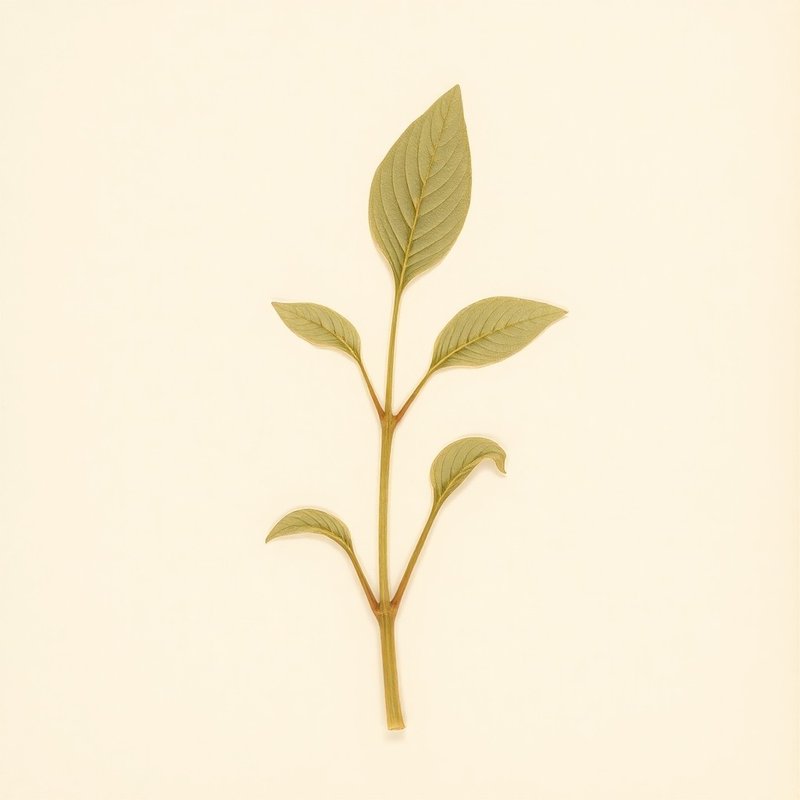
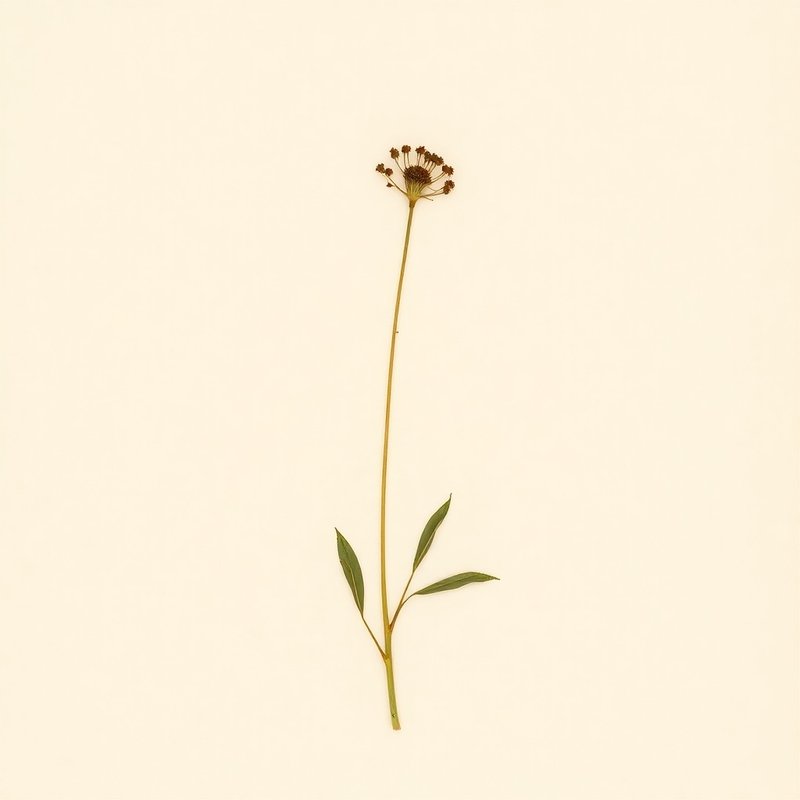
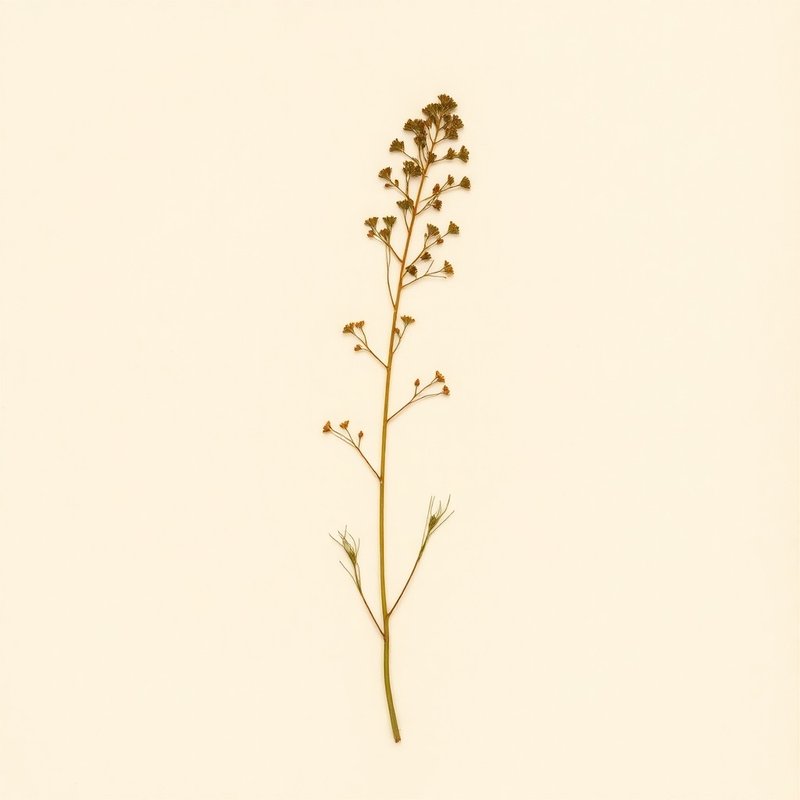
8 relatedPlants you might compare or use together — scored by shared family, common use cases, and growing requirements.
shared use cases
Different families, similar therapeutic role — good for comparing.


XI
Explore further
Companion planting
Health goals
Compare with similar plants
XII
About this entry
- Last updated
- Citation
- How to cite this entry · Submit a correction
Back to the cataloguePlant id · 9442c834-7dc0-49bf-8f4c-c256b86308d3
Decision aid
Choosing between Rubus nessensis and something else?
Continue reading
❦❦❦❦
Endpaper · archive updates
Primește digest-ul săptămânal
Un email curat pe săptămână — profile noi de plante, note sezoniere de cultivare, adăugiri în arhiva de remedii. Gratuit, fără tracking, dezabonare oricând.