
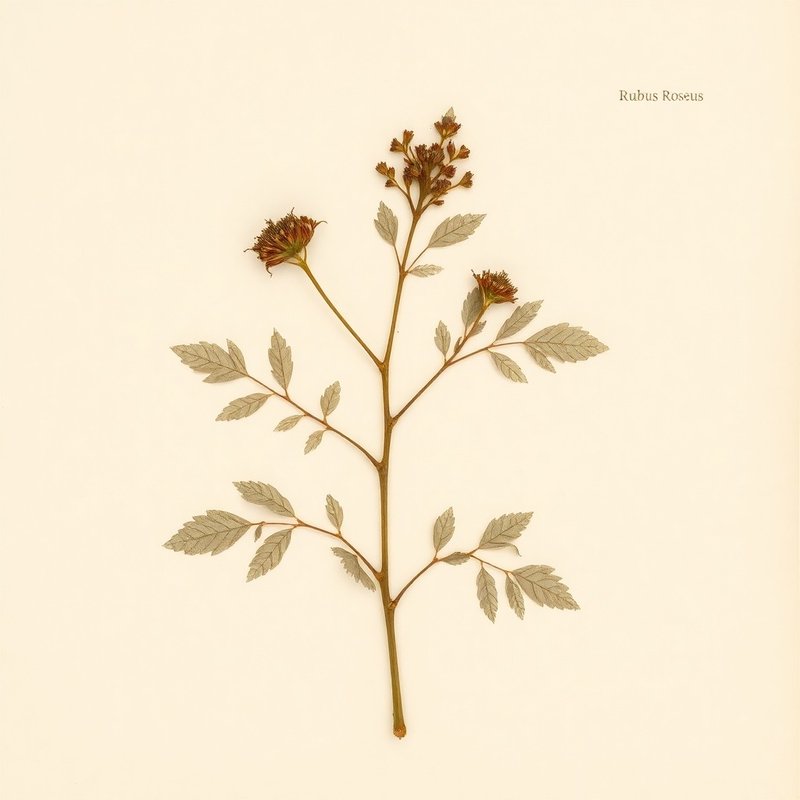
Rubus roseus
IPrezentare
Prezentare
Rubus roseus, cunoscut sub numele de mereușel rosu, este un arbust nativ din Bolivia, Colombia, Ecuador și Peru. Această plantă se dezvolte în mediile umide cu expozție la lumina zilei sau semischimburată și poate crește până la 2 metri în înălțime. Prefere soluri bine aeriate, care pot fi de tip scăpăr, mediu sau argilos. Fructul Rubus roseus este consumabil, făcându-l un resursă valoroasă pentru cei familiarizați cu utilizarea sa. Adaptabilitatea sa la diverse tipuri de soluri și condiții de lumină îl permite să fie găsit în diferite habitaturi din zona sa nativă. Un caracter distinctiv al acestui plant este capacitatea sa de a crește atât în zonile expuse lumii, cât și în zonele semischimburate, contribuind astfel la versatilitatea sa în diferite medii.
What is Rubus roseus?
Rubus roseus, cunoscut sub numele de mereușel rosu, este un arbust nativ din Bolivia, Colombia, Ecuador și Peru. Această plantă se dezvolte în mediile umide cu expozție la lumina zilei sau semischimburată și poate crește până la 2 metri în înălțime.
What is Rubus roseus used for?
Traditionally used for topical & skin, immune support. Each claim is evidence-rated — see Section II for full citations.
IIBeneficii și dovezi
2 claims · traditional-use context
Beneficii și dovezi
2 claims · traditional-use context- Rubus roseus has been traditionally used in topical applications to support skin health, particularly for minor irritations and wounds. Its use is based on local traditional practices.
The mechanism by which Rubus roseus supports skin health is not fully characterised but may involve anti-inflammatory compounds that help reduce irritation.
▲ ModerateTopical & skin → - Rubus roseus has been traditionally used in South American herbal medicine to support immune function, often prepared as a decoction. Its use is based on local knowledge and traditional practices.
The mechanism by which Rubus roseus supports the immune system is not fully characterised but may involve antioxidant compounds that help protect against oxidative stress.
▲ ModerateImmune support →
IV·bMixology suggestions
1 draft
Mixology suggestions
1 draftVCultivare
Cultivare
How to grow Rubus roseus for the first time
Start with a simple, light-loving Rubus roseus for your first gardening experience.
- 1
What you'll need
Seeds or young plants, potting soil, containers or garden space.
- 2
Best time to plant
Plant in spring when the weather starts warming up.
- 3
Soil and container prep
Use well-draining soil with a mix of light (sandy), medium, and heavy (clay) textures.
- 4
Sowing or transplanting
Direct sow seeds in the ground or start young plants indoors before transplanting outside.
- 5
First two weeks
Water regularly to keep soil moist but not waterlogged. Provide partial sun for best growth.
- 6
Ongoing care
Ensure consistent moisture, especially during dry spells. Prune as needed to maintain shape and health.
- 7
Harvest or pruning
Prune in late winter before new growth starts to encourage fruiting and remove dead branches.
- 8
Common mistakes
Overwatering, planting in full sun, neglecting regular pruning, using heavy fertilizers, and not providing enough support for the plant.
VIEdible & utility
Edible & utility
VIIDistribuție
4 native · 0 introduced
Distribuție
4 native · 0 introducedIXSpecimen gallery
1 image
Specimen gallery
1 imageXSee also
8 related
See also
8 relatedPlants you might compare or use together — scored by shared family, common use cases, and growing requirements.

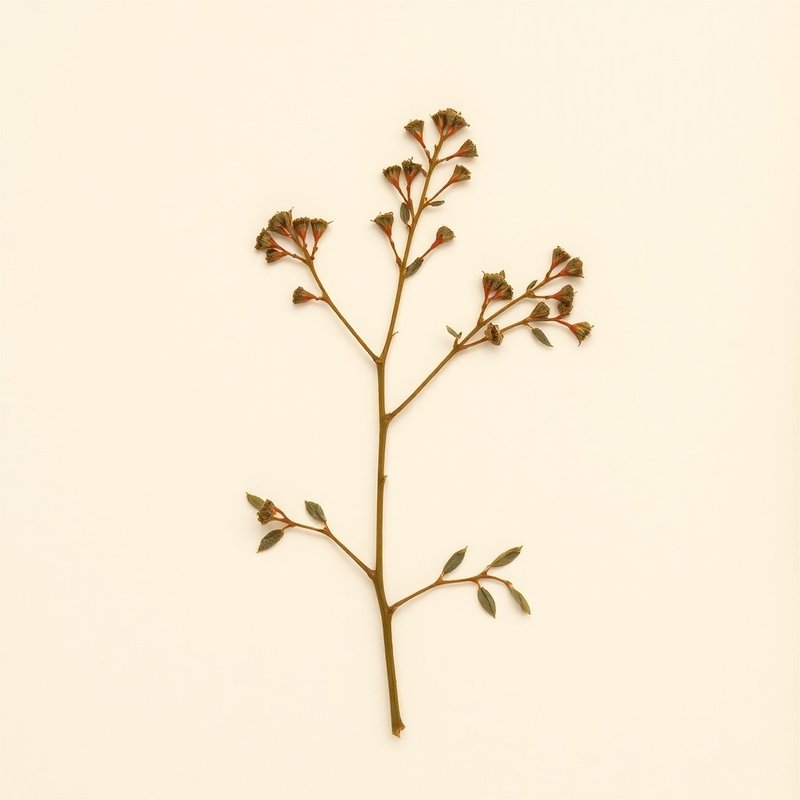
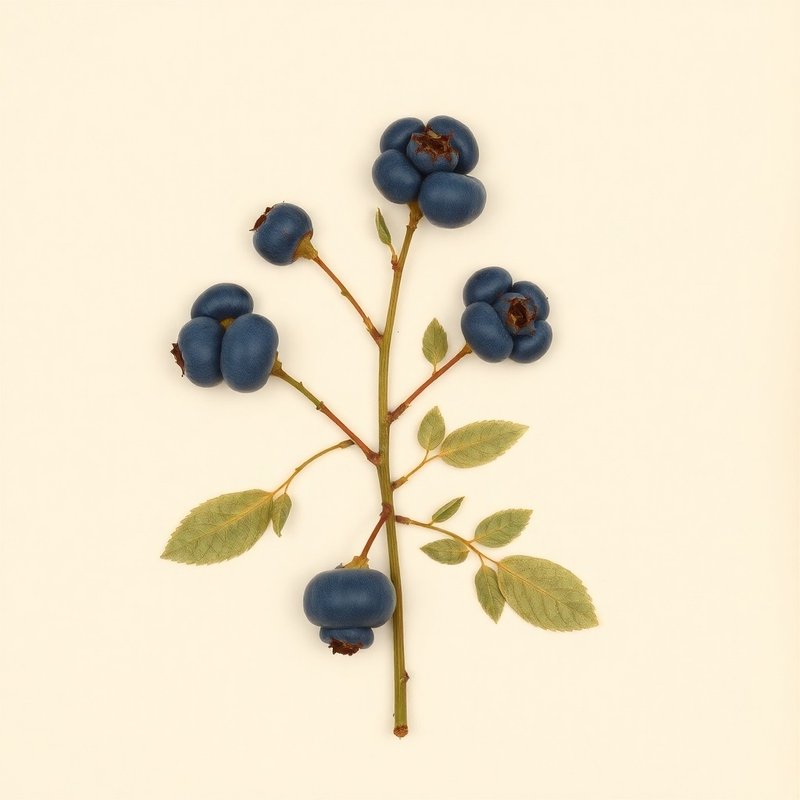

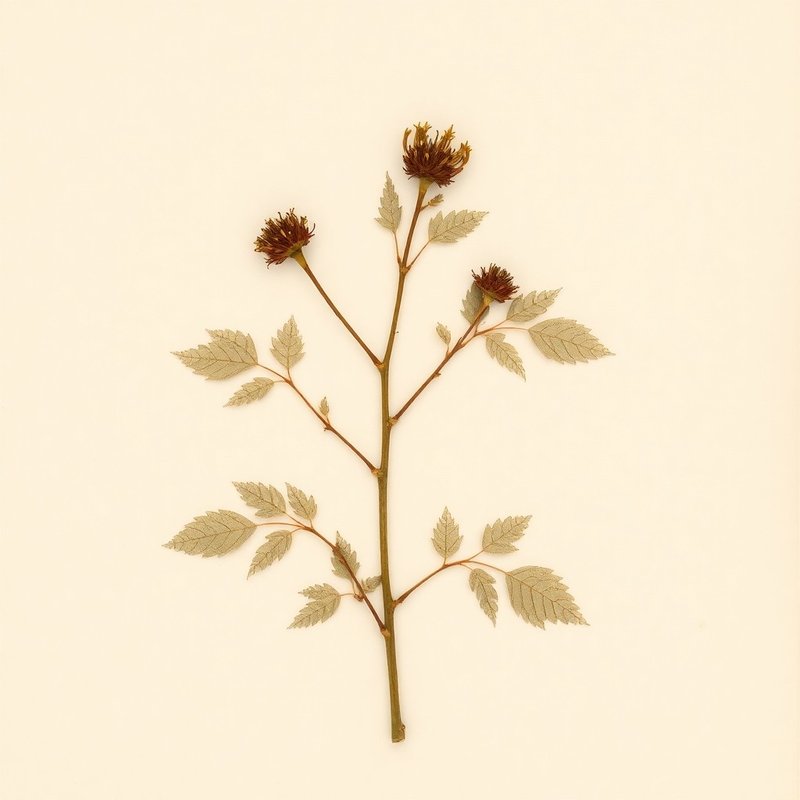
Explore further
About this entry
- Last updated
- Citation
- How to cite this entry · Submit a correction
Continue reading
Primește digest-ul săptămânal
Un email curat pe săptămână — profile noi de plante, note sezoniere de cultivare, adăugiri în arhiva de remedii. Gratuit, fără tracking, dezabonare oricând.