
Salix lucida lasiandra
Salix lucida lasiandra
Educational content — not medical, botanical, or professional advice. Always consult a qualified clinician before using any herbal preparation — especially during pregnancy, breastfeeding, while on medication, or for children. How we source & review →
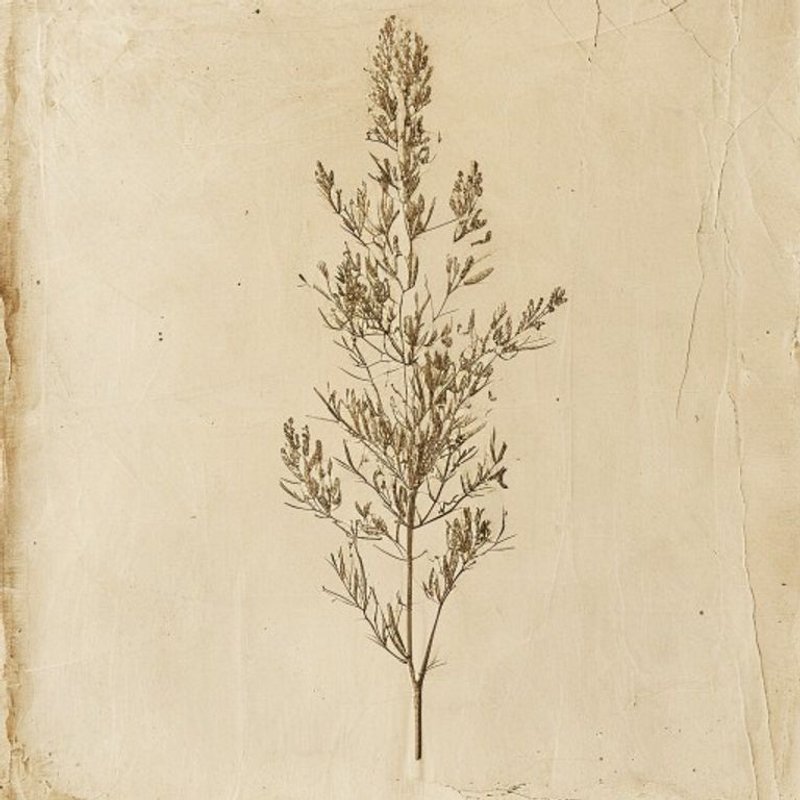
Pl. 84F7 — Salix lucida lasiandra
Salix lucida lasiandraSalix lucida lasiandraSalix lucida lasiandraSalix lucida lasiandraSalix lucida lasiandraSalix lucida lasiandraSalix lucida lasiandraSalix lucida lasiandraSalix lucida lasiandraSalix lucida lasiandraSalix lucida lasiandraSalix lucida lasiandraSalix lucida lasiandraSalix lucida lasiandra
IPrezentare
Prezentare
Salix lucida lasiandra, membru al familiei Salicaceae, este un arbore sau un zar ornamental și edibil nativ în regiuni precum Afganistan, Albania, Algerie și partile Europei din Austria și Balcanii. Cunoscut pentru cererea sa de lumină completă și preferința sa pentru condiții umide cu soluri bine aeriate, care pot fi de tip liniștit (sândal) până la greu (argil), acest plant poate crește până la 15 metri în înălțime. Fiicele sale edibile fac din acest plant o adunare valoare în anumite practici culinare. Un caracter distinctiv este capacitatea sa de a supraviețui în diverse tipuri de soluri, oferind atât beneficii ornamentale cât și edibile.
Quick answers
What is Salix lucida lasiandra?
Salix lucida lasiandra, membru al familiei Salicaceae, este un arbore sau un zar ornamental și edibil nativ în regiuni precum Afganistan, Albania, Algerie și partile Europei din Austria și Balcanii.
What is Salix lucida lasiandra used for?
Traditionally used for digestion, immune support. Each claim is evidence-rated — see Section II for full citations.
Best for
Top 2 evidence-ranked uses of Salix lucida lasiandra
Clinicaluses · safety · chemistry · dosagemedicinal profile
IIBeneficii și dovezi
2 claims · 0 sources
Beneficii și dovezi
2 claims · 0 sources- Willow bark has been traditionally used in European herbal medicine to aid digestion, often prepared as a tea. Salix lucida lasiandra may help soothe digestive discomfort.
Salicylates and flavonoids in willows are believed to have anti-inflammatory properties that can support gastrointestinal health, though specific compounds for this species are not fully characterised.
- Willow species have been traditionally used in European herbalism to support immune health, often prepared as a decoction. Salix lucida lasiandra may help bolster the body's defenses against common ailments.
Salicylates found in willows are thought to modulate inflammatory responses and enhance immune function, though specific mechanisms for this species are not fully characterised.
IV·bMixology suggestions
1 draft
Mixology suggestions
1 draftEditorial drafts. These pairings are AI-suggested from traditional herbal lore. Always verify with a qualified herbalist before brewing.
Salix lucida lasiandra support blend
generaltea
AI returned a direct ingredient list; normalized into one draft blend for editorial review.
Growingconditions · propagation · uses
VCultivare
Cultivare
Salix lucida lasiandra se dezvoltă în lumină completă și preferă condiții umide sau pluvioase. Se adaptează la o varietate de tipuri de soluri, inclusiv liniștite (sândale), medii și grele (argile). Acest plant poate crește până la 15 metri în înălțime și este durabil în regiuni temperat. Pentru cultivarea acesteia, asigurați-vă că solul rămâne constant umed; soluri liniștite sau argile sunt acceptabile atât de lung cât să se ofere aeratia adecvată. Colectați fiicele sale edibile pentru a le utiliza.
Light
Full sun
Water
Moist, Wet
Soil
Light (sandy), Medium, Heavy (clay)
Mature size
15.0 m tall
For first-time growers
How to grow Salix lucida lasiandra for the first time
8steps
Start with planting Salix lucida lasiandra in a sunny, moist spot to give yourself an easy gardening experience.
- 1
What you'll need
A young Salix lucida lasiandra sapling and some garden tools like a spade and watering can.
- 2
Best time to plant
Plant in spring or early fall when the soil is moist and temperatures are moderate.
- 3
Soil and container prep
Ensure the soil is well-draining but moisture-retentive, with a pH between 6.0 and 7.5. Prepare a hole twice as wide as the root ball.
- 4
Sowing or transplanting
Transplant the sapling into a prepared hole, making sure the top of its roots are level with the soil surface.
- 5
First two weeks
Water regularly to keep the soil moist but not waterlogged. Monitor for any signs of stress or pests.
- 6
Ongoing care
Provide full sun and regular watering, especially during dry spells. Prune in late winter to maintain shape.
- 7
Harvest or pruning
Prune the plant annually in late winter to encourage healthy growth and remove any dead or diseased branches.
- 8
Common mistakes
Overwatering, planting in too heavy soil, neglecting to prune, and not providing enough sunlight.
VIEdible & utility
Edible & utility
Edible parts:Shoots
Edible uses: The shoots of Salix lucida lasiandra are edible and can be consumed raw or cooked. Typically, they are prepared by either eating them fresh or incorporating them into various dishes.
Contextrange · companions · related
VIIDistribuție
30 native · 0 introduced
Distribuție
30 native · 0 introducedDistribution across3 continents· 30 native
Europe13 regions
native (13)AlbaniaAustriaBelarusBelgiumCyprusFranceGermanyGreeceHungaryItalyNetherlandsRussiaUkraine
Asia6 regions
native (6)AfghanistanChinaIranIraqKazakhstanPalestine
Africa2 regions
native (2)AlgeriaMorocco
Broader regions
native:Altay, Baltic States, Czechoslovakia, East Aegean Is., Kriti
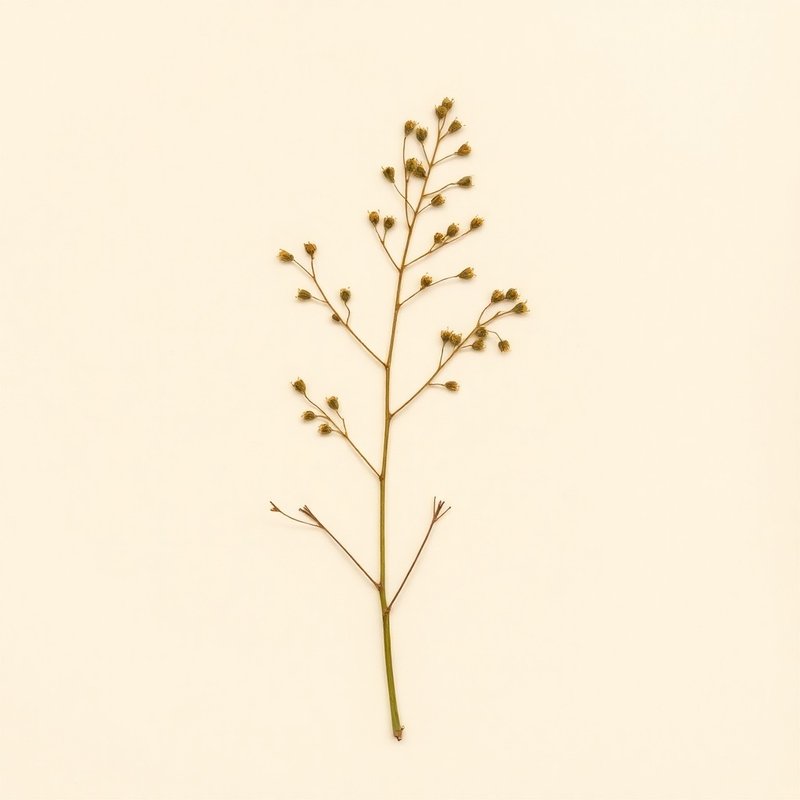
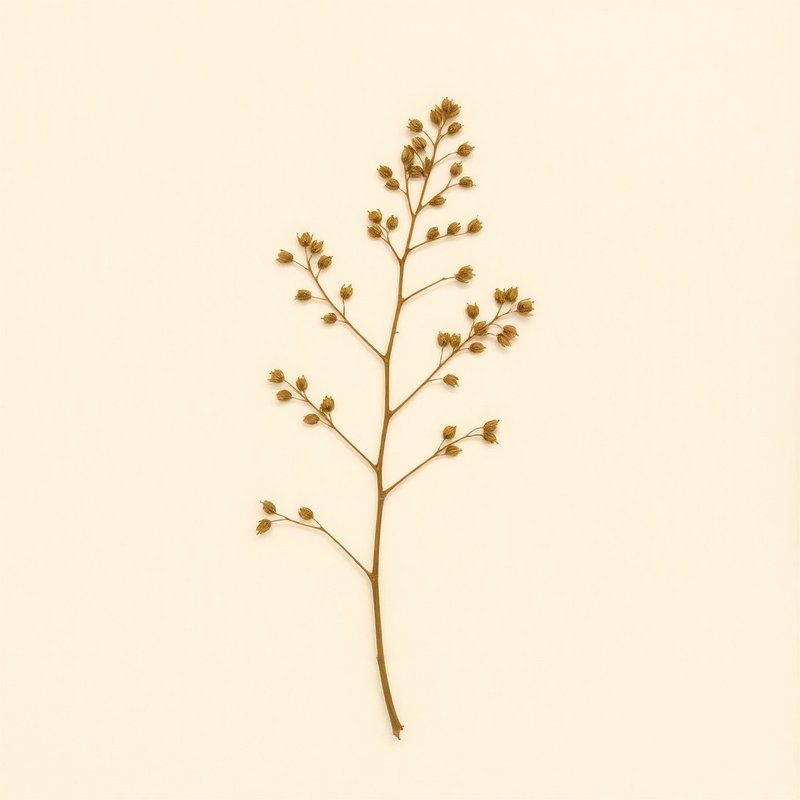
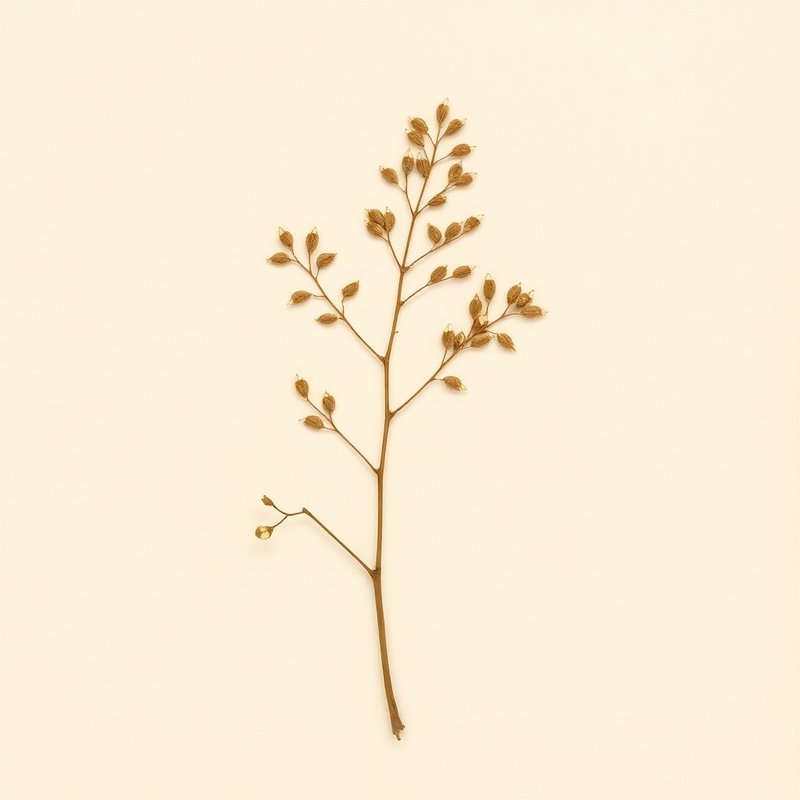
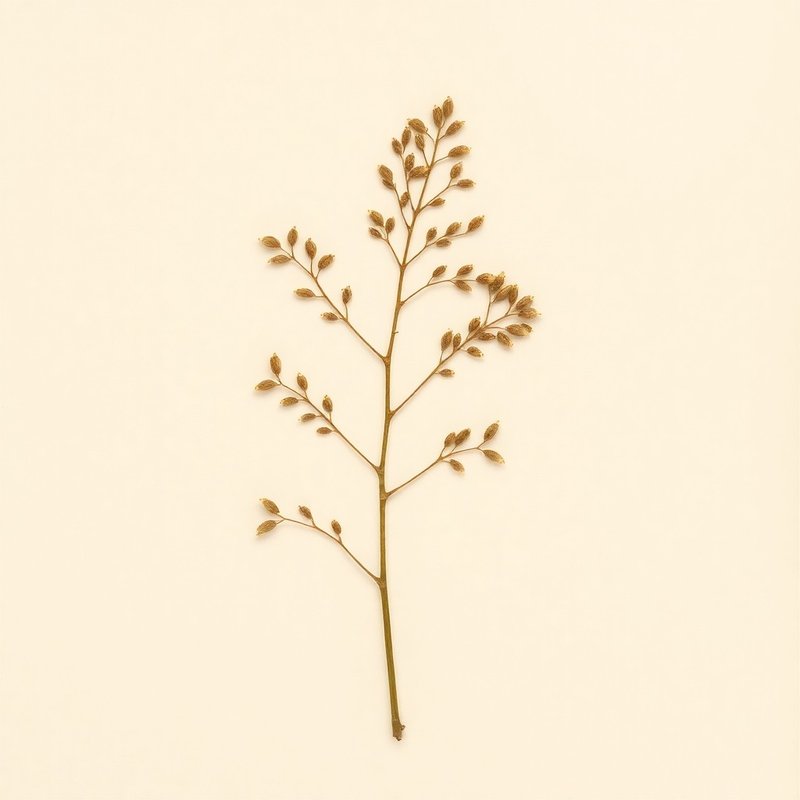
IXSpecimen gallery
1 image
Specimen gallery
1 imageXSee also
8 related
See also
8 relatedPlants you might compare or use together — scored by shared family, common use cases, and growing requirements.
shared use cases
Different families, similar therapeutic role — good for comparing.

XI
Explore further
Companion planting
Health goals
Compare with similar plants
XII
About this entry
- Last updated
- Citation
- How to cite this entry · Submit a correction
Back to the cataloguePlant id · 84f77fda-561c-4fea-acef-73b2fb7776e0
Decision aid
Choosing between Salix lucida lasiandra and something else?
Continue reading
❦❦❦❦
Endpaper · archive updates
Primește digest-ul săptămânal
Un email curat pe săptămână — profile noi de plante, note sezoniere de cultivare, adăugiri în arhiva de remedii. Gratuit, fără tracking, dezabonare oricând.