
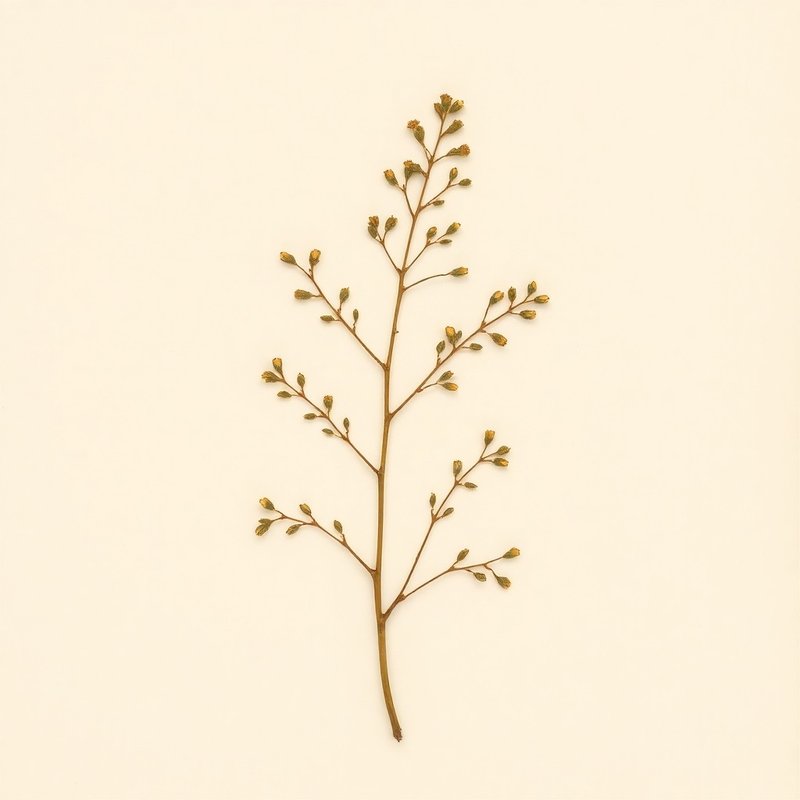
Salix piperi
IPrezentare
Prezentare
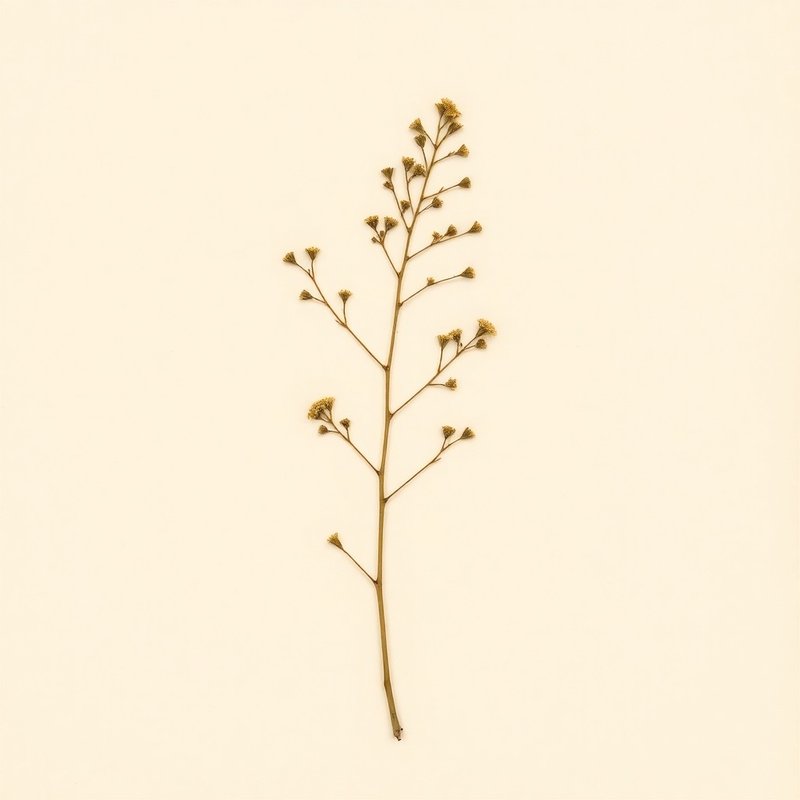
Salix piperi, cunoscută sub numele de Salică Piperului, este un arbore decidu din nord-vestul Americii de Nord și zonele europene și africane. Găsit în habitaturi umede și pluvioase precum râpi și paludi, acest salic thrives în soluri luminoase (sandy), medii și grele (clay). Această salică crește cel mai bine în soare și poate fi recunoscută prin ramurile sale flexibile și catințele care apar înainte de pâine. Părul intern, frunzele și scufundurile sunt comestibile și au fost folosite ca surse de aliment. Rangul nativ al sălii se extinde din Alaska până la California și include regiuni precum Afganistan, Albania și Algerie.
What is Salix piperi?
Salix piperi, cunoscută sub numele de Salică Piperului, este un arbore decidu din nord-vestul Americii de Nord și zonele europene și africane. Găsit în habitaturi umede și pluvioase precum râpi și paludi, acest salic thrives în soluri luminoase (sandy), medii și grele (clay).
What is Salix piperi used for?
Traditionally used for stress & anxiety, digestion. Each claim is evidence-rated — see Section II for full citations.
IIBeneficii și dovezi
2 claims · traditional-use context
Beneficii și dovezi
2 claims · traditional-use context- Traditional-use note: Salix piperi appears in herbal sources around calming and relaxation traditions, often as a decoction. PlantSage presents this as ethnobotanical context, not as medical advice.
Traditional context only. This reviewed claim keeps the original moderate confidence level, but avoids treatment, disease, dosage, or guaranteed-effect language.
▲ ModerateStress & anxiety → - Salix piperi, like other willows, has been traditionally used in European herbalism to support digestive health. A tea made from the leaves or inner bark may help soothe an upset stomach.
The presence of salicylates and flavonoids suggests potential anti-inflammatory effects on the gastrointestinal tract, though specific mechanisms are not fully understood.
▲ ModerateDigestion →
IV·bMixology suggestions
1 draft
Mixology suggestions
1 draftVCultivare
Cultivare
How to grow Salix piperi for the first time
Start with simple soil and light conditions for Salix piperi.
- 1
What you'll need
A young Salix piperi plant, a small trowel, and some compost.
- 2
Best time to plant
Plant in early spring or late fall when the soil is moist but not waterlogged.
- 3
Soil and container prep
Choose a spot with light to medium soil that stays moist. Amend the soil with compost if needed.
- 4
Sowing or transplanting
Transplant young plants directly into the ground, spacing them about 10 feet apart.
- 5
First two weeks
Water regularly to keep the soil consistently moist but not soggy. Monitor for any signs of stress.
- 6
Ongoing care
Provide regular watering during dry spells and mulch around the base to retain moisture.
- 7
Harvest or pruning
Prune in late winter before new growth starts, removing dead or weak branches.
- 8
Common mistakes
Overwatering, planting in too heavy soil, and not providing enough light are common issues to avoid.
VIEdible & utility
Edible & utility
VIIDistribuție
56 native · 56 introduced
Distribuție
56 native · 56 introducedIXSpecimen gallery
1 image
Specimen gallery
1 imageXSee also
8 related
See also
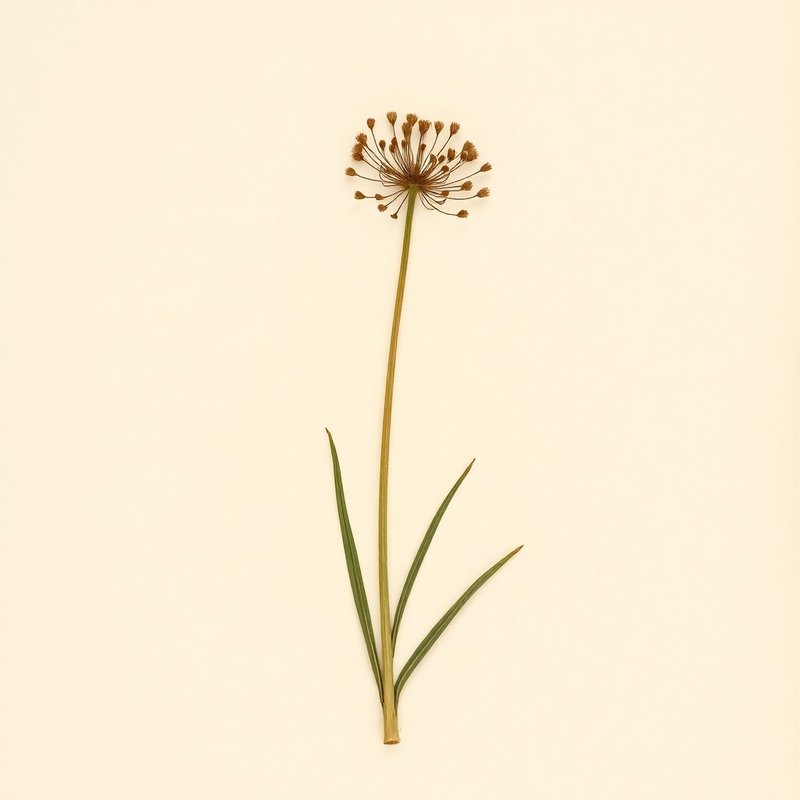
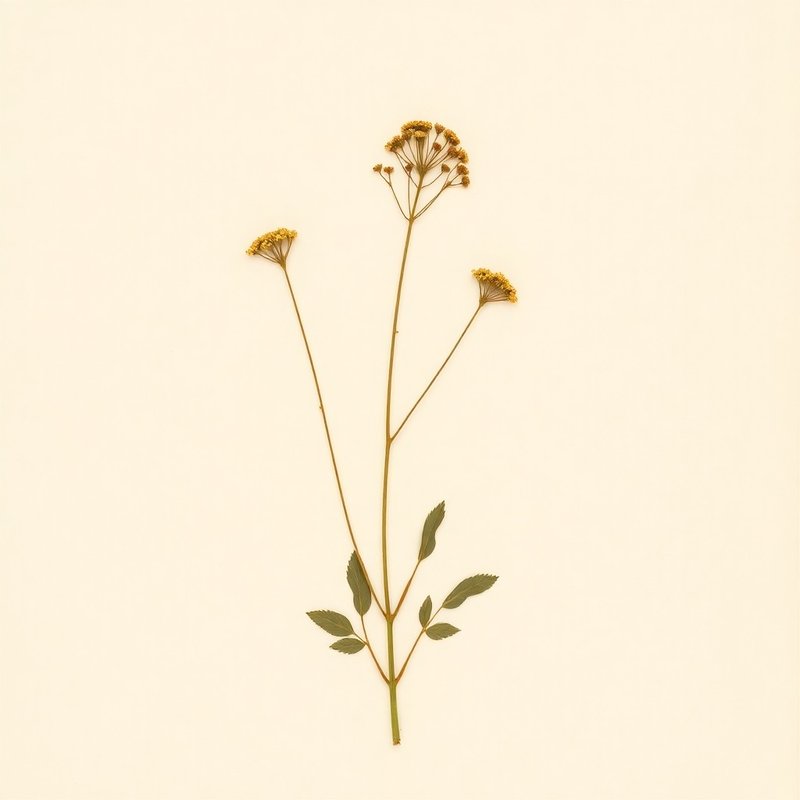
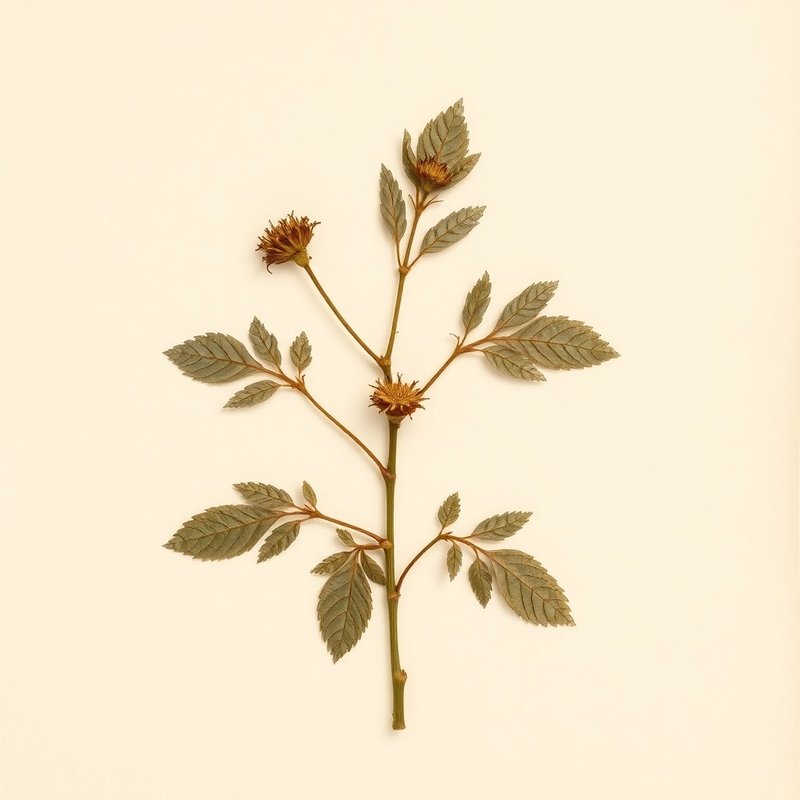
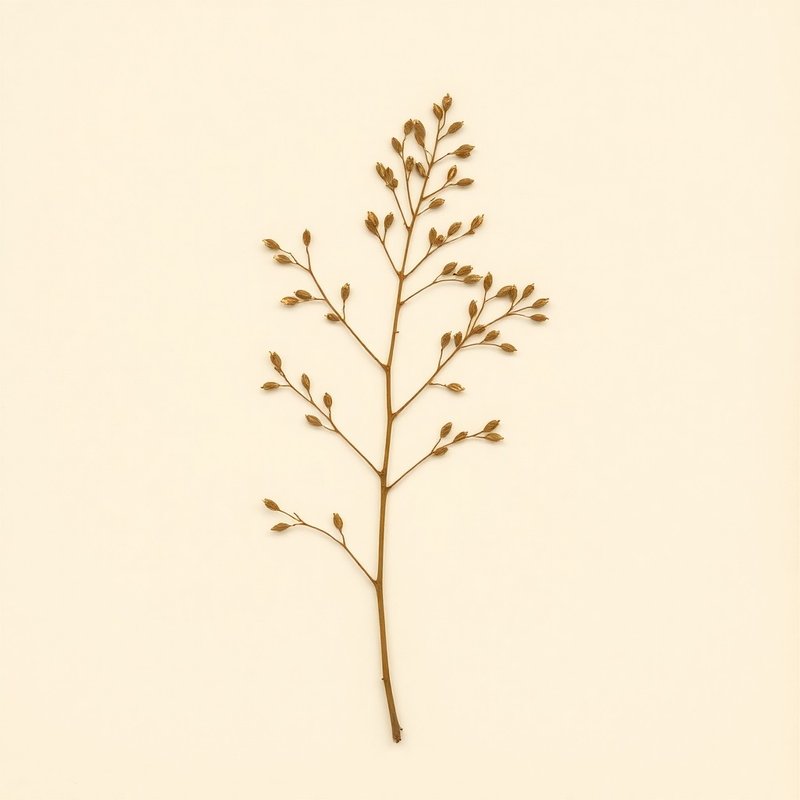
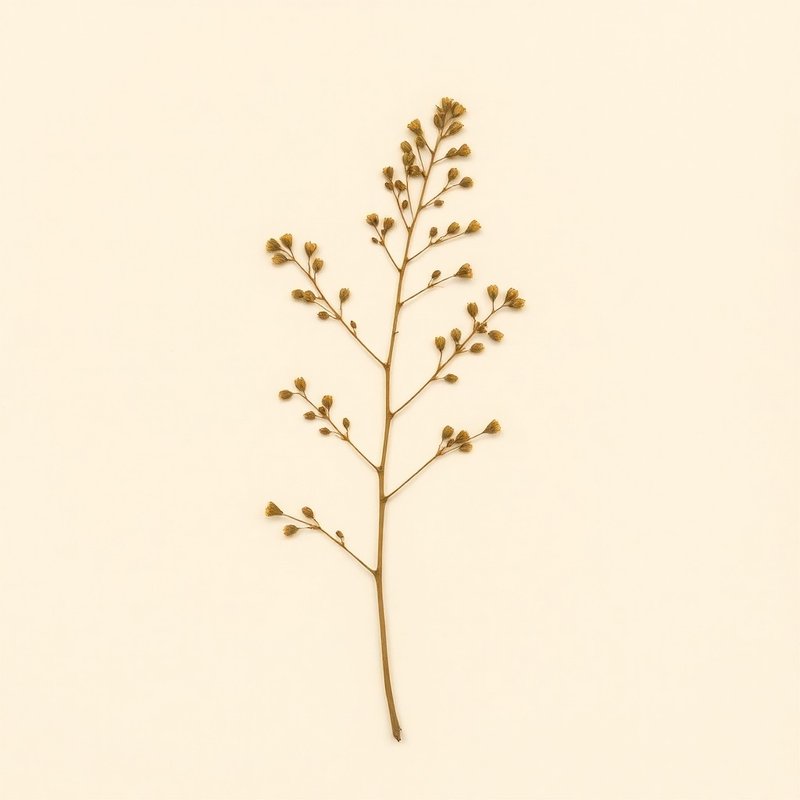
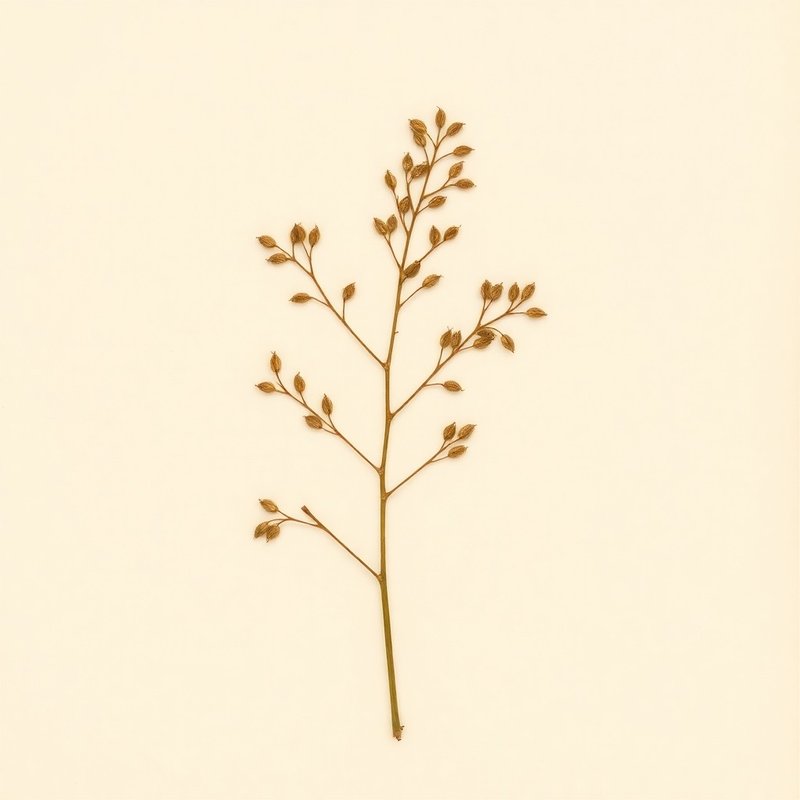
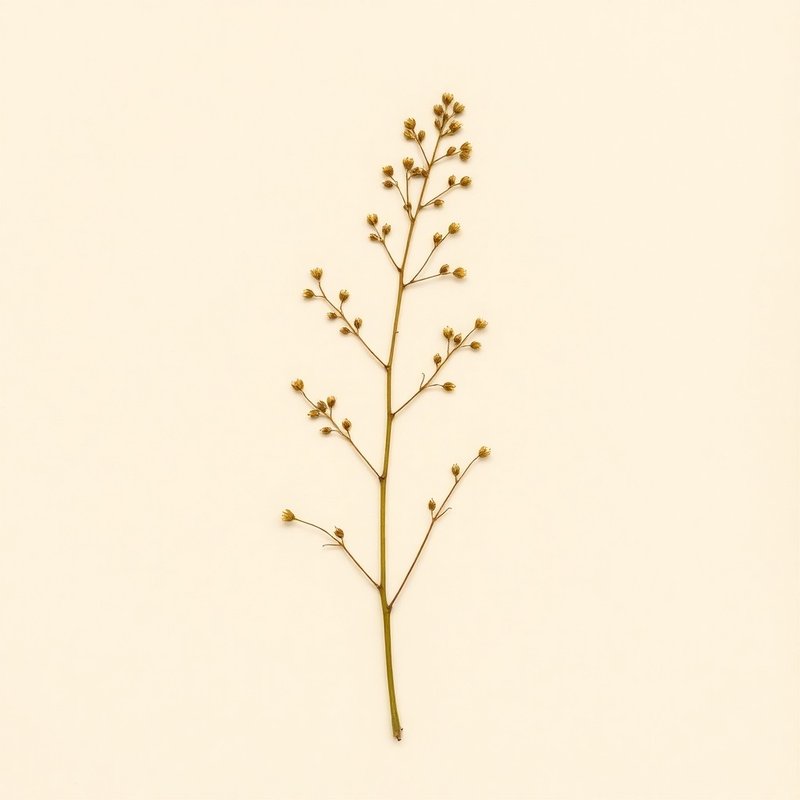
8 relatedPlants you might compare or use together — scored by shared family, common use cases, and growing requirements.
Explore further
About this entry
- Last updated
- Citation
- How to cite this entry · Submit a correction
Continue reading
Primește digest-ul săptămânal
Un email curat pe săptămână — profile noi de plante, note sezoniere de cultivare, adăugiri în arhiva de remedii. Gratuit, fără tracking, dezabonare oricând.