Skip to content
IIIFolio · plant profile№ 69D1medicinal · edible
Data provenancePermapeopleTreflePFAFPOWOeditorially reviewedreviewed 21 Oct 2026methodology → read
Home/Plants/Caprifoliaceae

Sambucus chinensis

Sambucus chinensisfam. Caprifoliaceae
Educational content — not medical, botanical, or professional advice. Always consult a qualified clinician before using any herbal preparation — especially during pregnancy, breastfeeding, while on medication, or for children. How we source & review →
medicinaledibleperennialedibleedible fruitmedicinalnative asiaperennialshrub
Updated·Quick Q&A →
Garden journal pausedUse profile notes below
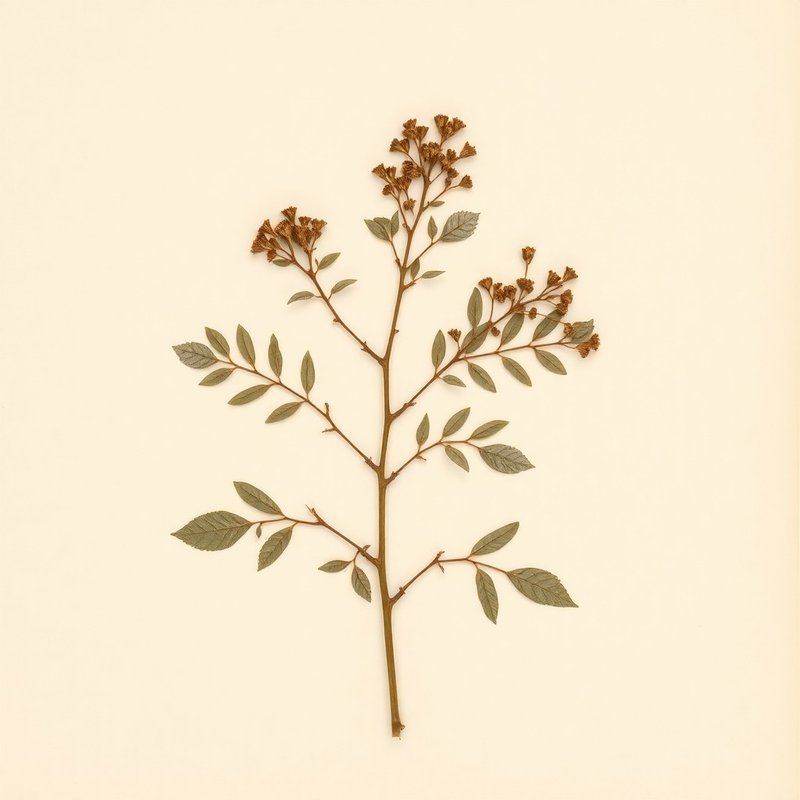
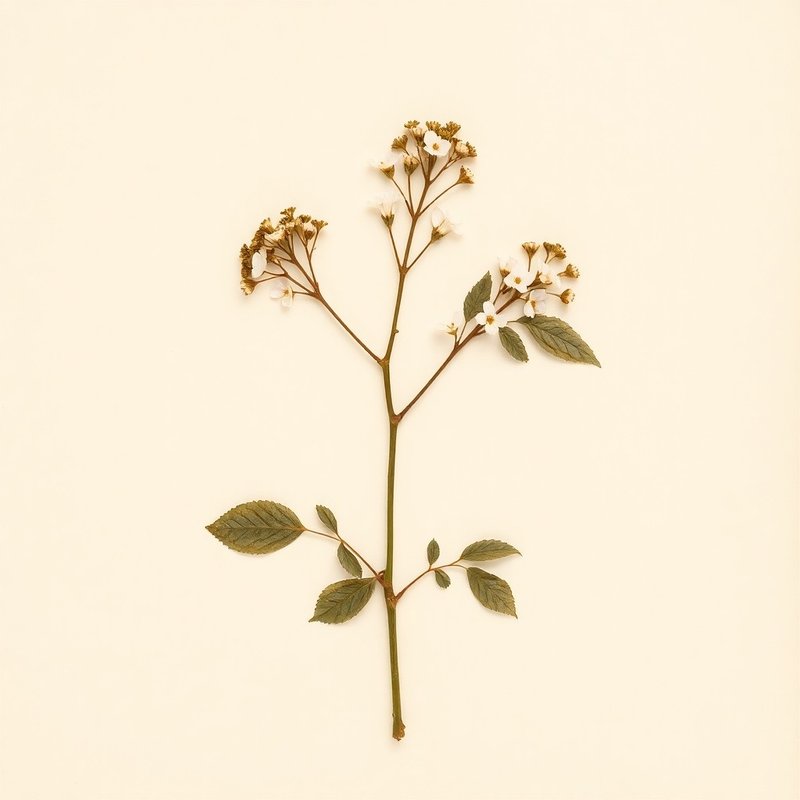
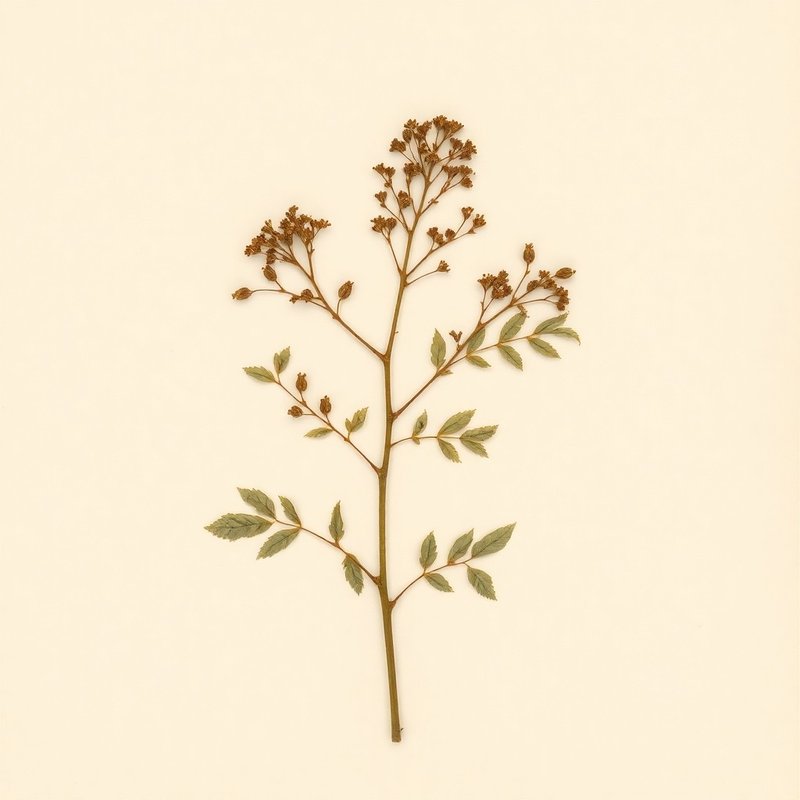
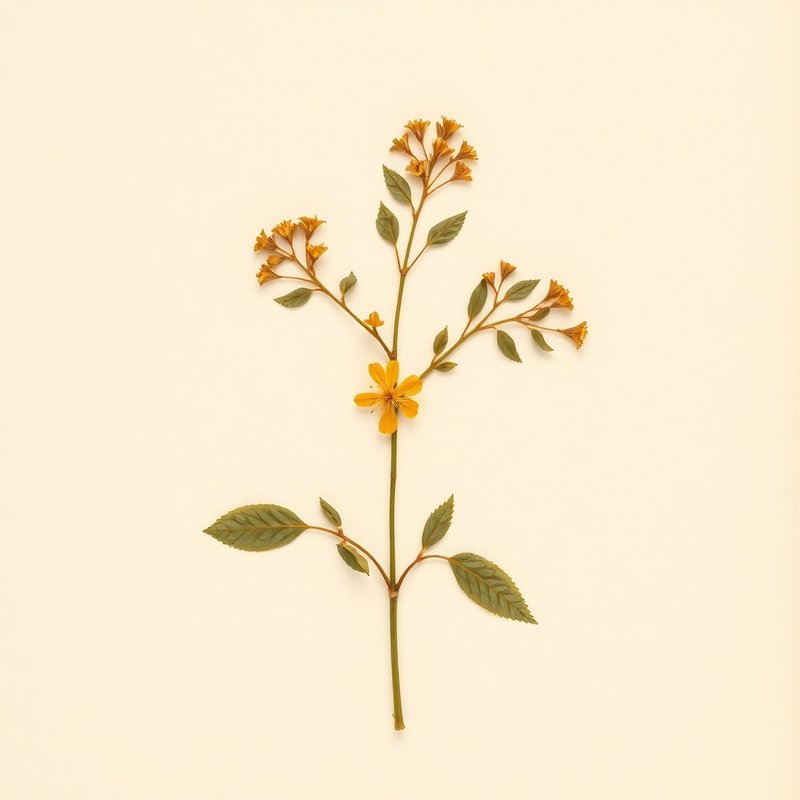
Sambucus chinensis (Sambucus chinensis) — botanical photograph
Pl. 69D1 — Sambucus chinensis
Sambucus chinensisSambucus chinensisSambucus chinensisSambucus chinensisSambucus chinensisSambucus chinensisSambucus chinensisSambucus chinensisSambucus chinensisSambucus chinensisSambucus chinensisSambucus chinensisSambucus chinensisSambucus chinensis
I

Prezentare

Sambucus chinensis, cunoscută sub numele de mereuier chinezesc, este un arbust perenial nativ în regiuni precum Afganistan, Assam, China, Japonia și părți din Coreea. Această plantă se dezvolte în sustrat umed, cu luminositatea deosebită sau medie și necesită soare plin sau parțial. Cunoscut pentru merele sale comestibile și proprietățile medicinale, Sambucus chinensis a fost utilizat atât pentru fructele sale cât și pentru lângurile sale. Caracteristicile distincte ale acestui plant includ o înălțime de aproximativ 1,5 metri și durabilitatea în zonele 7-10, făcându-l potrivit pentru gardeni din diferite climatice.

Quick answers

What is Sambucus chinensis?

Sambucus chinensis, cunoscută sub numele de mereuier chinezesc, este un arbust perenial nativ în regiuni precum Afganistan, Assam, China, Japonia și părți din Coreea. Această plantă se dezvolte în sustrat umed, cu luminositatea deosebită sau medie și necesită soare plin sau parțial.

Compare with:Linden Viburnum→Mexican Elder→Viburnum cotinifolium→all comparisons →
IV·b

Mixology suggestions

2 drafts
Editorial drafts. These pairings are AI-suggested from traditional herbal lore. Always verify with a qualified herbalist before brewing.
Immune Boost
immune
tincture
Used traditionally to support the immune system.
Digestive Comfort
digestion
tea
Historically used to aid digestion and soothe the stomach.
Growingconditions · propagation · uses
V

Cultivare

Sambucus chinensis se dezvolte bine în soare plin sau parțial și preferă sustrat umed, bine drenat care poate fi de tip liniștit (sândal), mediu sau greu (argil). Este durabil în zonele 7-10 și crește ca un arbust perenial atingând o înălțime maximă de 1,5 metri. Această plantă este versatilă, având părți comestibile inclusiv fructe, lânguri și rădăcini. Pentru propagare, gardienii pot folosi semințe sau împărțiri.
Light
Full sun, Partial sun/shade
Water
Moist
Soil
Light (sandy), Medium, Heavy (clay)
Hardiness
7-10
Life cycle
Perennial
Mature size
1.5 m tall
For first-time growers

How to grow Sambucus chinensis for the first time

8steps

Start with a simple planting of Skip to gain experience in growing this plant.

  1. 1

    What you'll need

    Skip plants, well-draining soil, water can or hose.

  2. 2

    Best time to plant

    Plant Skip in spring after the last frost or in early fall.

  3. 3

    Soil and container prep

    Choose a location with light to partial shade. Ensure the soil is well-draining, not too heavy or sandy.

  4. 4

    Sowing or transplanting

    Transplant Skip from containers directly into the garden if it's already established. If starting from seeds, sow them in pots and transfer seedlings after danger of frost.

  5. 5

    First two weeks

    Water regularly to keep soil moist but not waterlogged. Monitor for any signs of stress or pests.

  6. 6

    Ongoing care

    Provide regular watering during dry spells, especially in full sun. Prune lightly after flowering to maintain shape.

  7. 7

    Harvest or pruning

    Prune Skip annually to encourage new growth and prevent overcrowding. Remove any dead or weak branches.

  8. 8

    Common mistakes

    Overwatering, planting in heavy soil, neglecting regular pruning, not providing enough sunlight.

VI

Edible & utility

Edible parts:FruitLeavesRoot
Edible uses: The fruit of Sambucus chinensis is commonly eaten raw or used to make jams and syrups. The leaves can be cooked as a vegetable, often stir-fried or boiled. Roots are sometimes dried and used in teas. All parts should be prepared with care due to potential toxicity if not properly processed.
Other uses:Pest control
Contextrange · companions · related
VII

Distribuție

18 native · 0 introduced
Distribution across1 continent· 18 native
Asia10 regions
native (10)AfghanistanChinaIndiaJapanNepalPakistanSouth KoreaTaiwanThailandVietnam
Broader regions
native:East Himalaya, Hainan, Kazan-retto, Nansei-shoto, Ogasawara-shoto
IX

Specimen gallery

1 image
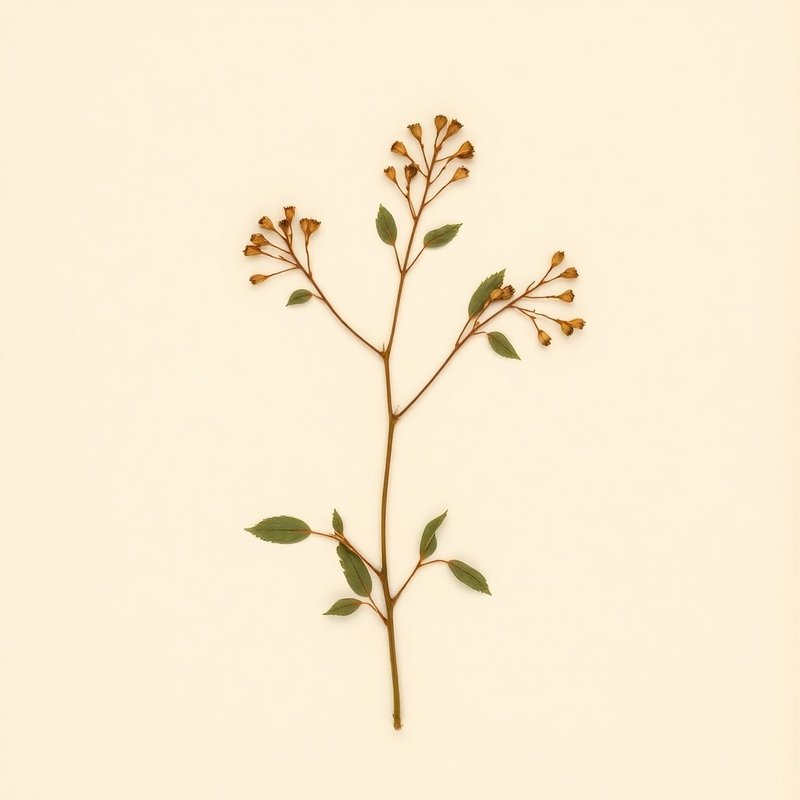
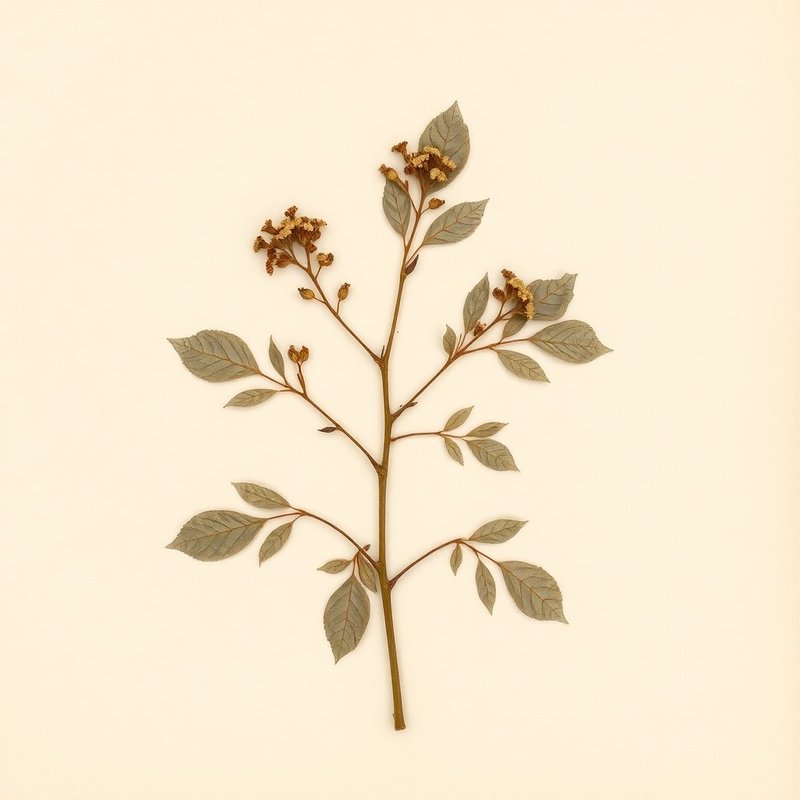
Sambucus chinensis (Sambucus chinensis) — botanical photograph
Sambucus chinensis (Sambucus chinensis)
X

See also

8 related
XI

Explore further

XII

About this entry

Last updated
Citation
How to cite this entry · Submit a correction
Back to the cataloguePlant id · 69d1c50a-f472-4dd2-ae0f-3cc4667f5186
❦❦❦❦
Endpaper · archive updates

Primește digest-ul săptămânal

Un email curat pe săptămână — profile noi de plante, note sezoniere de cultivare, adăugiri în arhiva de remedii. Gratuit, fără tracking, dezabonare oricând.

Newsletter returning soon.
We are rebuilding the update list around a lightweight editorial workflow. New dispatches will resume after the next content review cycle.
iCare notes